Orlando Science Center: A Practical Guide to Four Floors of Discovery
The Orlando Science Center occupies a landmark building in Loch Haven Park, just north of downtown, offering hands-on exhibits across four floors for visitors of all ages. From dinosaur digs to telescope nights at the Crosby Observatory, it fills a genuine gap in Orlando's attraction lineup that goes well beyond theme parks.
Quick Facts
- Location
- 777 E Princeton St, Orlando, FL 32803 (Loch Haven Park, north of downtown)
- Getting There
- By car with on-site parking; LYNX bus network serves the downtown area. No direct rail stop — rideshare is the most practical option without a car.
- Time Needed
- 2 to 4 hours for a full visit; families with young children often take longer
- Cost
- Ages 0–1 free; ages 2–11 ~$22.99; ages 12–54 ~$29.99; ages 55+ ~$27.99; students ~$27.99. Members admitted free. Verify current prices at osc.org before visiting.
- Best for
- Families with kids, science enthusiasts, rainy-day visits, and travelers wanting a break from theme park crowds
- Official website
- www.osc.org
What the Orlando Science Center Actually Is
The Orlando Science Center is a multi-story interactive science museum in the Loch Haven Park cultural district, roughly a mile north of downtown Orlando. It is not a quiet, glass-case museum. It is loud, tactile, and built for engagement — the kind of place where a seven-year-old can spend forty minutes at a single exhibit without noticing time passing.
The institution has roots going back to the 1950s and 1960s as the Central Florida Museum, was later renamed the John Young Museum in 1973, and took its current name in 1984. The present building is large and purpose-built, with exhibits spread across four floors covering themes from paleontology and ecology to physics, technology, and astronomy.
For Orlando visitors who have already done the theme parks or are looking for something genuinely different, the Science Center offers real educational value in a city that can feel dominated by entertainment. It also makes a strong pairing with other cultural venues in Loch Haven Park, including the Orlando Museum of Art and the Mennello Museum of American Art, both within walking distance.
The Four Floors: What You Will Actually Find
The ground floor is where most families with toddlers spend the bulk of their time. KidsTown is a dedicated zone for children roughly under eight, with scaled-down interactive stations built around everyday concepts like water flow, construction, and simple machines. It is genuinely well-designed — not a perfunctory afterthought — and the tactile quality of the exhibits means children can engage without reading a single label.
Moving up, Dino Digs is a consistent crowd draw. The exhibit features articulated dinosaur skeletons and fossil replicas, along with dig simulations where children can excavate replica specimens from sand beds. It is not the American Museum of Natural History, but the curation is solid and the fossil content is more substantial than it first appears.
The upper floors address technology, physics, and Florida's natural environment. The nature and conservation exhibits have a regional focus — Central Florida ecosystems, wildlife, and waterways — which gives them a specificity that generic science museum content often lacks. You will see native species displays and ecological context that directly reflects the landscape outside the building.
💡 Local tip
The building has a large-format dome theater on-site. Films run on a rotating schedule. Check the day's schedule at the ticket desk — dome screenings cost extra but are worth considering if the subject matter interests you or your group.
Tickets & tours
Hand-picked options from our booking partner. Prices are indicative; availability and final rates are confirmed when you complete your booking.
Chat with an Astronaut and Kennedy Space Center Tour from Orlando
From 200 €Free cancellationGo City | Orlando All-Inclusive Pass
From 204 €Instant confirmationFree cancellationKids Eat Free Card Orlando
From 28 €Instant confirmationFree cancellationManatees swimming and snorkelling experience by boat from Orlando
From 85 €Instant confirmationFree cancellation
The Crosby Observatory: A Genuine Differentiator
The Crosby Observatory sits atop the Science Center building and houses Florida’s largest publicly accessible refractor telescope. This is not a decorative feature. On designated observing nights, typically select Saturdays, visitors can look through the telescope under staff guidance. Solar observation sessions called SunWatch also run on specific dates during daylight hours.
Observing sessions are weather-dependent and follow a separate schedule from general admission. If an astronomy experience is part of why you are visiting, confirm the schedule directly at osc.org well in advance, since sessions can fill up and cloud cover can cancel them. For clear-night visitors who plan ahead, this is one of the more unusual and memorable things you can do in Orlando that has nothing to do with a theme park.
When to Go and How the Experience Shifts
Weekday mornings are when the Science Center is at its calmest. School groups do visit on field trips, so a Tuesday or Wednesday morning in spring can still be busy with student groups moving through in packs. If you are traveling without children and want a quieter experience, weekday afternoons tend to settle down once school groups depart.
Weekend mornings get busy from around 10:30 am onward, particularly during summer and school holidays. Families tend to arrive in waves, and the KidsTown area in particular fills quickly. Arriving right at opening (10:00 am) gives you a noticeably cleaner run through the popular exhibits before the main crowd lands.
⚠️ What to skip
Confirm the current Wednesday schedule before you go. The Science Center is commonly listed as closed on Wednesdays, so this is an easy mistake to make if you are relying on third-party listings — check the official calendar at osc.org for your specific visit date.
Orlando's summer heat and afternoon thunderstorms make the Science Center a strong choice for mid-afternoon refuge. From roughly 2:00 pm to 4:00 pm between June and September, outdoor attractions become genuinely uncomfortable and daily storms are common. An indoor, fully air-conditioned museum is a practical and worthwhile option during those hours.
Getting There and Practical Logistics
The Science Center is at 777 E Princeton St, Orlando, FL 32803, in the Loch Haven Park area. On-site parking is available, which makes a car the most straightforward option. The LYNX bus network covers the broader downtown area, though no route drops you directly at the door, so rideshare remains the most practical choice if you are coming from a hotel without a car.
If you are staying near downtown Orlando, the Science Center is close enough that a rideshare fare should be modest. From International Drive hotels, expect a longer ride. The center is not walkable from most tourist accommodation clusters.
The building is fully wheelchair accessible and the center publishes detailed ADA compliance information on its website, including contact details for an ADA/Section 504 coordinator. Gender-neutral restrooms are available on-site. Families with strollers will find the layout manageable, though elevator wait times can build on busy weekend mornings.
Photography, Honest Limitations, and Who Should Skip It
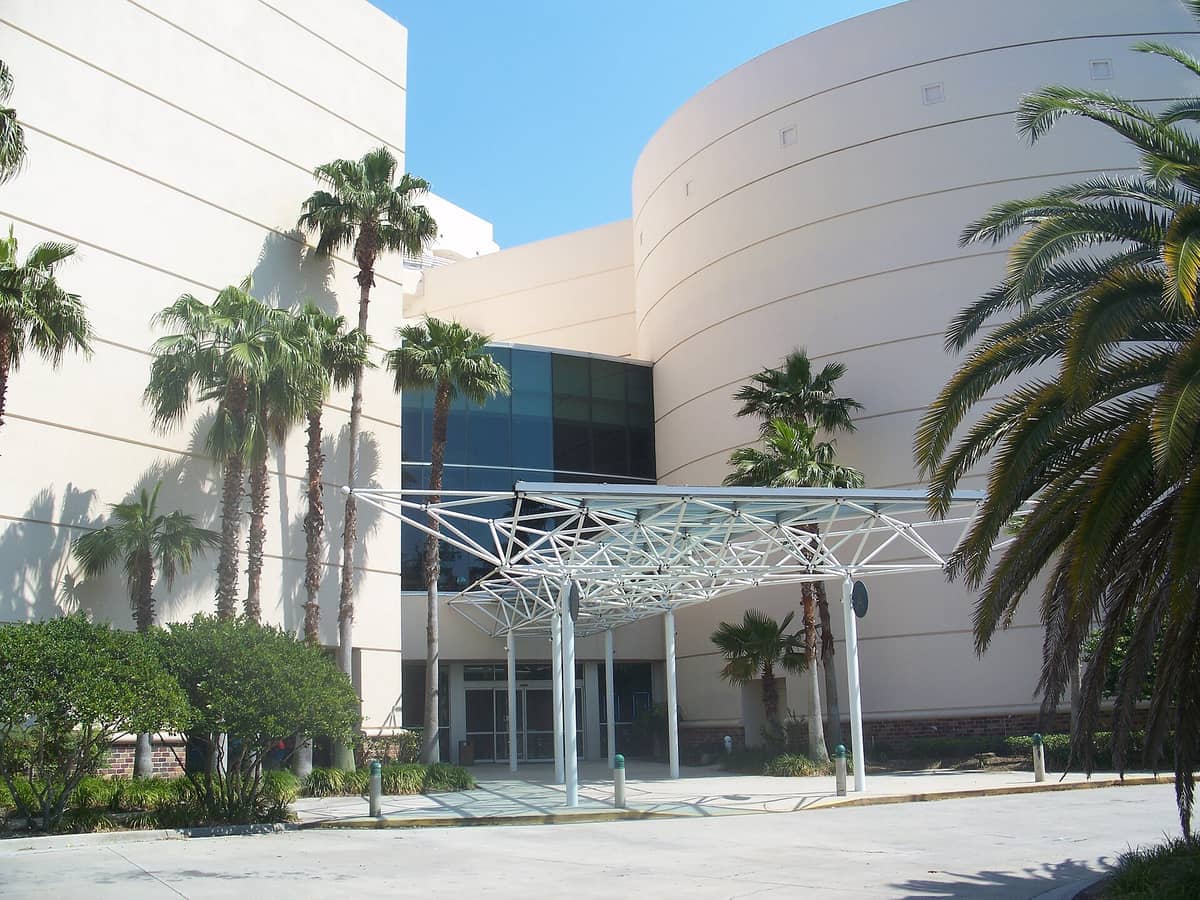
Photography is generally fine throughout the exhibits, and the large format dome provides some interesting architectural angles. The building exterior, with its distinctive curved facade, photographs well in morning light from the parking area side.
An honest note: the Science Center is not a world-class science museum on the scale of the California Academy of Sciences or the Smithsonian's Air and Space Museum. Some exhibits show their age and the interactives can be patchy in terms of upkeep. If you are a science professional or a well-traveled museum-goer, manage expectations accordingly. The strength of this place is in family engagement and regional content, not in the depth of its permanent collections.
Travelers without children, or adults seeking sophisticated scientific depth, may find two hours sufficient before wanting to move on. In that case, pairing a shorter visit here with a walk around Harry P. Leu Gardens or a stop at the Charles Hosmer Morse Museum in nearby Winter Park makes for a well-rounded cultural day.
Visitors who are primarily interested in Orlando's theme park experiences will likely find the Science Center underwhelming by comparison in terms of spectacle. It is not competing with Universal or Disney on that axis. What it does offer is substance, relative calm, and the kind of genuine curiosity-driven engagement that loud, high-stimulation parks are not designed for.
Insider Tips
- Membership pays off quickly compared to regular admission. If your family plans to visit twice within a year, the annual membership cost generally undercuts two separate general admission visits — and members also receive discounts on dome screenings and events.
- The Crosby Observatory schedule is not prominently advertised in general listings. Check the specific events calendar at osc.org before your trip if astronomy is an interest. Spots for evening observing sessions can go quickly.
- Loch Haven Park has free outdoor green space surrounding the museum cluster. On weekday mornings, the grounds are quiet and work well as a picnic or wind-down spot after the exhibits.
- The gift shop near the exit has a better selection of science-themed children's books and educational toys than most museum shops — worth a look even if you are not a regular gift shop visitor.
- If you are visiting with a school-age child who has specific scientific interests, call ahead at +1 407-514-2000 to ask which exhibits are currently fully operational. Interactive components occasionally go offline for maintenance, and knowing in advance saves disappointment.
Who Is Orlando Science Center For?
- Families with children between ages 3 and 12 looking for a full half-day activity
- Travelers wanting a genuine alternative to Orlando's theme park circuit
- Visitors caught in afternoon summer rainstorms who need an indoor option
- Adults interested in astronomy who want to book a Crosby Observatory evening session
- School-holiday visitors from Florida who qualify for the Science For All reduced-price membership program
Nearby Attractions
Other things to see while in Downtown Orlando:
- Church Street Station
Church Street Station is a National Register-listed railroad depot turned entertainment district in the heart of downtown Orlando. Built in 1889, the complex anchors a walkable strip of bars, restaurants, and event venues that draws both locals and visitors looking for a night out beyond the theme park corridor.
- Harry P. Leu Gardens
Harry P. Leu Gardens is a 50-acre botanical garden owned by the City of Orlando, set beside Lake Rowena near the Audubon Park neighborhood. With one of the largest rose gardens in the Southeast, a historic 1888 house museum, and miles of accessible paved paths through semi-tropical landscape, it offers a genuinely unhurried counterpoint to Orlando's theme park circuit.
- Lake Eola Park
Lake Eola Park sits at the heart of downtown Orlando, wrapping a scenic lake with paved walking paths, swan boats, a landmark fountain, and regular community events. Admission is free, the pace is relaxed, and the setting offers a rare glimpse of Orlando beyond the theme parks.
- Mennello Museum of American Art
Tucked inside Loch Haven Cultural Park on the edge of Lake Formosa, the Mennello Museum of American Art offers one of Orlando's most focused and rewarding cultural experiences. It centers on an extraordinary permanent collection of works by folk artist Earl Cunningham, surrounded by rotating exhibitions and a lakeside setting that rewards a slow, unhurried visit.