Harry P. Leu Gardens: Orlando's Botanical Retreat Worth the Detour
Harry P. Leu Gardens is a 50-acre botanical garden owned by the City of Orlando, set beside Lake Rowena near the Audubon Park neighborhood. With one of the largest rose gardens in the Southeast, a historic 1888 house museum, and miles of accessible paved paths through semi-tropical landscape, it offers a genuinely unhurried counterpoint to Orlando's theme park circuit.
Quick Facts
- Location
- 1920 North Forest Avenue, Orlando, FL 32803 — Audubon Park area, near Lake Rowena
- Getting There
- Primarily by car; onsite parking available. LYNX bus network serves greater Orlando. Rideshare from downtown takes roughly 10 minutes.
- Time Needed
- 2 to 3 hours for the gardens; add 45–60 minutes if you join a Leu House Museum tour
- Cost
- Paid general admission; free on the first Monday of each month (verify schedule at leugardens.org)
- Best for
- Garden enthusiasts, couples, families with young children, photographers, anyone needing a break from theme park crowds
- Official website
- www.leugardens.org
What Harry P. Leu Gardens Actually Is
Harry P. Leu Gardens is a 50-acre municipal botanical garden operated by the City of Orlando, spread across a gently rolling lakeside property that has a long history of horticulture. The address, 1920 North Forest Avenue, puts it in the Audubon Park neighborhood northeast of downtown. This is not a theme park attraction with queues and ride photos. It is a working botanical collection with labeled plant specimens, shaded walking paths, a functioning camellia collection, and a restored 19th-century farmhouse at its center.
The scale is right for an unhurried morning. Many visitors can cover the full grounds in about two hours without feeling rushed. The paths are paved throughout and wide enough for wheelchair users and strollers side by side, which matters more than it sounds when afternoon heat makes rest stops on shaded benches necessary.
💡 Local tip
Free admission is offered on the first Monday of each month. Check the schedule at leugardens.org before you go, as dates are subject to change.
The History Behind the Property
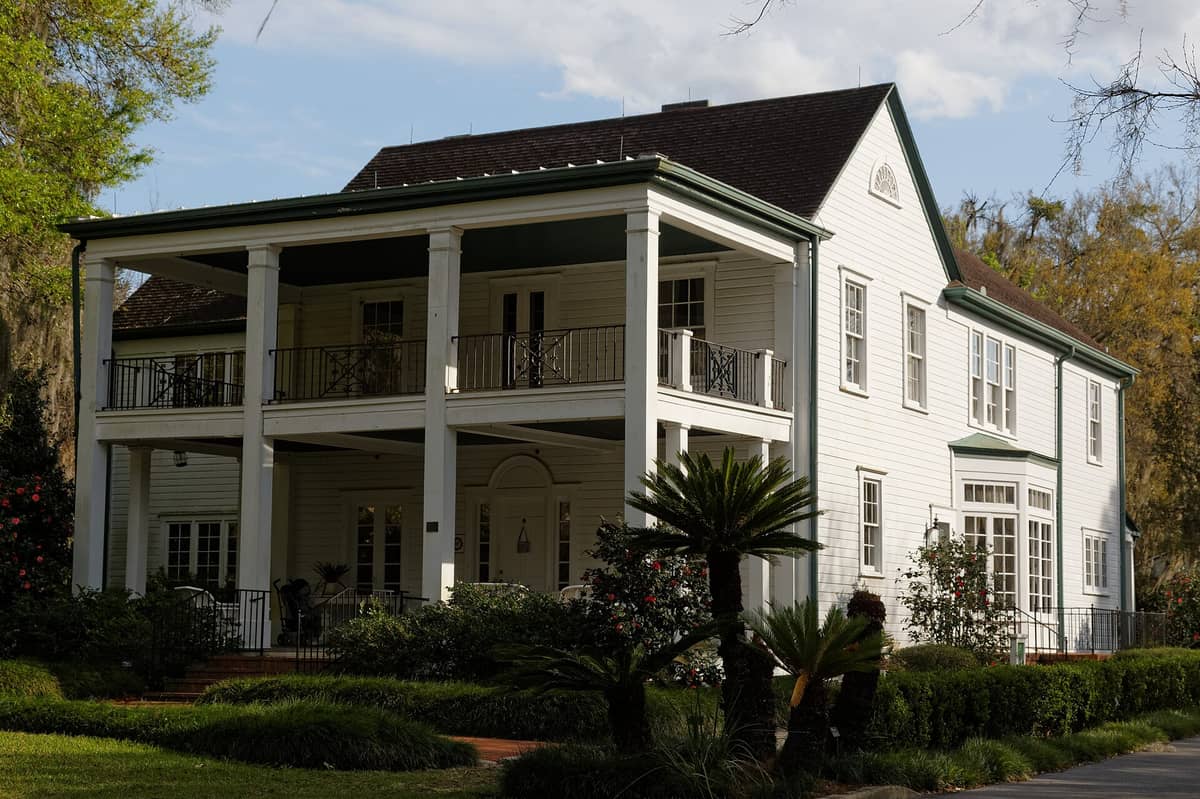
The land has a longer story than most Orlando attractions. Angeline and David W. Mizell first claimed and settled this property in 1858, farming cotton, corn, and sugar cane on ground that is now planted with tropical specimens. The farmhouse that stands on the property today was originally built in 1888 and is listed on the National Register of Historic Places, making it a notable surviving historic structure in the Orlando area.
Harry P. Leu, an Orlando businessman, and his wife Mary Jane purchased the property in 1936. Over the following decades they planted extensively, traveling internationally to source camellias, roses, and tropical specimens. In 1961, the Leus gifted the entire property to the City of Orlando. That civic gift is what visitors experience today: a landscape shaped by private passion and protected by public stewardship.
Tickets & tours
Hand-picked options from our booking partner. Prices are indicative; availability and final rates are confirmed when you complete your booking.
Busch Gardens Tampa Quick Queue Unlimited
From 86 €Free cancellationBusch Gardens Serengeti Safari Tour
From 48 €SeaWorld, Aquatica & Busch Gardens 2 & 3 Visit Tickets + Eat Free 2026
From 180 €Free cancellationCentral Florida Zoo and Botanical Gardens skip-the-line ticket
From 20 €Instant confirmation
Navigating the Garden Collections
The gardens are organized into distinct themed areas that flow into one another without rigid separation. The rose garden is among the largest in the American Southeast. In summer, the rose garden is present but noticeably less showy. Camellia season, which typically runs from October through March, is the moment when the collection is most photographically rewarding.
The tropical stream garden, the bamboo collection, and the areas along the Lake Rowena shoreline offer shade even at midday, which is practically important given Florida's climate. The palm and cycad collection, the butterfly garden, and the herb garden each occupy distinct zones and are clearly signed. The botanical labels throughout the grounds are legible and specific, which adds genuine educational value for anyone even mildly curious about plant identification.
If you are already exploring the broader downtown area, Harry P. Leu Gardens pairs well with a visit to Lake Eola Park, which sits closer to the urban core and offers a very different, more social atmosphere. The two together make a full morning in Orlando's green spaces.
The Historic Leu House Museum
The 1888 farmhouse operates as a guided tour museum, open Tuesday through Sunday from 10:00 a.m. to 1:00 p.m. The house is closed in July only. The guided format is the only way to enter the building, and tour groups are kept small, which makes the experience feel more personal than a typical attraction walkthrough.
The house interior reflects the domestic life of the Leu family during their ownership, with period furnishings and context provided by knowledgeable guides. For visitors interested in Florida social history or Victorian-era domestic architecture, the tour adds genuine depth to the overall visit. For visitors focused entirely on the gardens, skipping the house tour is a reasonable choice, though the building's exterior and immediate surroundings are worth pausing at regardless.
ℹ️ Good to know
Leu House Museum tours run Tuesday through Sunday from 10:00 a.m. to 1:00 p.m. and are closed in July only. Confirm current hours at leugardens.org before making the tour the focus of your visit.
Time of Day and Seasonal Considerations
Morning arrivals, particularly before 10:00 a.m. on weekdays, offer noticeably quieter conditions. The garden opens to the general public at 9:00 a.m., with members-only early access from 8:00 a.m. The sound of water, birdsong, and the faint smell of mulch and humid vegetation replace the ambient noise of city traffic almost immediately after entering. That transition is one of the more effective sensory resets available within Orlando's city limits.
Florida's summer heat, typically humid and intense from June through September, changes the experience significantly. By 11:00 a.m. in July or August, direct sun on open sections of the path becomes genuinely uncomfortable. The shaded canopy areas remain tolerable, but plan to carry water, wear sunscreen, and avoid mid-afternoon arrivals in summer. The gardens stay open until 5:00 p.m., and the last hour before closing on a cooler weekday afternoon can be surprisingly peaceful.
For a broader sense of how Orlando's climate shapes outdoor visit planning, the best time to visit Orlando guide breaks down seasonal trade-offs across the city's attractions.
Weekend mornings between October and March represent the garden's peak period in terms of both crowds and visual payoff. The combination of camellia and rose blooms, cooler temperatures, and lower humidity makes this the time when the gardens look closest to what you see in promotional photography. Expect more visitors during this window, but the grounds are large enough that it rarely feels congested.
Practical Details for Your Visit
The garden is open daily except Christmas Day, roughly 364 days a year. General hours are 9:00 a.m. to 5:00 p.m. Parking is available onsite at the entrance. LYNX bus service covers greater Orlando, and rideshare from downtown is straightforward, though checking service availability before relying on a specific transit option is advisable.
Accessibility is a genuine strength here. Pathways are smooth and paved throughout most of the grounds, connecting all major collections. The Welcome Center is ADA-compliant, restrooms are accessible, and complimentary wheelchairs are available at the Welcome Center on a first-come, first-served basis. Strollers move easily on the main paths. The gardens are one of the more genuinely accessible outdoor spaces in the Orlando area, not just nominally so.
Photography works best in the camellia and rose sections during morning light. Bring a wide-angle lens for the tree canopy sections near the lake, and a macro or close-up option for flower detail work. The grounds do not impose photography restrictions for personal use, and the botanical labels make reference shots straightforward. Tripods are cumbersome on paths shared with strollers and wheelchairs; hand-held shooting is typically more practical.
Visitors looking to extend their time in this part of Orlando can walk or drive to the East End Market, a local food hall in the Audubon Park neighborhood that makes a natural lunch stop after a morning in the gardens.
Who Should Recalibrate Their Expectations
Harry P. Leu Gardens is not the right stop for visitors who need interactive entertainment, structured programming, or the kind of high-stimulus engagement that Orlando's major attractions deliver. Children under eight may lose interest after 45 minutes unless they are genuinely curious about plants or have space to explore. The gardens are not a playground, and the pace is deliberately slow.
If your Orlando itinerary is already packed with theme park days at Magic Kingdom or EPCOT, Leu Gardens works best as a recovery day activity rather than a competing priority. It suits a different mood entirely.
Visitors expecting a world-class botanical garden on the scale of Longwood Gardens or the Royal Botanic Gardens at Kew should adjust expectations accordingly. The Leu collection is genuinely impressive for Florida and for a municipal operation of this size, but it is a regional botanical garden, not a national institution. What it does offer, particularly the camellia collection and the lakeside setting, it does with real quality.
Insider Tips
- The first Monday of each month is free admission day. Arrive close to 9:00 a.m. on those days because the free entry does draw a noticeably larger crowd than a typical weekday morning.
- The Lake Rowena shoreline path, often overlooked by visitors who stay on the central loop, offers the best light for photography in late afternoon when the sun is low and the water reflects through the cypress canopy.
- If you are visiting in camellia season (October through March), ask at the Welcome Center which sections are currently at peak bloom. The staff track this closely and will point you directly to the most photogenic areas that day.
- Bring your own water bottle. Florida heat makes hydration non-optional even on mild days.
- The house museum tours are limited in group size and can fill quickly on busy days. If the Leu House is a priority, arrive early and secure your tour slot before exploring the gardens.
Who Is Harry P. Leu Gardens For?
- Garden and plant enthusiasts, especially those interested in camellias, roses, and semi-tropical species
- Couples looking for a quiet, photogenic alternative to Orlando's high-energy attractions
- Families with children old enough to walk a full loop and engage with nature without structured entertainment
- Photographers seeking natural light, botanical subjects, and lakeside landscape compositions
- Visitors who want a full morning of outdoor exploration that does not involve a theme park queue
Nearby Attractions
Other things to see while in Downtown Orlando:
- Church Street Station
Church Street Station is a National Register-listed railroad depot turned entertainment district in the heart of downtown Orlando. Built in 1889, the complex anchors a walkable strip of bars, restaurants, and event venues that draws both locals and visitors looking for a night out beyond the theme park corridor.
- Lake Eola Park
Lake Eola Park sits at the heart of downtown Orlando, wrapping a scenic lake with paved walking paths, swan boats, a landmark fountain, and regular community events. Admission is free, the pace is relaxed, and the setting offers a rare glimpse of Orlando beyond the theme parks.
- Mennello Museum of American Art
Tucked inside Loch Haven Cultural Park on the edge of Lake Formosa, the Mennello Museum of American Art offers one of Orlando's most focused and rewarding cultural experiences. It centers on an extraordinary permanent collection of works by folk artist Earl Cunningham, surrounded by rotating exhibitions and a lakeside setting that rewards a slow, unhurried visit.
- Orange County Regional History Center
Housed in a beautifully preserved historic courthouse in the heart of downtown Orlando, the Orange County Regional History Center takes visitors from prehistoric Central Florida through the theme park era and beyond. At $10 for adults, it is one of downtown's most substantive and underrated cultural stops.