Wells' Built Museum of African American History and Culture: Orlando's Most Important Small Museum
Housed in a segregation-era hotel that once welcomed Black travelers and performers shut out of mainstream Orlando, the Wells' Built Museum of African American History and Culture tells a story most visitors to this city never hear. It is compact, community-run, and quietly essential.
Quick Facts
- Location
- 511 W South St, Orlando, FL 32805 — Parramore neighborhood, just west of downtown
- Getting There
- Free LYMMO Grapefruit Line downtown circulator serves Parramore and the museum area; about a 6-minute walk from Church Street Station
- Time Needed
- 1 to 1.5 hours for a thorough visit
- Cost
- Approx. USD 5 adults / USD 3 seniors and students; joint ticket with Orange County Regional History Center available for USD 10 (valid one year from date of purchase)
- Best for
- History enthusiasts, civil rights travelers, educators, and anyone who wants to understand Orlando beyond the theme parks
- Official website
- www.wellsbuilt.org
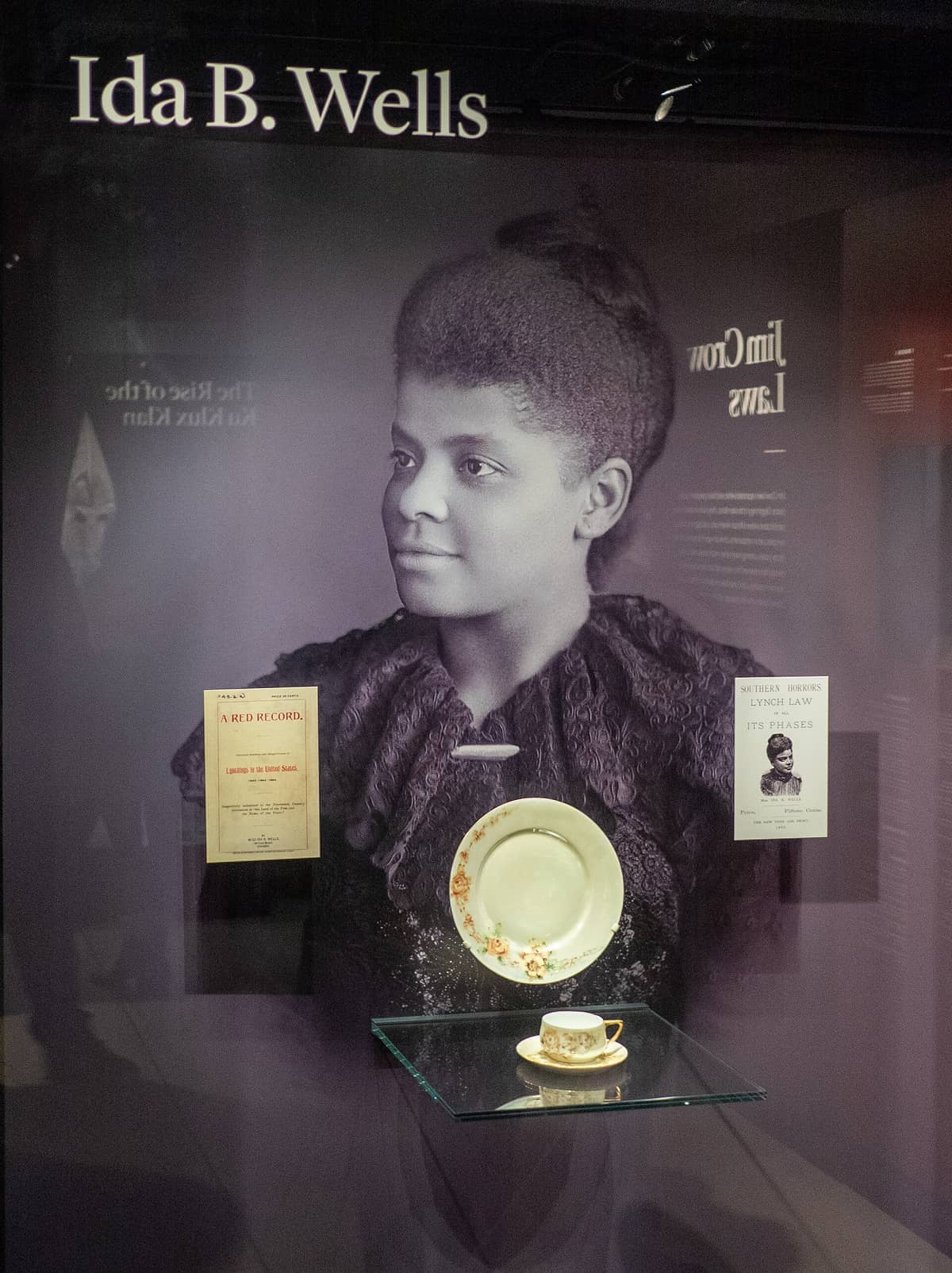
Why This Museum Matters
The Wells' Built Museum of African American History and Culture occupies one of the most historically loaded buildings in Central Florida. Before the Civil Rights Act, when Orlando's hotels and restaurants were closed to Black guests, Dr. William Monroe Wells built his own. The Wells' Built Hotel at 511 W South Street became a lifeline for African American travelers, professionals, and entertainers passing through a segregated city. Jazz legends and civil rights figures passed through its doors. The building survived. The museum it now houses makes sure the story does too.
This is not a polished, multimillion-dollar institution. It is a community-run museum with genuine artifacts, earnest curation, and a subject matter that puts Orlando's popular-culture image into uncomfortable and necessary context. The experience is intimate in a way that larger museums rarely achieve.
ℹ️ Good to know
The museum is open Monday through Friday, 9:00 a.m. to 5:00 p.m., and on the second weekend of every month (Saturday 9:00 a.m. to 5:00 p.m. and Sunday 12:00 p.m. to 5:00 p.m.). It is otherwise closed on weekends. Confirm hours directly with the museum before visiting, especially around holidays or special events.
The Building Itself: A Hotel Born Out of Necessity
Dr. William Monroe Wells was a Black physician and entrepreneur who recognized that African American visitors to Orlando during the Jim Crow era had nowhere to stay. White-owned hotels refused them, and the city offered no alternative. Wells built the Wells' Built Hotel in the Parramore neighborhood as a direct response to that exclusion. It was not a compromise or a workaround. It was a statement.
The building is modest in scale by contemporary standards, a two-story structure that reads as quietly dignified rather than grand. Standing outside it today, on West South Street, the weight of what it represented is easy to miss unless you know what you are looking at. Once you do, the plainness of the exterior becomes part of the point. This was practical, community-built infrastructure during a period when Black Floridians had to construct their own parallel economy to survive.
The Parramore neighborhood surrounding the museum has changed significantly since the hotel's heyday. It remains a historically Black neighborhood, now adjacent to downtown Orlando's office core and sports venues. Walking from Church Street Station, which takes roughly six minutes on foot, you cross a visible boundary between the polished downtown streetscape and the quieter, older residential and civic fabric of Parramore. That walk is worth paying attention to.
Tickets & tours
Hand-picked options from our booking partner. Prices are indicative; availability and final rates are confirmed when you complete your booking.
Pirates Cove Adventure Mini Golf
From 18 €Instant confirmationFree cancellationWild Florida 1-hour airbot adventure with transportation
From 107 €Instant confirmationFree cancellationKids Eat Free Card Orlando
From 28 €Instant confirmationFree cancellationManatees swimming and snorkelling experience by boat from Orlando
From 85 €Instant confirmationFree cancellation
Inside the Museum: What the Exhibits Cover
The museum's collection focuses on Black Orlando history, the cultural life of Parramore, and the broader civil rights struggle in Central Florida. Exhibits include photographs, personal effects, newspaper clippings, and artifacts that document the lives of African Americans in a city that mainstream history has often reduced to theme parks and sunshine.
The scale is small enough that a single visit covers everything. There are no overwhelming wing-by-wing itineraries to plan. What the museum offers instead is depth: the kind of focused storytelling that comes from a community that has been keeping its own records because no one else was going to do it. Photographs of Parramore at its social and commercial peak, when the neighborhood had its own theaters, businesses, and civic institutions, sit alongside documentation of displacement and urban renewal policies that dismantled much of that infrastructure in the mid-twentieth century.
Staff and volunteers at the museum are often knowledgeable about the local history in specific, personal ways. If you arrive during a quieter midweek morning, the conversation that can develop around a photograph or artifact is frequently the most valuable part of the visit. Ask questions. The exhibits reward engagement more than passive reading.
💡 Local tip
The joint ticket with the Orange County Regional History Center costs USD 10 and is valid for one year from date of purchase. If you plan to visit both in the same trip, the LYMMO Grapefruit Line connects them for free, making it a natural pairing for a single afternoon of Orlando history.
Getting There and Timing Your Visit
The museum is on West South Street in Parramore, reachable without a car. The free LYMMO Grapefruit Line downtown circulator serves Parramore, the History Center/Library, and SunRail, and the nearest SunRail access is Church Street Station, roughly a six-minute walk away. Street parking is available in the surrounding blocks if you are driving.
Midweek mornings, particularly Tuesday through Thursday before noon, tend to be the quietest times. The museum is small, so even a modest school group can fill the space and change the atmosphere considerably. If you are visiting the Orange County Regional History Center on the same day, plan the Wells' Built visit first, then walk or ride the LYMMO to the History Center afterward while the material is fresh.
Saturday visits are generally available on the second weekend of each month during regular museum hours, or by group appointment on other Saturdays. If you are traveling with a larger party, or if you have accessibility requirements, contact the museum directly in advance. There is no detailed public accessibility statement available, so visitors with specific mobility or sensory needs should call or email ahead to confirm what arrangements can be made.
Orlando's summer heat, typically running from June through September, makes any outdoor walking between downtown and Parramore uncomfortable by midday. If you are combining this with nearby Lake Eola Park or the downtown Orlando area, plan the museum visit early in the morning and save outdoor time for late afternoon.
Honest Assessment: What This Museum Is and Is Not
This is a genuine community museum with real historical importance. It is not a slick production. The displays are not interactive in the way that Orlando's larger cultural institutions tend to be. There is no gift shop loaded with branded merchandise, no app-guided experience, and no air of theatrical presentation. What is here is the thing itself: a historically significant building, carefully preserved artifacts, and a story about Black Floridian life that deserves to be told clearly.
Visitors who come expecting the production values of a large urban history museum may feel underprepared for the intimacy of the space. That is not a flaw. It is the character of the place. The museum functions as a living document of a community's effort to preserve its own record, and the modesty of the operation reflects both the constraints that community has faced and the dedication that has kept the museum open.
Who should skip it: travelers with very young children who need kinetic, hands-on exhibits may find the format difficult to hold attention. Visitors with fewer than 45 minutes to spare might feel rushed in a context where the material benefits from a slower pace. And anyone purely chasing theme park-adjacent entertainment is in the wrong neighborhood. For everyone else, this is one of the most honest and substantive cultural stops in Central Florida.
Pairing This Visit: Building a Meaningful Half-Day
The Wells' Built Museum fits naturally into a broader exploration of Orlando's non-theme-park identity. The Orange County Regional History Center in downtown Orlando covers the wider regional story and shares a joint ticket with Wells' Built, making the two a complementary pair. The LYMMO shuttle between them is free.
For visitors interested in African American cultural heritage more broadly, the Zora Neale Hurston Museum in Eatonville, a short drive north of Orlando, documents the life of one of America's most significant Black writers and the town she came from, which was the first incorporated Black municipality in the United States. Combining the two in a single day creates one of the most substantive cultural itineraries available in the Orlando area.
If you are building a longer stay around Orlando's cultural and historical side, the guide to Orlando without Disney covers a range of options that hold up well alongside a visit to Wells' Built.
Insider Tips
- Arrive on a weekday morning rather than a Friday afternoon. The museum is small, and a quiet visit with attentive staff is a fundamentally different experience from a crowded one.
- The joint ticket with the Orange County Regional History Center at USD 10 is valid for one full year from the date of purchase. If you plan a return trip to Orlando, this ticket means you can revisit either institution without paying again.
- Group visits on off-weekend Saturdays can be scheduled by appointment. If you are traveling with a school group, community organization, or book club, contact the museum in advance. These appointments often come with more contextual presentation than a standard drop-in visit.
- The walk from Church Street Station through Parramore to the museum is itself informative. The neighborhood reflects both the history the museum documents and the ongoing pressures of urban development in Orlando. Give yourself a few extra minutes to observe rather than rushing straight to the entrance.
- Photography policies inside small community museums can vary and change. Ask at the front when you arrive rather than assuming either way.
Who Is Wells' Built Museum of African American History and Culture For?
- Travelers who want to understand Orlando as an actual city with its own civil rights history, not just a theme park destination
- Educators and students looking for on-site primary source material about Black Florida and Jim Crow-era history
- History enthusiasts who appreciate intimate, community-maintained collections over large institutional productions
- Visitors combining a half-day downtown Orlando cultural itinerary using the free LYMMO shuttle
- Travelers exploring African American heritage sites across Florida as part of a broader trip
Nearby Attractions
Other things to see while in Downtown Orlando:
- Church Street Station
Church Street Station is a National Register-listed railroad depot turned entertainment district in the heart of downtown Orlando. Built in 1889, the complex anchors a walkable strip of bars, restaurants, and event venues that draws both locals and visitors looking for a night out beyond the theme park corridor.
- Harry P. Leu Gardens
Harry P. Leu Gardens is a 50-acre botanical garden owned by the City of Orlando, set beside Lake Rowena near the Audubon Park neighborhood. With one of the largest rose gardens in the Southeast, a historic 1888 house museum, and miles of accessible paved paths through semi-tropical landscape, it offers a genuinely unhurried counterpoint to Orlando's theme park circuit.
- Lake Eola Park
Lake Eola Park sits at the heart of downtown Orlando, wrapping a scenic lake with paved walking paths, swan boats, a landmark fountain, and regular community events. Admission is free, the pace is relaxed, and the setting offers a rare glimpse of Orlando beyond the theme parks.
- Mennello Museum of American Art
Tucked inside Loch Haven Cultural Park on the edge of Lake Formosa, the Mennello Museum of American Art offers one of Orlando's most focused and rewarding cultural experiences. It centers on an extraordinary permanent collection of works by folk artist Earl Cunningham, surrounded by rotating exhibitions and a lakeside setting that rewards a slow, unhurried visit.