Split to Dubrovnik: Ferry, Bus & Road Trip Guide
Three realistic ways to travel from Split to Dubrovnik, each with different trade-offs. This guide breaks down ferry schedules, bus operators, driving logistics, and seasonal factors so you can book the right option for your trip.
Plan and book this trip
Tools from our partner Travelpayouts help you compare flights and hotels. If you book through them, we may earn a commission at no extra cost to you.
Flights
Hotels map
TL;DR
- The bus is the cheapest option: around €20 and 3.75 to 4.5 hours depending on the route.
- Ferries take 5.5 to 6 hours but include island stops at Hvar and Korčula, making them the better scenic choice.
- Ferry season runs late April to late October only. Outside that window, bus or car are your only realistic options. See the best time to visit Split if you're planning around ferry availability.
- Split Bus Station sits about 500m from the Old Town, adjacent to the ferry port, so switching between options is easy.
- If you have extra days, consider breaking the journey with an overnight stop on Hvar Island rather than doing the full route in one shot.
Understanding the Route Before You Book
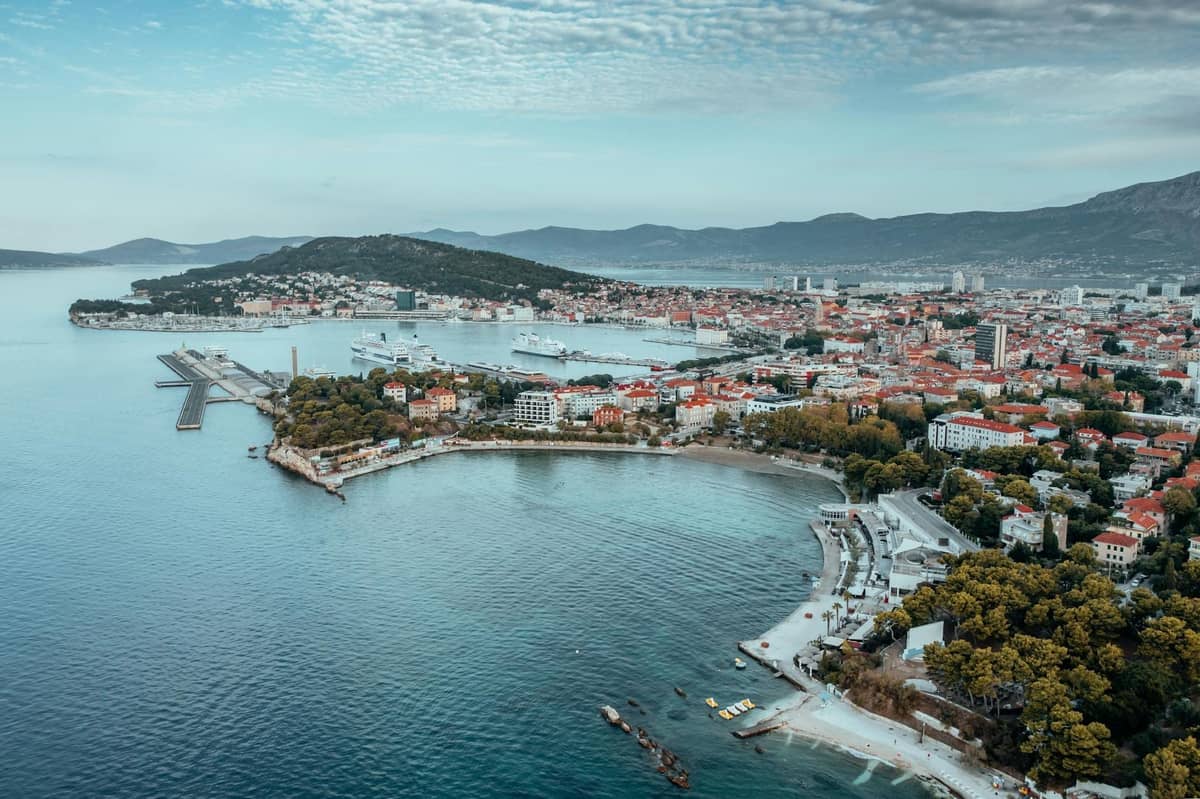
Split to Dubrovnik is one of the most traveled routes in the Adriatic, and it attracts crowds precisely because both cities are worth the effort. The distance by road is roughly 230 km, but the actual journey time varies enormously depending on your mode of transport and the time of year. In July and August, coastal roads can back up significantly, turning a 3.5-hour drive into a 5-hour crawl. Factor that into any itinerary that relies on hitting a ferry or a timed connection.
There is also a geographic quirk worth knowing: the coastal road between Split and Dubrovnik briefly passes through Bosnia and Herzegovina near Neum, because the Neretva delta region is Bosnian territory. Since Croatia joined the Schengen Area in January 2023, travelers usually pass through without stopping, but non-EU travelers may face brief document checks. The Pelješac Bridge, opened in 2022, bypasses this border crossing entirely and is now the standard route for most buses and drivers.
ℹ️ Good to know
Non-EU travelers: carry your passport for the Neum border crossing if your bus takes the old coastal road. Most modern routes use the Pelješac Bridge and skip Bosnia entirely, but confirm with your operator before departing.
Taking the Ferry: Scenic but Slow
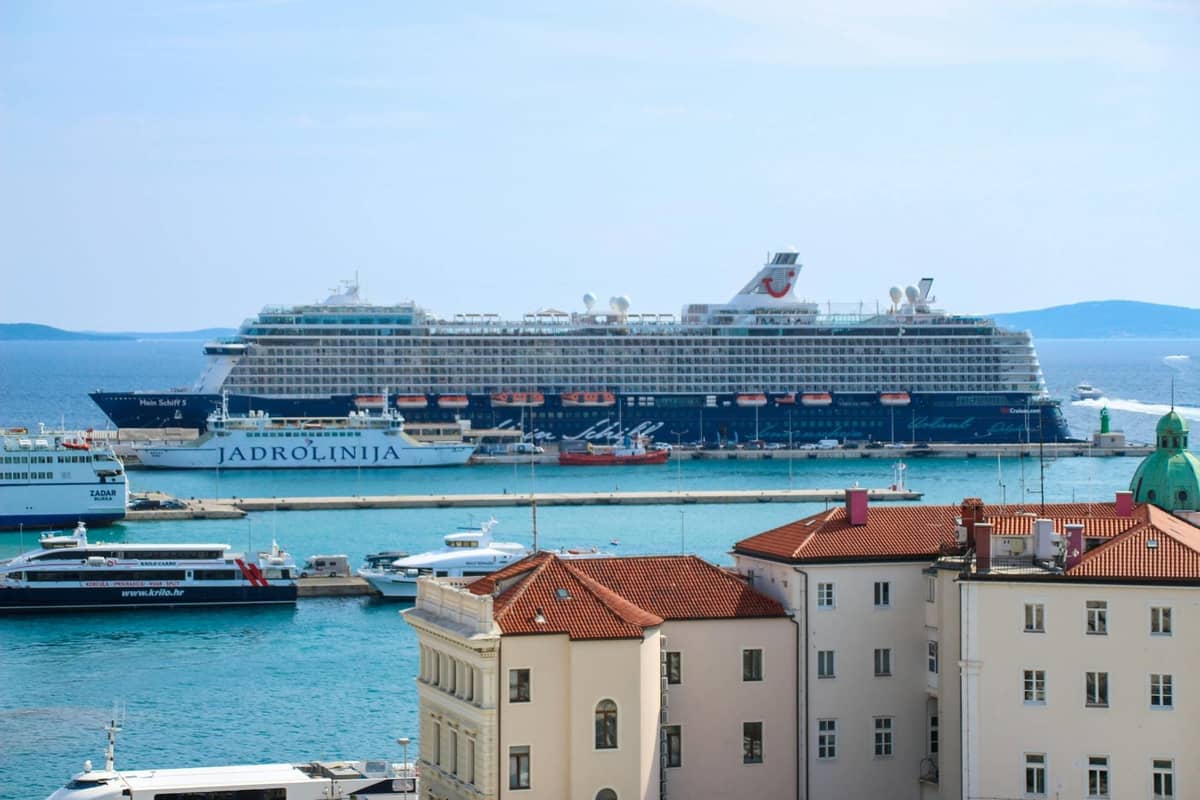
The catamaran ferry is the most atmospheric way to make the Split to Dubrovnik journey. Three main operators run the route: Jadrolinija, Krilo-Kapetan Luka, and TP Line. All services stop at islands along the Dalmatian coast, which is both a selling point and a time cost. If you want to step off the boat and spend a night on Hvar or Korčula, this is the option that allows it without paying for a separate ticket.
- Krilo Departs Split at 8:45 AM, arrives Dubrovnik at approximately 2:05 PM. Tickets around €50 per adult.
- TP Line Departs Split at 9:15 AM, arrives Dubrovnik at approximately 2:35 PM. Tickets around €48 per adult.
- Jadrolinija Afternoon departure at 3:30 PM, arrives Dubrovnik around 9:25 PM. Tickets €45–50. Better for travelers who want a full morning in Split.
Ferry season typically runs from late April through late October, with multiple daily departures at peak summer. Outside this window, catamaran services generally stop. Tickets can sell out fast in July and August, sometimes days in advance, so book as soon as your dates are confirmed. Use Omio or book directly through operator websites. Watch for foreign exchange fees if your card charges for Euro transactions.
⚠️ What to skip
The ferry is the worst choice if you get seasick easily or if the weather is rough. The Adriatic can be choppy between July and September when the Bura wind picks up. Check sea conditions before departure. Catamarans offer no outdoor deck for fresh air, which makes motion sickness worse.
For travelers who want to turn this into a proper island-hopping itinerary, buying individual ferry legs separately gives you flexibility to spend a night or two on an island before continuing south. This costs more than a direct ticket but transforms a transit leg into an experience in itself.
Taking the Bus: Cheapest and Most Practical
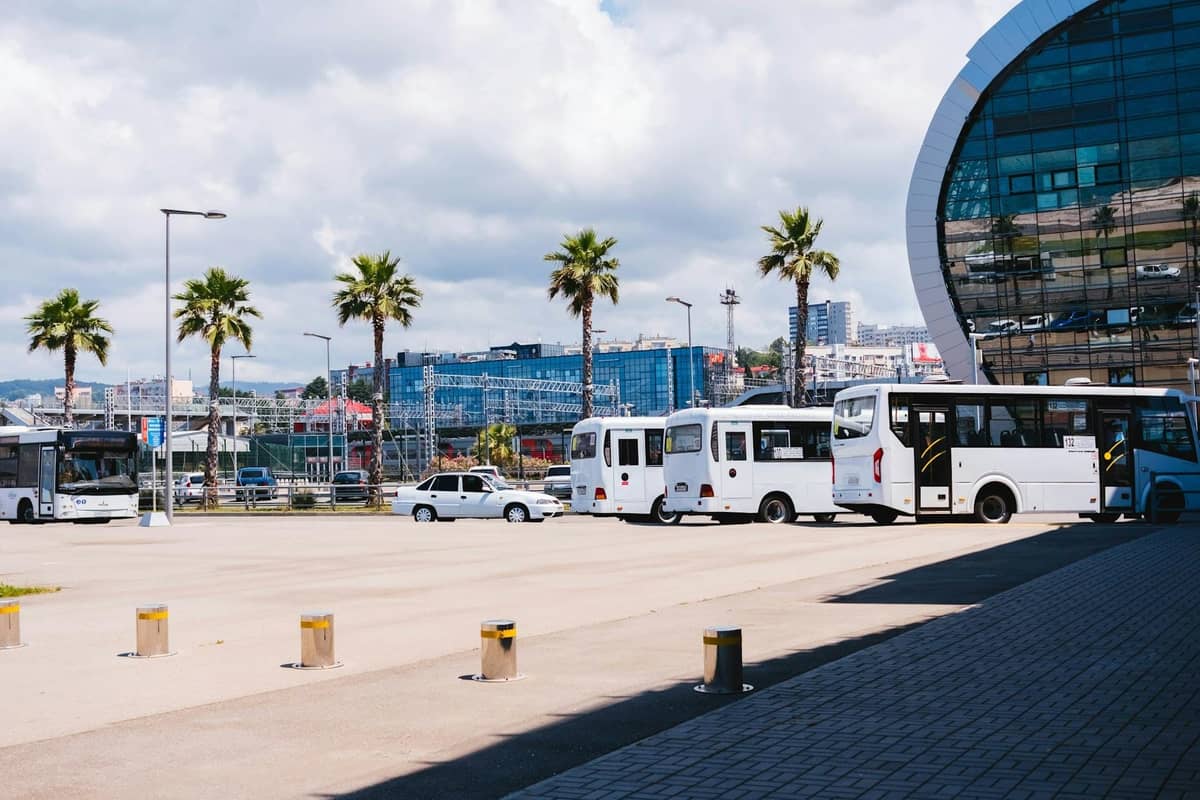
For most travelers, the bus wins on pure practicality. Tickets cost around €20, services run year-round, and departure times are spread throughout the day, giving you real flexibility on when you leave. Around 10 to 20 daily departures operate depending on the season, with FlixBus among the most recognizable operators among several Croatian bus companies serving the route.
Journey time splits between two route types. Highway routes via the Pelješac Bridge can take approximately 3 hours 45 minutes. Coastal routes through the Makarska Riviera take closer to 4.5 hours but offer views of the sea and the coastal towns. During summer, more buses use the scenic coastal road, partly because demand allows for slower services. Brief stops at Makarska and Ploče are common on some routes.
💡 Local tip
Arrive at Split Bus Station at least 15 to 20 minutes before departure. The station sits directly adjacent to the ferry terminal, roughly 500m from the Old Town walls. Buses have separate luggage compartments below the cabin, so you can travel with a full-size suitcase without problems.
- Book in advance for July and August departures, especially on the popular morning slots.
- Coastal route buses offer better scenery but longer journey times. If you're doing this ride during daylight, it's worth the extra 45 minutes.
- Bring snacks and water. Onboard amenities vary by operator, and stops are short.
- Seats on the left side of the bus (when heading south) tend to face the sea on coastal routes.
- Croatian bus companies rarely allow changes or refunds. Double-check your dates before confirming.
Driving Your Own Car or Renting
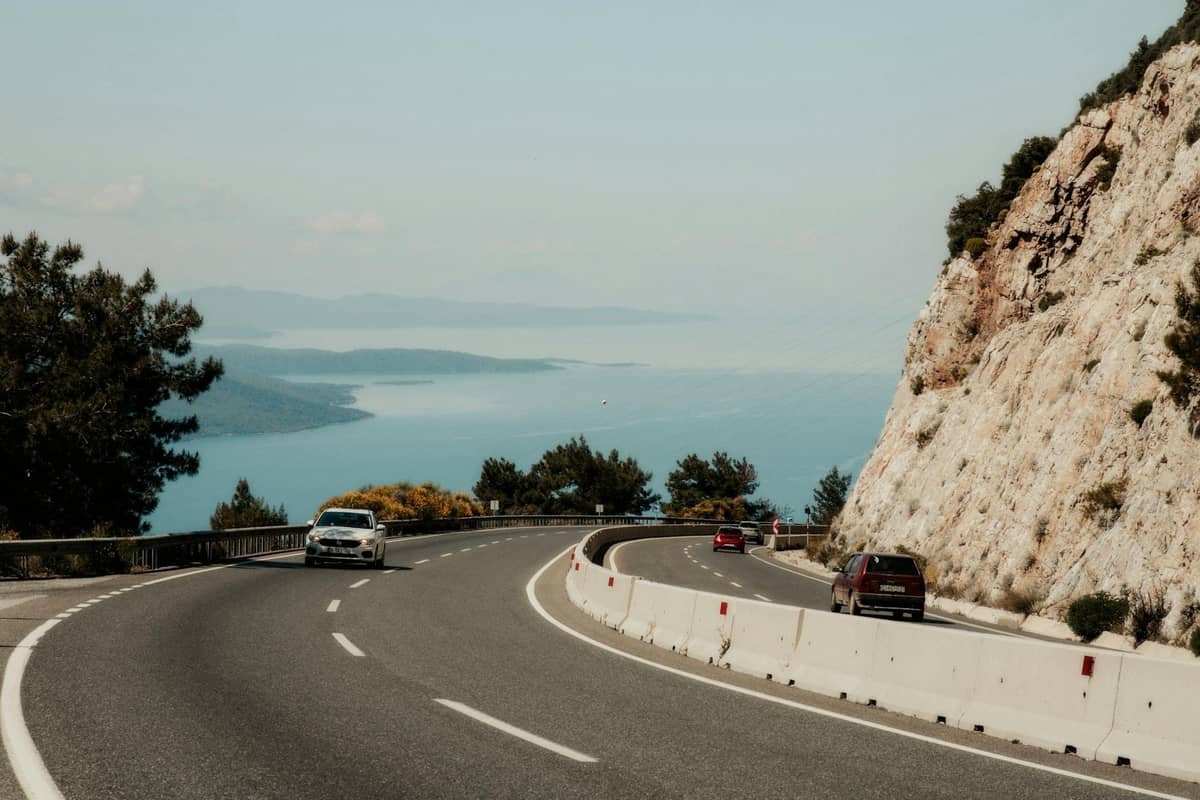
Renting a car gives you the most freedom, particularly if you plan to stop at the Makarska Riviera, Pelješac Peninsula, or Ston along the way. The drive takes roughly 3 to 3.5 hours without stops under normal conditions, though summer traffic on the coastal sections adds unpredictable time. Fuel costs and tolls are additional, and parking in Dubrovnik's Old Town area is genuinely difficult and expensive.
If you're combining a road trip with day trips from Split to places like Krka National Park or the Dalmatian interior, picking up a rental car for the full stretch makes more sense than relying on scheduled transport. Most major rental companies operate from Split Airport (SPU), located about 24 km northwest of the city center in Kaštela. Return vehicles in Dubrovnik are possible but may carry a one-way drop-off surcharge, so compare rates carefully.
The drive south on the Magistrala coastal road is genuinely beautiful in sections, particularly around the Biokovo mountain backdrop near Brela and Baška Voda. Plan to stop at Makarska for a coffee at minimum. Stone walls, cypress trees, and turquoise coves make this one of the better drives in Croatia, but only if you're not stuck in a traffic queue behind a tour bus.
Which Option Is Right for You
There is no objectively best option, only the right one for your priorities. Here is a practical breakdown based on common traveler situations.
- Traveling on a budget Take the bus. Around €20 per person, year-round availability, no booking fees on most platforms. FlixBus and local Croatian operators both work well.
- Traveling with a family or large group A rental car becomes cost-competitive quickly when you factor in multiple bus or ferry tickets. Driving also lets you stop for food and breaks on your own schedule.
- Traveling in summer and want the scenic route The morning catamaran ferry is worth the premium. The island stops break up the journey, and arriving in Dubrovnik by early afternoon leaves the rest of the day free.
- Traveling outside summer (November to March) The bus is your only reliable option. The ferry does not operate. The drive is fine but check weather forecasts as the Bura wind can make coastal roads feel exposed.
- Slow travel, multiple nights en route Buy separate ferry legs and spend a night on Hvar or Korčula. More expensive and requires more planning, but turns the journey into a real trip.
Travelers planning more time in the region should also consider the broader day trips from Split and build in extra days before committing to the Dubrovnik leg. Split rewards slower travel, and rushing straight to Dubrovnik misses a lot of what makes the Dalmatian coast worth visiting in the first place.
Practical Logistics: Terminals, Timing, and Booking
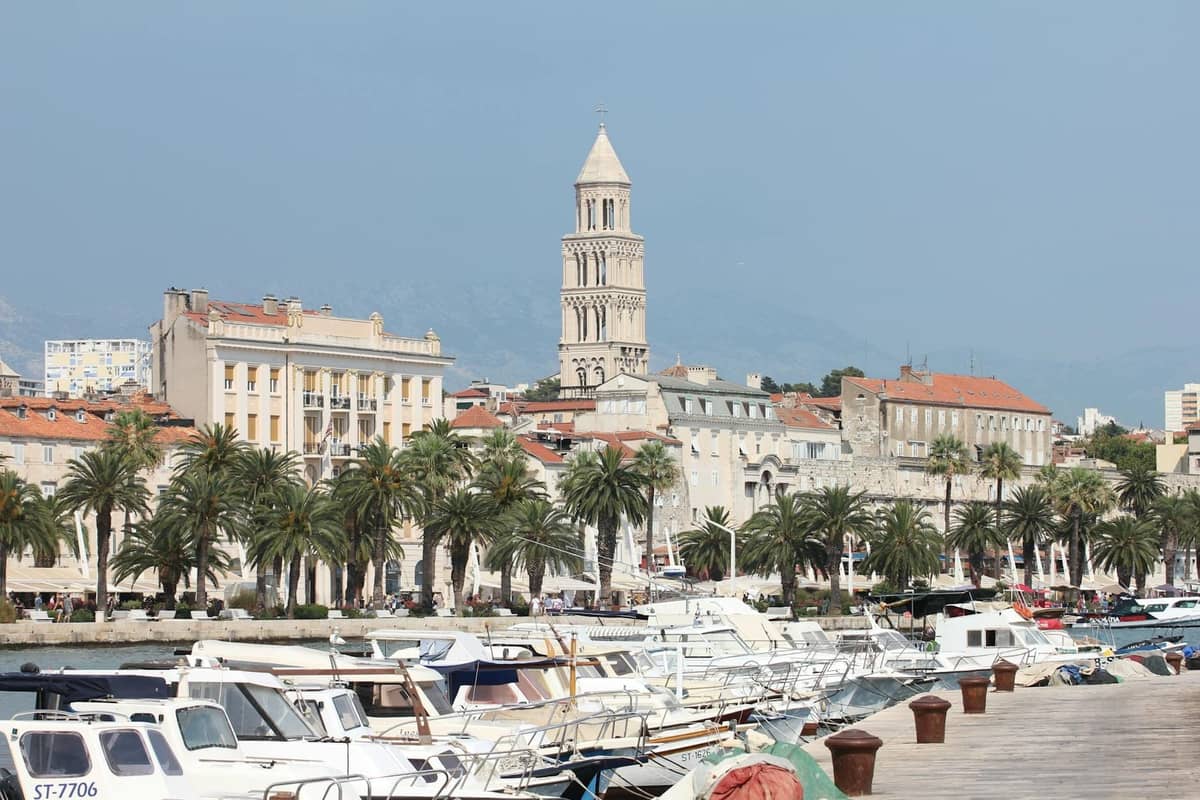
Both the bus station and ferry port in Split are located in the same complex near Gat Sv. Duje, just east of the Old Town. This is genuinely convenient: you can walk from Diocletian's Palace to your departure terminal in under 10 minutes. In Dubrovnik, buses arrive at Dubrovnik Bus Station in Gruz, roughly 3 km from the Old Town. From there, local buses 1A and 1B run to Pile Gate (Old Town entrance) throughout the day. Ferries arrive at Dubrovnik Port in Gruz as well.
For booking, Omio aggregates both bus and ferry options in one place and is the simplest starting point. For ferries specifically, Jadrolinija's own website and the Krilo website tend to have the most up-to-date availability. For buses, the Croatian bus portal GetByBus is thorough. If you're building a full itinerary around Split, the 3 days in Split itinerary gives a useful framework for what to fit in before you head south.
✨ Pro tip
If you're taking a morning ferry, spend the previous evening on the Riva promenade rather than trying to rush sightseeing on departure day. The ferry terminal is a short walk from the waterfront, but lines for catamaran boarding can form 30 to 40 minutes before departure in peak summer.
FAQ
How long does the ferry from Split to Dubrovnik take?
The catamaran ferry takes approximately 5.5 to 6 hours with island stops along the way. There is no direct non-stop ferry service. Most ferries stop at Hvar, Korčula, or both before reaching Dubrovnik.
How much does the bus from Split to Dubrovnik cost?
Bus tickets typically cost around €20 per person. Prices vary slightly by operator and departure time. FlixBus and several Croatian operators run the route, and booking in advance is recommended during summer months.
Is the ferry or bus better for the Split to Dubrovnik route?
It depends on your priorities. The bus is faster (3.75 to 4.5 hours), cheaper (around €20), and runs year-round. The ferry is slower (5.5 to 6 hours) and costs more (€45 to €50) but includes island stops and sea views. The ferry only operates from late April to late October.
Can I take the ferry from Split to Dubrovnik in winter?
No. Catamaran ferry services on the Split to Dubrovnik route typically run late April through late October only. In winter, buses and rental cars are the only practical options.
Does the road from Split to Dubrovnik cross the Bosnia border?
It used to. The old coastal road near Neum passed through a short section of Bosnia and Herzegovina. Since the Pelješac Bridge opened in 2022, most buses and drivers use this route and stay entirely within Croatia. However, if your bus uses the old road, carry your passport as non-EU travelers may face a brief document check.