Shopping in Dubai: Malls, Souks & What to Buy
Dubai is one of the world's great shopping cities, but knowing where to go makes all the difference. This guide covers the major malls, traditional souks, seasonal sales events, and the best things to actually buy — with practical details on hours, prices, and how to navigate it all.
TL;DR
- Dubai shopping divides into two worlds: air-conditioned megamalls and historic creek-side souks — both are worth your time, for very different reasons.
- The Dubai Mall is the largest mall in the world by total area and anchors the Downtown shopping scene alongside the Dubai Fountain.
- Traditional souks — Gold, Spice, Textile, and Perfume — are in Deira and Bur Dubai. Bargaining is expected; starting prices can be 30–50% above what sellers will accept.
- The Dubai Shopping Festival (DSF), held each December to January, brings citywide discounts and events. Read our Dubai Shopping Festival guide for the full breakdown.
- All prices are in UAE dirhams (AED). At the time of writing, 1 USD is roughly 3.67 AED — the dirham is pegged to the dollar.
Dubai's Major Malls: What Each One Is Actually For
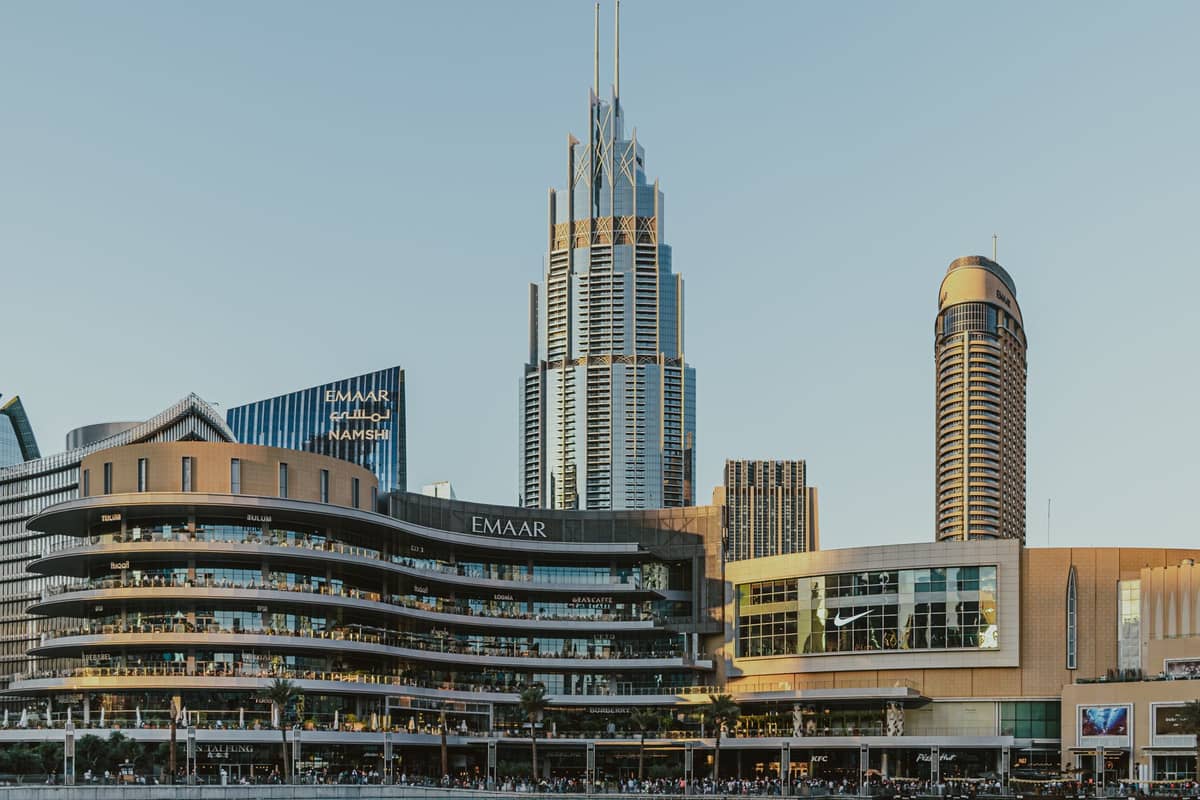
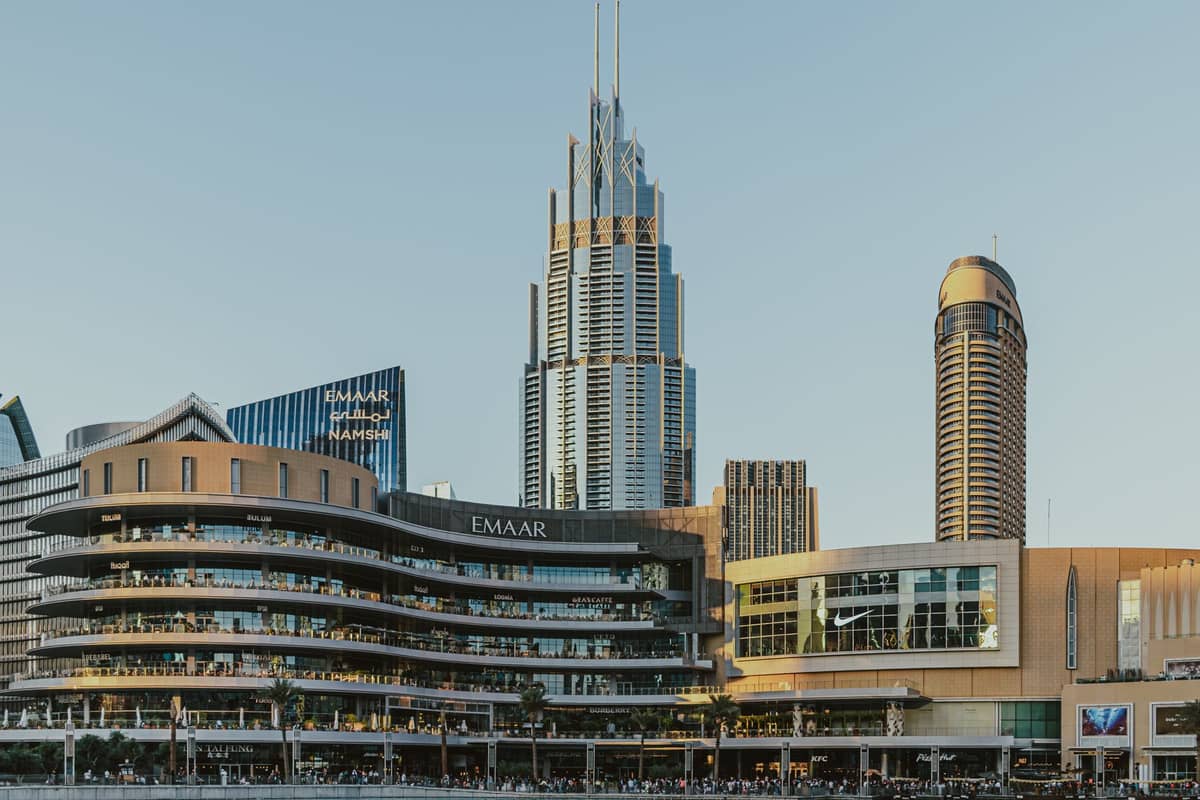
Dubai has over 60 shopping malls, which sounds overwhelming until you realize most visitors only need three or four. The Dubai Mall in Downtown Dubai is the obvious anchor. With over 1,200 stores, an indoor ice rink, the Dubai Aquarium, and direct access to the Dubai Fountain and Burj Khalifa plaza, it functions as much as a destination as a shopping centre. Plan at least three to four hours here, and account for crowds — weekends and evenings get genuinely packed.
Mall of the Emirates in Al Barsha is the better choice if you want serious retail without the tourist spectacle. It has a strong mix of high-street and luxury brands, a cinema, and Ski Dubai — an indoor ski slope that remains one of Dubai's more legitimately impressive novelties. For fashion-forward shoppers, City Walk and the Dubai Design District (d3) offer a more curated, open-plan alternative to the classic mall format.
Ibn Battuta Mall is worth knowing about if you're staying near Dubai Marina or Jumeirah Lakes Towers — it's large, far less crowded than Dubai Mall, and divided into themed courts (China, India, Persia, Egypt, Andalusia, Tunisia) that make it oddly interesting to walk through. At the other end of the spectrum, Souk Madinat Jumeirah isn't a traditional mall at all: it's an architecturally impressive open-air retail complex built to resemble a traditional Arabian souk, with shops open 10:00–23:00 and restaurants until 02:00. The waterway setting and views of Burj Al Arab give it a character no standard mall can match.
💡 Local tip
Dubai Mall opening hours vary by season and during Ramadan. Always check the official thedubaimall.com site before visiting. The mall's ground floor entrances near the Burj Khalifa Metro link station are the least congested entry points during peak hours.
- Dubai Mall (Downtown Dubai) Biggest selection, highest footfall. Best for luxury brands, family activities, and the spectacle of the Dubai Fountain.
- Mall of the Emirates (Al Barsha) Strong fashion and lifestyle retail. Less tourist-heavy. Home to Ski Dubai for a surreal mid-shopping detour.
- City Walk (Jumeirah) Open-plan district rather than a traditional mall. Good for mid-range dining and fashion. More pleasant to walk in cooler months.
- Ibn Battuta Mall (near Marina) Convenient for western Dubai stays. Large, uncrowded, and genuinely quirky themed architecture.
- Souk Madinat Jumeirah (Umm Suqeim) Not a real souk, but atmospheric and well-curated. Better for gifts, dining, and the setting than serious bargain hunting.
The Traditional Souks: Gold, Spice, Textile, and Perfume
The souks of Deira and Bur Dubai are where Dubai's trading identity was built, and they still function as working markets rather than tourist reconstructions. The Gold Souk in Deira is the most famous: roughly 300 retailers displaying gold, diamonds, and precious stones in a covered arcade. The density of gold on display is genuinely staggering — Dubai's gold prices are competitive internationally because import duties are low and margins are transparent. Prices are set by daily international gold rates, so the metal itself isn't negotiable, but workmanship charges and total piece prices often are.
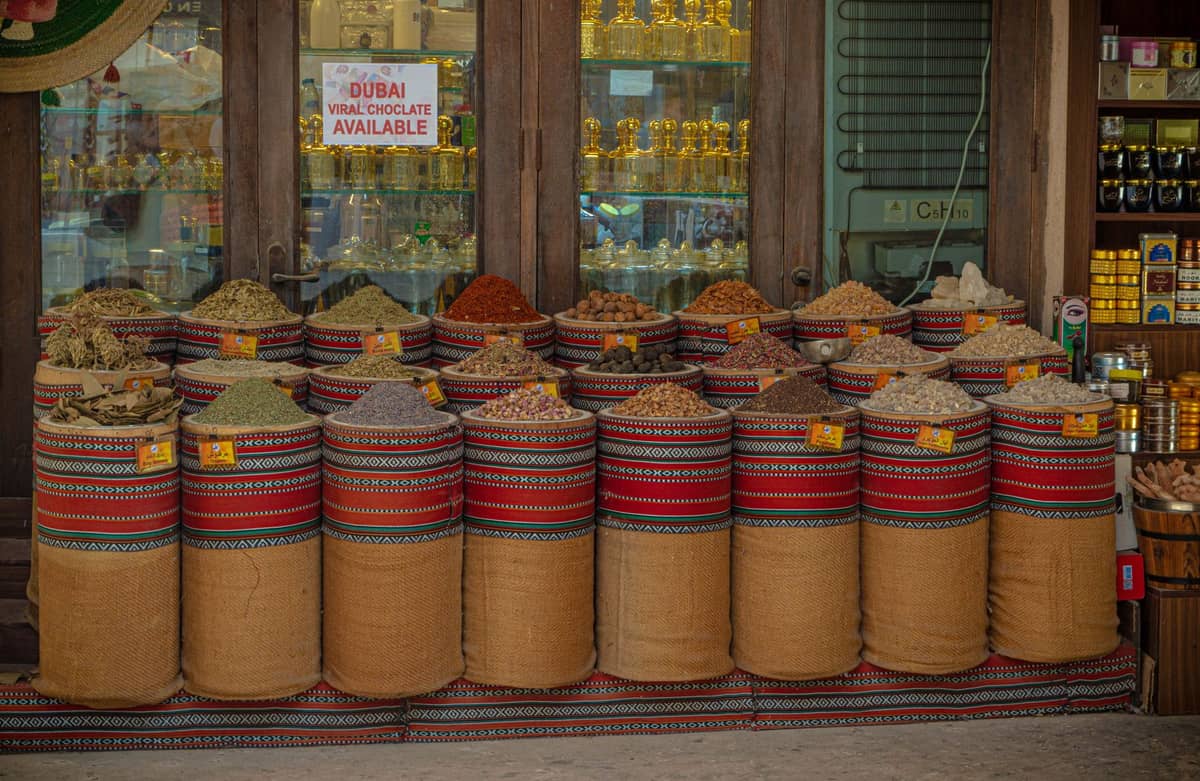
A short walk from the Gold Souk, the Spice Souk sells saffron, dried limes, frankincense, turmeric, rose water, and dozens of other spices and herbs in open sacks. It's compact and aromatic, best visited in the morning before the heat builds. Prices are reasonable, and small bags of high-quality saffron or a selection of dried spices make excellent, lightweight souvenirs. The Textile Souk in Bur Dubai carries silk, pashminas, cotton, and embroidered fabrics at negotiable prices — useful if you're having clothes made locally or want fabric by the metre. Current reported hours for the Gold and Spice Souks are around 10:00–22:00, with Friday openings from around 16:00; the Textile Souk typically opens from around 09:00.
The Perfume Souk, also in Deira near the Gold Souk, specialises in oud (agarwood) oil, attar, and bespoke Arabic fragrances. This is one of the genuinely worthwhile Dubai purchases: high-quality oud that would cost several hundred dollars in Western boutiques can be found here for a fraction of the price. Blenders will mix custom scents on the spot. Budget at least 45 minutes to browse properly.
⚠️ What to skip
Friday hours across all traditional souks are significantly shorter — most open only from around 16:00 after Friday prayers. If your itinerary only has one day for souk shopping, Saturday or Sunday mornings are the most practical option. Avoid the post-lunch hours in summer (June–September) when temperatures routinely exceed 40°C and covered but uncooled alleyways become genuinely uncomfortable.
The Dubai Shopping Festival: Worth Planning Around
The Dubai Shopping Festival (DSF) is the city's biggest retail event, running annually from early December through to mid-January. The 31st edition ran from 5 December 2025 to 11 January 2026. It's a citywide initiative rather than a single venue event: malls, souks, and individual retailers all participate with promotions, prize draws, and live entertainment. Entry to the festival itself is free; some concerts or specific events within it charge separately.
DSF overlaps with Dubai's peak tourist season, so accommodation prices are higher than average. That said, the shopping discounts are real — many retailers offer 20–70% reductions on electronics, fashion, and homeware, and high-end brands participate more actively than in Western seasonal sales. If shopping is a primary motivation for your trip and your travel dates are flexible, aligning with DSF makes financial sense. See the full Dubai Shopping Festival guide for dates, events, and how to make the most of it.
Outside DSF, Dubai Summer Surprises (typically late June through August) offers promotions timed to attract visitors during the low season. Discounts are genuine, but the heat is severe. For most travellers, the best time to visit Dubai for a combination of comfortable weather and shopping value is November or December — the start of cool season coincides with DSF preparations and early-event deals.
What to Actually Buy in Dubai
Not everything in Dubai is a good buy. Electronics are frequently cited as bargains, but the price advantage over Western markets has narrowed significantly — always compare to home prices before committing. Luxury fashion is generally not cheaper in Dubai than in Europe or the US, and it's certainly not a grey-market source for discounted designer goods. Focus your spending on categories where Dubai genuinely excels.
- Gold jewellery Competitive pricing tied to international spot rates. Workmanship is strong and the selection in the Gold Souk is extraordinary. Get a receipt specifying carat weight and price per gram.
- Oud and Arabic perfume Genuinely excellent value versus equivalent quality elsewhere. Customisation options at the Perfume Souk are a practical advantage.
- Spices and dried goods High-quality saffron, rose water, and frankincense resin at fair prices. Lightweight and TSA-friendly in checked luggage.
- Dates Premium Medjool and Ajwa dates, often sold in decorative gift boxes, are widely available in malls and supermarkets. Quality varies considerably — buy from established shops rather than market stalls.
- Arabic coffee and oud incense Practical gifts that are authentically local, widely available, and priced accessibly — from around 30–100 AED depending on quality.
- Carpets and rugs Persian and Turkish carpets are sold throughout Dubai. Prices are negotiable and quality varies wildly. Know what you're buying before you pay serious money.
✨ Pro tip
When buying gold in the Gold Souk, check that the price per gram matches the day's posted rate (displayed in the souk and on the DMCC website). The gold rate itself is fixed; what you negotiate is the making charge. Ask for it to be itemised on your receipt. For large purchases, paying by card and keeping documentation simplifies any future insurance or customs declarations.
Bargaining, Pricing, and Practical Shopping Etiquette
Bargaining is normal and expected in traditional souks but not in malls or branded retail stores. In the Gold Souk, Spice Souk, and Textile Souk, the listed price is a starting point. A reasonable opening counter-offer is 30–40% below the asking price for non-gold items. Sellers are experienced negotiators, and walking away often prompts a better offer. Be polite throughout — aggressive bargaining backfires and abrupt exits are considered rude.
Payment is accepted in cash (AED strongly preferred in souks) and by card in most mall and mid-range souk shops. ATMs are plentiful throughout Dubai. The UAE dirham (AED) is pegged to the US dollar at approximately 3.67 AED per USD. Currency exchange booths in the Gold Souk area typically offer competitive rates compared to airport exchanges. Dynamic currency conversion at card terminals is almost always worse — always pay in AED.
Dress code matters more than most shopping guides acknowledge. Malls and souks are public spaces in the UAE, and while Dubai is relatively relaxed compared to other Gulf cities, modest dress (shoulders and knees covered) is the appropriate standard in souk areas. Beachwear is for the beach. For detailed guidance on clothing across Dubai's different settings, the Dubai outfits and dress code guide covers the specifics. For broader rules on behaviour and shopping etiquette as a tourist, see Dubai rules for tourists.
Getting Around Dubai's Shopping Districts
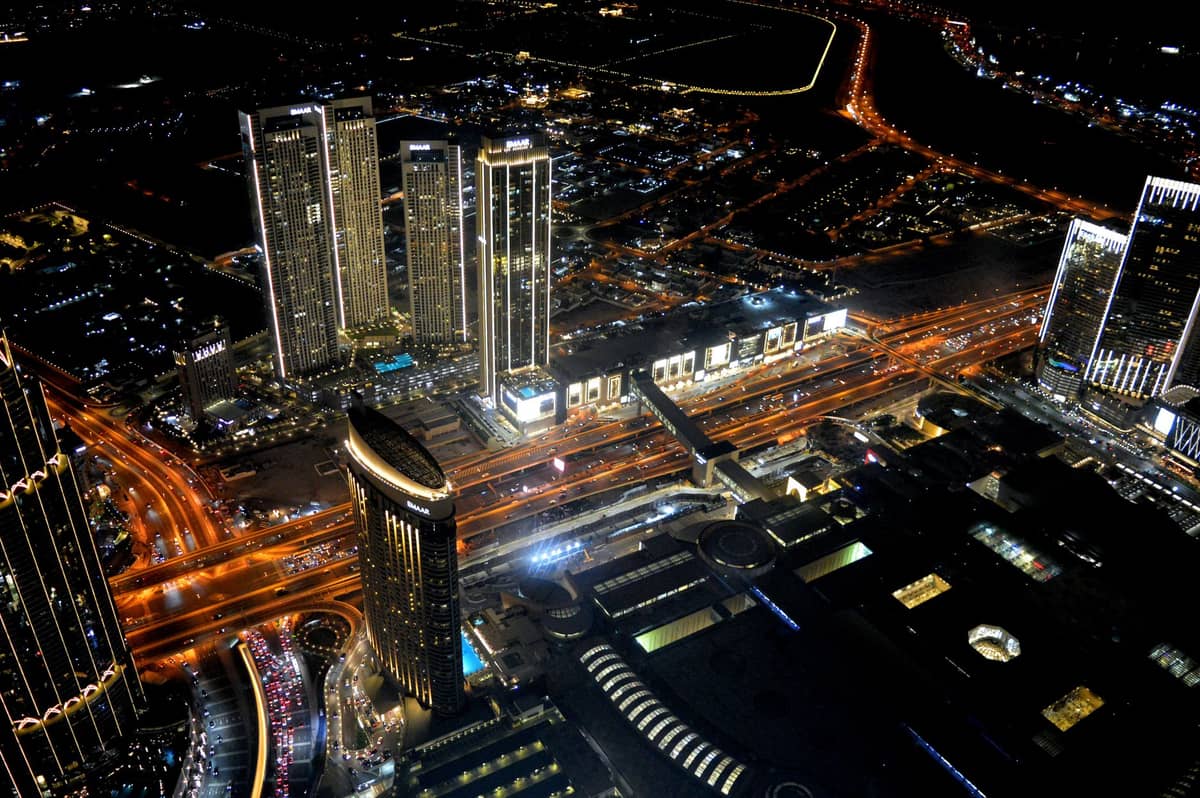
Dubai Mall and the Downtown area are directly served by the Burj Khalifa/Dubai Mall Metro station on the Red Line, with a covered walkway connecting the station to the mall. Mall of the Emirates has its own Red Line stop. For the traditional souks in Deira, the nearest Metro stations are Al Ras and Palm Deira (Gold Souk area). The abra (traditional wooden ferry) across Dubai Creek between Deira and Bur Dubai costs 1 AED and is the most atmospheric way to move between souk districts — it's also faster than walking the long way around. Full guidance on moving around the city is in the getting around Dubai guide.
Taxis and ride-hailing apps (Careem and Uber both operate in Dubai) are practical for cross-city shopping trips, particularly in summer when walking between outdoor areas is not realistic. Uber and Careem fares are broadly similar; both apps work reliably throughout the emirate. For budget-conscious travellers, the Metro covers the main shopping corridors well — Dubai Mall, Mall of the Emirates, Ibn Battuta Mall, and the Marina Walk area are all Metro-accessible.
FAQ
Is shopping in Dubai really cheap?
It depends entirely on what you're buying. Gold, Arabic perfumes, spices, and dates offer genuine value. Electronics have become broadly comparable to Western prices. Luxury fashion is not discounted and rarely cheaper than Europe or the US. The biggest savings come during the Dubai Shopping Festival (December to January), when discounts across categories are citywide and real.
Can you bargain in Dubai malls?
No. Fixed pricing applies in all branded retail stores and shopping malls. Bargaining is appropriate only in traditional souks — the Gold Souk, Spice Souk, Textile Souk, and Perfume Souk. Attempting to negotiate in a mall store will be politely refused.
What are the best souvenirs to buy in Dubai?
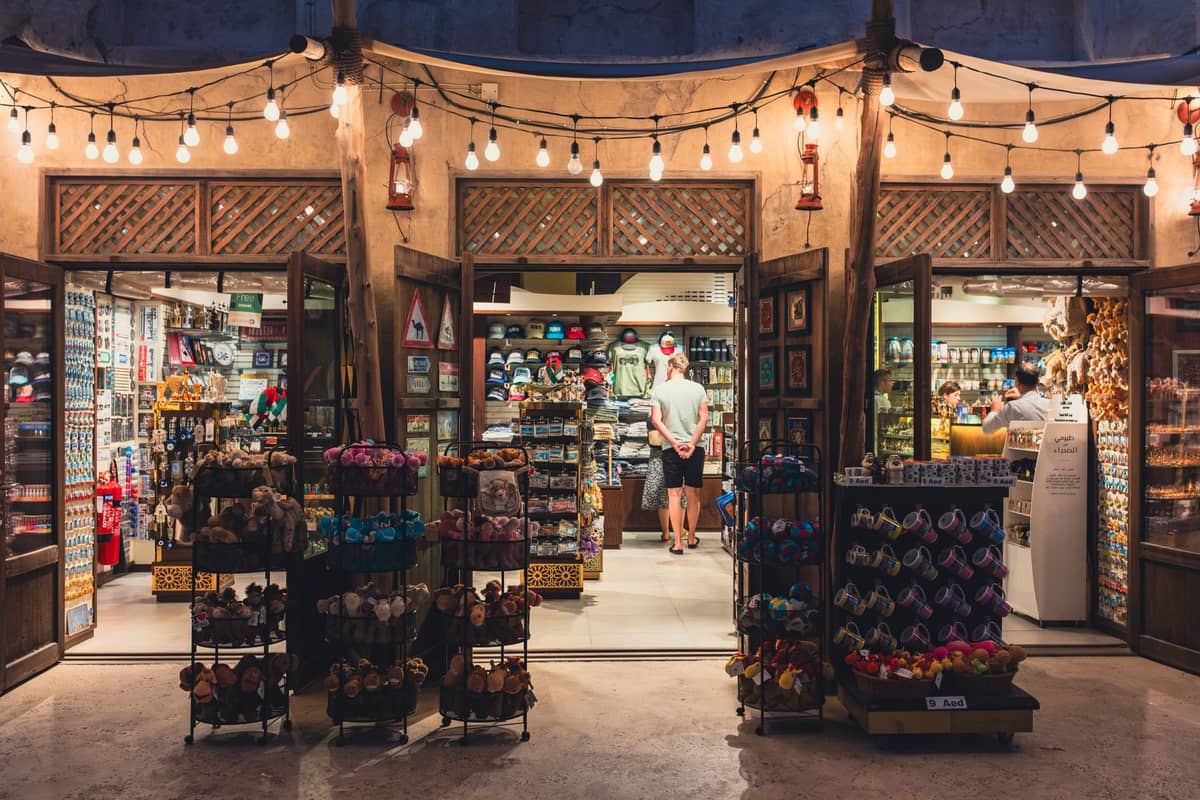
Oud perfume or attar, premium dates in decorative boxes, Arabic coffee (qahwa), saffron from the Spice Souk, and small gold pieces from the Gold Souk are the most practical and authentically local options. Avoid mass-produced camel and Burj Khalifa trinkets sold in tourist shops — quality is poor and prices are inflated relative to what they are.
When is the Dubai Shopping Festival in 2025–2026?
The 31st edition of the Dubai Shopping Festival ran from 5 December 2025 to 11 January 2026. Dates for the 2026–2027 edition had not been officially confirmed at the time of writing. Check the official Visit Dubai website for the most current announcements.
Are the souks in Dubai safe to visit?
Yes. Dubai's traditional souks are safe, well-policed, and visited by millions of tourists each year. The main practical concern is heat in summer months — plan souk visits for early morning or evening between June and September. Watch your belongings in crowded areas, as you would anywhere. Counterfeit goods (watches, bags) are sometimes offered discreetly; purchasing them is illegal under UAE law.