Is Doha Worth Visiting? A Practical Assessment
Doha divides opinion. Some travelers find a world-class city of museums, architecture, and Gulf culture. Others leave underwhelmed. This guide breaks down exactly what Doha offers, what it doesn't, and who should make the trip.
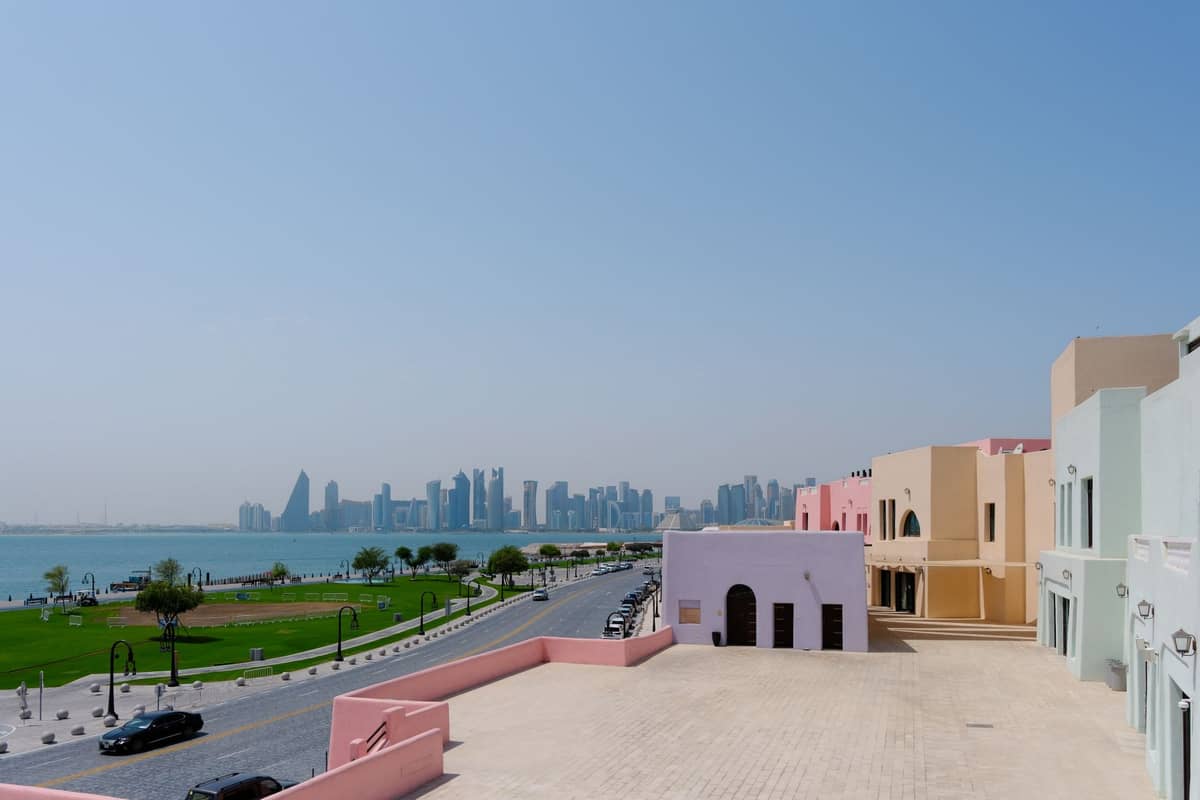
TL;DR
- Doha rewards travelers who prioritize museums, architecture, and Gulf culture — less so those seeking beaches, nightlife, or budget travel.
- The best months to visit are November through March, when temperatures sit in the low-to-mid 20s°C. Summer heat (regularly above 40°C) makes outdoor sightseeing brutal — read the full best time to visit Doha breakdown before booking.
- Hamad International Airport (DOH) connects directly to the city via the Doha Metro Red Line — Standard/Family class is QAR 2 per journey, with a QAR 6 daily cap on a Standard Travel Pass.
- Visiting Qatar for the first time? The core sights are compact and doable in 2-3 days — see the first-timer's guide to Doha for a structured plan.
- Doha is not a cheap destination. Budget carefully: free attractions exist, but mid-range hotel and dining costs are high relative to the region.
What Kind of City Is Doha, Actually?
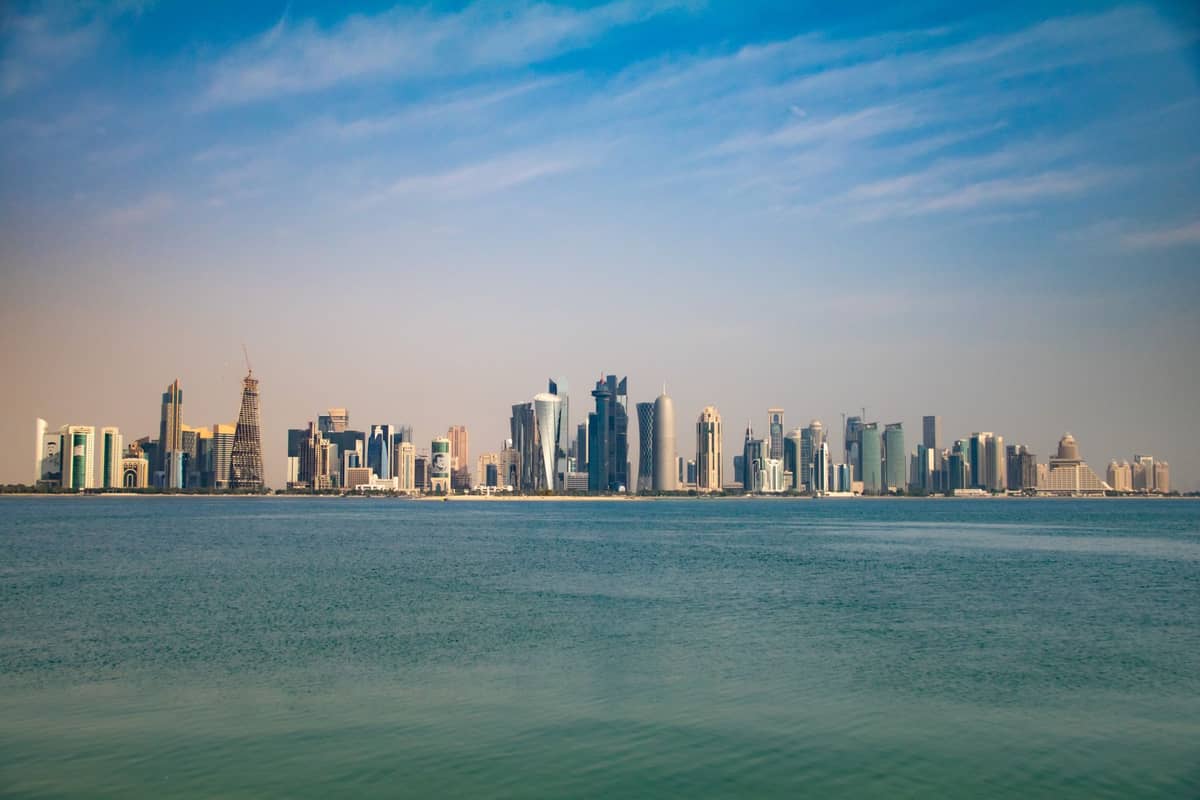
Doha is the capital and largest city of the State of Qatar, sitting on the central east coast of the Qatar Peninsula along the Arabian Gulf. With a city proper population of around 1.18 million and a national population of roughly 3 million, it has infrastructure, investment, and cultural ambition well beyond what its population would suggest. The city covers 132 km² and operates on Arabia Standard Time (UTC+3), with no daylight saving adjustments.
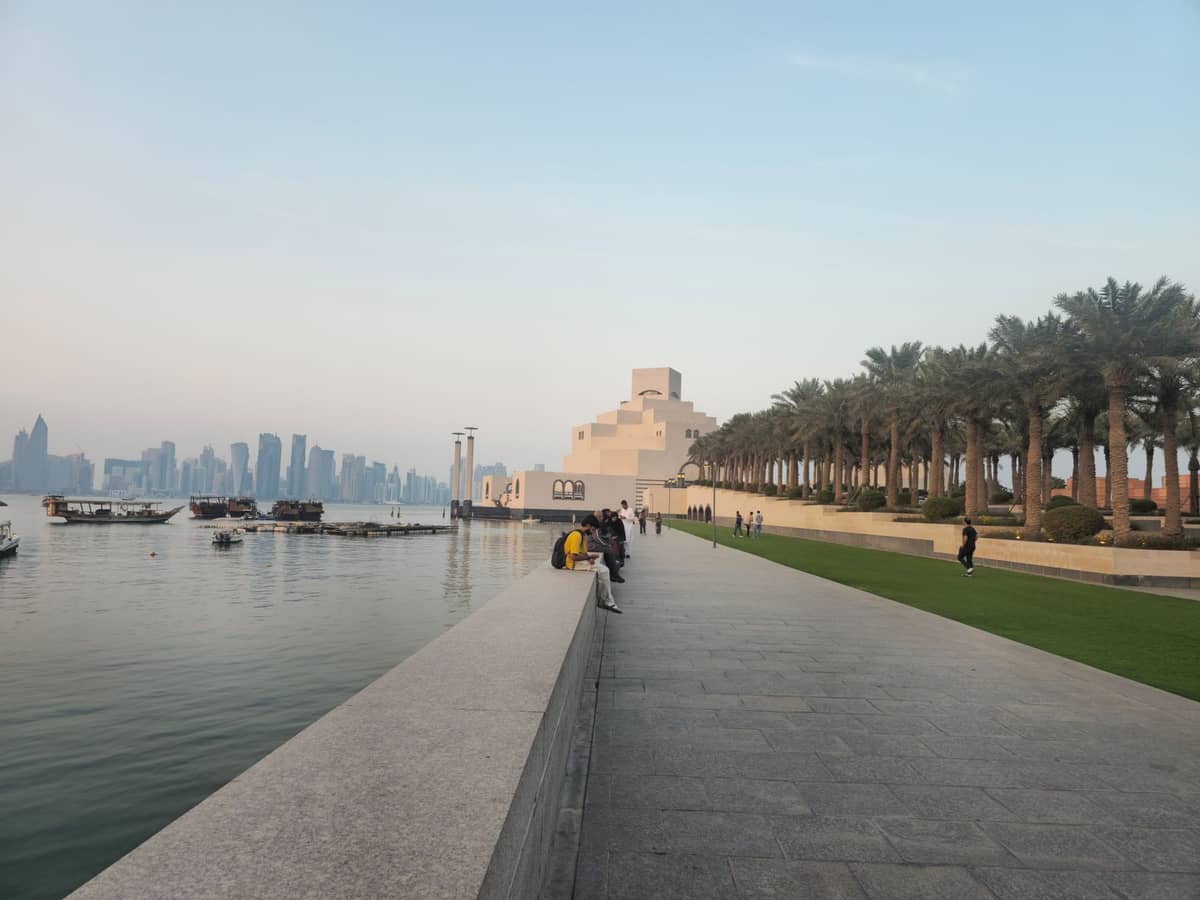
The skyline tells part of the story: West Bay's cluster of high-rises faces the crescent-shaped Corniche waterfront, while just a few kilometers south, Souq Waqif and the Museum of Islamic Art sit in a very different, more historically grounded register. Doha has invested heavily in positioning itself as a cultural capital of the Gulf — and the infrastructure largely backs that claim up. What it has not become is a city with strong street-level spontaneity, diverse food scene depth, or the kind of layered neighborhood character that cities like Istanbul or Beirut offer.
The honest summary: Doha is impressive, curated, and often surprising — but it is a city you visit intentionally, not one you just wander and discover. Travelers who come with a plan tend to leave satisfied. Those who expect organic city energy often don't.
The Case For Visiting Doha
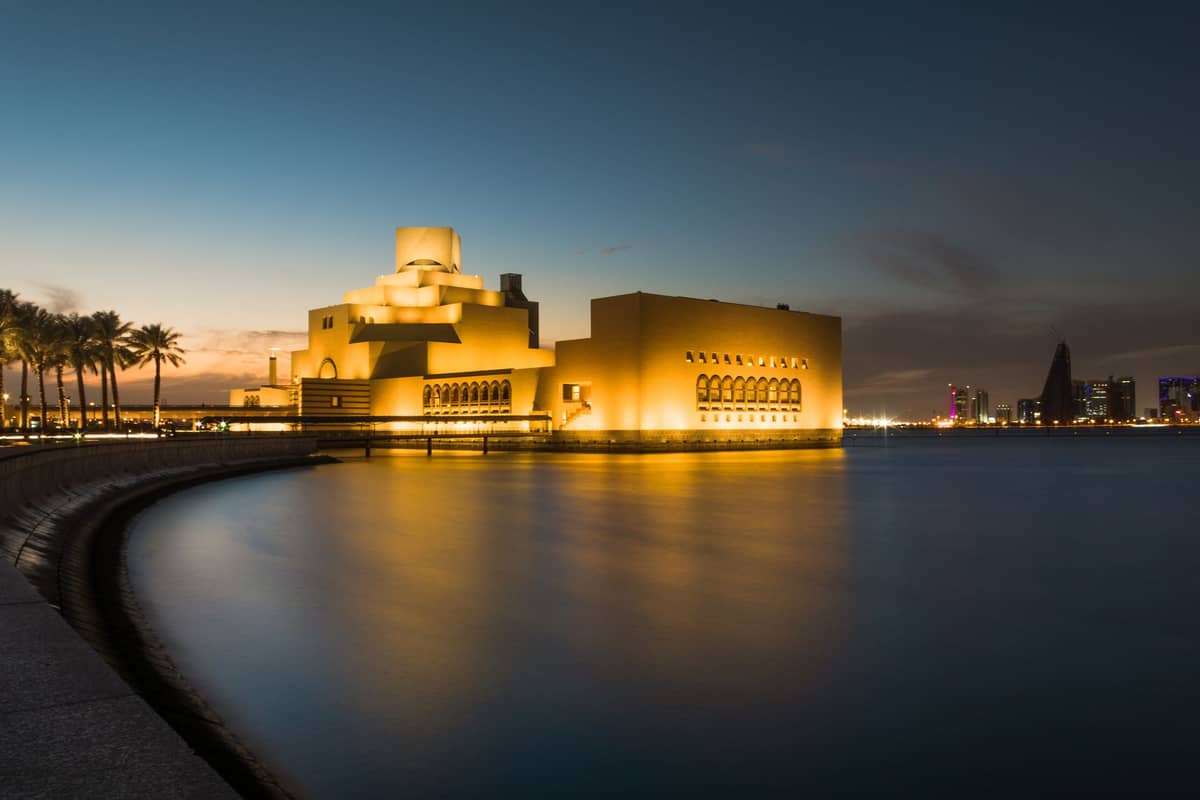
The museums alone justify a trip for many travelers. The Museum of Islamic Art houses one of the world's most significant collections of Islamic art and decorative objects, spanning 14 centuries and three continents. The building, designed by I.M. Pei, sits on its own promontory at the southern end of the Corniche and is worth the visit architecturally even before you walk through the door. The National Museum of Qatar — designed by Jean Nouvel in the form of interlocking desert rose crystals — opened in 2019 and offers a genuinely ambitious presentation of Qatari history and natural heritage.
Beyond the flagship museums, Doha has a coherent cultural circuit that rewards a few days of focused exploration. Msheireb Museums in the regenerated downtown quarter tell the story of Qatar's urban transformation through four restored merchant houses. Katara Cultural Village hosts regular performances, exhibitions, and a striking golden-domed mosque on the northeastern waterfront. For contemporary art, the Mathaf: Arab Museum of Modern Art in Education City holds the most significant collection of modern Arab art in the world.
- World-class museums Museum of Islamic Art, National Museum of Qatar, and Mathaf are internationally significant institutions, not just regional highlights.
- Walkable waterfront The Doha Corniche promenade stretches several kilometers with open views of the bay and West Bay skyline — best at dusk.
- Souq Waqif The restored traditional market is genuinely engaging: spice stalls, falcon shops, Arabic coffee houses, and decent people-watching — especially on cool evenings.
- Easy logistics Doha Metro connects the airport, central districts, and key neighborhoods cleanly. Standard fare is QAR 2 per journey with a QAR 6 daily cap.
- Visa access Qatar offers visa-free or visa-on-arrival entry for travelers from a large and growing list of countries. Check current eligibility with the Qatar Ministry of Interior before booking.
💡 Local tip
Museum weekly closures vary: the Museum of Islamic Art is closed on Wednesdays, while the National Museum of Qatar is typically closed on Tuesdays. Both adjust hours during Ramadan. Check each venue's official Qatar Museums page before planning your day.
The Honest Drawbacks
Doha is not a cheap city. Qatar's economy runs on hydrocarbons and high-income residents, and pricing reflects that. Mid-range hotels in West Bay or near the Corniche typically run well above regional averages. Dining in tourist areas — Katara, The Pearl, Souq Waqif restaurants — can be expensive for what you get, especially at international chains positioned for hotel guests. Budget travelers can manage, but it requires more effort than in most other Middle Eastern cities.
The summer months are a genuine problem for anyone visiting primarily for outdoor sightseeing. From June through September, daytime temperatures regularly exceed 40°C (104°F) with high humidity near the coast. July averages around 37°C mean daily temperature with maximums touching 41°C. This is not uncomfortable-but-manageable heat — it is keep-to-indoor-air-conditioning-or-risk-heat-illness territory. The city adapts: museums run extended evening hours, the metro keeps things connected, and Doha's nightlife and dining scene shifts almost entirely to after dark. But outdoor exploration is essentially off the table from June to August.
The city also lacks the organic urban texture that makes some destinations magnetic. Large portions of Doha are car-dependent, spread across low-density districts connected by highways. Outside of Souq Waqif, Msheireb, and the Corniche area, street-level walking is rarely rewarding. The Pearl-Qatar is a well-executed marina development with upscale retail, but it feels like a planned resort district, not a neighborhood with real city life. Visitors expecting to stumble into something unexpected will need to look harder than in most comparable cities.
⚠️ What to skip
Alcohol is only available in licensed hotel bars, hotel restaurants and a small number of designated venues in Doha. It is not served in ordinary restaurants outside these licensed venues, and public intoxication carries serious legal consequences. If this matters to your travel experience, factor it into your expectations before visiting Qatar.
Getting Around: Transport Realities
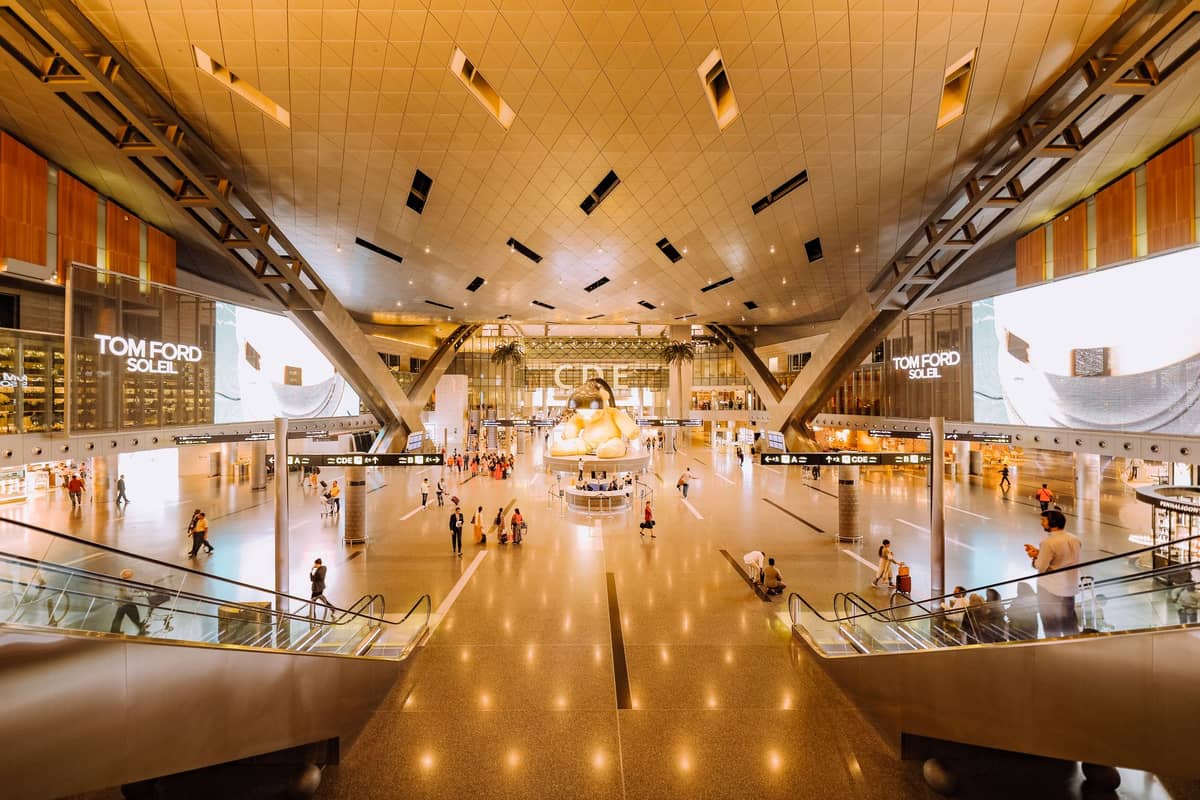
Doha's transport situation is better than most visitors expect. The Doha Metro — opened in 2019 and significantly expanded since — runs three lines (Red, Green, Gold) covering the airport, West Bay business district, central Doha, Education City, and several outer districts. A Standard Travel Pass costs QAR 2 per single journey with a QAR 6 daily cap. The Goldclub class charges QAR 10 per journey with a QAR 30 daily cap. From Hamad International Airport, the Red Line takes you to central Doha in under 20 minutes. This is genuinely good value and reliable for reaching most tourist areas.
For areas outside metro coverage, Karwa taxis (metered, officially regulated) and ride-hailing apps fill the gap. The Pearl-Qatar, for instance, is not directly on the metro network at this stage, making taxis the practical option for that area. Renting a car is an option for those planning day trips from Doha to places like Al Zubarah Fort in the north or the Inland Sea at Khor Al Adaid in the south, both of which are beyond practical taxi range. Traffic in Doha can be heavy during morning and evening rush hours on main arterials, but within the city core, the metro removes most of that friction.
✨ Pro tip
Get a Doha Metro Standard Travel Pass (reusable card) immediately at the airport station before heading into the city. It works across all three lines, covers the airport-to-Corniche journey in one tap, and the QAR 6 daily cap means unlimited travel for less than USD 2 on heavy sightseeing days.
When to Go and What to Expect Seasonally
November through March is the clear window for visiting Doha comfortably. January averages a high of around 22°C and a low of 13.5°C — cool enough for extended outdoor time along the Corniche or in Al Bidda Park, warm enough that you won't need heavy clothing. February is technically the rainiest month, though 'rainiest' in Doha means an average of about 17mm across roughly two rainy days. Annual rainfall totals around 61-75mm, making it one of the driest capitals in the world.
December and January bring the highest concentration of events, outdoor markets, and open-air activities. The city is noticeably more energized during this period, with Qatari National Day falling on December 18 and various cultural festivals running through early winter. Ramadan, which shifts annually through the Islamic lunar calendar, brings a different atmosphere: many restaurants adjust hours significantly, daytime eating in public is discouraged out of respect for fasting Muslims, but the evenings come alive with Doha's winter season entertainment and extended market hours. It is a worthwhile time to visit if you understand what to expect.
Who Should Visit Doha — and Who Probably Shouldn't
Visiting Qatar makes strong sense for several types of traveler. Museum and architecture enthusiasts will find a concentration of genuinely world-class institutions that rival much larger cities. History-focused travelers can extend into Al Zubarah (a UNESCO World Heritage Site) and the historic Al Koot Fort in Doha's old town district. Travelers in transit through DOH with 8–24 hours can use the Doha Metro to reach the city center, hit one or two major attractions, and return without arranging a visa in advance in many cases — making Doha one of the better layover cities in the Gulf.
Families with children can find more than expected: the Doha with kids circuit includes Aspire Park, the Qatar Olympic Sports Museum, and Katara's beach facilities. Couples traveling together will find an easy, comfortable city with some genuinely romantic settings along the waterfront and at The Pearl. Budget travelers can make it work using the metro, free attractions like MIA Park and Al Bidda Park, and the more affordable food stalls in Souq Waqif — but this requires deliberate planning.
Doha is less suited to travelers primarily motivated by beaches (options are limited compared to Dubai or Oman), party-focused nightlife (alcohol restrictions are real), or spontaneous urban wandering. LGBTQ+ travelers should be aware of Qatar's legal framework and read the Doha LGBTQ travel guide carefully before making decisions. For those who value safety, Doha is often ranked among the safest cities in the Middle East — violent crime is rare, and the city is generally straightforward to navigate as a solo traveler or tourist.
- Doha suits: museum lovers, architecture travelers, Gulf culture seekers, long-layover travelers, families looking for a structured trip, luxury travelers
- Doha works with effort: budget travelers, solo backpackers, food-focused travelers wanting diversity beyond Arabic and hotel-international cuisine
- Doha is a poor fit for: beach holiday seekers, travelers prioritizing nightlife and alcohol access, those wanting unplanned urban discovery
FAQ
Is Doha worth visiting for just 2-3 days?
Yes, 2-3 days is actually an ideal length for Doha. The core sights — Museum of Islamic Art, National Museum of Qatar, Souq Waqif, the Corniche, and Msheireb — are compact enough to cover without rushing. A longer trip makes sense if you're extending into day trips like Al Zubarah or Khor Al Adaid, or diving deeper into the cultural village and contemporary art scene.
Is Doha expensive to visit?
Doha is a relatively expensive destination by Middle Eastern and global standards. Hotels in central areas and West Bay are priced at or above European city levels. Dining ranges significantly: a meal at a Souq Waqif traditional restaurant might run QAR 30-60 per person, while hotel restaurants and upscale venues can charge several times that. Transport is genuinely cheap via the metro. Free attractions include MIA Park, the Corniche promenade, and Al Bidda Park.
Do I need a visa to visit Doha?
Qatar offers visa-free or visa-on-arrival access to travelers from a large number of countries, including most European nations, the US, UK, Canada, and Australia. The exact list and conditions are updated by Qatar's Ministry of Interior and can change. Always verify current requirements on the official Qatar visa portal before booking travel.
What is Doha like in summer?
Genuinely harsh. July averages around 37°C with maximum temperatures near 41°C, combined with coastal humidity. Most outdoor sightseeing is impractical between 10am and 6pm from June through August. The city adapts with later museum hours and indoor attractions, but if you have flexibility, avoid June-September. November through March is a fundamentally different experience.
Is Doha safe for tourists?
Doha is consistently ranked among the safest cities in the Gulf and the broader Middle East. Violent crime against tourists is extremely rare. The main practical safety considerations are road traffic (driving standards vary), extreme summer heat, and understanding local laws around public behavior, alcohol, and dress codes. The Qatar Tourism authority and your home country's foreign ministry advisory are the best sources for current guidance.