LGBTQ+ Travel in Doha: What You Need to Know Before You Go
Qatar criminalizes same-sex sexual activity, and Doha has no LGBTQ+ venues or legal protections. This guide gives LGBTQ+ travelers an honest, practical breakdown of the legal situation, safety considerations, and what visiting the city actually looks like in practice.
TL;DR
- Same-sex sexual activity is illegal in Qatar and can carry prison sentences of up to 7 years. These laws apply to tourists and residents alike.
- There are no legal protections against discrimination for LGBTQ+ people, and no openly advertised queer venues exist in Doha.
- The 2022 FIFA World Cup did not permanently change Qatar's laws or social expectations. Governments including the UK, US, and Australia continue to issue warnings. Read more in our Doha safety guide.
- Discretion reduces visibility but does not make same-sex relations legal. There is no legal grey zone for tourists.
- If you choose to visit, understanding the legal landscape clearly is the starting point, not an afterthought.
The Legal Reality: What Qatari Law Actually Says

Qatar is one of approximately 60 countries where same-sex sexual activity is criminalised. This is not a technicality that goes unenforced or a relic of colonial-era law quietly left on the books. Under Qatar's Penal Code, same-sex sexual acts are explicitly illegal and can carry penalties of up to 7 years imprisonment. Sex outside of marriage is also illegal, which means the law applies broadly regardless of the genders involved.
Qatar's legal system is influenced by both civil law and Islamic Sharia principles, and public morality laws are enforced. The Ministry of Interior, local police, and public morality enforcement can all act on violations. There are no exemptions, carve-outs, or informal protections for foreign nationals. The UK's Foreign, Commonwealth and Development Office and the US State Department maintain active travel advisories warning about these risks.
⚠️ What to skip
Qatari law applies to all people within Qatar's borders, including tourists on short stays and transit passengers who leave the airport. Being a foreign national does not provide legal immunity.
There are also no legal protections against discrimination based on sexual orientation or gender identity in Qatar. This means there is no employment protection, no civil recourse, and There are also no legal protections against discrimination based on sexual orientation or gender identity in Qatar. This means there is no employment protection, no civil recourse specifically for LGBTQ+ discrimination, and no LGBTQ+-specific mechanism to formally report bias-based mistreatment. In practical terms, LGBTQ+ travellers have no legal framework working in their favour if something goes wrong.. In practical terms, LGBTQ+ travellers have no legal framework working in their favour if something goes wrong.
Common Misconceptions That Can Put You at Risk
Several widely repeated claims about LGBTQ+ travel in Qatar are either misleading or outright false. Understanding what is not true is as important as understanding what is.
- "Tourists are exempt from these laws." False. Qatari criminal law applies to everyone within Qatar's jurisdiction, regardless of nationality, tourist status, or length of stay. Visa category provides no legal protection.
- "Being discreet makes it legal." No. Discretion may reduce the likelihood of being noticed, but it does not change the legal status of same-sex relations. The law does not contain a 'discreet exception.' This is a meaningful risk distinction.
- "The 2022 World Cup changed things permanently." Qatar made temporary statements about welcoming all fans during the tournament, but the underlying laws were not amended. Post-tournament government travel advisories from multiple countries continue to warn that same-sex sexual activity remains illegal and that conservative social norms are enforced.
- "Holding hands or displaying affection is fine for same-sex couples." Public displays of affection between same-sex couples carry genuine risk, particularly in traditional areas, near religious sites, or in government buildings. Even heterosexual couples are advised to avoid excessive public displays of affection in Qatar.
- "Dating apps work normally in Doha." LGBTQ+ dating apps and content can be restricted or blocked in Qatar. Some apps may be accessible via VPN, but using them carries additional legal exposure. This is not a safe workaround.
What Visiting Doha Actually Looks Like for LGBTQ+ Travellers
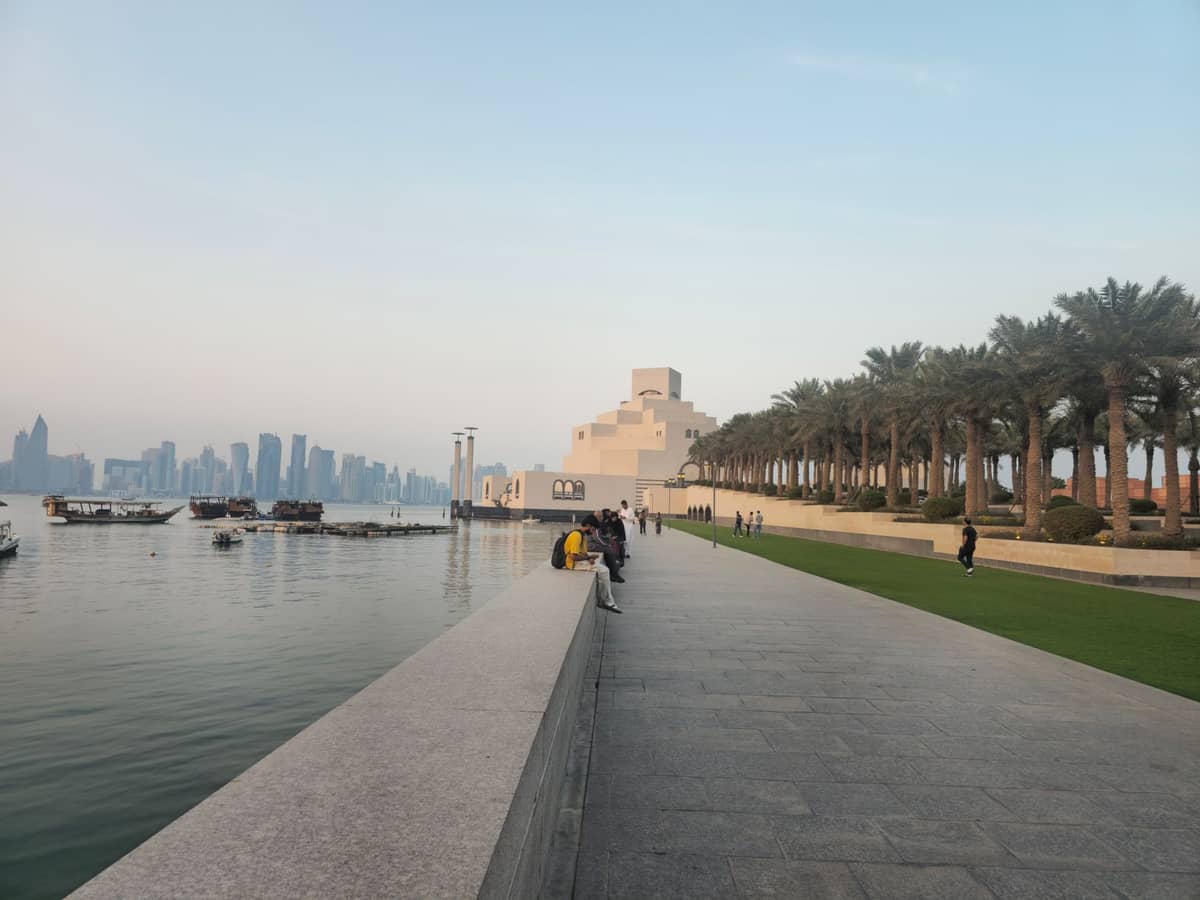
Despite the legal context, Doha receives millions of international visitors each year, and some LGBTQ+ travellers do visit the city, typically for work, transit, or tourism focused on the city's architecture, museums, and cultural sites., and some LGBTQ+ travellers do visit the city, typically for work, transit, or tourism focused on the city's architecture, museums, and cultural sites. The key is understanding what that visit involves and what it does not.
There are no openly LGBTQ+ venues in Doha. No gay bars, no queer events, no Pride programming, There are no openly LGBTQ+ venues in Doha. No gay bars, no queer events, and no Pride programming are openly advertised. The city's nightlife, such as it is, exists in hotel bars and licensed venues aimed at an international expatriate audience. You can read about in our separate guide, but none of these spaces are LGBTQ+-specific or affiliated. The city's nightlife, such as it is, exists in hotel bars and licensed venues aimed at an international expatriate audience. You can read about Doha's nightlife options in our separate guide, but none of these spaces are LGBTQ+-specific or affiliated.
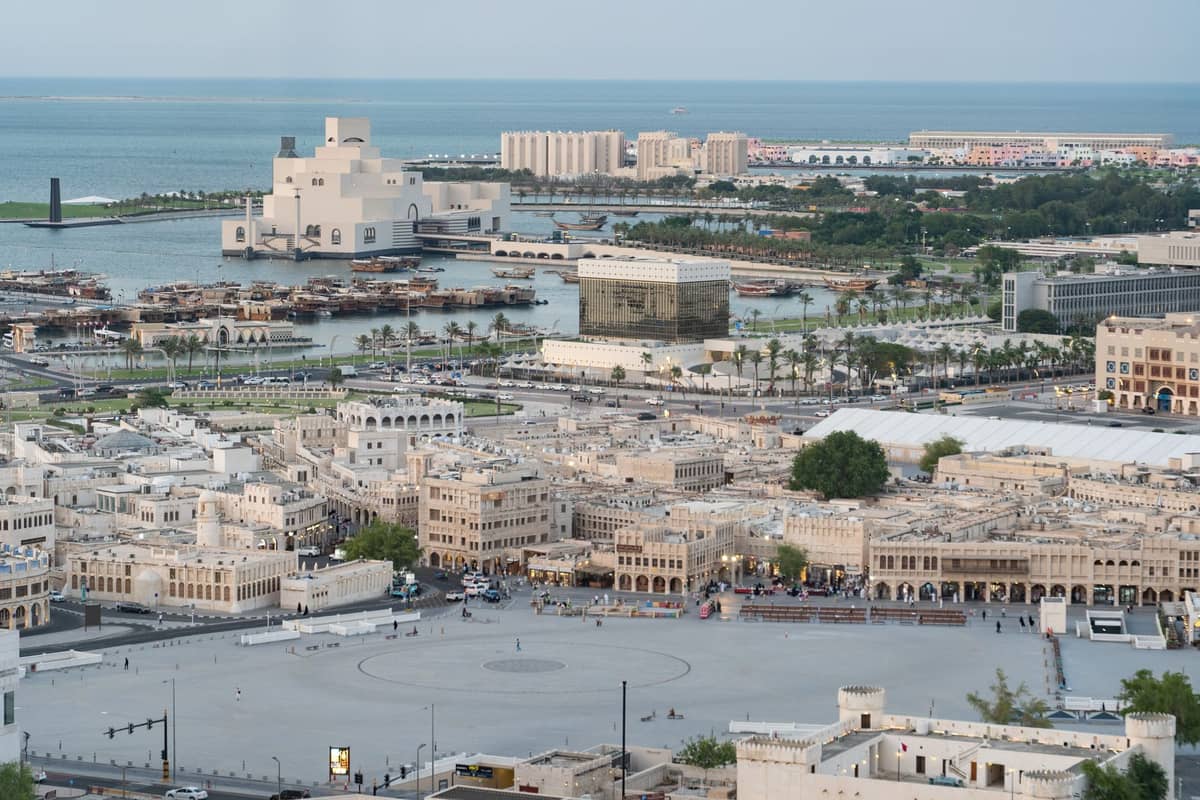
What the city does offer, regardless of who you are, is genuine cultural depth. The Museum of Islamic Art is one of the finest institutions of its kind in the world. The National Museum of Qatar is architecturally striking and substantive on Qatari history. Souq Waqif is worth several hours of your time. These attractions are open to international visitors and operate without any LGBTQ+-specific restrictions on entry.
ℹ️ Good to know
Same-sex couples who visit Doha typically share hotel rooms without issue at international chain properties, which operate under their global standards. Some travellers report no incidents during short stays focused on sightseeing. However, this reflects practical reality, not legal protection, and individual experiences vary.
Transgender travellers face additional layers of complexity. Qatar does not explicitly protect gender identity in its legal framework. Travellers whose gender presentation differs significantly from their passport documents may face scrutiny at border control or in public spaces. This is an area where the risks are less predictable and the formal guidance is limited.
Seasonal Patterns and Event Considerations
Qatar's climate shapes when it is practical to visit. Summers, roughly May through September, are extreme: daytime temperatures regularly exceed 40°C, humidity can be punishing, and most outdoor activity becomes uncomfortable or dangerous Qatar's climate shapes when it is practical to visit. Summers, roughly May through September, are extreme: daytime temperatures regularly exceed 40°C, humidity can be punishing, and most outdoor activity becomes uncomfortable during the hottest part of the day. The city shifts indoors during this period.. The city shifts indoors during this period.
The preferred visiting window is November through March, when daytime temperatures sit between the The preferred visiting window is November through March, when daytime temperatures sit between the low 20s°C and around 30°C and the city is genuinely pleasant to walk around. This period also coincides with Doha's main events season. You can find detailed weather-based planning advice in our guide to the . and the city is genuinely pleasant to walk around. This period also coincides with Doha's main events season. You can find detailed weather-based planning advice in our guide to the best time to visit Doha.
Qatar regularly hosts large international conferences, sporting events, and cultural festivals, particularly in the cooler months. These events draw significant international visitor numbers and tend to normalise the presence of non-Qatari nationals in public spaces. However, it would be a mistake to interpret increased international visitors as a signal of relaxed enforcement. Laws governing public morality and same-sex relations remain constant regardless of what event is taking place. The 2022 World Cup is the most prominent example: despite global attention and international attendance, the legal framework did not change, and post-tournament government advisories reflect this clearly.
Getting Around Doha: Practical Transport Information
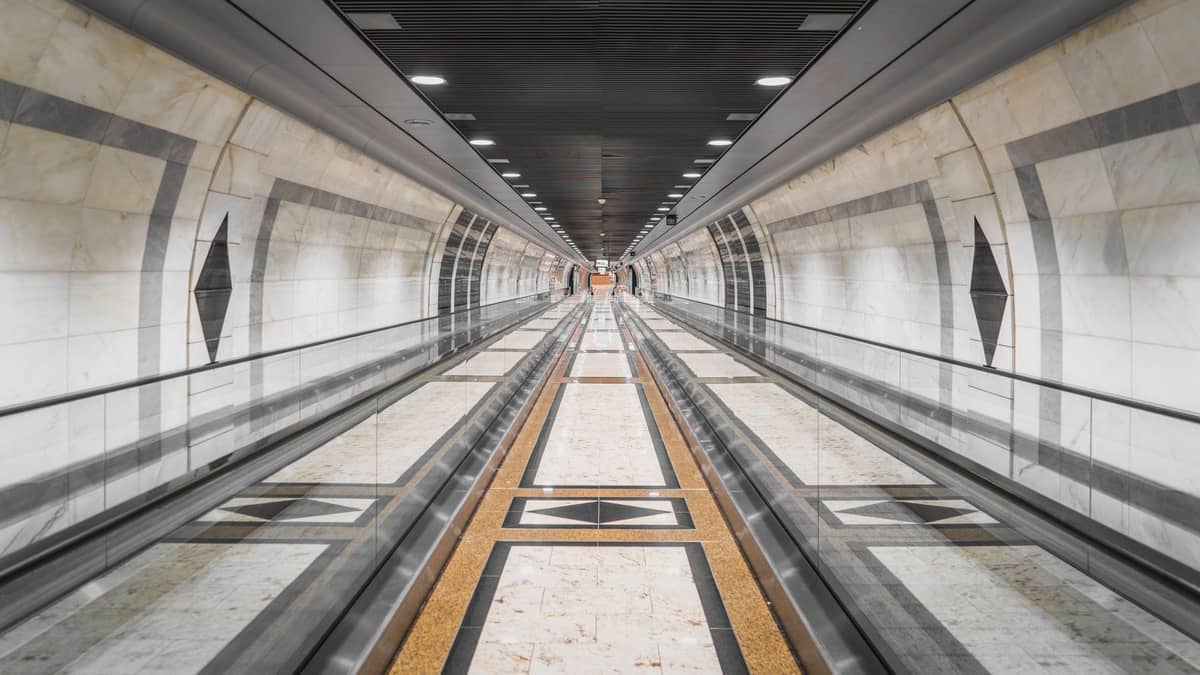
Doha has a functioning rapid transit system, the Doha Metro, with Red, Green, and Gold lines covering major areas including Hamad International Airport, West Bay, Msheireb Downtown, and Education City. The Red Line connects the airport terminal directly to central Doha, with trains running approximately every 4 to 6 minutes at peak times. The journey from the airport to Msheireb takes around 20 minutes.
- Metro fares: QAR 2 for a single-zone trip, QAR 3 for a two-zone trip, with a daily cap of around QAR 6 for standard travel. Operating hours are approximately 05:00–01:00 Saturday to Thursday, and 09:00–01:00 on Fridays.
- Karwa Taxis: Official metered taxis operated by Mowasalat queue at the airport and major hotels. Fares are metered with an airport surcharge. Exact rates change; check current figures before travel.
- Ride-hailing: App-based rides operate in Doha. Availability and pricing are dynamic and platform-specific. Confirm current availability before travel.
- Public buses: Mowasalat operates a bus network covering residential and commercial areas. Route and schedule information is available on the operator's website and should be verified before relying on it.
- Taxis and ride-hailing are generally the most practical options for flexible movement between neighbourhoods, particularly in the heat.
✨ Pro tip
The Doha Metro is efficient, affordable, and air-conditioned. For LGBTQ+ travellers, it is also entirely public and anonymous. There are no identity checks to board. It is one of the most practical ways to move around the city, particularly for airport arrivals.
For a full breakdown of how to get around the city, including metro route maps, taxi apps, and neighbourhood-by-neighbourhood transport options, see our guide to getting around Doha.
Should LGBTQ+ Travellers Visit Doha? An Honest Assessment
This is genuinely a personal decision, and it is not the role of a travel guide to make it for you. What this guide can do is give you the information to make it clearly.
The legal risks in Qatar are real, documented, and not offset by any formal protections. A traveller who visits Doha as a tourist, stays in an international hotel, visits museums and souqs, dresses conservatively, and avoids any public expression of their relationship or identity is unlikely to encounter active enforcement. Many people travel this way without incident. But unlikely is not the same as safe, and any incident that does occur would be handled under Qatari law, not the standards of your home country.
If you are considering a longer stay, a layover versus a multi-day visit involves different risk profiles. Our Doha airport layover guide covers what is practical during a short transit stop. For travellers thinking about Doha as part of a broader regional itinerary, the is Doha worth visiting guide provides a balanced overview of what the city offers.
Qatar is not a destination where LGBTQ+ identity can be openly expressed, where queer community exists in any visible form, or where the legal framework is neutral. Travellers who decide to go should do so with that understanding fully in place, not with the expectation that things are more relaxed than they appear on paper. They are not.
💡 Local tip
Before travelling to Qatar, register your trip with your home country's embassy or consulate and know the contact details for your country's diplomatic mission in Doha. This is standard advice for any high-risk destination and provides a point of contact if you need consular assistance.
FAQ
Is Qatar safe for gay tourists?
Qatar criminalises same-sex sexual activity, with penalties of up to 7 years imprisonment. There are no LGBTQ+-specific legal protections for travellers. Some visitors travel to Qatar without incident by keeping a low profile and avoiding any public expression of their identity or relationships, but this reflects circumstance rather than legal safety. Multiple governments, including the UK, US, and Australia, maintain formal travel warnings for LGBTQ+ visitors to Qatar.
Did the 2022 World Cup change Qatar's LGBTQ+ laws?
No. Qatar made statements about welcoming all fans during the tournament, but same-sex sexual activity remains illegal under Qatari law. No legislative changes were made during or after the World Cup. Post-tournament travel advisories from governments continue to warn LGBTQ+ travellers of the legal risks.
Can same-sex couples share a hotel room in Doha?
In practice, In practice, some international chain hotels in Doha allow same-sex couples to share rooms without requiring proof of relationship or marriage. However, this is not the same as legal protection. The legal prohibition on same-sex sexual activity still applies within those hotel rooms, and there is no formal framework preventing hotels from refusing service if they choose to.
Are LGBTQ+ dating apps available in Qatar?
Some LGBTQ+ dating apps are blocked or restricted in Qatar. While VPNs can sometimes bypass these restrictions, using them does not make app activity legal or safe. Using dating apps in Qatar to arrange same-sex encounters involves significant legal exposure.
What should LGBTQ+ travellers do if they get into legal trouble in Qatar?
Contact your country's embassy or consulate in Doha immediately. Do not attempt to navigate Qatari legal proceedings without consular assistance and qualified legal representation. Register your travel with your home country's foreign ministry before arriving, which makes it easier for consular services to reach you in an emergency.