Is Doha Safe? A Practical Safety Guide for Visitors
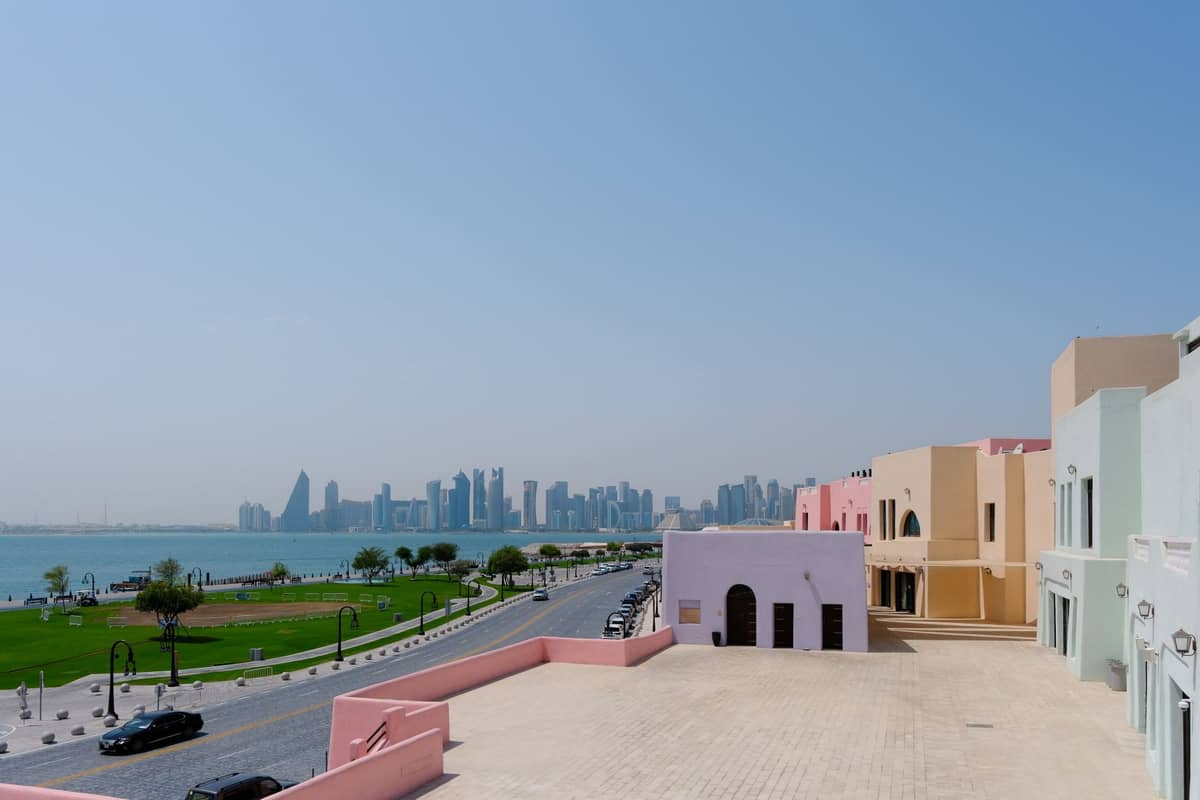
Doha is one of the safest cities in the Middle East, with low crime rates and well-monitored public spaces. But safety here is as much about understanding local laws as it is about personal security. This guide covers everything from terrorism advisories and alcohol rules to dress codes, transport safety, and seasonal health risks.
TL;DR
- Doha is rated low-crime by both the UK and US governments, with independent safety indexes scoring it in the 80–90+ range.
- The main risks are not crime but legal: alcohol is only allowed in licensed hotel venues, and public behavior standards are strictly enforced.
- The Doha Metro is safe, affordable, and air-conditioned — single fares start at QAR 2. See our guide to getting around Doha for the full picture.
- Summer heat (May–September) is a genuine physical risk. Plan outdoor activities for early morning or evening and prioritize air-conditioned transport.
- Dress codes apply in malls, streets, and public buildings. Resort beaches are more relaxed. Check our first-timer guide for broader arrival advice.
Overall Safety Rating: What the Data Says
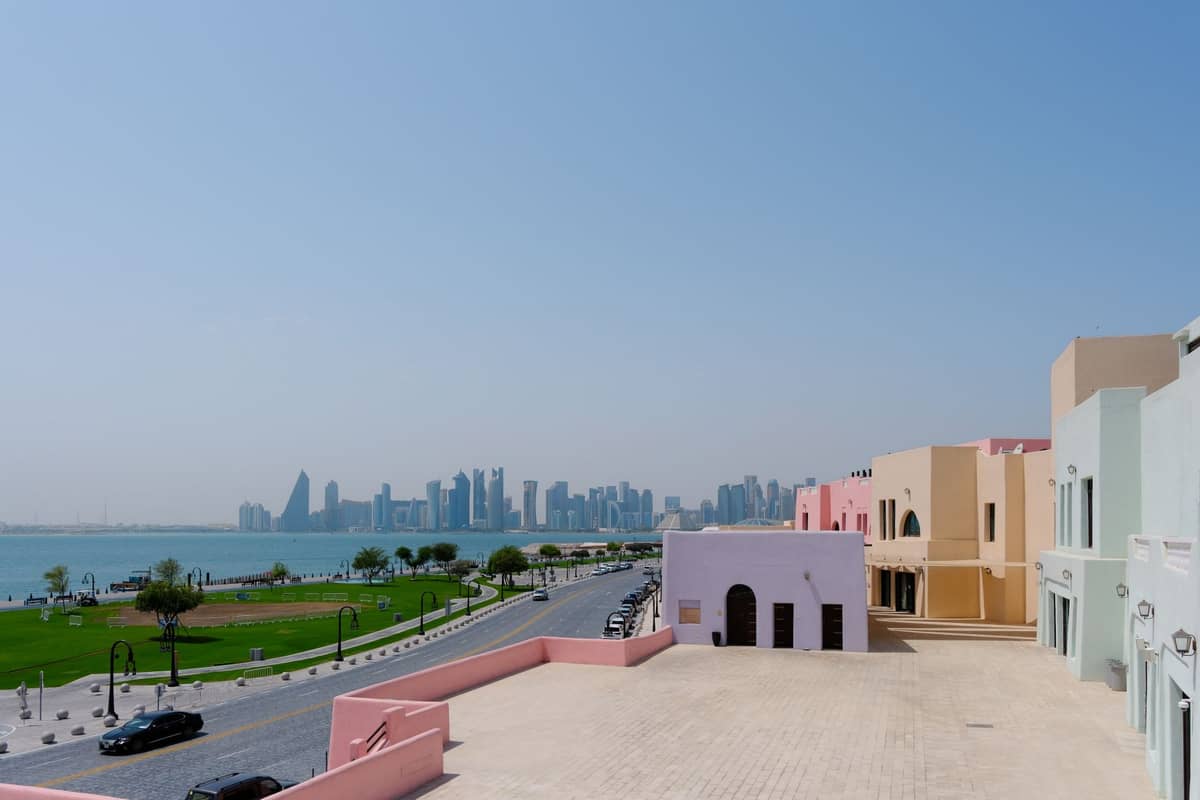
Doha is, by most measurable indicators, a very safe city for tourists. The UK Foreign Office describes crime as generally limited and advises only ordinary precautions such as guarding valuables and avoiding isolated areas at night. The US State Department classifies Doha as a low-threat location for crime. Independent travel safety indexes consistently score it above 80 out of 100, putting it among the safest urban destinations in the Middle East and globally competitive with cities like Tokyo or Vienna on personal safety metrics.
The more nuanced picture: the US State Department does flag Qatar as a medium-threat location for terrorism affecting official US government interests. This is standard language applied across the Gulf region and reflects regional geopolitical dynamics rather than a specific domestic threat pattern. No major terrorist incidents targeting tourists have occurred in Doha, and the city's security infrastructure is extensive, particularly since the 2022 FIFA World Cup investments in policing and surveillance.
ℹ️ Good to know
Qatar's emergency number is 999, covering police, ambulance, and fire. The international dialing code for Qatar is +974. Save these before you arrive.
Local Laws That Catch Tourists Off Guard
Most safety issues that visitors encounter in Doha are not about crime. They are about behavior that is legal at home but illegal here. Qatar enforces its laws consistently, including on tourists, and ignorance is not typically accepted as a defense. The following rules are the ones most likely to affect a first-time visitor.
- Alcohol Tourists may drink in licensed hotel bars, restaurants, and a small number of approved venues. Public drinking, being visibly intoxicated in public, drinking on streets, beaches, or in parks, and consuming alcohol in vehicles are all illegal. Violations can result in arrest, fines, or deportation.
- Public displays of affection Hugging and kissing between couples in public can be treated as indecent behavior and attract police attention. This applies to both heterosexual and same-sex couples. Hand-holding between married couples is generally overlooked but erring on the side of restraint is sensible in traditional areas like Souq Waqif.
- Dress code Both men and women are expected to cover shoulders, chest, and knees in malls, streets, government buildings, and traditional areas. Fully sleeveless tops, very short shorts or skirts, see-through fabrics, and nightclub-style clothing in public spaces can breach decency laws. Resort pools and hotel beach areas operate under more relaxed rules, but topless sunbathing is illegal everywhere.
- Photography Photographing government buildings, military installations, and certain infrastructure is prohibited. Photographing people without their consent, particularly women, is considered offensive and can lead to confrontation or legal complaints. This matters most in markets and traditional neighborhoods.
- Ramadan conduct During Ramadan, eating, drinking, and smoking in public during daylight hours is illegal, even for non-Muslims. Most restaurants close or screen their windows. Hotels maintain facilities for guests. Loud music in public and disrespectful behavior toward those fasting are also treated seriously.
⚠️ What to skip
Qatar criminalizes same-sex relations under its penal code, and LGBTQ+ travelers face real legal risk; public behavior that would be unremarkable elsewhere can lead to arrest. Read our dedicated guide for honest context before traveling.
Transport Safety and Getting Around
Doha's transport infrastructure is modern and well-maintained. The Doha Metro is air-conditioned, extensively monitored by CCTV, and considered one of the safest metro systems in the region. Standard and Family class fares are QAR 2 per single journey with a daily cap of QAR 6. Gold class costs QAR 10 per journey, capped at QAR 30 per day. Operating hours are roughly 05:00 to 01:00 Saturday through Thursday, and 09:00 to 01:00 on Fridays. Doha is predominantly a car city, so having a transport plan matters.
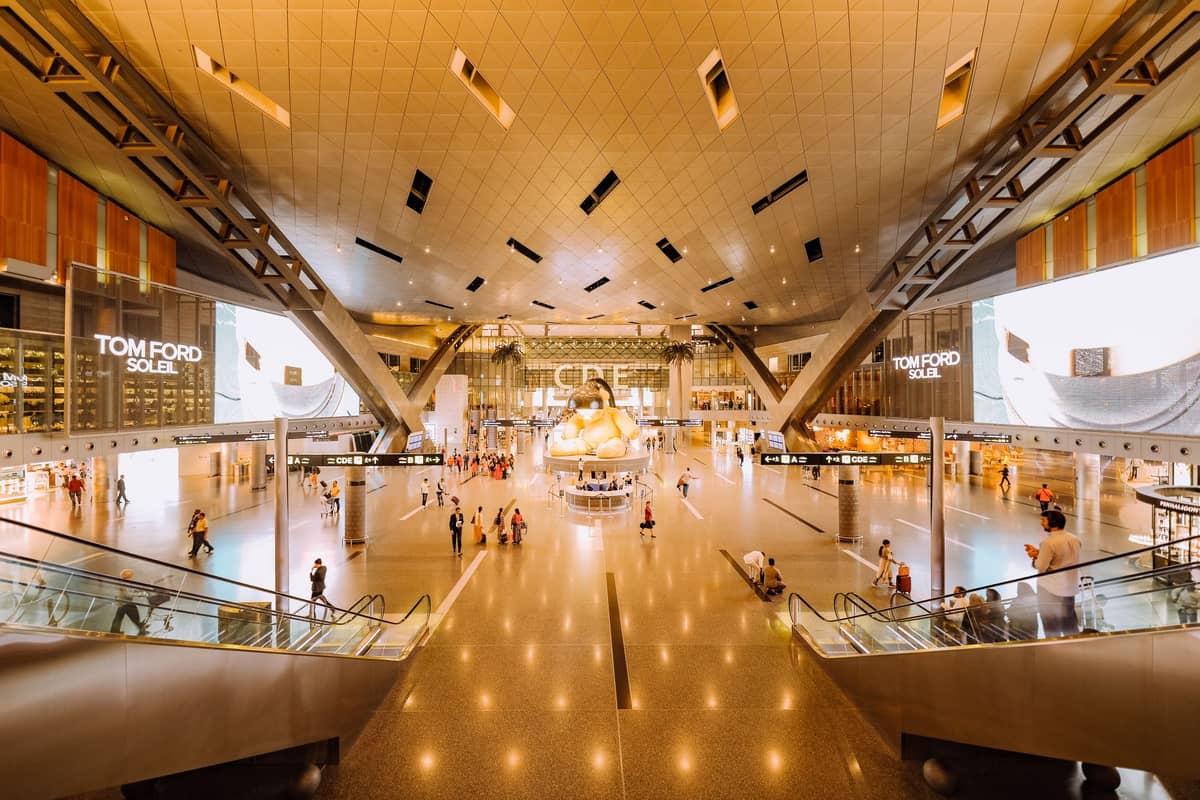
Official Karwa taxis operated by Mowasalat queue at Hamad International Airport (IATA: DOH), located roughly 14 to 16 km southeast of central Doha. Ride-hailing apps also operate in the city. Road safety is worth noting separately: driving standards in Qatar can be aggressive by European standards, speeding is common, and pedestrian crossings are not always respected by drivers. If walking near major roads, use designated crossings and stay alert.
💡 Local tip
The Metro Red Line connects Hamad International Airport directly to central Doha. It is the cheapest and most reliable option for airport transfers, avoiding traffic entirely. Journey time to the city center is around 20–30 minutes on most services.
Heat and Seasonal Safety Risks
Doha has a hot desert climate (Köppen BWh). Summers, running roughly from May through September, bring average highs above 40°C in July and August, with humidity that makes it feel significantly worse. This is not abstract tourist caution: heat illness is a genuine risk for anyone spending extended time outdoors without preparation. The best months to visit Doha are November through March, when daytime temperatures sit in the low-to-mid 20s°C and outdoor exploration is comfortable.
- Schedule outdoor sightseeing for before 09:00 or after 16:00 during summer months
- Carry water at all times. Dehydration sets in quickly in dry, high-temperature conditions
- Use the Metro or air-conditioned taxis between sites rather than walking extended distances
- Sunscreen with SPF 50+ is not optional between April and October
- Winter evenings (December to February) can drop to around 13–14°C overnight, so pack a light jacket if you plan to spend time on the Corniche after dark
Desert excursions carry their own risk profile regardless of season. If you are heading to Khor Al Adaid (the Inland Sea) or the dunes near Mesaieed for a desert safari, book with an operator who provides adequate water, knows the terrain, and carries emergency equipment. Solo off-road driving in the desert without navigation tools and a recovery setup is genuinely dangerous.
Neighborhood Safety: Where to Go and What to Watch For
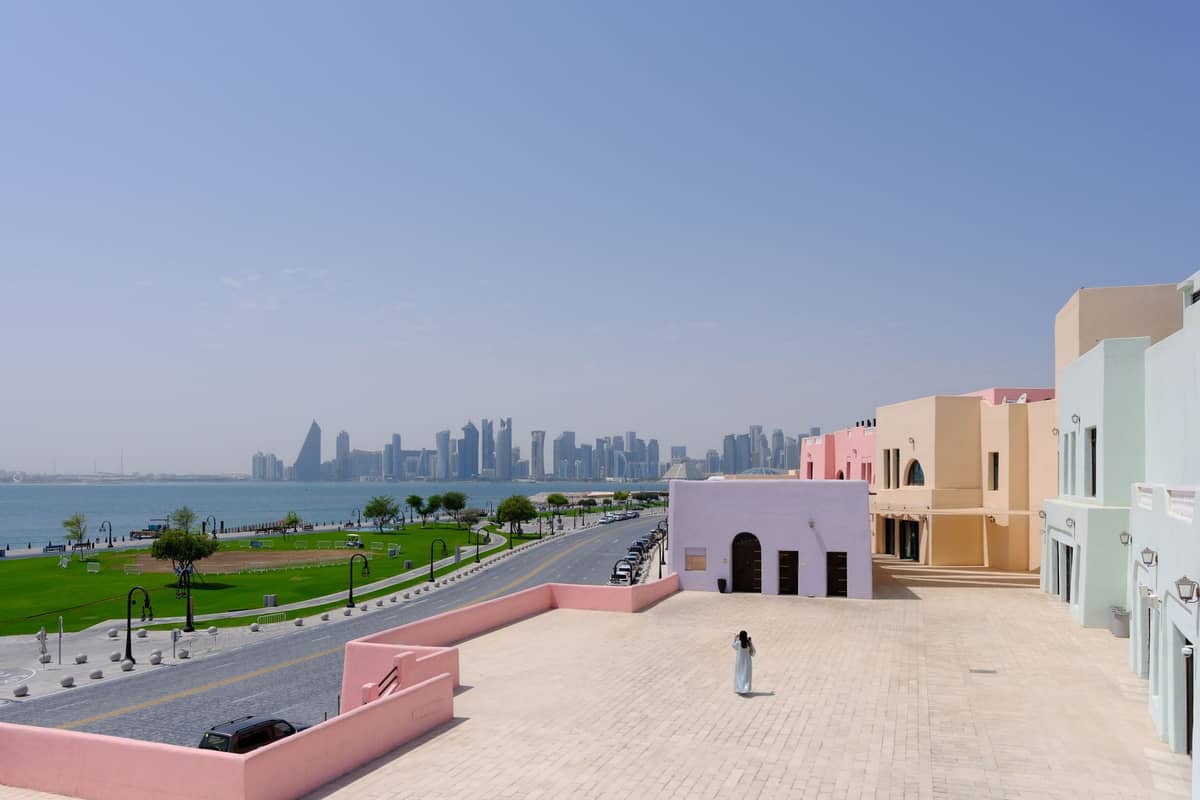
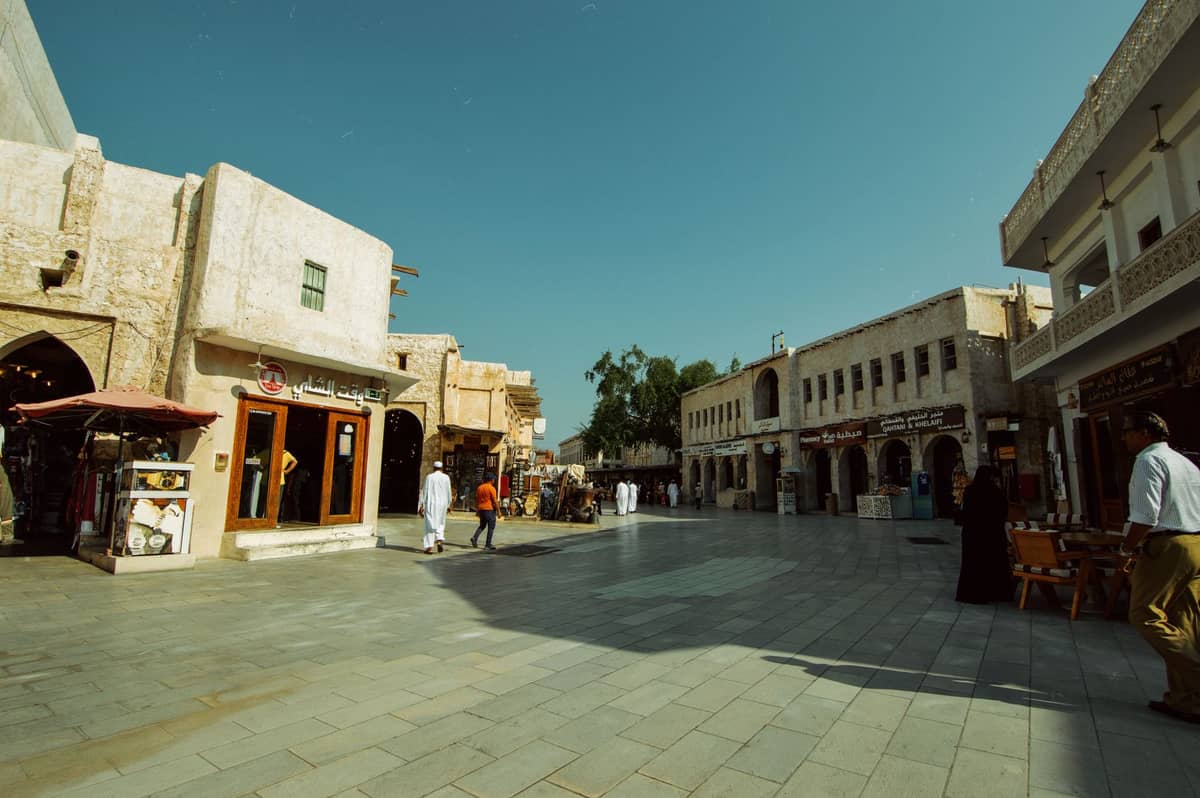
Doha does not have neighborhoods that tourists should categorically avoid on safety grounds. The risk profile across the city is low. That said, different areas have different character, and knowing what to expect helps. West Bay is the central business district, dominated by high-rise hotels and corporate offices, and is very safe but not particularly interesting for walking around. Souq Waqif and the area around Al Koot Fort are the most traditional parts of the city center, well-policed and heavily visited, but the narrow lanes and crowds make it worth keeping bags close and staying aware of your surroundings.
The Pearl-Qatar and Lusail City to the north are modern, planned developments with broad streets and heavy security presence. These are among the safest walking environments in the city for tourists. Katara Cultural Village is also well-managed and patrolled. The Corniche waterfront promenade is a popular spot for families and evening walkers and is safe at all hours, though standard common sense applies after midnight.
Petty theft exists but is uncommon. Pickpocketing in crowded markets is the most realistic scenario. Leave expensive jewelry at the hotel, use a bag that closes properly, and keep phones in front pockets in busy areas. Card skimming has been reported at some independent ATMs, so using machines inside banks or major hotels is the safer option.
Practical Safety Checklist Before You Arrive
- Check your visa status Qatar offers visa-free or visa-on-arrival access to many nationalities, but the list and conditions change. Verify your status via Qatar's Ministry of Interior or Qatar Tourism before booking flights.
- Read your government's travel advisory Both the UK Foreign Office and US State Department publish regularly updated Qatar advisories. They cover terrorism threat levels, regional tensions, and any current restrictions.
- Arrange travel insurance Medical care in Doha is high quality but not free for visitors. Ensure your policy covers emergency evacuation and hospitalization. The currency is the Qatari riyal (QAR), and hospital fees without insurance can be significant.
- Check medication rules Some prescription medications legal elsewhere are controlled or prohibited in Qatar. Carry a doctor's letter for any prescription drugs and verify legality with the Qatar Ministry of Public Health before traveling.
- Know the plug type Qatar uses 240V, 50Hz electricity with Type G (British-style three-pin) plugs. Travelers from the US and most of Asia will need a converter.
- Tap water Municipal tap water in Doha is treated and generally safe for domestic use. Many visitors prefer bottled water, which is widely available and inexpensive.
✨ Pro tip
Download an offline map of Doha before you land. Google Maps works in Qatar, but having offline access is useful in areas with poor data signal. Save your hotel address in Arabic as well as English, since some taxi drivers navigate more easily with Arabic text.
FAQ
Is Doha safe for solo female travelers?
Yes, Doha is considered one of the safer destinations in the Middle East for women traveling alone. Harassment is uncommon and the city's public spaces, Metro, and shopping areas are well-monitored. Dressing modestly in public areas (covering shoulders and knees) reduces unwanted attention and avoids any legal issue. Solo women should apply the same common sense they would in any unfamiliar city: avoid poorly lit areas late at night, use official taxis or the Metro rather than accepting rides from strangers, and keep accommodation addresses accessible.
Can you drink alcohol in Doha?
Alcohol is available in Doha but only in licensed venues, primarily hotel bars and restaurants, and a small number of approved private clubs. Buying alcohol from a government-licensed off-license (QDC) is possible for non-Muslim residents with a permit, but not practically accessible for tourists. Drinking in public, on beaches, in parks, or in vehicles is illegal. Being visibly drunk in public can lead to arrest.
What is the dress code for tourists in Doha?
In public spaces including malls, streets, markets, and government buildings, both men and women should cover shoulders, chest, and knees. Swimwear is acceptable at hotel pools and designated beach areas. Topless sunbathing is illegal everywhere. Resort areas apply looser standards than traditional neighborhoods, but revealing clothing in places like Souq Waqif or near mosques is inappropriate and can attract police attention.
Is Doha safe during Ramadan?
Doha is safe to visit during Ramadan, and some travelers find the atmosphere meaningful and interesting. However, practical restrictions apply: eating, drinking, and smoking in public during daylight hours is illegal for everyone, including tourists. Many restaurants close or operate behind screens during fasting hours. Alcohol availability is further restricted in some venues. Loud music in public areas is curtailed. Hotels maintain normal services for guests inside their premises.
How do I get from Hamad International Airport to central Doha safely?
The safest and most reliable options are the Doha Metro Red Line (which runs directly from the airport into central Doha for QAR 2 in standard class) or official Karwa taxis that queue at the airport arrivals hall. Avoid accepting offers from unlicensed drivers inside the terminal. Ride-hailing apps also operate from the airport. Journey time to the city center is typically 20 to 40 minutes depending on traffic and route.