Luxury Guangzhou: Best 5-Star Hotels, Fine Dining & Experiences
Guangzhou punches well above its weight as a luxury destination. This guide breaks down the best 5-star hotels by district, the fine dining worth your money, and the high-end cultural experiences that separate a premium Guangzhou trip from a basic one.
Plan and book this trip
Tools from our partner Travelpayouts help you compare flights and hotels. If you book through them, we may earn a commission at no extra cost to you.
Flights
Hotels map
TL;DR
- 5-star hotel rates in Guangzhou average around $118–$152/night, though listed prices can start much lower depending on dates, platform, and room type — always compare booking conditions before confirming.
- Location matters enormously: luxury properties cluster in Tianhe and Zhujiang New Town, with a separate group near Baiyun Airport for transit travelers.
- Guangzhou's luxury food scene is anchored by Cantonese fine dining, not Western imports — skip the hotel buffets and book a proper Cantonese banquet restaurant instead.
- The Canton Fair and major trade expos push hotel prices significantly higher; check your travel dates against the Canton Fair schedule before booking.
- October to November is the sweet spot for a luxury visit: mild weather, lower humidity, and slightly softer hotel rates between fair periods.
Why Guangzhou Deserves More Credit as a Luxury Destination
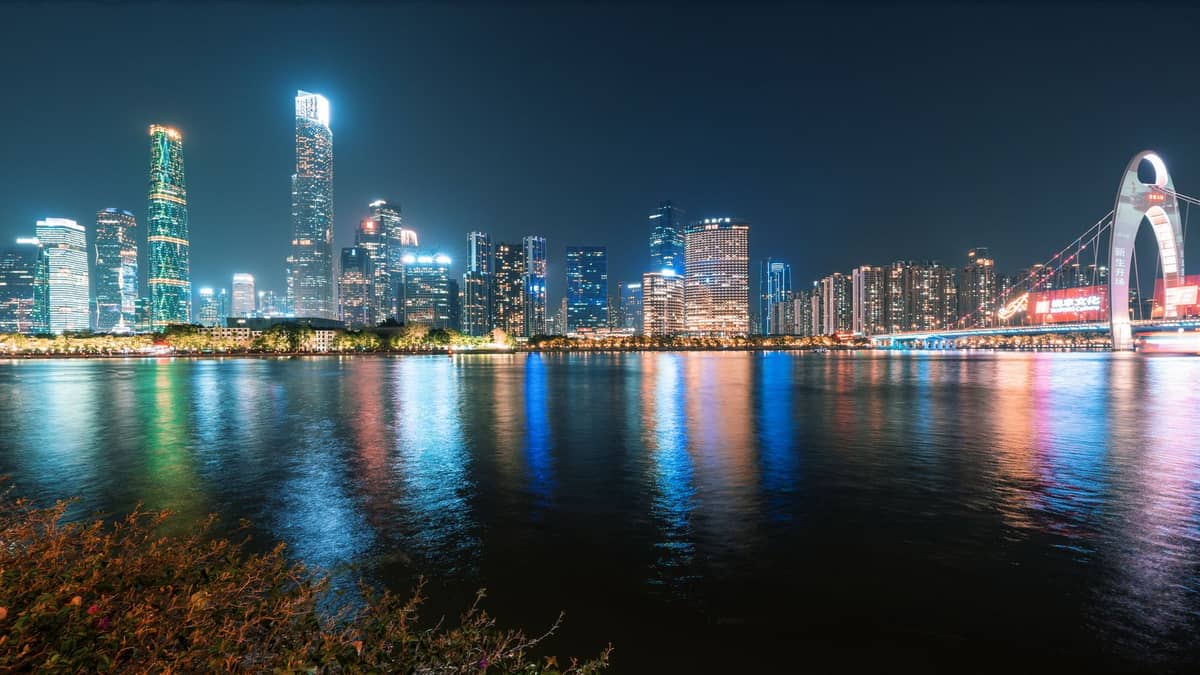
Guangzhou, the capital of Guangdong Province and one of China's largest cities by population, has long been overshadowed by Shanghai and Beijing in the luxury travel conversation. That reputation is out of date. The city has built a serious stock of international-standard hotels, a restaurant culture rooted in one of the world's most refined culinary traditions, and cultural infrastructure that includes the Zaha Hadid-designed Guangzhou Opera House and a cluster of world-class museums. For travelers who know where to look, this city offers a luxury experience that is genuinely distinctive.
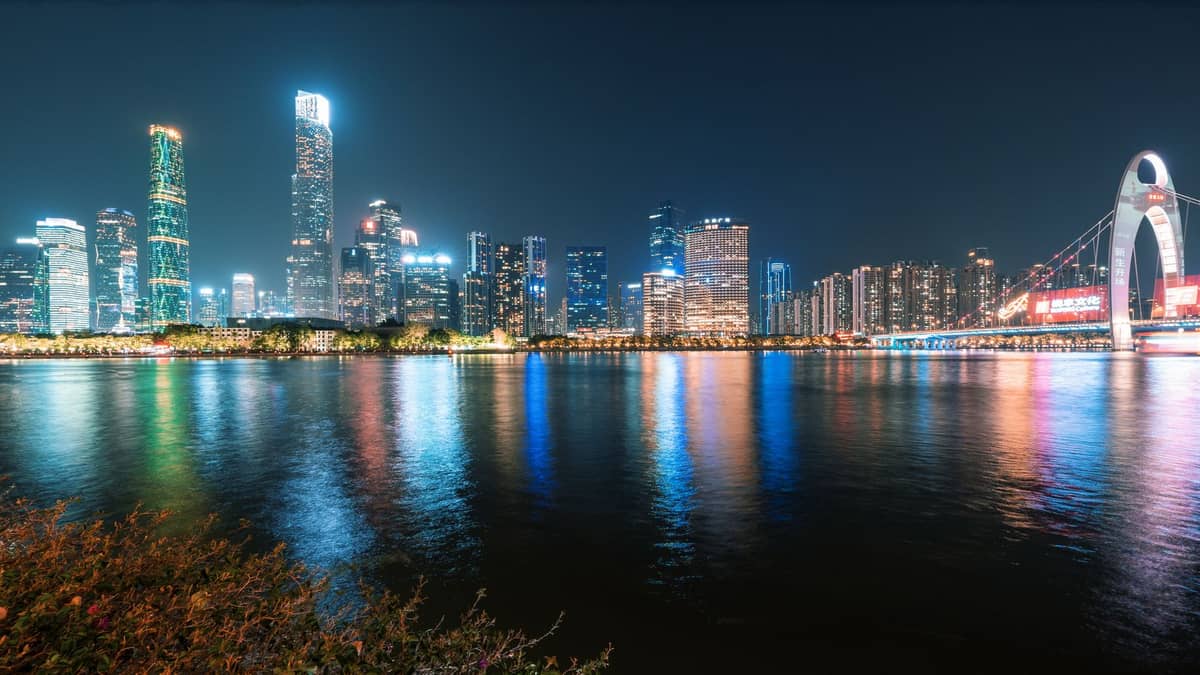
Part of what makes Guangzhou interesting for premium travel is the contrast between old and new. You can stay in a sleek tower hotel in Zhujiang New Town with views of the Canton Tower, then spend the morning at a century-old dim sum teahouse in Liwan, and finish the evening at a Michelin-recognized Cantonese restaurant. That kind of range is harder to find in cities with a more homogenized luxury scene.
⚠️ What to skip
Guangzhou is a major trade and business hub. The Canton Fair (held twice yearly in April and October) and other large expos drive hotel demand sharply upward. Luxury hotel rates can roughly double during these periods, and availability tightens across all star categories. Check your dates against the Canton Fair calendar before finalizing any booking.
5-Star Hotels in Guangzhou: What to Expect and Where to Stay
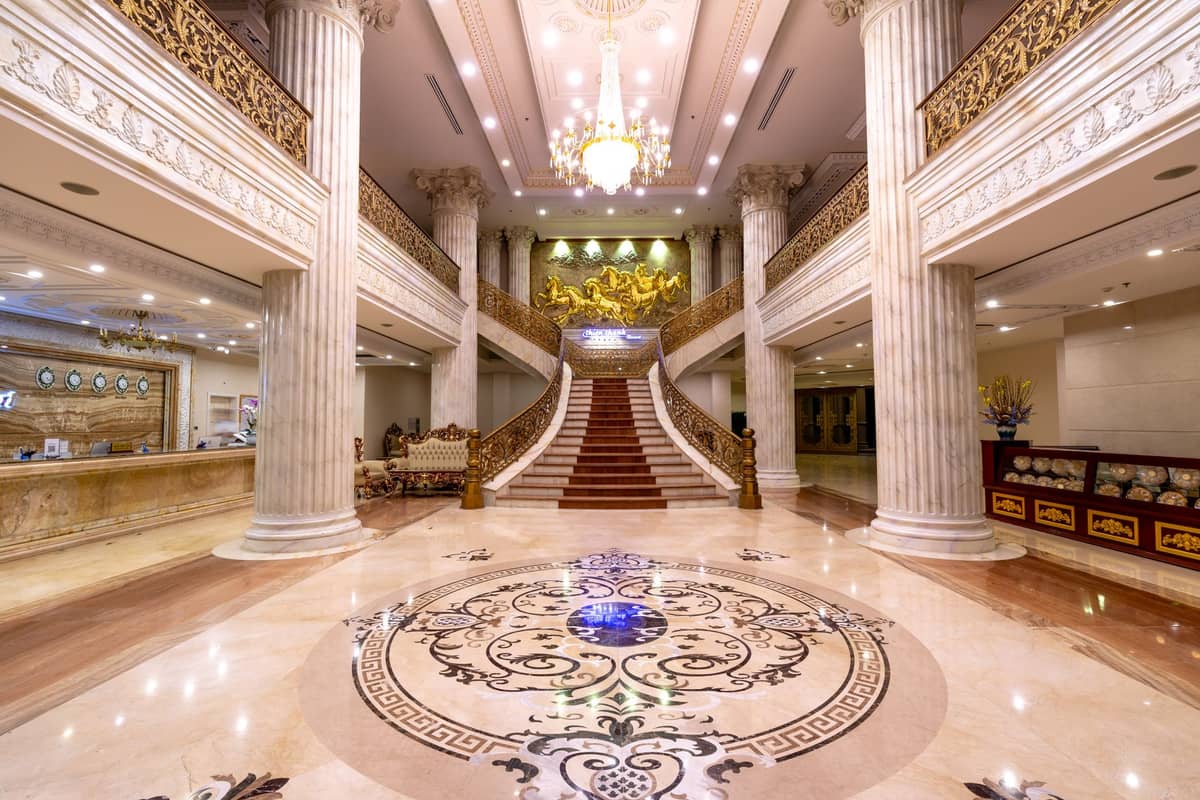
The 5-star label in China covers a wide spectrum. At the top end, you get properties that compete with the best in Asia: full-service spas, multiple signature restaurants, butler service, and rooms with serious city views. At the lower end of the 5-star bracket, you get solid business hotels with good service but few standout features. Prices listed on aggregator platforms currently range from around $51–$73 at the low end (typically non-refundable rates for specific room types) to well over $300 for premium rooms at flagship properties. The meaningful average for a comfortable 5-star night sits around $152, depending on the platform and travel dates.
One important note: a 5-star classification in China is awarded by domestic rating bodies and does not always align directly with international hotel group standards. That does not mean quality is lower, but it does mean you should read recent guest reviews alongside the star rating, particularly for independent properties.
- Zhujiang New Town / Tianhe The city's most prestigious hotel zone. Luxury towers here sit alongside the Guangzhou Opera House, the Guangdong Museum, and the Pearl River waterfront. Ideal for travelers who want the full modern Guangzhou experience. Walking distance to high-end shopping and major cultural landmarks.
- Yuexiu and Beijing Road area Better suited to travelers interested in historical Guangzhou. Hotels here give easier access to Yuexiu Park, the Chen Clan Ancestral Hall area, and traditional Cantonese neighborhoods. Slightly less glamorous than Tianhe but more characterful.
- Baiyun Airport vicinity A practical choice for transit travelers or Canton Fair attendees whose business is in the northern part of the city. The Hilton Guangzhou Baiyun Airport is a well-known option in this zone. Not recommended if your main purpose is sightseeing or cultural immersion — distances to the main attractions are significant.
- Shamian Island and Liwan Boutique and heritage-style accommodation rather than international chain 5-stars. The colonial-era architecture of Shamian Island suits travelers looking for atmosphere over amenity volume. Good base for exploring traditional Cantonese neighborhoods and the weekend antique markets.
✨ Pro tip
Compare the same property across at least two booking platforms before confirming. Prices for the same room can vary by 15–25% between Booking.com, Trip.com, and Expedia on a given date. Also check whether the lowest rate is non-refundable — ultra-low 5-star prices often come with inflexible cancellation terms that make them high-risk for business travel or trips with uncertain dates.
Some commonly listed properties worth knowing for comparison include the voco Guangzhou Shifu, the LN Garden Hotel Guangzhou, and the Asia International Hotel. These appear consistently across major booking platforms. For a full breakdown of neighborhoods and what each offers visitors, the where to stay in Guangzhou guide covers the tradeoffs in detail.
Fine Dining in Guangzhou: Cantonese Cuisine at Its Highest Level
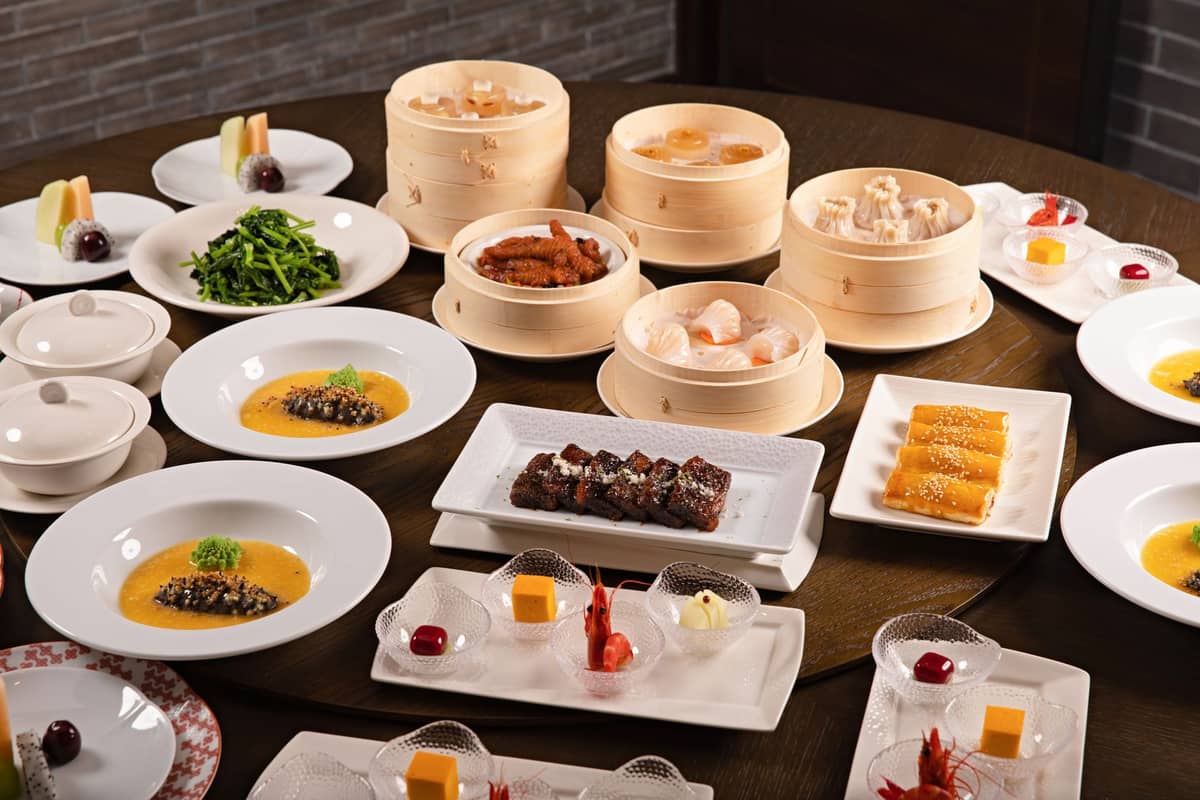
Guangzhou's food culture is its most legitimate claim to world-class status. Cantonese cuisine here is not a tourist performance — it is the living daily practice of a city that takes eating seriously in a way few places on earth match. The highest expression of that tradition is Cantonese banquet dining: multi-course meals built around precise technique, premium ingredients like live seafood, aged Pu-erh-braised dishes, and seasonal produce. For a genuine luxury food experience in Guangzhou, this is the category to prioritize over any Western fine dining option.
Dim sum, Guangzhou's other culinary signature, also has a high-end version that is worlds apart from the trolley-service format most travelers know. The best dim sum restaurants in the city serve handmade items to order, use premium fillings like crab roe and aged pork, and operate in heritage buildings with serious service. For a proper introduction to this end of the spectrum, the Guangzhou dim sum guide is the best starting point.
- Cantonese banquet restaurants in upscale hotels (particularly in Tianhe) offer set menus that remove the ordering complexity for non-Cantonese speakers, but à la carte dining at standalone restaurants is often better value and more authentic.
- Live seafood is central to premium Cantonese dining. The Huangsha Seafood Market is a reference point for where restaurants source their product — visiting it gives useful context for what you are eating.
- Roast goose is a benchmark dish in Guangdong province. A proper roast goose from a respected restaurant is one of the more memorable food experiences Guangzhou offers at any price point.
- Congee at a high-end Cantonese restaurant bears almost no resemblance to its budget versions. Premium congee uses aged rice, slow-cooked stock, and expensive toppings like preserved egg with quality pork or seafood.
- Tipping is not standard practice in mainland China, including at fine dining restaurants. Service charges may be added by some upscale hotel restaurants — check the bill before adding anything extra.
💡 Local tip
Lunch is actually the premium time slot for Cantonese dining, not dinner. Serious dim sum and Cantonese banquet restaurants often fill up for Saturday and Sunday lunch weeks in advance. If you are visiting on a weekend, book the moment you confirm your travel dates.
High-End Cultural Experiences Worth Paying For
A luxury Guangzhou trip should include at least one evening at the Guangzhou Opera House. Designed by Zaha Hadid and completed in 2010, it sits on the Pearl River waterfront in Zhujiang New Town and is one of the more architecturally significant performance venues in Asia. The programming covers international opera, classical music, and dance. Tickets for premium seats at major productions can reach several hundred yuan, but the building itself — and the experience of attending a performance there — is hard to replicate anywhere else in China.
Cantonese opera deserves a mention specifically for culturally curious travelers. It is a genuinely sophisticated art form with centuries of history in Guangzhou, and the Cantonese Opera Art Museum in Liwan is an excellent entry point. The museum itself is free, but performances at dedicated venues provide a more immersive experience. The Guangzhou Cantonese opera guide covers how to find and book performances.
For a different kind of premium experience, a private or small-group evening cruise on the Pearl River gives views of the city skyline that daytime sightseeing cannot match. The illuminated Canton Tower reflected on the water, combined with views across Haizhu and Tianhe, is genuinely impressive. Charter options exist beyond the standard tourist ferry — hotel concierge desks at 5-star properties can often arrange private boat access. More background on the river and cruise options is in the Pearl River guide.
Practical Logistics for Luxury Travel in Guangzhou
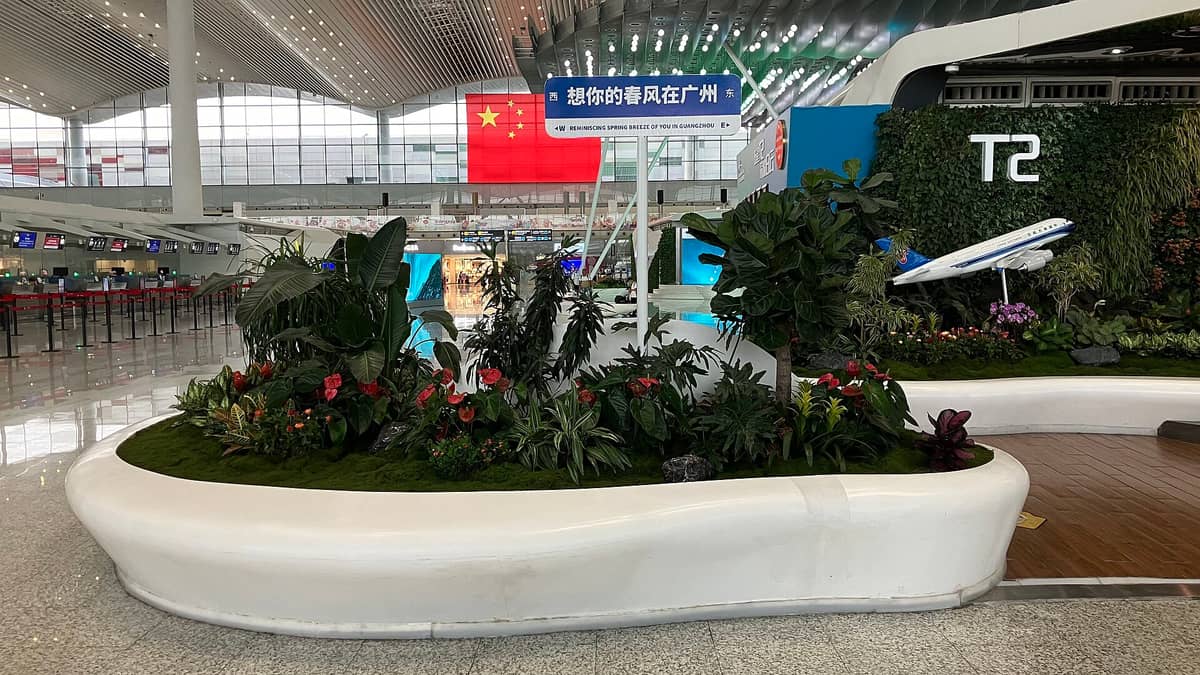
Guangzhou Baiyun International Airport (IATA: CAN) is the primary entry point. The airport sits in the northern part of the city, and the metro connection into the center is reliable and straightforward, though the journey to Tianhe or Zhujiang New Town takes around 40–60 minutes depending on the line and interchange. For a luxury arrival, private airport transfer vehicles are easily arranged through most 5-star hotel concierge services — worth considering if you are arriving late or with significant luggage.
Getting around the city is easy. The Guangzhou Metro is extensive and well-maintained, and DiDi (China's dominant ride-hailing app) works reliably for point-to-point trips across the city. For travelers staying in Tianhe or Zhujiang New Town, many of the premium restaurants, museums, and the Opera House are walkable from each other. A full logistics breakdown is in the getting around Guangzhou guide.
The best months for a luxury visit are October through early November and March through April. Guangzhou's subtropical climate makes summer (June to August) genuinely uncomfortable: high humidity, temperatures in the mid-30s Celsius, and frequent rain. The city looks and feels its best in autumn, which also coincides with slightly lower hotel rates in the windows between major trade events. Winter (December to February) is mild by Chinese standards but can be grey and cool.
- Currency: all transactions are in Chinese yuan (CNY/RMB). Major luxury hotels accept international credit cards, but having Alipay or WeChat Pay set up is useful for restaurants and taxis.
- Language: Cantonese is the dominant spoken language in daily Guangzhou life, though Mandarin is widely understood. English is available at international chain hotels but limited at standalone restaurants — a translation app is practical to have.
- Electricity: 220V, plug types A, C, and I are common. Most luxury hotel rooms include universal adapters on request.
- Water: tap water is not recommended for direct consumption. All 5-star hotels provide bottled water; this is standard practice across mainland China.
- Visa entry rules are nationality-specific and change frequently. Verify current requirements with official Chinese consular sources well before travel.
ℹ️ Good to know
Guangzhou falls under China's 144-hour visa-free transit policy for eligible nationalities transiting through Guangzhou Baiyun International Airport. This can be a practical option for adding a Guangzhou luxury stopover to a longer itinerary. Eligibility rules change — verify with Chinese consular sources before planning around this.
What to Skip: Overrated Options in the Luxury Category
Not everything carrying a premium price tag in Guangzhou is worth it. Hotel lobby bars at 5-star properties often charge significantly more than nearby standalone cocktail bars with comparable quality. The rooftop bar category is particularly variable — some offer genuinely good city views while others face away from the skyline or have mediocre drink programs at high prices. Check the orientation of the property before booking a rooftop experience.
Some international chain hotel restaurants in Guangzhou offer Western fine dining at prices that are hard to justify given what the same money buys at a serious Cantonese restaurant two streets away. This is not a universal rule, but if a hotel is advertising a Western steakhouse as its flagship dining experience, that is usually a signal to look elsewhere for the best meal of your trip.
For travelers with more time, some of the best luxury-adjacent experiences in Guangzhou cost very little: early morning at Yuexiu Park before the crowds arrive, the colonial architecture walk on Shamian Island, or an evening walk along the Zhujiang New Town waterfront. The free things to do in Guangzhou guide covers these in depth.
FAQ
How much does a 5-star hotel in Guangzhou cost per night?
Current listings on major booking platforms show 5-star hotels in Guangzhou with average rates around $118–$152 per night, though entry-level rates for specific room types can be listed as low as $25–$73. The wide range reflects differences in room category, cancellation terms, platform, and travel dates. Rates rise significantly during the Canton Fair (April and October) and other major trade events. Always compare across at least two platforms and read the cancellation policy before booking.
Which area of Guangzhou is best for luxury hotels?
Zhujiang New Town and Tianhe district are the primary luxury hotel zones. They offer the best combination of premium accommodation, proximity to the Guangzhou Opera House and Guangdong Museum, Pearl River waterfront access, and high-end dining options. For a more atmospheric alternative with heritage character, Shamian Island has boutique-style options, though fewer full-service 5-star properties.
When is the best time to visit Guangzhou for a luxury trip?
October to early November is the optimal window: mild temperatures, lower humidity than summer, good air quality, and relatively competitive hotel rates in the gaps between major trade fairs. March to April is the second-best period. Avoid peak Canton Fair dates in both April and October if budget is a concern, as hotel prices across all categories increase substantially during these periods.
Is fine dining in Guangzhou better at hotel restaurants or standalone restaurants?
For Cantonese cuisine specifically, standalone restaurants and heritage teahouses generally outperform hotel in-house restaurants on both food quality and cultural authenticity. Hotel restaurants have the advantage of English menus and familiar service standards, but the most memorable Guangzhou meals tend to happen at purpose-built Cantonese banquet restaurants or respected dim sum houses. Hotel concierge desks at 5-star properties can often recommend and book reservations at serious local restaurants.
Do I need cash for luxury experiences in Guangzhou?
International chain hotels and most high-end restaurants accept credit cards. However, Alipay and WeChat Pay dominate everyday payment in Guangzhou, including at many premium local restaurants, private taxis, and cultural attractions. Foreign visitors can now link international cards to Alipay, which has made cashless payment more accessible. It is practical to have a small amount of CNY cash as backup for situations where mobile payment is unavailable.