Getting Around Marrakech: The Complete Transport Guide
From the airport shuttle to navigating the medina on foot, this guide covers every realistic way to get around Marrakech — with current prices, clear trade-offs, and the practical details most guides leave out.
Tickets & tours
Live prices and dates from our booking partner. If you book, we may earn a commission at no extra cost to you.
TL;DR
- Marrakech Menara Airport (RAK) sits about 6 km from the city centre; Bus 19 costs around 30 MAD one-way and runs every 20-30 minutes to Jemaa el-Fna.
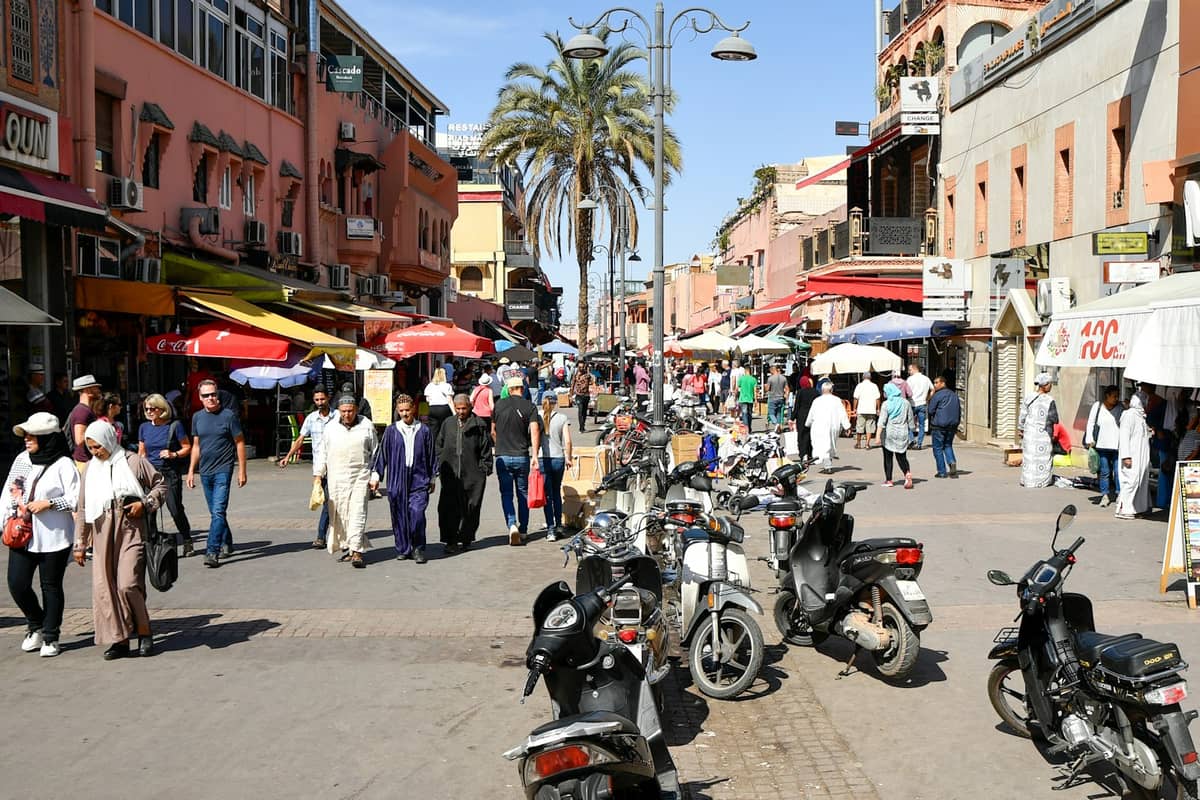
- Petit taxis are the most flexible option in the city — expect 15-30 MAD for short medina trips, always agree the fare before you get in.
- The medina is best explored on foot; cars and motorcycles cannot enter most of its alleyways — see our Marrakech walking tour guide for navigating the old city.
- Ride-hailing apps Careem and inDrive work in Marrakech and remove the need to negotiate fares — especially useful at night.
- Grand taxis cover intercity and out-of-town routes; trains (ONCF) connect Marrakech to Casablanca, Fes, and Rabat from the central station.
Getting from Marrakech Menara Airport to the City Centre
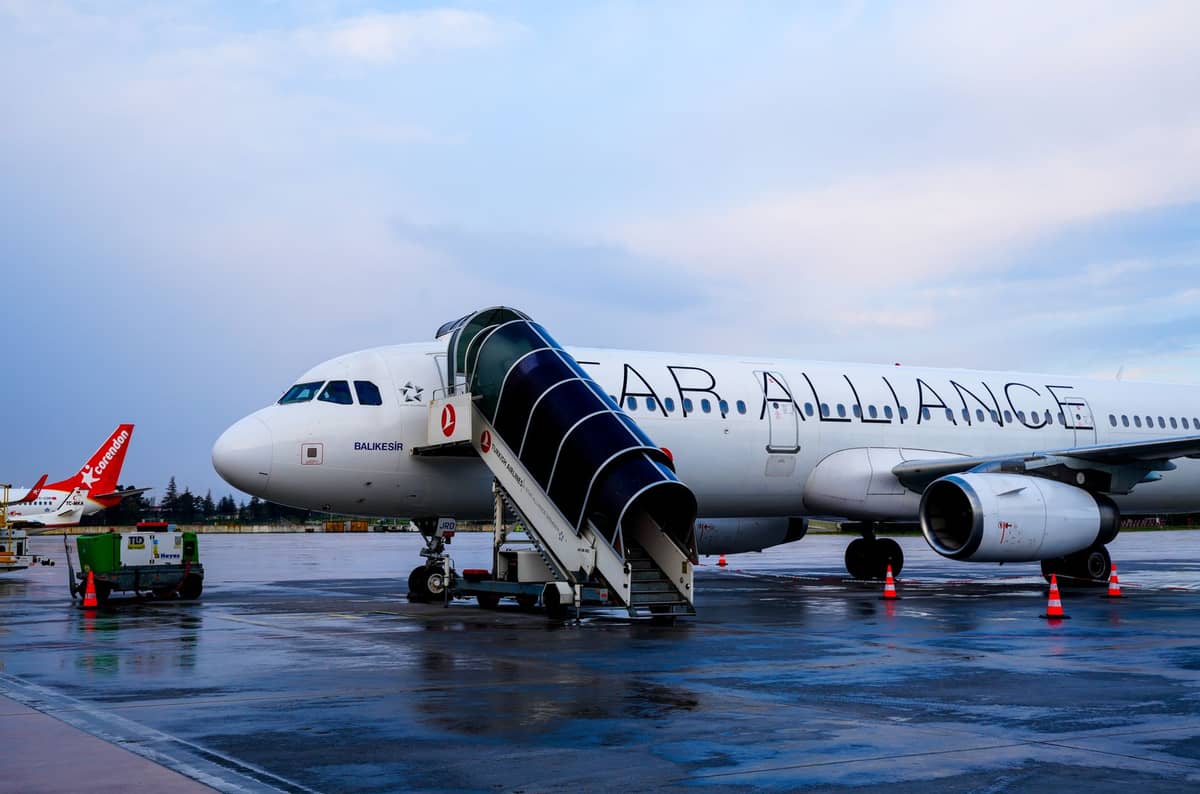
Marrakech Menara Airport (IATA: RAK) is one of the more conveniently located airports in North Africa, sitting roughly 6 km southwest of Jemaa el-Fna. In normal traffic, the drive takes 15-20 minutes. The main question isn't how to get there — it's which option suits your budget, luggage load, and time of arrival.
- Bus 19 (Airport Shuttle, ALSA) The cheapest and most direct public option. Runs every 20-30 minutes from around 06:00 to 23:30, stopping at the train station, Gueliz, and Jemaa el-Fna. Fare: around 30 MAD one-way, 50 MAD return. Journey time: 30-40 minutes. Ideal for solo travellers with manageable luggage.
- Petit Taxi (from airport rank) Fixed-fare boards are posted at the arrivals hall. Typical daytime fare to the medina or Gueliz: 70-120 MAD depending on the source you check — confirm the posted price before boarding. A 50% nighttime surcharge applies after around 21:00. Journey time: 15-20 minutes.
- Ride-Hailing (Careem / inDrive) App-based fares run around 70-100 MAD to the city centre, comparable to taxis but with a fixed price shown upfront. Useful at night when taxi negotiation gets harder. Confirm driver and plate number before entering.
- Pre-Booked Private Transfer Door-to-door service from around €15 per vehicle, higher for larger vans. Worth it if you're arriving late, carrying a lot of luggage, or staying in a riad deep in the medina where the address is difficult to explain to a taxi driver.
⚠️ What to skip
Airport taxis in Marrakech do NOT use the meter for journeys into the city — fares are fixed and posted on a board inside arrivals. If a driver starts the meter, check whether that's actually cheaper than the posted fixed rate. At night, the nighttime surcharge (roughly 50%) applies, so a 100 MAD daytime fare can become 150 MAD after around 21:00.
One thing worth knowing about Bus 19: it doesn't only serve the medina. It also stops at Gueliz (the modern district) and the ONCF train station, making it genuinely useful even if you're not staying near Jemaa el-Fna. That said, during busy arrival periods the bus can fill up fast, and loading luggage into an already crowded bus is frustrating. If you have more than one large bag, a taxi or transfer makes more sense.
Getting Around the Medina: Walking and Taxis
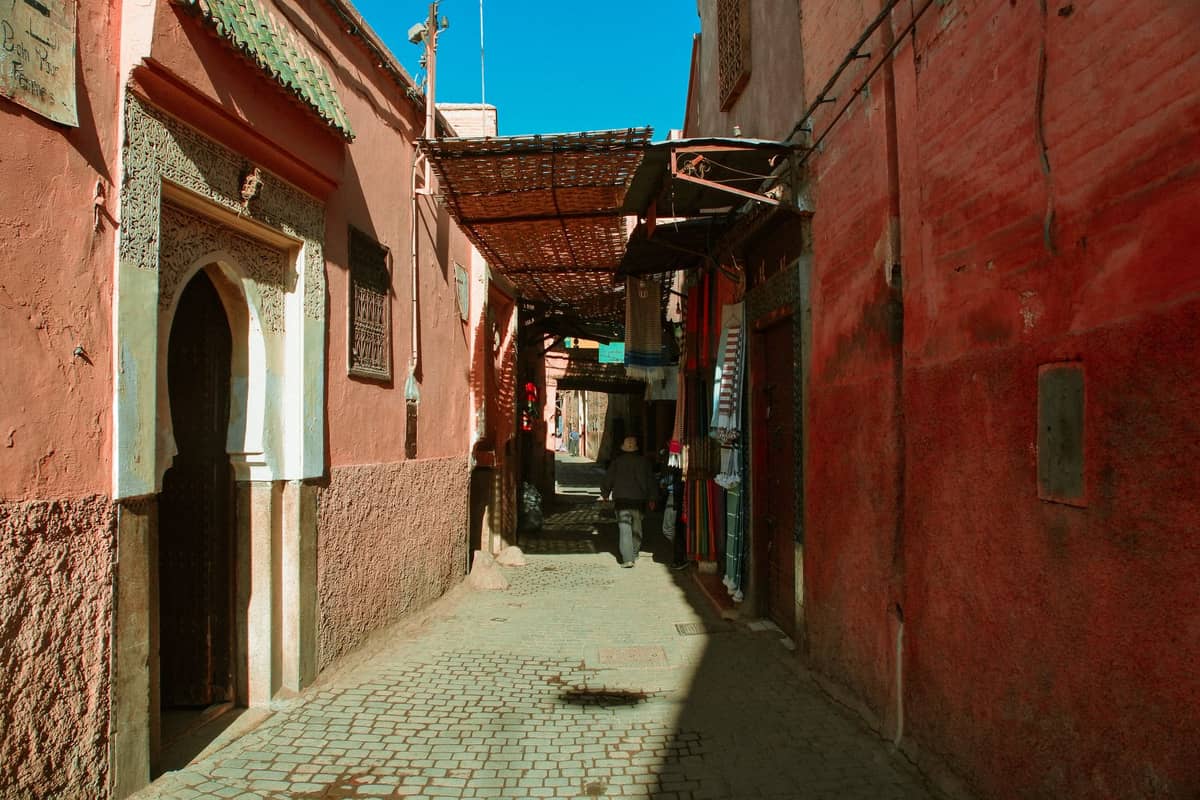
The medina was not designed for vehicles. Most of its alleyways (derbs) are too narrow for cars, and motorcycles and cargo bikes share the same lanes as pedestrians, which means walking is not just the atmospheric choice — it's often the only realistic one. A good portion of the medina's key sights, from the Ben Youssef Madrasa to the souks, are within 15-20 minutes' walk of Jemaa el-Fna.
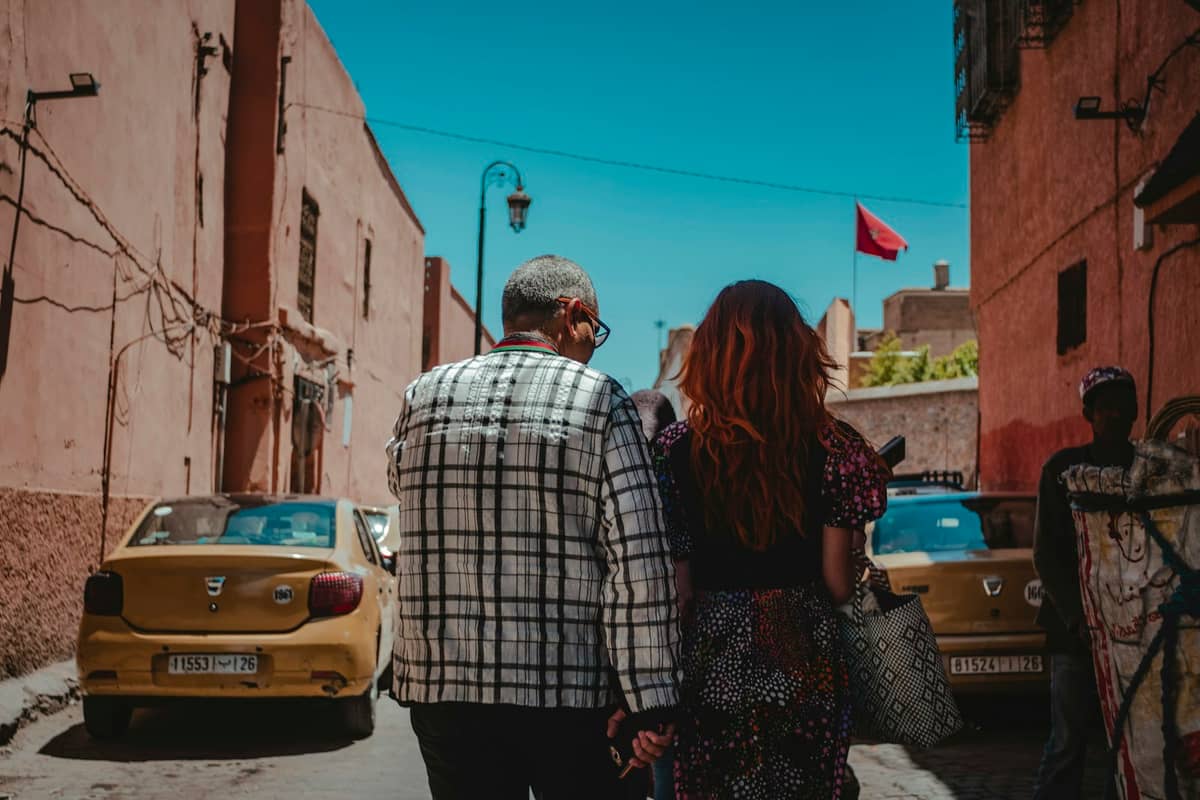
Petit taxis (small beige saloon cars) operate within Marrakech city limits and are the right tool for crossing from the medina to Gueliz, or for getting back to your riad after a late dinner. They take a maximum of three passengers. The meter should run for short city trips, but for medina drop-offs — where the car often can't reach your exact door — it's common to agree a price upfront. Short trips within the medina area typically cost 15-30 MAD. Always have small change; drivers rarely have it.
💡 Local tip
If your riad is deep in the medina, give the taxi driver the name of the nearest large landmark or gate (bab) rather than the full address. Once you're at a recognizable point, a local will point you in the right direction. Apps like Google Maps and Maps.me work reasonably well in the medina but occasionally lag on very narrow alleyways.
Ride-Hailing Apps: Careem and inDrive in Marrakech
Careem (owned by Uber) and inDrive both operate in Marrakech; inDrive is generally more widely available, while Careem’s coverage can be patchy. Both apps show the price before you confirm, and payment can be in-app or cash. For trips between Gueliz and the medina, or from your hotel to a restaurant, the convenience is hard to argue with when cars are available.
The catch is that drivers sometimes struggle to reach exact medina addresses, just as taxis do. It helps to set your pickup point at a gate or a large square rather than a specific alley. inDrive works slightly differently from Careem: you propose a fare and drivers accept or counter-offer, which requires a bit more engagement but can result in lower prices on common routes.
✨ Pro tip
Download both Careem and inDrive before you arrive. During busy evenings around Jemaa el-Fna, one app may have more drivers available than the other. Having both installed takes 30 seconds and saves significant hassle.
Getting Between Districts: Gueliz, Hivernage, and the Palmeraie
Marrakech's modern districts sit outside the old walls and are accessible by taxi, bus, or ride-hailing app. Gueliz is the closest to the medina — a 15-20 minute walk along Avenue Mohammed V from Jemaa el-Fna, or a 5-10 minute taxi ride. It's where you'll find most of the city's contemporary restaurants, international banks, and the main post office.
Hivernage sits just southwest of the medina walls, about 10 minutes by taxi from Jemaa el-Fna. It's primarily a hotel and nightlife zone. The Palmeraie, the palm grove area to the northeast, is further out — typically a 20-30 minute taxi ride depending on traffic. Taxis to the Palmeraie will cost noticeably more, in the range of 50-80 MAD from the medina, and you should agree the fare in advance.
- Medina to Gueliz: 5-10 min by taxi, 30-40 MAD. Walkable in 15-20 min via Avenue Mohammed V.
- Medina to Hivernage: 5-10 min by taxi, 25-40 MAD.
- Medina to Palmeraie: 20-30 min by taxi, 50-80 MAD agreed in advance.
- Medina to Menara Gardens: 10-15 min by taxi, 30-50 MAD.
- Medina to train station (Marrakech Railway Station): 10 min by taxi, 25-40 MAD, or ALSA Bus 19 from the airport also serves this station via Jemaa el-Fna and Gueliz.
Trains, Buses, and Getting Out of Marrakech
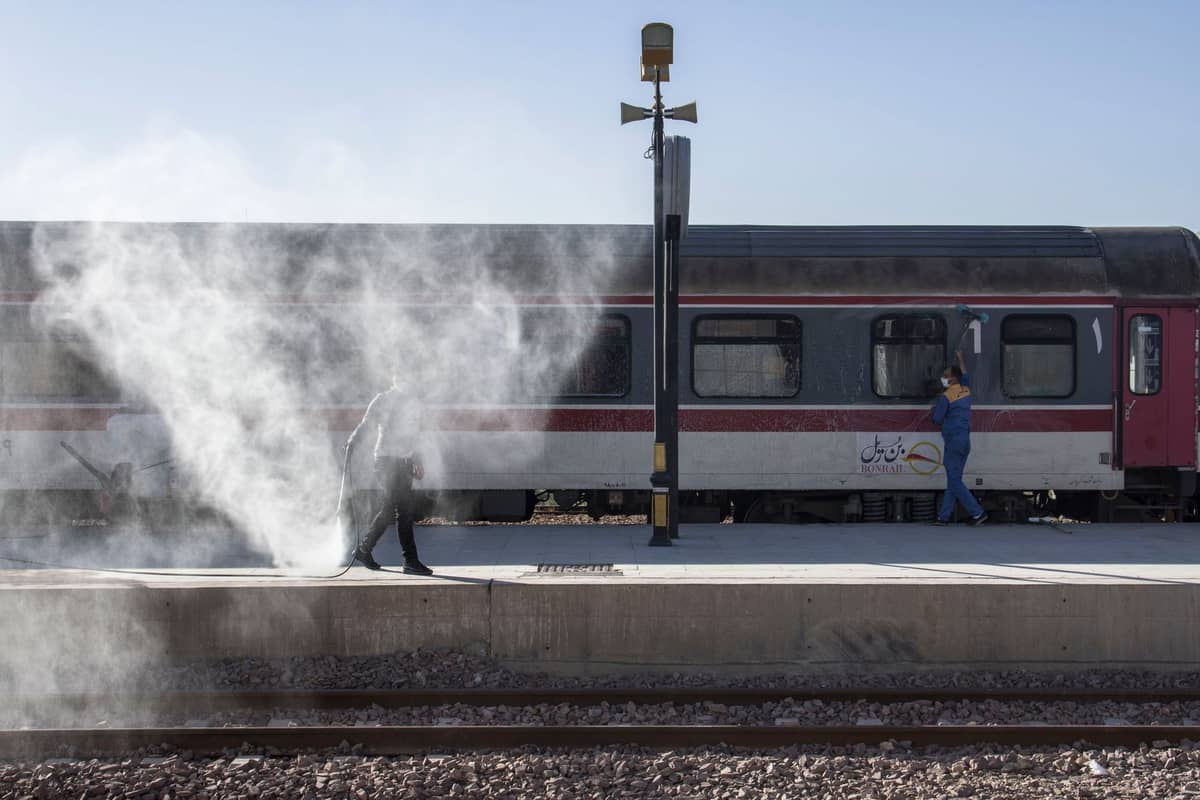
Morocco's national rail network (ONCF) serves Marrakech from its central Marrakech Railway Station in Gueliz. Direct trains run to Casablanca (around 3 hours), with onward connections to Rabat, Fes, and Tangier. The train is comfortable, reliable, and good value — first-class tickets to Casablanca typically cost 120-160 MAD, though prices vary by time and booking window.
For destinations not served by rail, CTM and Supratours operate long-distance bus services. Supratours in particular connects Marrakech to Essaouira in about 2.5-3 hours, a popular and affordable option if you're planning a day trip or short detour to the Atlantic coast. Grand taxis (larger shared taxis) also cover regional routes — they leave when full from fixed taxi stands, are cheaper than private taxis for long distances, but offer no fixed schedule.
If you're considering day trips — to the Ourika Valley, the Agafay Desert, or further afield — most visitors either rent a car or join an organized tour. Day trips from Marrakech are covered in depth in a separate guide, but note that driving yourself in the medina is rarely practical; renting a car makes most sense for longer excursions outside the city.
Practical Tips for Getting Around Marrakech
- Carry small change at all times Petit taxi drivers rarely have change for 100 or 200 MAD notes. Keep a stash of 10 and 20 MAD coins and small bills.
- Learn a few landmark names Jemaa el-Fna, Bab Doukkala, Bab Ghmat, the Koutoubia mosque, and Avenue Mohammed V are reference points every driver will know. Use these to navigate rather than street addresses.
- Agree taxi fares before you get in For medina drop-offs and any trip where the meter is unlikely to be used, settle the price first. It removes the awkward negotiation at the other end.
- Avoid peak times around Jemaa el-Fna Between 18:00 and 21:00, the square and surrounding streets are at maximum congestion. If you need a taxi at this time, walk one block away from the square before hailing one.
- Night travel costs more The approximately 50% nighttime surcharge on taxis kicks in at around 21:00. Budget accordingly for late-night returns from restaurants or events.
- Horses, calèches, and tourist carriages Horse-drawn carriages (calèches) operate near Jemaa el-Fna and around the ramparts. They're expensive relative to taxis for point-to-point transport but can be a reasonable way to circle the city walls if you negotiate a fixed price per circuit upfront.
For first-time visitors trying to plan logistics from scratch, the Marrakech airport transfer guide covers the arrival process in more detail, while where to stay in Marrakech explains how your neighbourhood choice affects how much you'll actually need to rely on taxis versus walking.
FAQ
Is there an Uber or similar app in Marrakech?
Uber itself does not operate in Morocco, but Careem (an Uber-owned app) and inDrive both function in Marrakech, with inDrive generally more widely available. Both show fixed prices before you confirm, making them a reliable alternative to negotiating with street taxis when cars are available. Download both before you arrive and check which has better coverage in your area.
How much does a taxi cost in Marrakech?
Short medina trips typically cost 15-30 MAD on the meter. Journeys between the medina and Gueliz run around 30-50 MAD. Airport fares are typically around 70-100 MAD by day and about 150 MAD at night — a nighttime surcharge of roughly 50% applies after around 20:00–21:00. Always agree the fare before getting in when the meter is not being used.
Can you walk everywhere in Marrakech?
Within the medina, walking is often the only practical option — most alleys are too narrow for cars. The medina itself is compact enough that most major sites are within 15-20 minutes of Jemaa el-Fna on foot. For trips to Gueliz or Hivernage, you can walk (20-30 minutes) but a taxi is faster and cheap enough to use regularly.
Is Bus 19 the best way to get from the airport to the city?
For solo travellers with light luggage and a daytime arrival, yes — it costs around 30 MAD, runs every 20-30 minutes from around 06:00 until around 23:30, and drops you at Jemaa el-Fna, Gueliz, and the train station. For late arrivals, families with luggage, or anyone staying deep in the medina, a pre-booked transfer or taxi is less stressful and not dramatically more expensive.
How do I get from Marrakech to Essaouira or Casablanca?
Supratours buses cover the Marrakech to Essaouira route in about 2.5-3 hours for a modest fare. For Casablanca, the ONCF train from Marrakech Railway Station takes around 2.5-3 hours and is comfortable and reliable — book in advance during peak periods. First-class tickets to Casablanca typically cost roughly 120-180 MAD but prices vary.
Tickets & tours
Live prices and dates from our booking partner. If you book, we may earn a commission at no extra cost to you.
Planning a trip? Discover personalized activities with the Nomado app.