Essaouira: The Atlantic Fortress City Worth the Journey from Marrakech
Essaouira is a UNESCO-listed fortified coastal city on Morocco's Atlantic coast, roughly 2.5 to 3 hours from Marrakech by road. Its 18th-century medina, ocean-facing ramparts, and salt-aired souks offer a complete change of pace from the heat and intensity of the inland city. Entry to the medina is free.
Quick Facts
- Location
- Essaouira Province, Atlantic coast of Morocco — approx. 175 km west of Marrakech
- Getting There
- Intercity bus from Marrakech (approx. 2.5–3 hrs); organized day-trip tours also available
- Time Needed
- Full day (6–8 hours) to do it justice; overnight stays allow a deeper experience
- Cost
- Free entry to the medina; individual museums and monuments charge small fees in MAD
- Best for
- History lovers, architecture fans, photographers, anyone needing a break from Marrakech's pace
- Official website
- www.visitmorocco.com/en/travel/essaouira-mogador
What Essaouira Actually Is
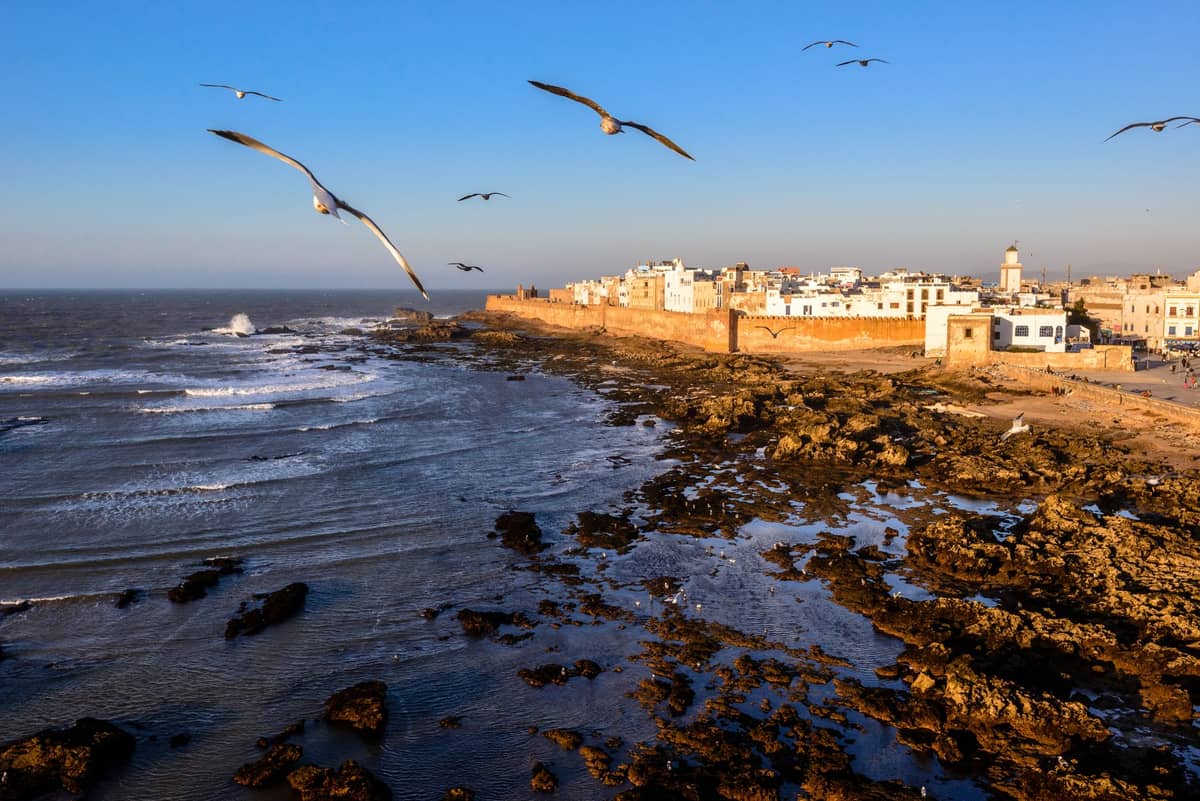
The Medina of Essaouira, also known historically as Mogador, is a UNESCO World Heritage Site inscribed in 2001. It covers approximately 30 hectares of living, inhabited city on Morocco's Atlantic seaboard. Unlike a museum or a palace with a ticket booth and closing time, Essaouira is a functioning town that you walk into freely. The listing recognizes the way its mid-18th-century fortified layout blends European military architecture with North African urban tradition in a form that was unusual for its time.
The city was designed and built in the mid-18th century, and the grid-like street plan inside the medina walls reflects that European influence clearly. Walk the main artery, Avenue Mohammed Zerktouni or the broad thoroughfare leading from Bab Doukkala toward the port, and you will notice the relative order of Essaouira's layout compared to the organic labyrinth of Marrakech's medina. The streets are wider, the grid more legible, the light more open. And then the wind hits you. Essaouira is persistently, sometimes ferociously windy, a fact that shapes everything from the architecture to the mood of the place.
ℹ️ Good to know
Essaouira is not a single gated attraction with set hours — it is a UNESCO-listed living city. Entry to the medina itself is free, year-round. Plan for a full day if travelling from Marrakech, or consider an overnight stay to see it at dawn and dusk.
The Journey from Marrakech
Essaouira sits roughly 175 kilometres west of Marrakech, and the drive or bus ride takes approximately 2.5 to 3 hours in normal conditions. The road passes through flat agricultural plains, then rises briefly into the Jbilet hills before descending toward the Atlantic. The landscape change is gradual but noticeable: the ochre earth of Marrakech gives way to argan trees, then the quality of light shifts entirely as the ocean approaches.
Intercity bus services connect Marrakech and Essaouira regularly, with the journey taking around 2.5 to 3 hours. Organized day-trip tours by road are widely available from Marrakech's riad district. If you prefer total flexibility, consider this detailed guide on getting from Marrakech to Essaouira which covers current departure points, timings, and what to expect on arrival.
Arriving by bus drops you at a stop just outside the medina walls. From there, the entrance to the historic quarter is a short walk. The Bab Marrakech gate is the typical entry point for visitors arriving from the east side. The medina is pedestrian-only inside most of its core, with narrow passages and uneven stone surfaces. Comfortable, closed-toe shoes are advisable, not a suggestion.
💡 Local tip
Depart Marrakech early — ideally before 8am — to reach Essaouira by mid-morning. This gives you the ramparts in reasonable morning light before the wind builds through the afternoon, and time to walk the souks before they thin out in the late afternoon.
Tickets & tours
Live prices and dates from our booking partner. If you book, we may earn a commission at no extra cost to you.
Full Day Economic Tour in Essaouira from Marrakech
From 29 €Instant confirmationFree cancellationDay tour of Essaouira from Marrakech
From 68 €Instant confirmationFree cancellationVisit Game of Thrones filming locations in Essaouira from Marrakech
From 125 €Instant confirmationFree cancellationEssaouira private full-day guided tour from Marrakech
From 18 €Instant confirmationFree cancellation
The Ramparts and the Atlantic View
The Skala de la Ville is the most photographed feature of Essaouira: a long, cannon-lined sea bastion stretching along the northern edge of the medina above the Atlantic. The cannons — many of European manufacture, dating from the 18th century — still point seaward from the upper platform, and walking the full length of the rampart wall takes roughly 15 to 20 minutes at a slow pace. The view from the top, across the open ocean to the Purpuraires Islands offshore, is unobstructed and the spray from waves breaking below the walls occasionally reaches the walkway.
In the morning, the ramparts are relatively quiet, the light coming in low and warm from the east, catching the ochre stonework of the walls. By early afternoon, the famous Essaouira wind picks up significantly, and the walkway becomes genuinely gusty. Photographers will want to arrive before 10am. Hat wearers should plan accordingly.
Below the ramparts, the fish port and working harbour sit at the southern end of the bay. The port is active: blue and white fishing boats, crates of catch, the smell of salt and diesel. It is not curated for tourism and that is precisely what makes it worth including in a walk. Access is generally open to pedestrians, though the working areas have no formal visitor infrastructure.
Inside the Medina: Souks, Streets, and the Gnaoua Quarter
The medina's main souk streets run broadly north-south through the historic core. Unlike the overwhelming scale and pressure of the souks in Marrakech, Essaouira's market lanes feel more navigable. Woodworking is the local craft of note: thuya wood, a burl-grained timber from the local argan forests, is worked into boxes, frames, chess sets, and decorative objects in workshops you can look directly into from the street. The smell of fresh-cut thuya, something between cedar and sandalwood, is one of Essaouira's most distinctive sensory notes.
Essaouira has a historically significant Jewish heritage. The mellah, the historic Jewish quarter, sits within the medina walls and retains visible architectural traces of its past alongside working residential streets. For context on Jewish heritage sites in the broader Marrakech region, the Mellah Jewish Quarter in Marrakech provides a useful comparison of how these communities shaped both cities.
The Gnaoua musical tradition, rooted in sub-Saharan African spiritual practice, has a strong presence in Essaouira. Small groups of musicians can be heard in certain lanes and squares, playing guembri bass lutes and iron castanets called krakeb. The annual Gnaoua World Music Festival, held in June, draws large crowds to the city. If your visit falls outside that window, the presence of the tradition is quieter but still audible in the right corners of the medina.
How Weather Shapes the Experience
Essaouira's Atlantic position gives it a climate entirely different from Marrakech. Summers in Essaouira are mild and cooled by ocean winds, while Marrakech often bakes at around 38 to 42 degrees Celsius. This makes Essaouira a logical escape during July and August. However, the same winds that cool the air make swimming in the ocean uncomfortable and beach sitting challenging for all but the most determined. The beaches south of the city are well-known among windsurfers and kitesurfers for exactly this reason.
Winters in Essaouira can be damp and overcast, with Atlantic weather systems bringing grey skies and occasional rain. If you are planning a day trip from Marrakech in winter, check forecasts for both cities independently — Marrakech might be clear and sunny while Essaouira is under cloud. For a broader seasonal overview of when to make this journey, the best time to visit Marrakech guide covers regional climate patterns in detail.
⚠️ What to skip
Wind at Essaouira is not metaphorical — it is a defining physical characteristic of the city. On exposed sections of the ramparts and the beach, it can make conversation difficult and will cover your food in sand if you are eating outside on a rough afternoon. Spring and autumn typically offer the most balanced conditions.
Practical Walkthrough of a Full Day
A logical route through Essaouira starts at Bab Marrakech, the eastern gate into the medina. From there, follow the main street toward the central square, Place Moulay Hassan, which opens out toward the port end of the city. Turn north toward the ramparts and walk the Skala de la Ville in the morning light. Descend back into the medina via the northern lanes, passing through the woodcraft souk area. Work south through the market streets toward the Mellah and then loop back to the port and fish market.
Allow time to sit at one of the café terraces around Place Moulay Hassan. The square functions as the social centre of the city for both locals and visitors, and watching the flow of people across it over a pot of mint tea is one of the more rewarding things to do in Essaouira. Lunch at one of the fish grill stalls near the port is a practical and reliable option: freshly caught fish, grilled to order, priced in dirhams.
For those making Essaouira part of a longer itinerary from Marrakech, it pairs naturally with other coastal and cultural excursions. The day trips from Marrakech guide covers how to combine Essaouira with other destinations for a multi-day itinerary.
Accessibility and Who Should Think Carefully Before Going
The medina of Essaouira presents real challenges for visitors with reduced mobility. The streets are largely pedestrian and often cobbled or uneven. The rampart walks involve steps with no lifts or ramps. The port area has uneven ground. None of this is insurmountable for visitors with moderate mobility, but it is worth factoring in before the journey.
Visitors hoping for a beach holiday will likely find Essaouira frustrating in the traditional sense. The beaches are wide and dramatic but the persistent wind makes lying on them less relaxing than the visual suggests. If beach relaxation is the primary goal, this is not the right destination. Visitors seeking architectural interest, craft markets, a different pace from Marrakech, and the sensory shift of an Atlantic coastal city will find it well worth the journey.
Insider Tips
- The woodcraft workshops on the lane just inside Bab Marrakech often allow visitors to watch artisans at work without any sales pressure — spending a few minutes observing before you decide whether to buy makes for a far fairer transaction.
- The fish stalls near the port serve grilled catch priced per piece in dirhams. Agreeing the price before the fish hits the grill avoids the most common source of friction for first-time visitors.
- The Skala du Port, the bastion at the southern end by the harbour, is less visited than the northern sea wall and offers a different angle on the fortifications and working port below — worth the detour.
- Essaouira's wind drops noticeably in the very early morning and again briefly around sunset. If you are staying overnight, both of these windows produce a different, calmer quality of light and sound that day-trippers never experience.
- Most day-trip buses and tours return to Marrakech in the late afternoon, which means the medina empties significantly after 4pm. If you can stay until early evening before departing, you will have the lanes and squares in a much quieter state.
Who Is Essaouira For?
- Travellers wanting architectural and historical depth beyond Marrakech's medina
- Photographers seeking Atlantic light, ocean-facing ramparts, and working harbour scenes
- Anyone visiting Marrakech in summer who wants relief from the heat
- Music and cultural history enthusiasts interested in the Gnaoua tradition
- Couples or solo travellers looking for a slower, more navigable medina experience
Nearby Attractions
Combine your visit with:
- Agafay Desert
Just 30 to 40 kilometres southwest of Marrakech, the Agafay Desert is a rocky plateau of roughly 300 to 400 square kilometres that delivers dramatic open-sky landscapes without a multi-day Sahara expedition. It is not the sand-dune desert many visitors picture, but that distinction is part of its appeal: a raw, mineral terrain framed by the snow-capped peaks of the High Atlas, accessible within an hour of the city.
- Aït Benhaddou
Rising from the southern slopes of the High Atlas, the Ksar of Aït Benhaddou is a UNESCO World Heritage Site and one of Morocco's most architecturally striking places. Built from pisé earth and palm wood, this fortified village has stood at the crossroads of trans-Saharan trade for centuries — and remains partly inhabited today.
- Anima Garden
Set along the Ourika road 27 km south of Marrakech, Anima Garden is a three-hectare art-and-nature space created by Austrian artist André Heller. Sculptures, water features, and carefully curated plantings coexist in a setting that feels both otherworldly and deeply rooted in Moroccan landscape. It rewards slow exploration and offers a genuine contrast to the pace of the medina.
- Imlil Village
Perched at roughly 1,740 metres in the High Atlas Mountains, Imlil Village is the main staging point for treks to Jebel Toubkal, North Africa's highest peak. It's a working Amazigh (Berber) mountain community that has gradually absorbed trekkers, guesthouses, and mule handlers into its daily rhythm, without losing the feel of the agricultural valley it was built around.
Planning a trip? Discover personalized activities with the Nomado app.