Toronto Zoo: What to Know Before You Visit Canada's Largest Zoo
Set on 710 acres beside Rouge National Urban Park in Scarborough, the Toronto Zoo is the largest zoo in Canada, home to over 5,000 animals across 500 species. It rewards a full day of exploration, but the sheer scale demands some planning.
Quick Facts
- Location
- 2000 Meadowvale Road, Toronto, ON M1B 5K7
- Getting There
- TTC Bus routes serving Meadowvale Road; check TTC trip planner for current routing. Driving is the most practical option for most visitors.
- Time Needed
- 4–7 hours (full day recommended)
- Cost
- Paid admission; dated timed tickets required. Check torontozoo.com for current CAD pricing.
- Best for
- Families with children, wildlife enthusiasts, outdoor day trips
- Official website
- www.torontozoo.com
What the Toronto Zoo Actually Is
The Toronto Zoo opened in 1974 under the name Metro Toronto Zoo and was renamed the Toronto Zoo in 1999. It covers approximately 287 hectares (710 acres) in Scarborough, making it the largest zoo in Canada. The site borders Rouge National Urban Park, so the natural landscape beyond the fences is continuous forest and wetland rather than suburban sprawl. That setting matters: on quieter mornings, with tree cover thick overhead and the sound of birds filtering in from the park, the zoo feels genuinely embedded in the wild rather than imposed on it.
The collection includes over 5,000 animals representing around 500 species, organized into geographic pavilions and outdoor zones. You move through areas themed around Africa, the Indo-Malaya region, the Americas, Eurasia, and the Canadian Domain, which highlights native wildlife. The breadth is real, but so is the walking involved. Covering the entire zoo thoroughly in a single visit is ambitious. Most visitors pick two or three regions and explore them at a comfortable pace.
ℹ️ Good to know
The zoo sells dated, timed tickets online and at the gate. Buying online in advance is strongly recommended on weekends and holidays, when walk-up availability can be limited. Always confirm current pricing at torontozoo.com before your visit, as admission fees are updated periodically.
The Experience by Time of Day
Arriving at or just after the 9:30 am opening gives you a meaningfully different visit than arriving at noon. In the first hour, the grounds are quieter, the air carries morning cool and damp soil smells from overnight watering, and many animals are more active before the heat of the day sets in. Big cats pace along their enclosure edges. Gorillas in the Gorilla Rainforest exhibit move toward their keepers with an alertness that typically fades once afternoon crowds arrive.
By midday on a summer weekend, the main pathways through popular zones like the African Savanna fill with stroller traffic and school groups. The Tundra Trek, which houses polar bears and Arctic wolves, can have queues at the viewing windows. If the temperature is above 25°C, some animals retreat to shade or indoor spaces, and you see less of them. This is not a criticism of the zoo's management, it is simply how large outdoor animals respond to heat.
Late afternoon, roughly 4:00 pm onward on weekdays, brings a noticeable drop in crowd density. Animal feeding times are often scheduled in the late afternoon, and checking the day's schedule on the zoo's app or at the entrance map boards can let you plan around those windows. Summer weekday hours run until 6:00 pm, with last admission one hour before closing, so a 4:00 pm arrival still allows a meaningful visit to one or two zones if you move efficiently.
💡 Local tip
Download the Toronto Zoo Experience App before you arrive. It shows real-time wayfinding, restroom locations, dining spots, and daily schedules. On 710 acres, even knowing where the nearest washroom is can save a significant detour.
Tickets & tours
Live prices and dates from our booking partner. If you book, we may earn a commission at no extra cost to you.
What to See: Key Zones and Highlights
The Canadian Domain is a logical starting point for visitors unfamiliar with the zoo's layout, and it carries genuine ecological interest. This zone showcases native species including moose, woodland caribou, bison, and timber wolves in spacious enclosures that replicate boreal and plains habitat. For international visitors, seeing these animals in a well-managed setting close to their natural range has more context than viewing them in a zoo located far from Canada.
The Gorilla Rainforest pavilion is one of the zoo's architectural anchors, an enclosed tropical environment housing a group of western lowland gorillas. The humidity inside is immediate and tropical, a sharp contrast with cool outdoor days. The gorillas are observed through large glass panels, and the enclosure design allows for natural group behavior. Younger gorillas are regularly visible, and watching social interactions within the group is consistently more compelling than a simple walk-past exhibit.
The Tundra Trek zone covers polar bears, Arctic wolves, reindeer, and snowy owls. The polar bear pool has underwater viewing windows, where bears occasionally swim directly past the glass at close range. This is one of the zoo's most photographed experiences, though availability depends entirely on whether the bears choose to swim during your visit. Arriving early gives you the best chance of seeing active behavior.
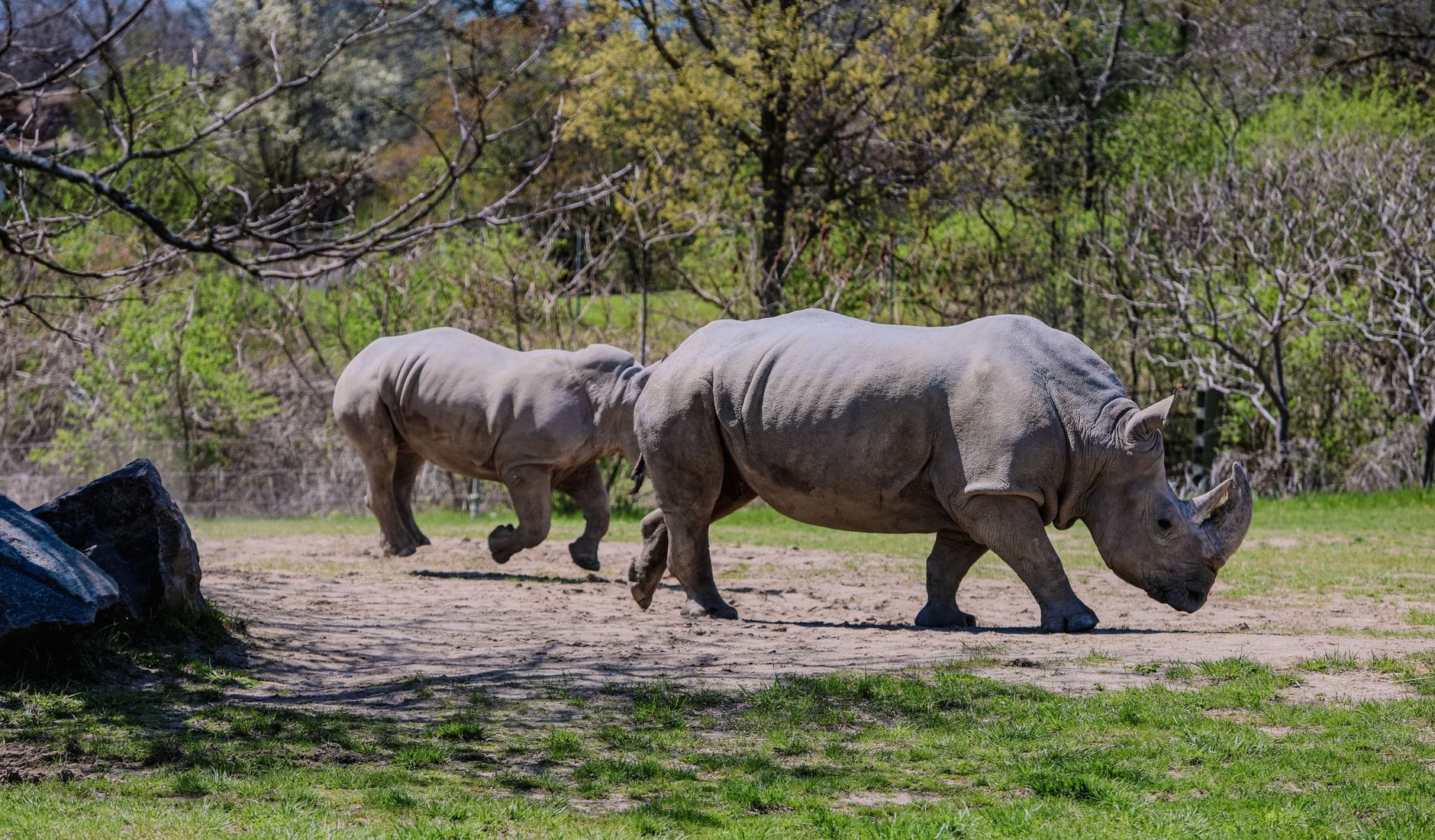
The African Savanna zone includes giraffes, zebras, rhinos, and lions, spread across outdoor terrain that allows moderate viewing distances. The giraffe feeding station, where visitors can offer browse to the animals at close range, is typically a separate ticketed experience. Check current availability at the entrance. For a deeper look at Toronto's broader wildlife offering, the nearby Rouge National Urban Park is accessible from Scarborough and provides hiking in genuinely wild habitat that complements a zoo visit.
Getting There: Honest Transit Advice
The zoo's location at 2000 Meadowvale Road, Scarborough, puts it well outside Toronto's dense transit network. Driving is the most practical option for the majority of visitors. Parking is available onsite at a separate fee. On peak summer weekends, arriving before 10:00 am helps avoid longer parking queues at the main lot entrance.
TTC bus routes do serve the area around Meadowvale Road, connecting to the subway network. The TTC trip planner at ttc.ca gives current routing, but the journey from downtown Toronto by public transit typically takes over an hour with at least one transfer and is less direct than it would be to central Scarborough attractions. If you are relying on transit, confirm current routes and schedules on the TTC website before your visit, as service patterns on this corridor have been adjusted over time.
Visitors combining the zoo with other Scarborough destinations should note that Scarborough Bluffs is also in the district, though the two are not walkable from each other and require separate transport legs. If planning a multi-stop day in the east end, check our guide to getting around Toronto for transit and driving logistics.
⚠️ What to skip
Ride-hailing services like Uber operate in Scarborough, but surge pricing is common on busy summer days when many visitors leave at similar times. If arriving by rideshare, plan your departure timing to avoid the post-4:00 pm exit rush.
Seasonal Considerations
Summer (June to August) is peak season and delivers the widest range of visible animal activity alongside the largest crowds. July and August days above 30°C can be uncomfortable on the exposed pathway sections, and some animals withdraw from public view during the hottest hours. Bringing water, sun protection, and light, breathable clothing is practical advice, not optional. The zoo grounds offer limited shade on the major connector paths between pavilions.
Spring (May to early June) and early fall (September to mid-October) offer arguably better visiting conditions: cooler temperatures, less humidity, thinner crowds, and animals that are generally more active throughout the day. The grounds take on a different character in fall, when the forest edges shift color and the zoo's natural surroundings feel more present.
Winter visits are a distinct experience. Many animals move to indoor areas during cold weather, reducing what you see outdoors, but winter programming including seasonal events is offered. Check the official site for current seasonal events and any adjusted winter hours before planning an off-season trip. Toronto winters are genuinely cold, with January temperatures regularly below -5°C, so dress accordingly if visiting between November and March.
For general context on Toronto's climate and how it affects outdoor attractions throughout the year, the best time to visit Toronto guide covers seasonal patterns in detail.
Accessibility and Practical Logistics
The zoo's 710-acre footprint is the single biggest practical factor for visitors with mobility considerations. Even fit, able-bodied adults report sore feet after a full circuit. Paved pathways connect the main zones, but the terrain is not entirely flat, and some secondary paths involve inclines. Wheelchair and stroller rentals are available at the entrance, and the zoo's wayfinding app identifies accessible routes and facilities.
Stroller access is generally good on main paths. Families with children under five should plan realistically: covering the whole zoo is not necessary for a satisfying visit, and choosing two zones with the most child-relevant animals (the Canadian Domain and Gorilla Rainforest make a natural pairing) keeps the day manageable without the afternoon meltdown that comes from over-ambitious routing.
Food and drink options are distributed across the park at zoo-operated cafes and kiosks. Prices reflect a captive venue. Bringing your own snacks and water is permitted and sensible for families. Cooler bags and reusable water bottles are practical inclusions in any day bag.
💡 Local tip
The zoo is one of the few Toronto attractions that genuinely warrants a full-day commitment. If you are visiting with children, allocate at least five to six hours and accept that you will not see everything. Trying to rush through all geographic zones in a half-day typically results in a less satisfying experience for adults and children alike.
Who Should Consider Skipping
Travelers on a short city break who are prioritizing downtown Toronto's cultural and culinary scene may find the logistics of reaching Scarborough and spending a full day here difficult to justify against the opportunity cost. The transit time alone from the city center eats into a limited itinerary.
Visitors who find conventional zoo environments ethically uncomfortable will not find the Toronto Zoo particularly different from other large accredited zoos in its approach to animal display. The zoo holds accreditation and maintains conservation programs, but the fundamental format is the same. Those seeking purely wild wildlife experiences might find the adjacent Rouge National Urban Park a more aligned option for a half-day outdoors in Scarborough.
Solo travelers in Toronto specifically to explore architecture, food, or nightlife will likely find more return on their time in areas like the Distillery District or Kensington Market. The zoo is at its best as a family day out or for dedicated wildlife and conservation enthusiasts.
Insider Tips
- Weekday mornings in late May or early September offer the best combination of mild weather, lower crowds, and active animals. These windows are consistently better than midsummer weekends by a significant margin.
- The zoo's seasonal Zoomobile tram tour covers ground efficiently and is worth considering if you have older adults or children under age six in the group. It reduces walking load substantially while still covering the major geographic zones.
- Check the daily schedule board at the main entrance for keeper talks and feeding times. The gorilla and giraffe schedules in particular are worth factoring into your route, as these are observably more interesting than casual walk-past viewing.
- If visiting in summer, the Splash Island water play area near the entrance is a useful reset point for children mid-afternoon. Plan it into the day rather than treating it as a last resort when kids are exhausted.
- Parking fills from the front of the main lot inward. Arriving at opening time (9:30 am) on a weekend gets you close in; arriving at 11:00 am means a longer walk from the overflow section. Factor this into your timing if you have young children or mobility considerations.
Who Is Toronto Zoo For?
- Families with children aged 3 to 12 looking for a structured outdoor full-day experience
- Wildlife and conservation enthusiasts interested in seeing native Canadian species alongside international collections
- Visitors with two or more days in Toronto who have already covered the downtown core
- School holiday trips and group outings with children of mixed ages
- Early autumn day trips when crowds thin and outdoor conditions are comfortable
Nearby Attractions
Other things to see while in Scarborough:
- Bluffer's Park & Beach
Bluffer's Park and Beach sits at the base of the Scarborough Bluffs, a towering 15-kilometre stretch of cliffs that rise over 90 metres above Lake Ontario. It is one of Toronto's most geologically dramatic landscapes, offering a free sandy beach, calm harbour waters, and jaw-dropping cliff views that feel far removed from the city above.
- Guild Park and Gardens
Guild Park and Gardens in Scarborough preserves dozens of architectural fragments salvaged from demolished Toronto buildings, set across a blufftop park overlooking Lake Ontario. Free to enter year-round, it combines genuine heritage interest with peaceful walking paths and one of the city's more unusual green spaces.
- Rouge National Urban Park
Spanning over 79 square kilometres across Toronto's eastern edge, Rouge National Urban Park is Canada's first national urban park. Free to enter and open every day of the year, it packs forests, wetlands, agricultural land, beaches, and over 1,700 species of plants and animals into a landscape that feels genuinely removed from the city around it.
- Scarborough Bluffs
Stretching 15 kilometres along the eastern shore of Lake Ontario, the Scarborough Bluffs are one of Toronto's most striking natural features. Formed from glacial sediment deposited over 12,000 years ago, the chalk-white and ochre cliffs rise more than 90 metres above the water. Entry is free, the views are genuinely impressive, and the contrast with the downtown skyline couldn't be greater.
Planning a trip? Discover personalized activities with the Nomado app.