SEA LIFE Brighton: Inside the World's Oldest Continually Operating Aquarium
Opened in 1872 and still drawing crowds on Marine Parade, SEA LIFE Brighton is the oldest continually operating aquarium in the world. Housed in a Victorian structure conceived and designed by Eugenius Birch, it combines genuine historical architecture with over 5,000 sea creatures. This guide covers what the visit actually feels like, who it suits, and how to get the most from your time there.
Quick Facts
- Location
- Marine Parade, Brighton BN2 1TB, directly opposite Brighton Palace Pier
- Getting There
- 15–20 min walk from Brighton railway station via the city centre to the seafront; local bus routes serve Old Steine nearby
- Time Needed
- 1.5 to 2.5 hours for most visitors
- Cost
- Adults from £19, children from £16, under 2s free (verify current prices before visiting; booking online in advance is cheaper)
- Best for
- Families with young children, rainy-day escapes, marine biology enthusiasts, Victorian architecture fans
- Official website
- www.visitsealife.com/brighton
What SEA LIFE Brighton Actually Is
SEA LIFE Brighton is not a modern aquarium that happens to occupy an old building. It is a working Victorian institution, and that distinction matters from the moment you approach it. The building sits low along Marine Parade, its facade facing the sea, with sections below street level and underneath the promenade itself.
The aquarium opened to the public in 1872, designed by Eugenius Birch. Construction began in 1869, and the project was ambitious for its era: a purpose-built structure intended to display marine life in naturalistic settings at a time when the concept was genuinely novel. More than 150 years later, it still operates on the same site, making it the oldest continually operating aquarium in the world. It is now part of the SEA LIFE brand, with modern theming and interactive elements sitting alongside the Victorian bones.
💡 Local tip
Book online in advance. Walk-up prices at the door are higher than those available through the official website, and timed entry slots during school holidays and weekends can sell out. Check current prices at visitsealife.com/brighton before visiting.
The Victorian Architecture: What Survives and What You Notice
The most immediately striking feature for anyone paying attention is the quality of the original brickwork and the proportions of the arched corridors. Birch designed the building using a series of long barrel-vaulted galleries, a structural approach that allowed large spans without internal columns, which in turn permitted the installation of substantial tanks along the full length of each hall. The ceiling height in the older sections gives the space an unexpectedly grand feeling, even when it is busy with visitors.
The subterranean galleries retain a particular texture that modern aquarium builds cannot replicate: slightly curved walls, brickwork that has been painted over many times, and the low ambient light creating an effect closer to a 19th-century grotto than a contemporary visitor attraction. It is worth slowing down in these sections rather than moving straight towards the larger tanks, because the architectural detail rewards closer attention.
For context on the broader tradition of Victorian seaside engineering in Brighton, the West Pier ruins visible from the seafront are the remains of another Birch project, and seeing both on the same visit gives a clearer sense of the ambition of that era.
Tickets & tours
Live prices and dates from our booking partner. If you book, we may earn a commission at no extra cost to you.
What You See Inside: Highlights Across the Exhibits
The aquarium holds 5,500 sea creatures across dozens of species, arranged through a sequence of themed zones that move broadly from shallow coastal habitats through to deep ocean environments. The progression is logical and makes the route easy to follow even with young children, though the layout is not always intuitive and doubling back to see missed sections is common.
The ocean tunnel is the centrepiece for most visitors: a transparent walkway with sharks, rays, and large reef fish moving overhead and to each side simultaneously. At quieter times, usually when the doors open at 10:00, this section is calm enough to stand and watch without being moved along by the crowd. The effect is genuinely impressive, particularly for children encountering it for the first time. The size of the sharks is larger than most people expect.
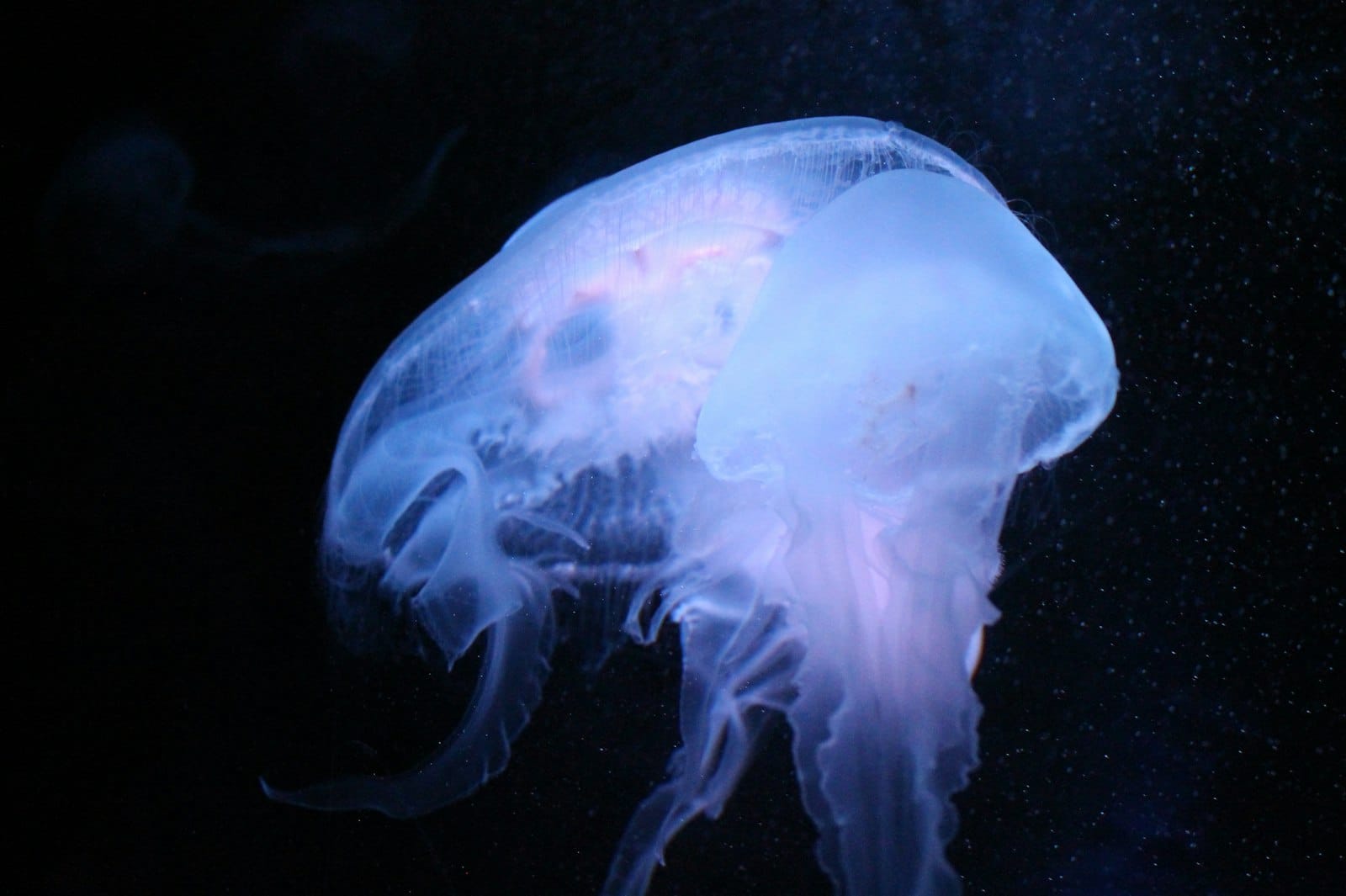
Rockpool touch experiences allow hands-on contact with certain invertebrates, which works well for younger visitors but requires supervision from staff, so wait times can occur at peak hours. The jellyfish displays, lit from below, are consistently popular with adults as much as children and produce strong photographs in low ambient light. There are also freshwater and tropical sections, seahorse breeding exhibits, and a dedicated ray lagoon.
ℹ️ Good to know
Photography with standard smartphone cameras works well in the jellyfish and tunnel sections due to the backlighting. Flash is generally not recommended around the tanks as it can disturb the animals, and signage requests that visitors avoid it.
Crowd Patterns and the Best Time to Visit
SEA LIFE Brighton is an indoor, all-weather attraction, which means it draws visitors regardless of what is happening outside. On wet days along the seafront, the aquarium fills quickly in the late morning as visitors redirect their plans. If you are visiting on a wet day without a pre-booked slot, arrival before 10:30 is advisable.
The busiest period by far is the UK school summer holiday, covering late July through August, when wait times for popular sections like the tunnel and touch pools extend noticeably. During school term time on weekdays, particularly in autumn and spring, the aquarium is significantly quieter and the experience is more relaxed. Early mornings on any day are the calmest period: the 10:00 opening is the best time to arrive if crowd avoidance is a priority.
Weekend afternoons in any season tend to be the most congested, particularly between 12:00 and 15:00. If you are visiting Brighton on a weekend trip and want to include the aquarium, morning entry and a seafront lunch afterwards is a more comfortable sequence than an afternoon visit.
SEA LIFE Brighton sits directly on the Brighton seafront, which means combining it with a walk along the promenade, a stop at the nearby Brighton Palace Pier, or a ride on the Volks Electric Railway is straightforward and adds little extra effort.
Honest Assessment: Where It Delivers and Where It Doesn't
For families with children roughly between three and twelve years old, SEA LIFE Brighton consistently delivers. The combination of touchable exhibits, the visual drama of the tunnel, and the manageable scale means most visits finish with children engaged rather than exhausted. The educational content is well-calibrated for younger audiences without being condescending.
For adults visiting without children, the value calculation is less straightforward. Ticket prices are at the higher end for what is on offer, and visitors who have been to larger purpose-built aquariums in other cities may find the overall scale modest. The Victorian architecture partially compensates for this, but it requires an appreciation that not every visitor brings with them. The honest answer is that this attraction overdelivers on atmosphere and historical interest, and underdelivers slightly on sheer volume of marine life compared to newer facilities.
The aquarium is closed on Christmas Day and Boxing Day (25 and 26 December), and opens at 10:00 year-round with closing times that vary seasonally. Always check current closing times on the official website before visiting, as afternoon closing is common outside peak season.
⚠️ What to skip
Ticket prices at the door are notably higher than online prices. Merlin Annual Pass holders receive free or discounted entry, so if you are visiting other Merlin attractions during your trip, check whether a pass makes financial sense.
Getting There and Practical Logistics
The aquarium is located at Marine Parade, Brighton BN2 1TB, directly opposite Brighton Palace Pier. From Brighton railway station, the walk takes about 15 to 20 minutes through the city centre and down to the seafront. Local buses serve nearby stops on Marine Parade, which is useful if you are arriving with young children or have limited mobility.
There is no dedicated car park attached to the aquarium. Street parking along the seafront is metered and fills quickly during peak periods. Arriving by train from London is straightforward, with frequent services into Brighton and typical journey times of around an hour. From Gatwick Airport, direct trains reach Brighton in roughly 30 minutes.
Detailed accessibility information, including wheelchair access, lift availability, and sensory considerations, is not fully described in standard listing sources and should be confirmed directly with the attraction via the official website or by phone before visiting. The subterranean sections involve staircases in parts of the building, so checking in advance is particularly important for wheelchair users.
If you are planning a full day along the seafront, the Kings Road Arches to the west offer food and independent retail underneath the promenade, and the Brighton Fishing Museum nearby provides free, low-key contrast to a ticketed attraction. For a broader view of what the seafront area contains, the things to do in Brighton guide covers the main options across the city.
Insider Tips
- Arrive at 10:00 when the doors open. The ocean tunnel is at its most uncrowded in the first 30 minutes, and you can stand in it long enough to actually absorb the experience rather than shuffling through.
- The jellyfish exhibit photographs exceptionally well on a smartphone set to portrait mode with no flash. The backlighting does most of the work, and the results are consistently better than visitors expect.
- Merlin Annual Pass holders get free entry to SEA LIFE Brighton. If you are already visiting any other Merlin attraction in the UK during your trip, it is worth calculating whether a pass undercuts the cost of individual tickets.
- Weekday visits during school term time, particularly in October and November, offer the quietest experience of the year. The atmospheric Victorian sections feel entirely different with a handful of visitors compared to a packed summer Saturday.
- The subterranean galleries beneath street level are cooler than the upper sections. On a hot summer day this is a relief, but on a cold winter visit, bring an extra layer as the temperature difference is noticeable.
Who Is SEA LIFE Brighton For?
- Families with children aged 3 to 12 looking for a reliable, engaging indoor attraction
- Architecture and history enthusiasts interested in Victorian engineering and the origins of public aquariums
- Visitors caught in bad weather seeking a worthwhile indoor alternative to the beach
- Marine biology and ocean conservation enthusiasts who want to see sharks, rays, and jellyfish up close
- Day trippers from London wanting a distinctive Brighton experience beyond the pier and beach
Nearby Attractions
Other things to see while in Brighton Seafront:
- Brighton Bandstand
Standing on Brighton's Kings Road promenade since 1884, the Brighton Bandstand is a Grade II listed cast-iron landmark that hosts Sunday afternoon concerts through the summer months and often across a broader April–September season. Whether you catch a performance or simply stop to admire the ornate ironwork above the English Channel, it earns a place in any seafront walk.
- Brighton Beach
Brighton Beach stretches for miles along the English Channel, offering a free, accessible seaside experience unlike any sandy resort. Shingle underfoot, sea air, and the city right behind you — this is coastal England at its most characterful.
- Brighton Fishing Museum
Tucked inside the Kings Road Arches on Brighton seafront, the Brighton Fishing Museum is a small, free attraction that tells the story of the city's working fishing community with surprising depth. At its heart sits a 27-foot clinker-built punt boat, surrounded by old photographs, nets, and tools that bring the Fishing Quarter's heritage to life.
- Brighton i360
Standing 162 metres tall on Brighton's seafront, the i360 observation tower lifts a glass pod of up to 200 visitors to 138 metres above sea level for sweeping views of the English Channel, the South Downs, and the city below. Designed by the architects behind the London Eye, it opened in 2016 and is billed as Europe’s tallest moving observation platform.
Planning a trip? Discover personalized activities with the Nomado app.