House of the Seven Gables: Salem's Most Storied Mansion
Built in 1668 on Salem Harbor, the House of the Seven Gables is one of the oldest surviving wooden mansions in New England. Immortalized by Nathaniel Hawthorne's 1851 novel, the Turner-Ingersoll Mansion draws visitors into three and a half centuries of merchant wealth, literary history, and social reform — all within sight of the water that made Salem famous.
Quick Facts
- Location
- 115 Derby St, Salem, MA 01970 (Salem Harbor waterfront)
- Getting There
- MBTA Commuter Rail to Salem (Newburyport/Rockport Line from North Station, Boston); 10-min walk from Salem Depot to the site
- Time Needed
- 1.5 to 2.5 hours for the guided tour and grounds
- Cost
- Admission charged; check 7gables.org for current pricing before visiting
- Best for
- Literary history lovers, colonial architecture enthusiasts, and day-trippers from Boston
- Official website
- 7gables.org
What the House of the Seven Gables Actually Is
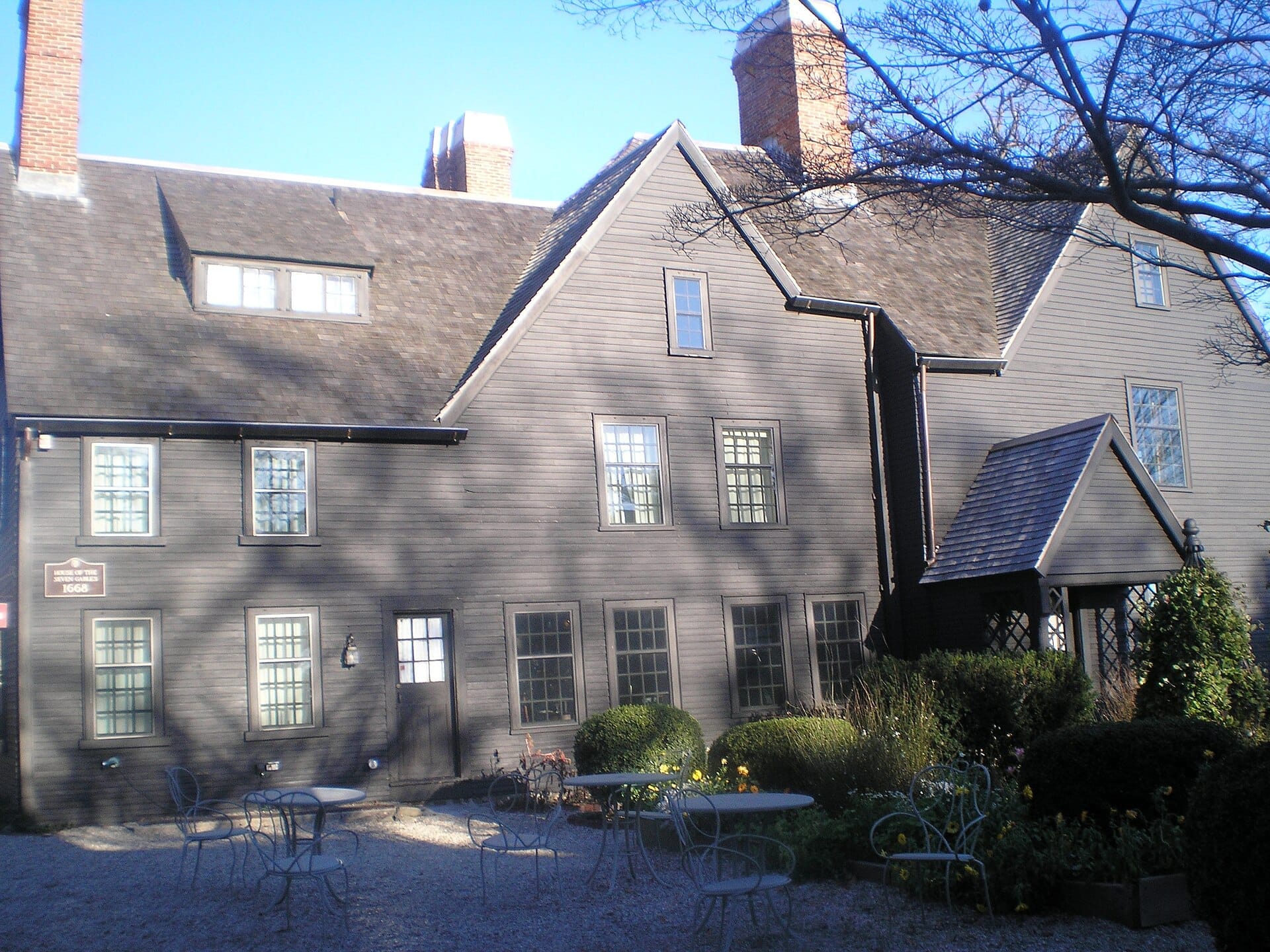
The House of the Seven Gables — formally known as the Turner-Ingersoll Mansion — is a 1668 wooden Colonial structure sitting directly on the edge of Salem Harbor. It is one of the oldest surviving timber-frame mansions in the United States, and it wears its age visibly: the dark shingles, steeply pitched roofline, and the cluster of pointed gables that gave Nathaniel Hawthorne the title for his 1851 novel all confront you the moment you round the corner on Derby Street.
The house is not a recreation or a movie set. It is the actual building where merchant John Turner accumulated wealth from Atlantic trade, where multiple generations added and subtracted rooms, and where Caroline Emmerton — a Salem social reformer — purchased and restored it in 1910 to fund settlement house programs for immigrant communities. That layered ownership history is part of what makes the site so unusual: it is simultaneously a colonial artifact, a literary landmark, and a record of early-20th-century progressive civic work.
The wider campus includes several other historic structures that were relocated to the site: the Retire Beckett House (1655), the Hooper-Hathaway House (1682), and a small cottage identified as the birthplace of Nathaniel Hawthorne himself. A modern visitor center anchors the landward side of the property. Ticket sales, restrooms, and orientation materials are housed there.
ℹ️ Good to know
The site opens daily at 10:00 A.M. and closes at 5:00 P.M. Guided tours of the mansion's interior run throughout the day and are typically included with admission. Arrive at least 30 minutes before closing if you want a full tour rather than a rushed walkthrough.
The Guided Tour: Room by Room
Access to the mansion's interior is by guided tour only, which is standard practice for a structure this fragile and historically sensitive. Groups are kept relatively small, and the guides work from detailed knowledge of the house's construction phases, the Turner family's merchant activities, and the later Ingersoll period. The tour moves through rooms that have been furnished to reflect different periods, so you are not looking at a single frozen moment in time but at a house that evolved over centuries.
The most theatrically compelling feature is the secret staircase — a narrow, hidden passage built into the interior walls. Its original purpose is debated by historians, but it passes through the house in a way that makes the building feel labyrinthine. In a low-ceilinged colonial room, standing at the concealed entrance, it is easy to understand why Hawthorne's imagination was so fired by this place.
The smell inside is that specific combination of aged timber, linseed oil, and cool plaster that characterizes old New England houses. Summer tours can feel slightly cramped in the smaller rooms, especially on weekends when Salem's tourist numbers spike. If you visit on a weekday morning, group sizes tend to be smaller and the pace more relaxed, giving you more time to examine the construction details and ask questions.
💡 Local tip
Ask the tour guide specifically about the structural evidence for the house's successive renovations. The changes to the roofline and room configuration over three centuries are visible in the framing if you know what to look for, and the guides are well-equipped to point these out.
Tickets & tours
Hand-picked options from our booking partner. Prices are indicative; availability and final rates are confirmed when you complete your booking.
Boston Summer Night Trolley Tour and River Cruise
From 27 €Instant confirmationFree cancellationLEGOLAND Discovery Center Boston tickets
From 26 €Instant confirmationFree cancellationGhosts and Gravestones tour of Boston
From 39 €Instant confirmationFree cancellationBest of Boston tour
From 182 €Instant confirmationFree cancellation
Hawthorne, the Novel, and Why the Connection Matters
Nathaniel Hawthorne was a Salem native, born in 1804 into a family that carried the psychological weight of the Salem witch trials — his ancestor John Hathorne was one of the judges who presided over them. The House of the Seven Gables, published in 1851, is set in a mansion modeled on this property, owned at the time by Hawthorne's cousin Susanna Ingersoll. The novel uses the house as a metaphor for inherited guilt, the corruption of old Puritan wealth, and the impossibility of escaping ancestral sin. It is not a cheerful read.
That thematic weight gives the site a different texture than a typical historic house museum. It is useful to at least skim the novel before visiting, or to read a synopsis. Without that context, the tour can feel like a competent but somewhat generic walk through a colonial interior. With it, the rooms connect to larger questions about American history and moral inheritance that Hawthorne was wrestling with at the same time as tensions over slavery were tearing the country apart. For broader historical context around Salem and its place in New England's story, the Boston history guide provides useful background on the wider regional narrative.
The Grounds and the Harbor View
One aspect of the site that guidebooks consistently underemphasize is the view from the gardens. The property sits directly on Salem Harbor, and the lawn between the mansion and the water's edge gives a clear sightline across the harbor. In the 17th and 18th centuries, this waterfront position was the whole point: the Turner family was in the maritime trade, and the house was built to look out over the activity that generated their wealth. Tall ships, fishing vessels, and cargo — all of it passed through that water.
Today the harbor is quiet by comparison, but the physical relationship between the dark wooden structure and the open water remains striking. Morning light hits the east-facing gables directly, making the shingles look almost black against a bright sky. Late afternoon softens the contrast and is generally better for photography. In October, the surrounding trees and the harbor's gray chop give the whole scene the atmosphere the season is known for in Salem.
Weather affects this experience. A gray, overcast October day suits the house better than a bright July afternoon. In summer, the gardens are maintained and pleasant, but the atmosphere is lighter and the gothic quality of the architecture less pronounced. Winter visits are quieter — Salem's crowds thin considerably after Halloween — and the bare trees and cold harbor air make for a more austere encounter with the building.
Getting There from Boston
Salem is approximately 16 miles north of downtown Boston and is a straightforward day trip by commuter rail. The MBTA's Newburyport/Rockport Line runs from North Station in Boston to Salem Depot, with a journey time of around 30 minutes depending on the service. Trains run roughly every 30 to 60 minutes during the day, so you should still check the MBTA schedule when planning your trip. From Salem Depot, the House of the Seven Gables is about a 10-minute walk southeast along Derby Street — the route takes you past the Salem common and into the historic waterfront district. For planning the wider trip, the Salem day trip guide from Boston covers timing, other sites, and what to combine on a single visit.
Driving is possible but parking near the Derby Street waterfront can be limited and congested during peak season, particularly in October. The commuter rail is the more reliable option for most visitors. If you are combining Salem with other North Shore destinations, a car gives you more flexibility, but for a focused visit to the House of the Seven Gables and the immediate historic district, the train works well.
⚠️ What to skip
October is Salem's peak tourism month, tied to its witch trial history and Halloween celebrations. Lines for tours can be long, wait times extend, and Derby Street gets crowded. If you are visiting primarily for the House of the Seven Gables rather than the broader Salem Halloween scene, September or early November offers a calmer, more considered experience of the site.
Practical Notes and Who Should Think Twice
Admission is charged for the guided tour. The official website at 7gables.org lists current pricing and any membership or group discounts — verify before you go, as rates are updated periodically. The modern visitor center on site handles ticketing, has restrooms, and provides orientation context before you enter the mansion.
The interior of the mansion involves low doorways, uneven floors, and narrow passages that are characteristic of 17th-century construction. The secret staircase in particular is quite confined. The site includes multiple buildings and an outdoor garden area, but specific accessibility provisions for the historic structures have not been publicly detailed in available sources — contact the site directly at 7gables.org if step-free access is a requirement.
Visitors who have no interest in the novel, no particular engagement with colonial domestic history, and who are primarily looking for an outdoor or active experience in the region would likely find the entry fee hard to justify. For that kind of visit, the Boston Harbor Islands or a walk along the Boston Harborwalk would serve better. The House of the Seven Gables rewards curiosity and preparation — it is not a passive experience.
For visitors building a broader literary or historical itinerary around Boston and New England, this site pairs naturally with stops like the Paul Revere House in Boston's North End and the Old South Meeting House — buildings where the past is present in similarly concrete, walk-through form.
Insider Tips
- Book your tour slot online in advance during October. Salem's Halloween season draws enormous crowds, and walk-in availability for guided tours becomes unreliable by mid-month. Weekday morning slots are easiest to secure and the least crowded.
- The Hawthorne birthplace cottage on the campus grounds is easily overlooked if you are focused on the main mansion. It is small and modest, but standing in front of it — knowing the author was born there and later immortalized the house next door — is a more affecting moment than the formal tour rooms for many visitors.
- The garden facing the harbor may not always be freely accessible without a paid ticket to the mansion tour; access policies can vary, so confirm current guidelines before assuming you can enter the grounds without admission. If you are short on time or budget, walking the grounds and viewing the exterior from the water side costs nothing and gives you the essential visual experience of the site.
- Salem's Peabody Essex Museum is a short walk from the House of the Seven Gables and covers the same maritime and China trade history that funded houses like this one. Combining both in a single day gives the Turner family's wealth a broader context that neither institution fully provides alone.
- Carry a light layer regardless of season. The harbor-facing side of the property is exposed to sea breezes that can feel 10 degrees cooler than the streets a few blocks inland, particularly in spring and fall.
Who Is The House of the Seven Gables For?
- Readers of Hawthorne or students of American literature who want to stand in the space that generated the novel
- Visitors interested in 17th and 18th-century colonial architecture and domestic life
- Day-trippers from Boston looking for a focused, walkable historic site with genuine depth
- History travelers exploring the full arc of Salem's story beyond the witch trials
- Those who appreciate the intersection of social history and preservation — Caroline Emmerton's story is as interesting as the Turners'
Nearby Attractions
Combine your visit with:
- Arnold Arboretum
Founded in 1872, the Arnold Arboretum is the oldest public arboretum in North America — a free, 281-acre landscape in Jamaica Plain managed by Harvard University. With over 15,000 accessioned plants and sweeping hillside views, it draws botanists, dog walkers, and curious visitors in equal measure across all four seasons.
- Blue Hills Reservation
Ten miles south of downtown Boston, Blue Hills Reservation spreads across more than 7,000 acres of forested hills, rocky ridgelines, and glacial wetlands. Free to enter and open year-round from dawn to dusk, it offers 125 miles of trails ranging from easy pond-side loops to a genuine summit climb at 635-foot Great Blue Hill.
- Boston Duck Tours
Boston Duck Tours puts you aboard a replica World War II DUKW amphibious vehicle for an 80-minute circuit of the city's most historic landmarks, finishing with a splash into the Charles River. Running seasonally from late March through late November, it's one of the few tours in Boston that covers both street-level sights and a Charles River perspective in a single trip.
- Boston Harbor Islands
Boston Harbor Islands National and State Park puts 34 islands and peninsulas within easy ferry reach of downtown Boston. From Civil War earthworks on Georges Island to the oldest lighthouse station in the United States on Little Brewster, the park rewards visitors who are willing to trade the city's brick sidewalks for salt air and open water.