Best All-Inclusive Resorts in Zanzibar: A Coast-by-Coast Guide
Zanzibar's all-inclusive resort scene spans barefoot-luxury bungalows on the north coast to family-friendly complexes along the east. This guide breaks down what's genuinely included, which areas suit which traveler, and the pricing realities you won't find on most booking sites.
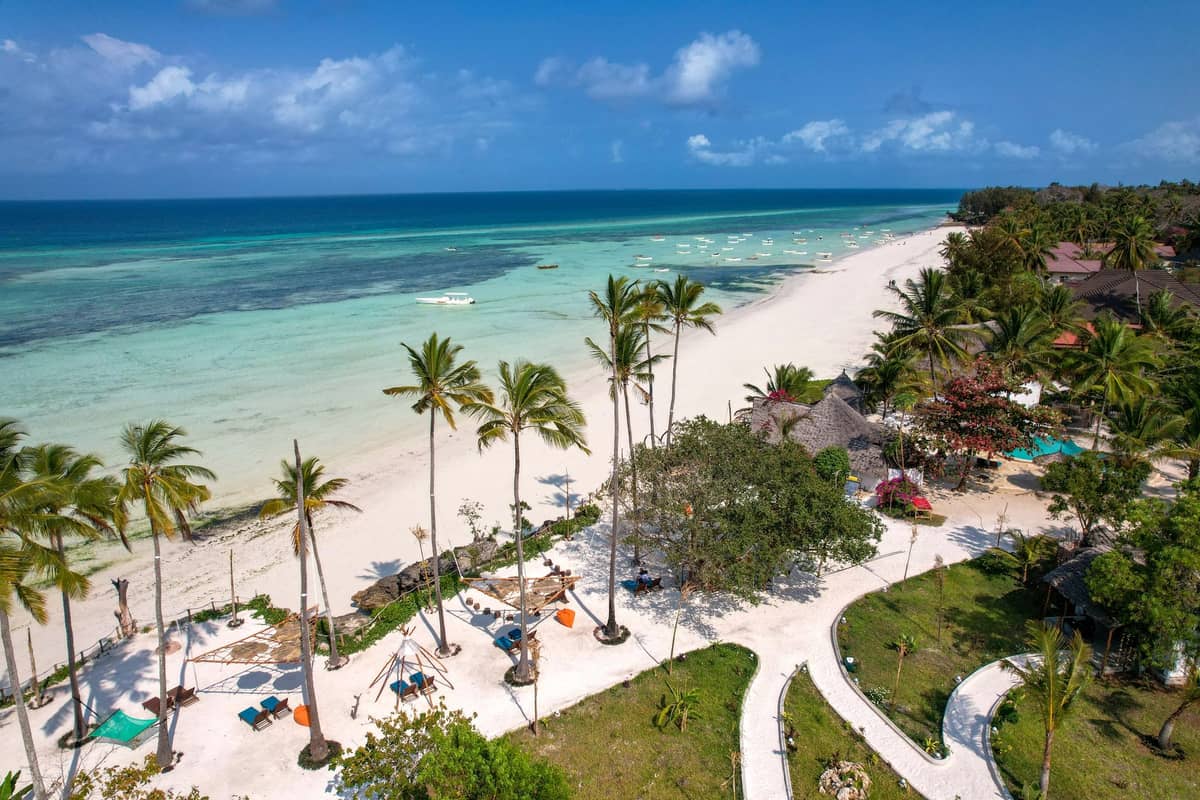
Tickets & tours
Live prices and dates from our booking partner. If you book, we may earn a commission at no extra cost to you.
TL;DR
- All-inclusive rates in Zanzibar typically run US$85–230 per person per night at four-star properties, and US$180–400 at upper-tier resorts — always verify taxes, transfers, and meal-plan terms before booking.
- "All-inclusive" almost never covers diving, spa treatments, excursions, or premium imported drinks — these are standard extras at virtually every property.
- The north coast (Nungwi, Kendwa) suits beach-party and nightlife travelers; the east coast (Paje, Jambiani, Matemwe) is better for water sports, couples, and those wanting quieter surroundings.
- The best time to book an all-inclusive stay is June–October (dry season). April–May and November–December bring rains that can disrupt beach and excursion plans — prices drop significantly but so does the experience.
- See our full guide to where to stay in Zanzibar if you're still deciding between all-inclusive and other accommodation styles.
What 'All-Inclusive' Actually Means in Zanzibar
The term all-inclusive gets applied loosely in Zanzibar, and the gap between marketing language and contractual reality can be expensive. At most properties, an all-inclusive package covers your room, three daily meals, and a curated selection of local drinks — typically Tanzanian beer, house wines, and non-alcoholic beverages available at specific hours. Some resorts extend this to afternoon snacks or non-motorised water equipment like kayaks and snorkels.
What is almost universally excluded: scuba diving, organised excursions (spice tours, dolphin trips, prison island visits), spa treatments, premium or imported spirits, à la carte dining outside the set menu, and airport transfers. A handful of higher-end resorts bundle one or two excursions into their packages, but this is the exception. Read the specific inclusions list on the resort's direct booking page, not the summary on a third-party travel site.
⚠️ What to skip
Tourism levies and service charges are sometimes added on top of the quoted all-inclusive rate. Confirm the total per-night cost including all taxes before finalising any booking. Some resorts also require a minimum stay of 3–5 nights for all-inclusive pricing to apply.
If you're planning to add activities like scuba diving or a spice tour, budget an additional US$40–120 per person per day for excursions on top of your resort rate. These costs add up fast and catch many travellers off guard mid-trip.
Price Ranges: What to Expect at Each Tier
Zanzibar's all-inclusive resorts span a wide spectrum. At the accessible end, you'll find three-star beach properties with buffet dining and basic facilities from around US$60–85 per person per night in low season. The four-star bracket — which represents the bulk of Zanzibar's all-inclusive market — sits at roughly US$85–230 per person per night depending on the coast, season, and specific property. Upper-tier and luxury all-inclusive resorts command US$180–400 per person per night, with some private-island and villa experiences going higher still.
- Budget all-inclusive (US$60–85 per person/night) Typically three-star properties with buffet-only dining, limited drink hours, and basic beach access. Expect shared facilities and fewer activity inclusions.
- Mid-range all-inclusive (US$85–160 per person/night) The most competitive category in Zanzibar. Four-star resorts with a la carte options, pools, and a reliable selection of local drinks throughout the day. Quality varies significantly — read recent reviews.
- Upper four-star to five-star (US$160–400 per person/night) Larger rooms or bungalows, multiple dining venues, cocktail hours with premium local spirits, and often a complimentary excursion or two. Better beach positions as a rule.
- Luxury and private-island (US$400+ per person/night) Typically boutique properties with personalised service, fine dining, and extensive inclusions. Some offer all-inclusive as an add-on rather than a standard package.
ℹ️ Good to know
Prices shift considerably between peak season (July–August, December–January) and shoulder season (June, September–October). Booking 3–4 months in advance for peak dates generally secures better rates and room categories. Last-minute deals in Zanzibar are rare at reputable properties.
North Coast: Nungwi and Kendwa
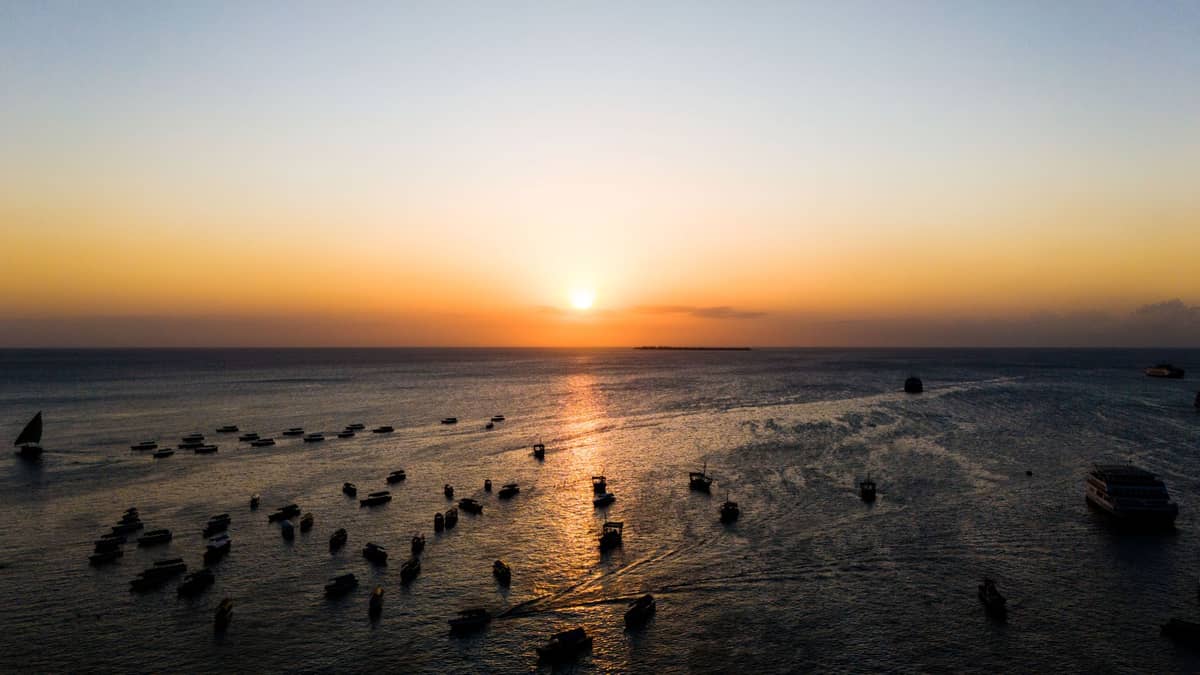
The north coast is Zanzibar's most developed resort strip and the right choice if you want a lively beach atmosphere, calm swimming conditions year-round, and easy access to sunset dhow cruises. Nungwi in particular has the highest concentration of all-inclusive resorts on the island, ranging from mid-range beach hotels to five-star complexes. The tidal variation here is minimal compared to the east coast, meaning you can swim at almost any hour — a practical advantage that matters more than it sounds after a long flight.
Kendwa, a short distance west of Nungwi, is slightly quieter and home to the famous full moon parties — worth knowing if you're timing a trip or actively want to avoid the crowds. The beaches at both villages face northwest, which gives you long, photogenic sunsets. Resorts here tend to have better pools and more consistent food quality than those on the east coast at comparable price points, partly due to easier supply logistics.
💡 Local tip
Nungwi village sits directly adjacent to most resorts, which means easy access to independent restaurants and bars — useful if your all-inclusive package's dining options start to feel repetitive after a few days. Factor this in when comparing fully isolated east-coast resorts against north-coast properties.
East Coast: Paje, Jambiani, and Matemwe
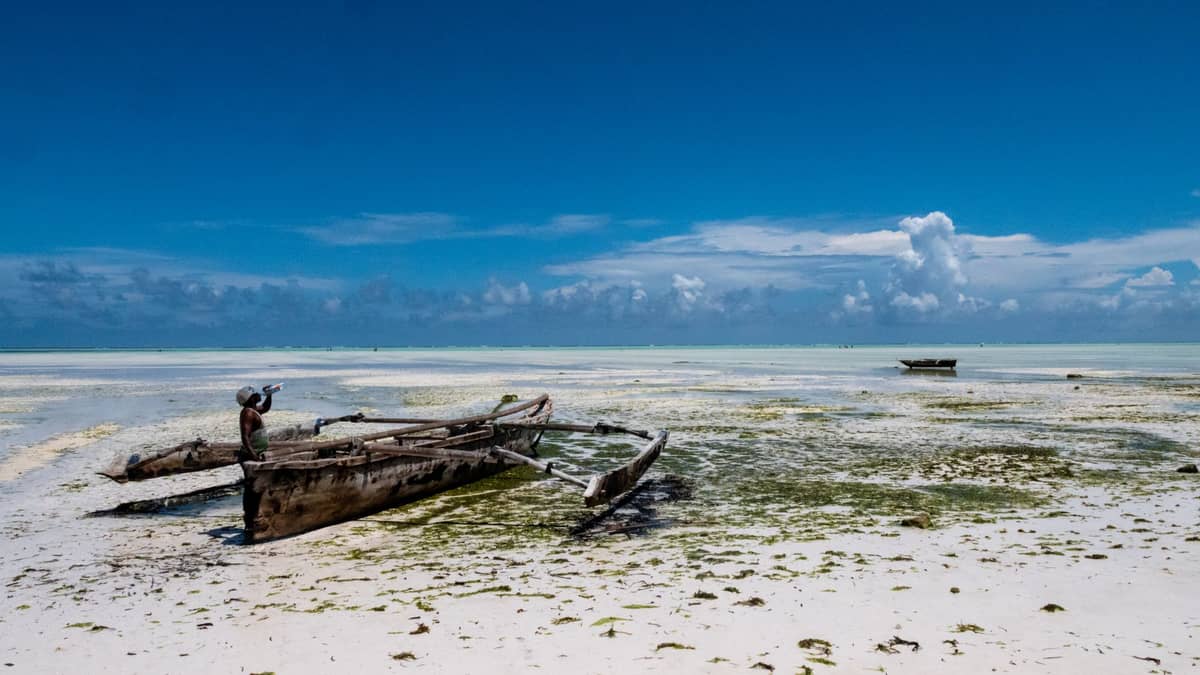
The east coast is Zanzibar's second major resort belt, stretching from Matemwe in the northeast down through Paje and Jambiani in the southeast. The atmosphere here is distinctly calmer. Resorts are more spread out, the beach scene is less party-oriented, and the overall vibe skews toward couples, honeymooners, and kitesurfers.
There's a practical issue with the east coast that all-inclusive marketing rarely mentions: tidal variation is dramatic. At low tide, the ocean recedes hundreds of metres, leaving shallow sandy flats that are beautiful but unswimmable. If beach swimming is a core part of your holiday, time your activities around tide charts — most east-coast resorts will provide these on request. At high tide, conditions are excellent. Matemwe, being further north, has slightly better reef proximity and is preferred by snorkellers and divers.
Paje is also the centre of Zanzibar's kitesurfing scene. Several all-inclusive resorts in the area have partnerships with local kite schools, though lessons and equipment rental cost extra. See our Zanzibar kitesurfing guide for specifics on wind seasons and schools.
Choosing the Right Resort: Key Factors to Compare
The all-inclusive label is less useful as a comparison tool than most travellers assume. The real differentiators are beach quality, the number of dining venues included, drink hours, and what activities (if any) come without surcharge. When evaluating properties, look specifically at whether the all-inclusive rate covers non-motorised water sports, whether there's a swim-up bar or pool bar included, and what the policy is on à la carte versus buffet access.
- Check tide tables for east-coast resorts before booking — some beaches are only swimmable 4–6 hours per day at certain times of year.
- Ask whether kids' clubs and family activities are included if travelling with children. Policies vary and some resorts charge separately for supervised programmes.
- Confirm the drinks policy: some all-inclusive packages only cover drinks with meals, not throughout the day. 'Premium all-inclusive' usually means drinks at any time from specific bars.
- Verify transfer costs from Abeid Amani Karume International Airport (ZNZ). East-coast transfers typically run 75–90 minutes and cost US$25–50 per person; many resorts sell transfers separately from the package.
- Check if the resort is walking distance from an independent restaurant or village, or if you'll be fully dependent on in-house dining for the duration of your stay.
If you're combining a Zanzibar resort stay with a mainland Tanzania safari, the logistics of transfers and timing matter considerably. Our Zanzibar and Tanzania safari combo guide covers the practical sequencing and what to book first.
Timing Your Stay: Seasons and When to Book
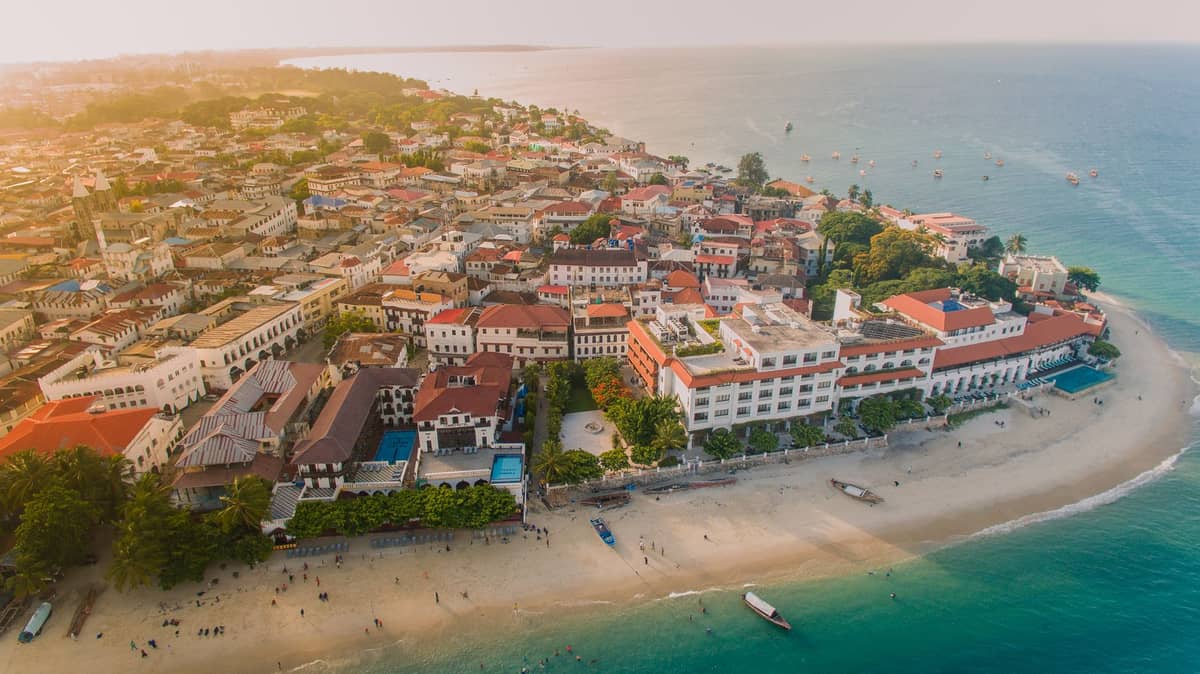
June through October is the dry season and the most reliable period for an all-inclusive beach holiday. Temperatures average around 25–27°C (77°F), humidity is lower than in the wet months, and excursions run more consistently. July and August are peak season: prices are at their highest, resorts fill up, and popular beaches get crowded. For a fuller breakdown of what to expect month by month, see the best time to visit Zanzibar guide.
April and May bring the long rains (masika), which can be heavy and persistent — most experienced travellers avoid booking resort stays during this window. November and December see shorter rains (vuli), which are less predictable and often come in sharp afternoon bursts rather than all-day downpours. December from Christmas onward picks up again as peak season, with prices climbing accordingly.
✨ Pro tip
If budget is a priority, late October and early November offer a good compromise: the short rains haven't fully set in, prices are 20–30% lower than peak season, and beaches are significantly quieter. The risk is occasional afternoon showers — acceptable for most travellers but worth being aware of.
Couples and honeymooners should also consider that the island's atmosphere changes considerably between July–August (busiest, most social) and June or September (quieter, more intimate). Our Zanzibar honeymoon guide explores which areas and timing work best for a romantic trip.
FAQ
Are Zanzibar all-inclusive resorts worth it compared to booking separately?
It depends on how you travel. If you plan to stay mostly on the beach, eat at the resort, and drink steadily throughout the day, all-inclusive usually works out cheaper than paying à la carte. If you want to eat at local restaurants, do multiple excursions, and explore the island independently, a bed-and-breakfast rate plus daily spending often costs the same or less — with more flexibility. Run the numbers against your actual itinerary before committing.
What does a Zanzibar all-inclusive package typically include?
Most packages cover accommodation, three meals daily (usually a mix of buffet and set menu), and a selection of local drinks including Tanzanian beer, house wine, and soft drinks. Non-motorised water sports like kayaking and snorkelling are included at some properties. What's almost always excluded: scuba diving, organised excursions, spa treatments, premium imported spirits, and airport transfers. Read the specific inclusions list on the property's booking page before confirming.
Which part of Zanzibar is best for all-inclusive resorts?
Nungwi and Kendwa on the north coast offer the widest selection of all-inclusive properties, better year-round swimming conditions due to low tidal variation, and a livelier beach atmosphere. The east coast (Paje, Jambiani, Matemwe) suits those wanting more space and quiet, but has significant tidal limitations — the sea recedes far at low tide. For first-time visitors focused on beach swimming, the north coast is generally the more reliable choice.
How far is it from the airport to the main resort areas?
Abeid Amani Karume International Airport (ZNZ) is roughly 3 miles south of Zanzibar City. Transfer times vary by destination: Stone Town is about 20 minutes by car. North-coast resorts (Nungwi, Kendwa) are 60–90 minutes by road. East-coast resorts (Paje, Jambiani) are approximately 75–90 minutes. Most resorts charge for airport transfers separately from the all-inclusive package — confirm this cost when booking.
Can I leave the resort during an all-inclusive stay?
Yes, and doing so is encouraged if you want a genuine sense of Zanzibar. Most all-inclusive resorts don't restrict your movements — you simply won't be reimbursed for meals or drinks you consume off-property. A day trip to Stone Town, a spice farm visit, or a sunset dhow cruise can be arranged through the resort or independently. Bear in mind that excursions typically cost US$40–120 per person and are not part of the all-inclusive rate at most properties.
Tickets & tours
Live prices and dates from our booking partner. If you book, we may earn a commission at no extra cost to you.
Planning a trip? Discover personalized activities with the Nomado app.