Hammam Marrakech: The Definitive Guide to Best Hammams & What to Expect
From 10–40 MAD neighborhood hammams to 800–1,500 MAD palace rituals, Marrakech offers every tier of the traditional Moroccan bath experience. This guide covers real prices, practical etiquette, what actually happens inside, and how to choose the right hammam for your trip.
Tickets & tours
Live prices and dates from our booking partner. If you book, we may earn a commission at no extra cost to you.
TL;DR
- A hammam in Marrakech ranges from around 10–40 MAD at a local neighborhood bathhouse to 800–1,500 MAD for a luxury palace ritual — the experience, not the price, is what separates them.
- Public hammams are open to tourists who follow basic etiquette; keep underwear on, bring a change, and tip your attendant 20–50 MAD — see the full dress and modesty guide for context.
- The classic sequence is steam room, black soap (beldi), kessa scrub, and rinse — plan 1–2 hours for a full session.
- Hammams inside riads offer a comfortable middle ground — check our riad guide if you want to combine accommodation and spa in one booking.
- Book luxury palace hammams at least 24 hours in advance, especially in high season.
What Is a Hammam and Why Marrakech Does It Differently
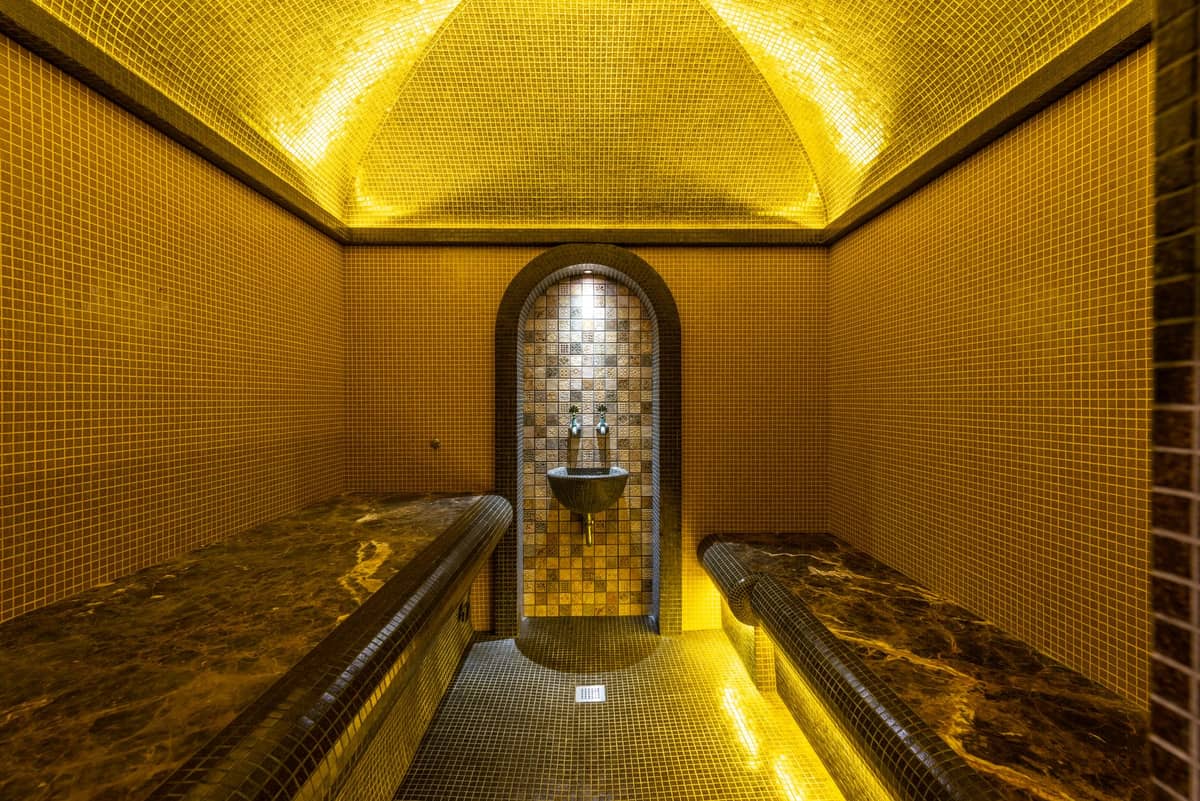
A hammam is a steam bathhouse with roots across the Islamic world, but the Moroccan version has its own specific ritual logic. It is not a sauna, a spa, or a Turkish bath, though it shares elements with all three. The traditional sequence moves you through progressively hot rooms, applies savon beldi (a black, olive-oil-based soap) to soften the skin, then has an attendant scrub you down with a kessa mitt — a rough-textured glove that removes dead skin in visible rolls. The result is a deep cleanse that a shower does not usually match.
In Marrakech specifically, the hammam has remained a living institution rather than a tourist artifact. The medina has many neighborhood bathhouses that locals visit regularly. Alongside these, a parallel industry of riad hammams and palace spas has developed for visitors who prefer English-speaking staff, private rooms, and predictable prices. Both worlds are worth knowing about — they are not interchangeable, and choosing the wrong one for your expectations is a common source of disappointment.
Types of Hammam in Marrakech: A Practical Breakdown
- Hammam Beldi (neighborhood/public) Local bathhouses used primarily by residents. Entry is 10–40 MAD. A scrub by an attendant costs an additional 50–150 MAD. Expect basic tiled rooms, no English, and a no-frills atmosphere. Separate sections for men and women are standard.
- Riad or Medina Hammam Mid-range option inside a guesthouse or standalone spa. Packages typically run 250–600 MAD for hammam and scrub, up to 1,000 MAD with massage. Private rooms, multilingual staff, and a cleaner physical environment. Booking usually required.
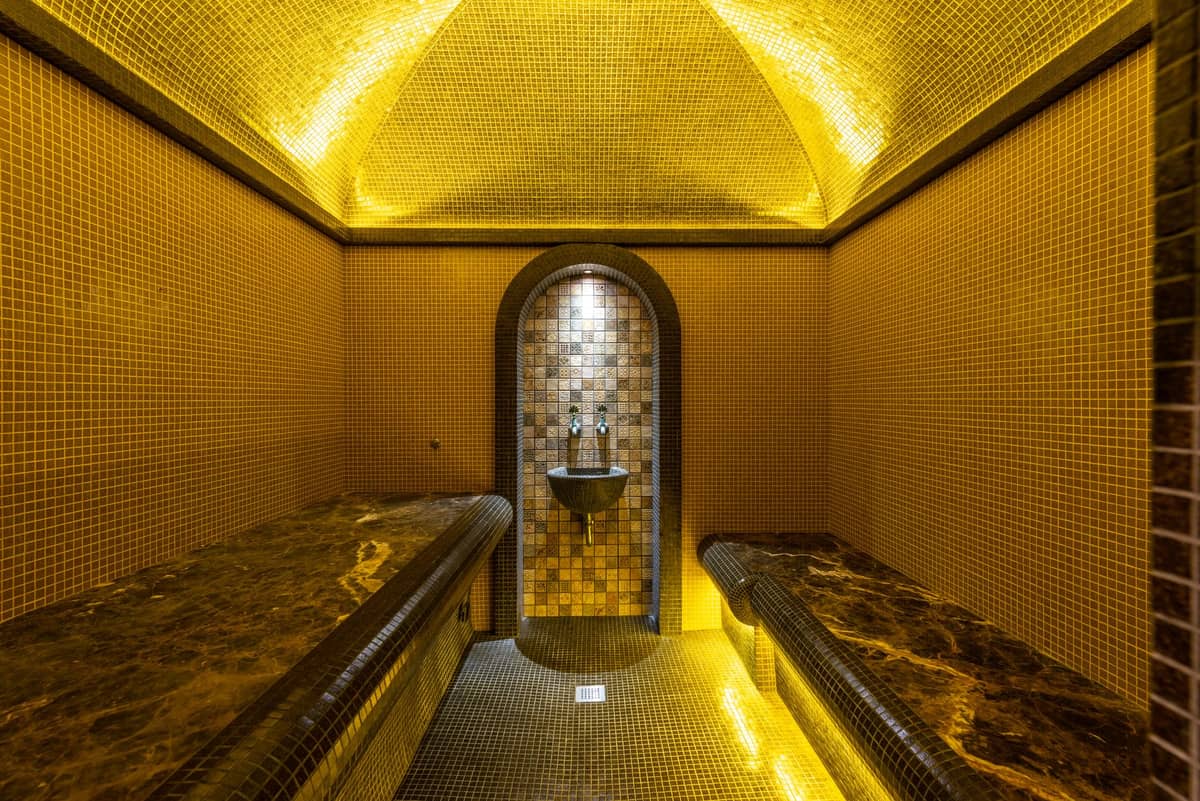
- Luxury Palace Spa Hammam Hotel spas and dedicated luxury hammam venues. A 60-minute traditional hammam starts around 800–1,500 MAD; full rituals with multiple treatments can reach 3,400 MAD. Think marble rooms, argan oil treatments, and concierge-level service.
ℹ️ Good to know
Prices quoted throughout this guide reflect current market rates. Riad and palace hammams adjust rates seasonally, particularly during high season. Always confirm current pricing directly with the venue before visiting.
The Hammam Experience Step by Step
At a traditional public hammam, the process begins at the entry desk where you pay, receive a bucket, and sometimes a kessa mitt and a small portion of beldi soap if not included. You'll undress to underwear (never full nudity in a Moroccan public hammam) and move into the changing area. Rooms are typically arranged in three temperature zones: a cool room to acclimatize, a warm room, and a hot room. You fill your bucket with hot water from a central tap, pour it over yourself, and wait.
After 20–30 minutes of sweating in the hot room, the attendant takes over. They apply beldi soap, leave it on your skin for a few minutes, then use the kessa mitt in firm, repetitive strokes across your arms, back, legs, and chest. The scrubbing can be vigorous — more so than many visitors expect. If the pressure or temperature is uncomfortable, it is completely acceptable to say so. The session ends with repeated warm water rinses. Budget 1–2 hours for the full process; 30–45 minutes in the hot room is typical.
At a riad or luxury hammam, the sequence is essentially the same but in a private or semi-private room, with the addition of optional treatments: argan oil massage, ghassoul clay mask (a Moroccan mineral clay applied to hair and skin), or rose water rinses. The attendant speaks at least some English, and you'll be given slippers, a towel, and often mint tea afterward. The physical experience is softer — literally and figuratively. These are hammams designed to be comfortable for first-timers, which is both their strength and, for some, their limitation.
⚠️ What to skip
Do not eat a heavy meal in the 1–2 hours before a hammam session. The heat combined with a full stomach causes nausea for many people. Drink water before you go in and have more available for afterward — dehydration is a genuine risk, especially in summer.
Hammam Etiquette: What You Actually Need to Know
The single biggest etiquette point is the dress code: in a public hammam, you keep your underwear on or otherwise dress modestly. Full nudity is not part of Moroccan hammam culture and may offend in some settings. Bring a dry pair of underwear or a swimsuit to change into afterward, along with flip-flops for the wet floors. A small towel, flip-flops, and a plastic bag for wet items are the core kit.
- Keep underwear or swimwear on in public hammams
- Bring flip-flops — floors are wet and shared
- Pack a dry change of underwear or swimwear
- Speak up if the water is too hot or the scrub too hard — attendants will adjust
- Tip your attendant 20–50 MAD after the session; this is common in public hammams
- Leave your valuables at your riad or hotel — lockers at public hammams are basic at best
- Be quiet inside the hot rooms — it is a relaxation space, not a social one
- Avoid shaving immediately before a hammam — freshly shaved skin and a kessa mitt is a painful combination
A practical note on timing: most neighborhood hammams in the Marrakech medina are busiest in the evenings when locals visit after work, roughly 6–9pm. If you prefer a quieter experience and more attendant attention, weekday mornings are your best option. Riad and luxury spas are busiest on weekends and during school holiday periods — booking 24–48 hours in advance is wise during high season.
✨ Pro tip
If you are visiting a public hammam solo as a woman, consider going with a local female guide or asking your riad to recommend a specific neighborhood option they trust. The experience is perfectly safe but knowing the specific entrance and protocol in advance removes unnecessary uncertainty.
Choosing the Right Hammam for Your Trip
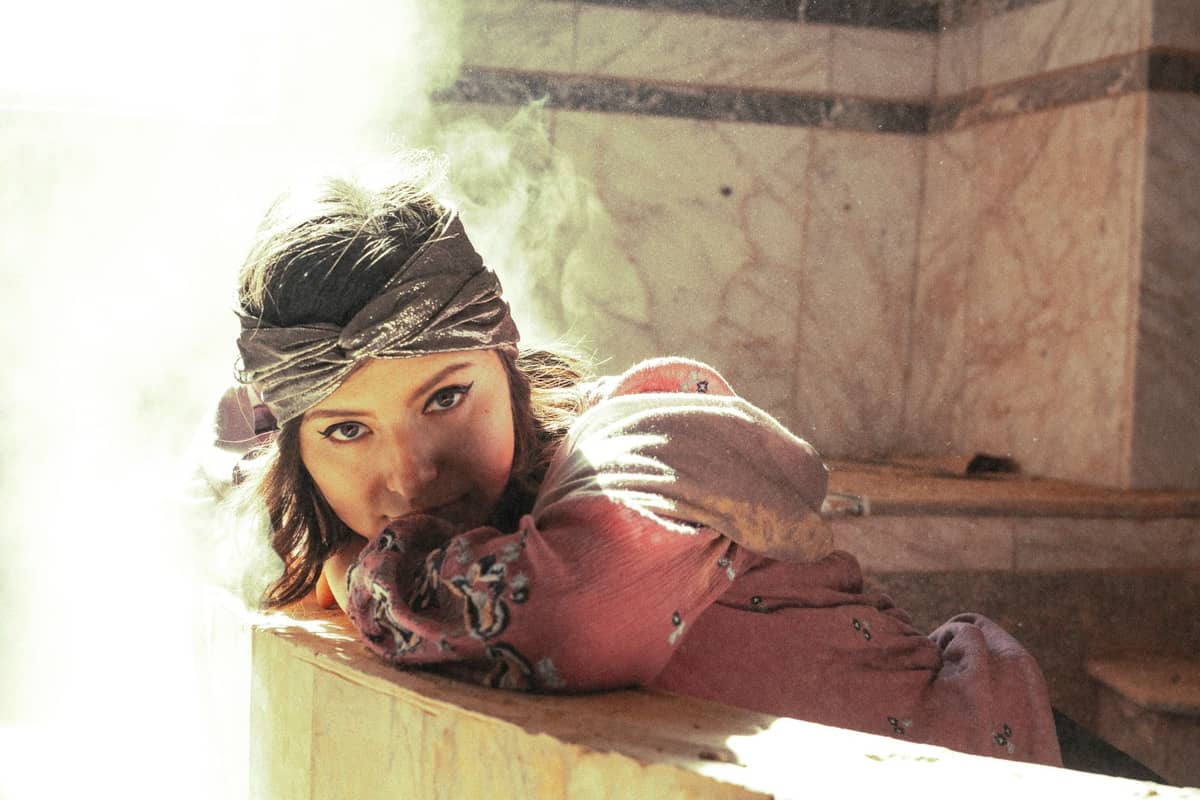
The public hammam is the real thing — it is where Marrakech residents have maintained this ritual for centuries, and the experience of sitting in a tiled hot room alongside local families has no equivalent in a palace spa. The cost is minimal (a full session with scrub and tip usually stays under 200 MAD), and the social texture is genuine. The tradeoff is that the environment is basic, attendants may speak Darija or Berber rather than English, and first-timers can find the lack of explanation disorienting.
The riad hammam is the practical choice for most visitors. Mid-range packages at 250–600 MAD deliver the core ritual in a comfortable setting with staff who can guide you through the process. If you are visiting as a couple, many riads offer private double hammam rooms, which public bathhouses do not. For families, the enclosed, supervised environment of a riad spa is significantly more practical than a neighborhood hammam.
The luxury palace hammam is for those who want a curated, unhurried treatment and are comfortable spending 800–1,500+ MAD for it. The quality of products, the marble architecture, and the overall sensory experience justify the price for many visitors — but if your goal is an authentic cultural encounter rather than a premium spa day, you may find it indistinguishable from a high-end hotel spa in any other city. It is worth cross-referencing with our broader luxury Marrakech guide if you are building a full high-end itinerary.
Practical Details: Prices, Timing, and What to Bring
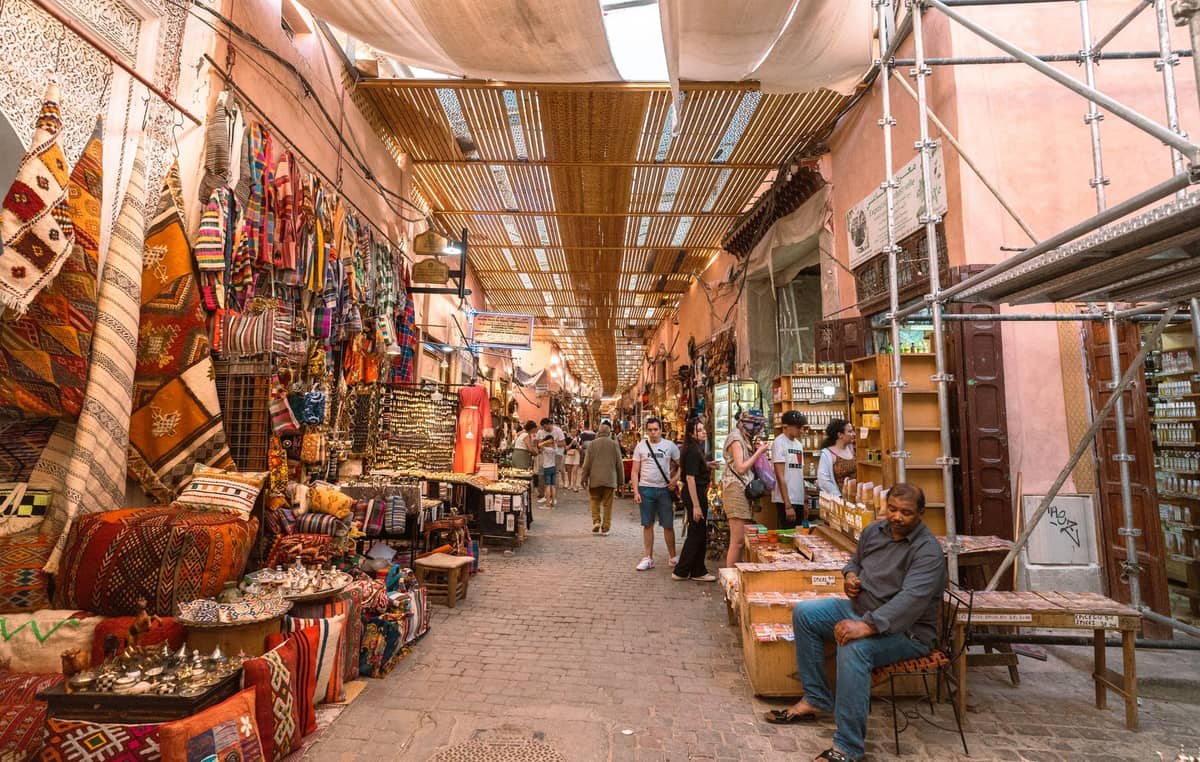
Marrakech hammams are distributed across the city but the highest concentration of both public and mid-range options is inside the medina, particularly in and around the Mouassine quarter and near the Jemaa el-Fna. Luxury options tend to cluster in the Kasbah area, Hivernage, and the Palmeraie resorts.
- Public hammam entry 10–40 MAD. Scrub by attendant: 50–150 MAD extra. Full session with tip: typically under 200 MAD total.
- Riad / mid-range hammam Hammam + scrub packages: 250–600 MAD. With massage: 400–1,000 MAD. Duration: 45–60 min hammam, 90–120 min with massage.
- Luxury palace spa 60-minute traditional hammam: 800–1,500 MAD. Full multi-treatment rituals: up to 3,400 MAD. Advance booking essential.
- What to bring Flip-flops, dry underwear or swimsuit, small towel, plastic bag for wet items, cash for tips. Most venues provide beldi soap and kessa mitt.
- Seasonal pricing note Riad and palace hammams adjust rates in high season. Confirm pricing directly with the venue before booking, particularly between October–November and March–April.
If the hammam is part of a wider day in the medina, the medina walking tour pairs well as a morning activity before an afternoon hammam session. A hammam after a full day of walking the souks has a particular appeal — and most neighborhood hammams near the souks are open until 9–10pm.
One point worth flagging for those visiting during summer: limiting hot room time to 30 minutes is genuinely sensible when outdoor temperatures are already above 35°C. The same applies during Ramadan, when some public hammams adjust their hours and attendants may be fasting — a reason to be particularly considerate about tipping and timing during that period.
FAQ
Do I need to book a hammam in Marrakech in advance?
For public neighborhood hammams, no booking is needed — you simply walk in and pay at the door. For riad and mid-range hammams, booking 24 hours ahead is advisable, especially on weekends. Luxury palace spa hammams should be booked at least 24–48 hours in advance, and further ahead during high season (October–November and March–April).
Is it safe for solo female travelers to visit a public hammam?
Yes. Public hammams have completely separate sections for men and women, and women's sections are typically staffed exclusively by female attendants. Many solo female travelers have a positive experience. That said, asking your riad to recommend a specific local hammam and explain the entry process in advance can make the first visit considerably more comfortable.
What is the difference between a hammam and a spa in Marrakech?
A traditional hammam follows a specific ritual: steam, black soap, kessa scrub, rinse. A spa may offer this as one treatment among many (massage, facial, body wrap), in a Western-style setting. Many Marrakech venues market themselves as both. If you want the authentic hammam sequence, check specifically that beldi soap and kessa exfoliation are included, not just a steam room session.
How much should I tip at a hammam in Marrakech?
At a public hammam, 20–50 MAD is a common tip for the attendant after your session. At riad or mid-range hammams, a 50–100 MAD tip may be appropriate if the service was good. Luxury spas sometimes include a service charge; check your bill before tipping additionally.
Can I visit a hammam in Marrakech if I have sensitive skin?
The kessa scrub is vigorous and the beldi soap is alkaline — both can irritate sensitive or recently sunburned skin. Inform your attendant before the session begins; they can use lighter pressure and skip the scrub if needed. Riad and luxury hammams are better equipped to accommodate this than public bathhouses, where communication in English is limited.
Tickets & tours
Live prices and dates from our booking partner. If you book, we may earn a commission at no extra cost to you.
Planning a trip? Discover personalized activities with the Nomado app.