Guangzhou Wholesale Markets: A Complete Buyer's Guide
Guangzhou is the wholesale capital of southern China, with over 1,000 specialized markets covering everything from clothing and electronics to toys and fabrics. This guide cuts through the noise with district-by-district breakdowns, real pricing expectations, payment logistics, and the timing intel that separates experienced buyers from first-timers.
Plan and book this trip
Tools from our partner Travelpayouts help you compare flights and hotels. If you book through them, we may earn a commission at no extra cost to you.
Flights
Hotels map
TL;DR
- Guangzhou has over 1,000 wholesale markets across 40+ commodity categories, spread across multiple districts, not concentrated in one place.
- Most markets open around 9:00 AM and close between 5:30–6:30 PM; weekdays are significantly less crowded and better for negotiating.
- Cash is less common: set up Alipay or WeChat Pay linked to a foreign card before you arrive.
- True wholesale pricing kicks in at 5–10 pieces per style; small retail orders can carry a significant markup over wholesale rates.
- The best buying windows are mid-March to late May and September to October. For context on the city's layout and transport, see the Guangzhou first-timer guide.
Understanding How Guangzhou's Wholesale Markets Actually Work
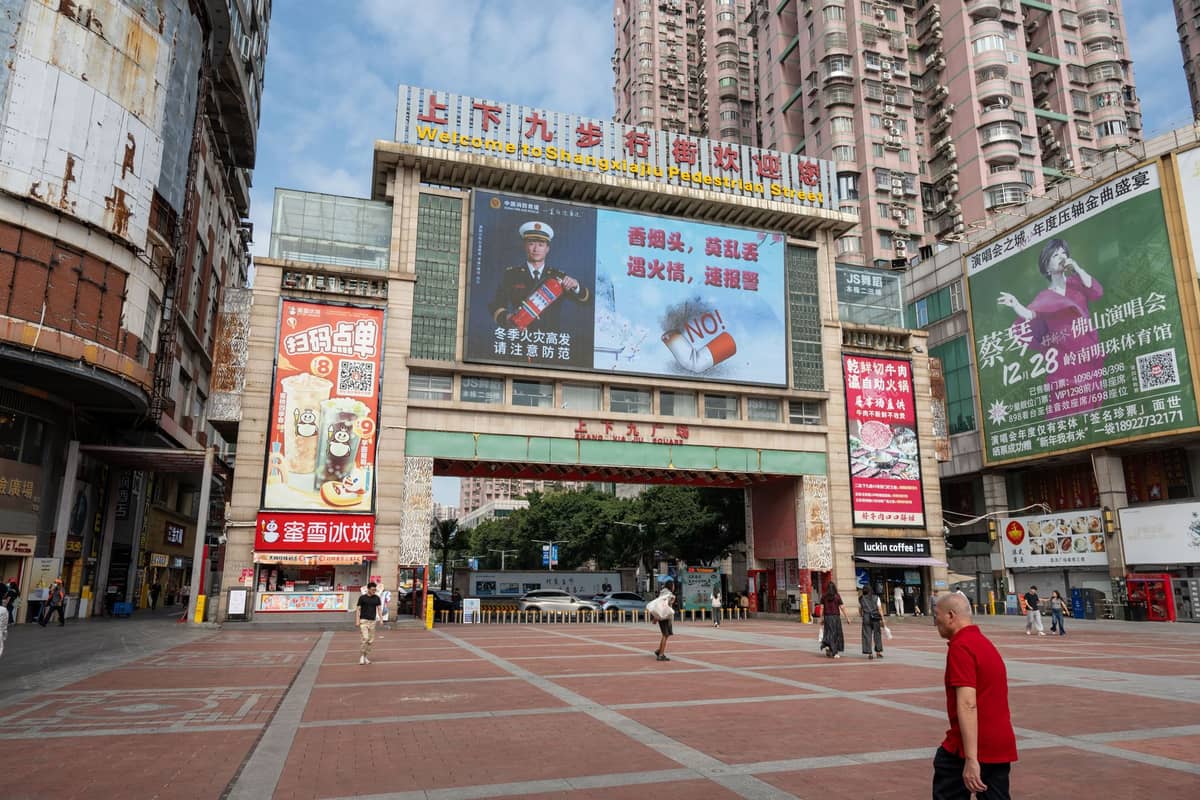
The single biggest mistake first-time buyers make is treating Guangzhou like one giant market. It isn't. The city is home to a network of over 1,000 specialized wholesale markets distributed across different districts, each with its own focus, price tier, and buyer culture. Clothing dominates in Yuexiu and Haizhu. Electronics cluster in specific complexes. Toys, gifts, and home décor have their own corridors. Walking into the wrong market for your product category wastes an entire day.
The other misconception worth addressing early: these are not wholesale-only venues in the strict sense. Many vendors will sell single items or small quantities to walk-in buyers, but you will pay retail prices, sometimes significantly above what a bulk buyer pays. True wholesale pricing typically requires a minimum order quantity (MOQ) of around 5 to 10 pieces per style, though this varies widely by vendor and product type. The more you buy and the more regularly you buy, the better the pricing gets. First-time buyers with no established relationship should expect to negotiate from a retail baseline.
ℹ️ Good to know
Guangzhou was historically known in the West as Canton, and the trading tradition runs deep: the city has long been a major commercial hub. The Canton Fair, held twice yearly at the Pazhou complex in Haizhu, is one of the largest trade fairs in the world and draws buyers from over 200 countries. If your trip overlaps with fair dates, expect accommodation prices to spike and some market vendors to be unusually busy or away.
Payment has shifted decisively toward mobile in Guangzhou's markets. Cash transactions have become increasingly rare, and many vendors actively prefer Alipay or WeChat Pay. Both platforms now allow foreign users to link international credit cards, but the setup process takes time and occasionally requires troubleshooting. Do this before you land in Guangzhou. For broader logistics on getting around the city and managing day-to-day movement between market districts, the getting around Guangzhou guide covers metro routes, ride-hailing, and transport between districts.
The Major Wholesale Market Districts
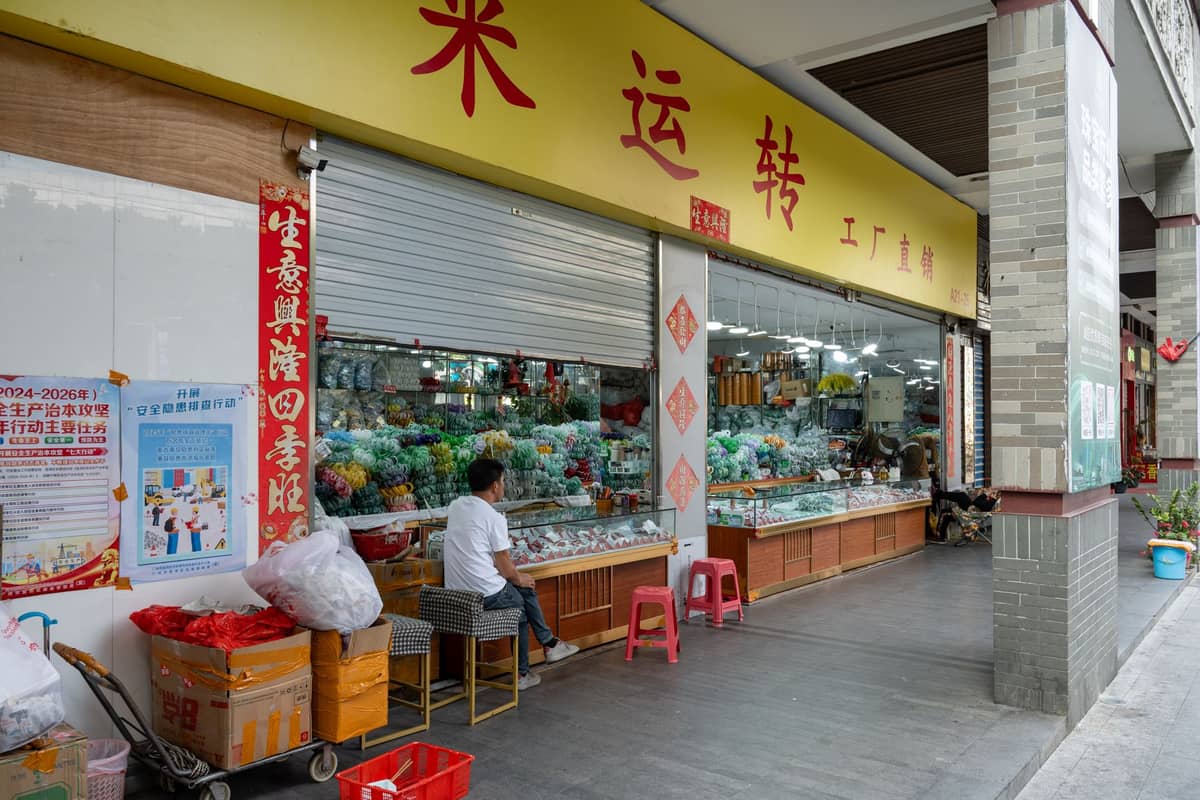
Most of Guangzhou's core wholesale activity concentrates in Yuexiu District and Haizhu District, though specific categories extend into Liwan and Tianhe. Here is a breakdown of the main clusters:
- Baima Garment Market (16 Zhannan Road, Yuexiu) One of the best-known fashion wholesale venues in the city, Baima caters to the higher end of the clothing market. Vendors here stock relatively current styles and are accustomed to dealing with international buyers. MOQs tend to be slightly lower than at some other garment markets because the price point is higher. Expect branded-style garments, not budget basics.
- Liuhua Garment Wholesale Market (121 Liuhua Road, Yuexiu) A large multi-building complex near the train station area, Liuhua is one of the more accessible markets for first-timers due to its scale and variety. Prices are competitive and the range of styles is broad, covering everything from casual wear to formal clothing.
- Shahe Garment Market (Shahe area, Tianhe District) Shahe is the budget end of the clothing spectrum. Prices are lower, but so is the average quality level. This is where small resellers and market stall operators typically source. The sheer volume of options can be overwhelming; go with a specific category in mind rather than browsing randomly.
- Yide Road Wholesale Market (Yide Road, Yuexiu) Yide Road is the hub for toys, gifts, stationery, and home décor. The street and surrounding blocks are lined with wholesale buildings covering these categories. If you are sourcing novelty goods, seasonal items, or party supplies, this is the right district. Onelink Plaza sits nearby and extends into electronics accessories and small gadgets.
- Huangsha Seafood Market (Liwan District) Not a wholesale market in the commercial buyer sense, but included here because Huangsha is Guangzhou's primary wholesale seafood trading hub. Relevant for restaurant operators or anyone sourcing food products at volume.
⚠️ What to skip
The area around Guangzhou Railway Station (Yuexiu) is extremely busy and can feel chaotic, particularly on weekends and during trade fair periods. Keep your bags secured, watch for unsolicited 'guides' who approach foreign buyers outside markets, and be cautious of anyone offering to take you to a 'better price' market you didn't ask about. Reputable sourcing agents arrange meetings in advance.
Pricing, MOQs, and Negotiation
Pricing in Guangzhou's wholesale markets follows a tiered logic that is worth understanding before you start talking numbers. The vendor's opening price is rarely the floor. For small first-time orders, the starting price is often close to retail. For buyers who communicate that they are placing regular orders, prices move more quickly. The most important signals you can send are: you know what you want, you know what a reasonable price looks like, and you are prepared to walk away.
MOQ flexibility varies considerably between markets and product types. Garment vendors at Shahe might require a minimum of five pieces per colorway and ten per style. At Baima, some vendors will deal in smaller quantities at a slightly higher per-unit price because their margin on premium items allows it. On Yide Road, toy and gift vendors often have box-quantity minimums tied to packaging rather than arbitrary piece counts. Always ask what the MOQ is before you spend time negotiating price.
Bargaining is expected, but aggressive bargaining with no intention to buy is noticed and remembered. If you are planning return visits, burning goodwill over a few yuan per unit is counterproductive. A reasonable negotiation target for a first order is often modestly below the opening price on smaller quantities. On larger orders, buyers with established relationships can push further, but that takes multiple visits and consistent volume.
✨ Pro tip
Bring a notebook and record prices, vendor stall numbers, and the market building you're in. The markets are dense and stalls look similar. It is surprisingly easy to lose track of where you saw a specific item at a specific price. Photos are generally acceptable, but always ask first at higher-end markets like Baima where some vendors are protective of their designs.
When to Go: Timing Your Market Visit
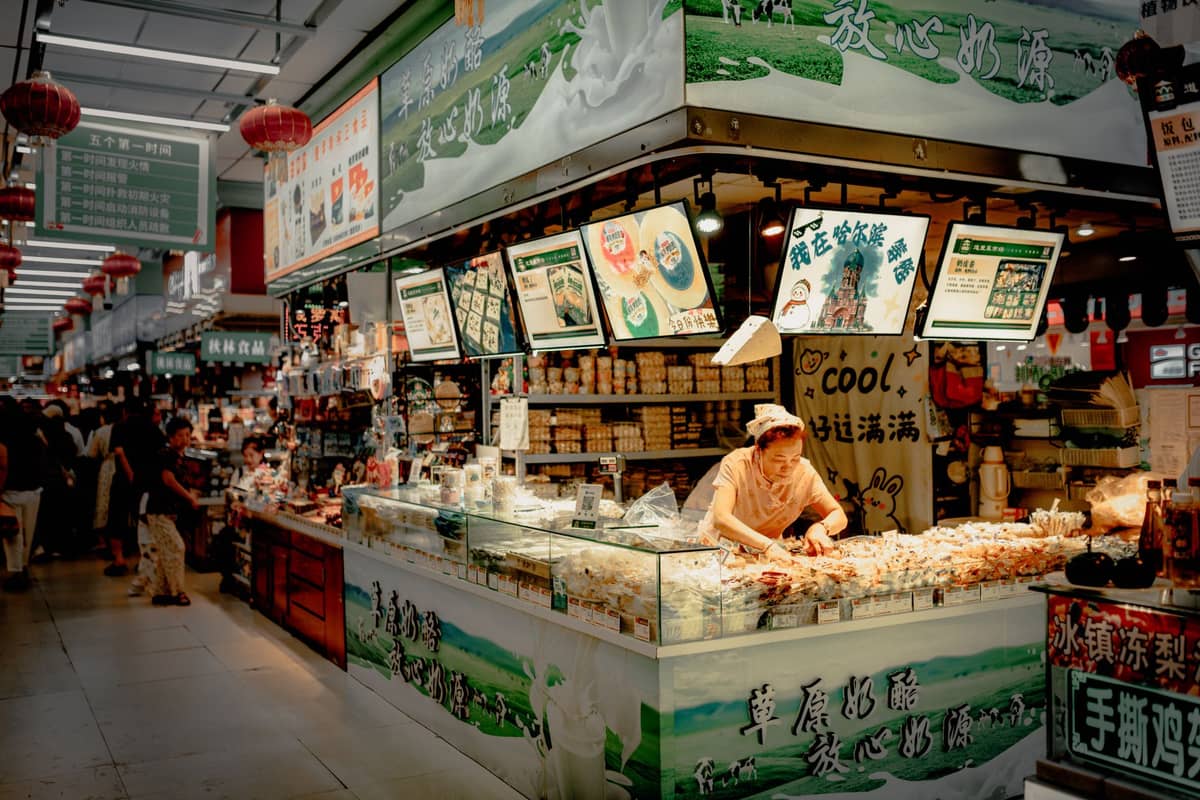
Timing a sourcing trip to Guangzhou matters more than most buyers realize. The city's humid subtropical climate means that peak summer months (June through August) are hot and uncomfortable for spending long hours walking through dense market buildings. The practical peak buying windows align with both favorable weather and optimal stock cycles.
Mid-March to late May is the strongest window for most product categories. Stock is refreshed after Chinese New Year, new season inventory is on the floor, and vendors are generally motivated to move volume. The weather is warm but not yet oppressive. September and October are the second strong window: pre-holiday sourcing is active, and the autumn period is widely considered the most comfortable time to be in Guangzhou. The Guangzhou in autumn guide explains why October in particular draws both tourists and trade buyers.
- Avoid: the two weeks around Chinese New Year when many markets close or operate with skeleton staffing
- Avoid: Canton Fair dates (typically April and October) unless you are attending the fair itself; hotel prices spike and the city is extremely crowded
- Best for garments: March to May for spring/summer stock, August to September for autumn/winter lines
- Best days of the week: Tuesday through Thursday tend to be the least crowded and most productive for negotiation
- Arrive early: most serious wholesale buyers are at the markets by 9:30 AM; the best vendor attention is in the first half of the day
Practical Logistics for Buyers
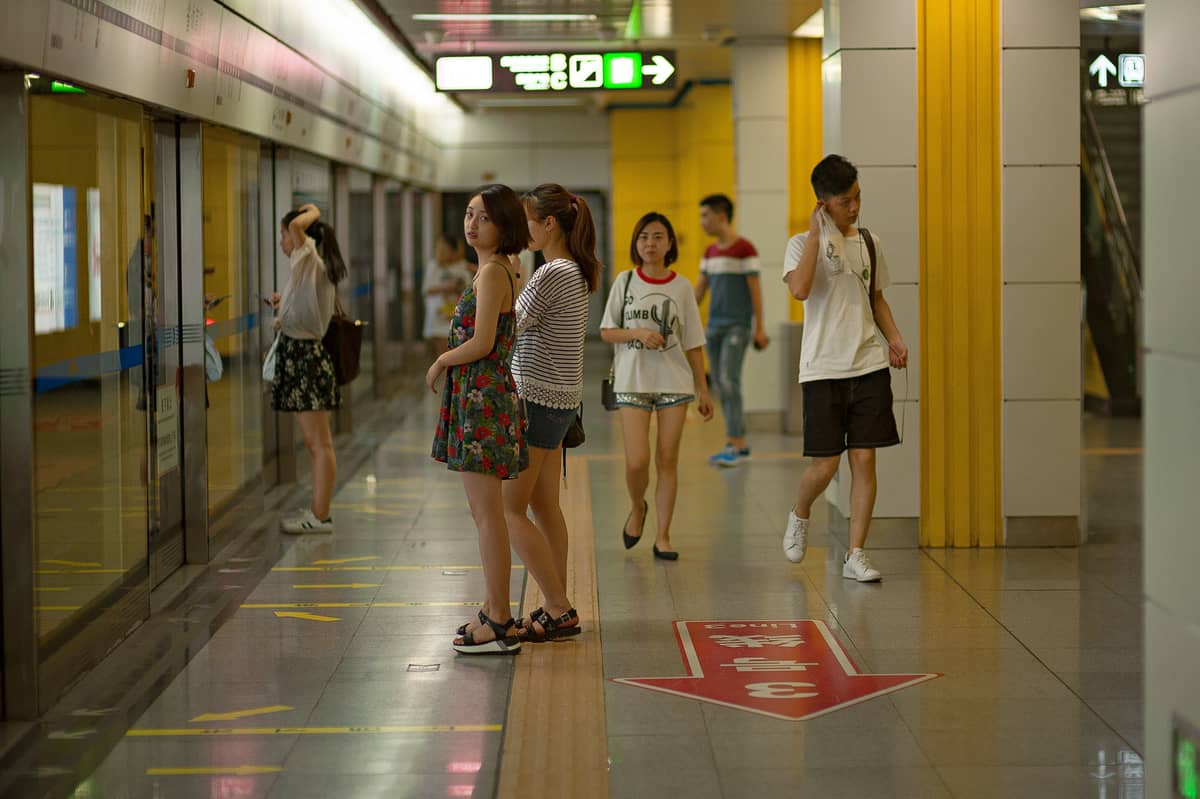
Most wholesale markets in Guangzhou are reachable by metro, which keeps costs predictable and avoids traffic delays. The Guangzhou Metro system connects all the major market districts, with key stations near the Yuexiu cluster around Guangzhou Railway Station (Lines 2 and 5) and around Haizhu's commercial areas. For a full breakdown of transport options across the city, the getting around Guangzhou guide is the right starting point.
Shipping your purchases home requires some advance planning. Most experienced buyers work with a local freight forwarder rather than attempting to ship directly from market buildings. Forwarders can consolidate orders from multiple markets, handle customs documentation, and offer sea freight options that make large-volume buying economically viable. Ask your hotel or sourcing agent for freight forwarder recommendations; this is not a service to improvise on arrival.
Language is a real barrier in many of the markets. English proficiency among vendors is inconsistent, especially outside the highest-tier markets. A sourcing agent who speaks both Cantonese and Mandarin is a significant advantage, not just for communication but for price negotiation. If you are visiting independently, having key phrases in Mandarin and a translation app ready (with offline mode enabled) covers most basic transactions. Note that Guangzhou is a strongly Cantonese-speaking city in everyday life, but Mandarin is understood across all commercial settings. For broader orientation before your trip, the first-timer guide to Guangzhou covers the essentials.
Buyers who want to combine wholesale sourcing with a broader look at the city have plenty of options. Yide Road itself is worth exploring beyond the wholesale buildings for a sense of how Guangzhou's traditional trade culture has shaped the streetscape. The nearby Shangxiajiu pedestrian street in Liwan gives a good ground-level view of local commercial life, and the Guangzhou shopping guide covers the retail side for anyone mixing business with personal purchases.
Common Mistakes and How to Avoid Them
Going without a plan is the most expensive mistake. Each major market area covers several multi-story buildings, and a buyer who arrives without a specific product category and target price in mind will spend hours without accomplishing much. Before you visit, research the market that corresponds to your product type, know your target price per unit, and have your MOQ flexibility defined.
- Not setting up mobile payment in advance: many vendors no longer carry change and strongly prefer Alipay or WeChat Pay
- Conflating the Canton Fair with the wholesale markets: the fair is a trade exhibition, not a market where you walk in and buy off the shelf
- Assuming all goods are counterfeit: Guangzhou's markets contain a wide spectrum of quality from genuine manufacturer overstock to low-quality imitations; examine samples carefully before committing to an order
- Overpaying for 'factory direct' claims: every vendor in the market claims to be factory-direct; verify by asking for production documentation if this matters for your sourcing
- Ignoring shipping lead times: sea freight from Guangzhou to Europe or North America typically takes several weeks; factor this into your inventory planning
For buyers who want to go deeper into Guangzhou's trade infrastructure, the Canton Fair visitor guide covers the biannual exhibition that runs parallel to the market ecosystem and attracts buyers from across the globe.
FAQ
Can tourists buy from Guangzhou wholesale markets, or are they trade buyers only?
Most markets are open to anyone who walks in. There is no membership or trade credential required for entry. However, the pricing structure favors buyers who are purchasing in volume. Individual tourist purchases are possible but you will typically pay close to retail prices rather than true wholesale rates. Some vendors are less interested in negotiating for single-item purchases.
What is the minimum order quantity at Guangzhou wholesale markets?
MOQs vary by market, vendor, and product type. A common benchmark in garment markets is 5 to 10 pieces per style or colorway, but this is not a fixed rule. Some vendors will sell single items at a premium. Others have strict minimums tied to factory production runs. Always ask the specific vendor before assuming a standard applies.
Is cash still accepted at Guangzhou wholesale markets?
Technically yes, but mobile payment via Alipay or WeChat Pay has become dominant in everyday commercial life in China, including wholesale markets. Some vendors may struggle to make change for large cash transactions or may simply prefer not to deal in cash. Setting up Alipay or WeChat Pay with a foreign card before your trip is strongly recommended.
When is the best time to visit Guangzhou wholesale markets?
Mid-March to late May and September to October are the two most productive windows. Stock is well-refreshed after Chinese New Year in spring, and autumn brings new season inventory ahead of the holiday shopping period. Both windows also offer more comfortable temperatures than the humid summer months. Avoid the two weeks around Chinese New Year and the Canton Fair dates in April and October unless you are attending the fair.
Which Guangzhou wholesale market is best for clothing?
It depends on your price point. Baima Garment Market (16 Zhannan Road, Yuexiu) is the best-known venue for higher-end fashion and is relatively foreigner-friendly. Liuhua Garment Wholesale Market (121 Liuhua Road, Yuexiu) offers broad variety at competitive prices. Shahe (Tianhe District) is the budget end of the clothing market with lower prices and lower average quality. Visit more than one before committing to orders.