Werribee Open Range Zoo: What to Expect Before You Go
Werribee Open Range Zoo sits about 35 kilometres southwest of central Melbourne and offers something most city zoos cannot: wide-open savanna-style landscape where giraffes, rhinos, and zebras roam at a scale that feels genuinely uncrowded. It takes most visitors three to five hours to do it properly, and the open-air safari bus is the centrepiece.
Quick Facts
- Location
- K Road, Werribee South, Victoria 3030 — approx. 35 km west of Melbourne CBD
- Getting There
- Drive via the Princes Freeway, or take a train to Werribee Station and Bus 439 Werribee South to the zoo. Confirm current options with PTV before travel.
- Time Needed
- 3 to 5 hours; allow a full day with younger children
- Cost
- Adults from A$58; children (4–15) A$29 on weekdays, free on weekends and public holidays; ages 0–3 free; concession from A$44; seniors from A$52.50. Prices listed as 'from' — verify current rates before booking.
- Best for
- Families with children, wildlife photography, day trips from Melbourne
- Official website
- www.zoo.org.au/werribee
What Werribee Open Range Zoo Actually Is
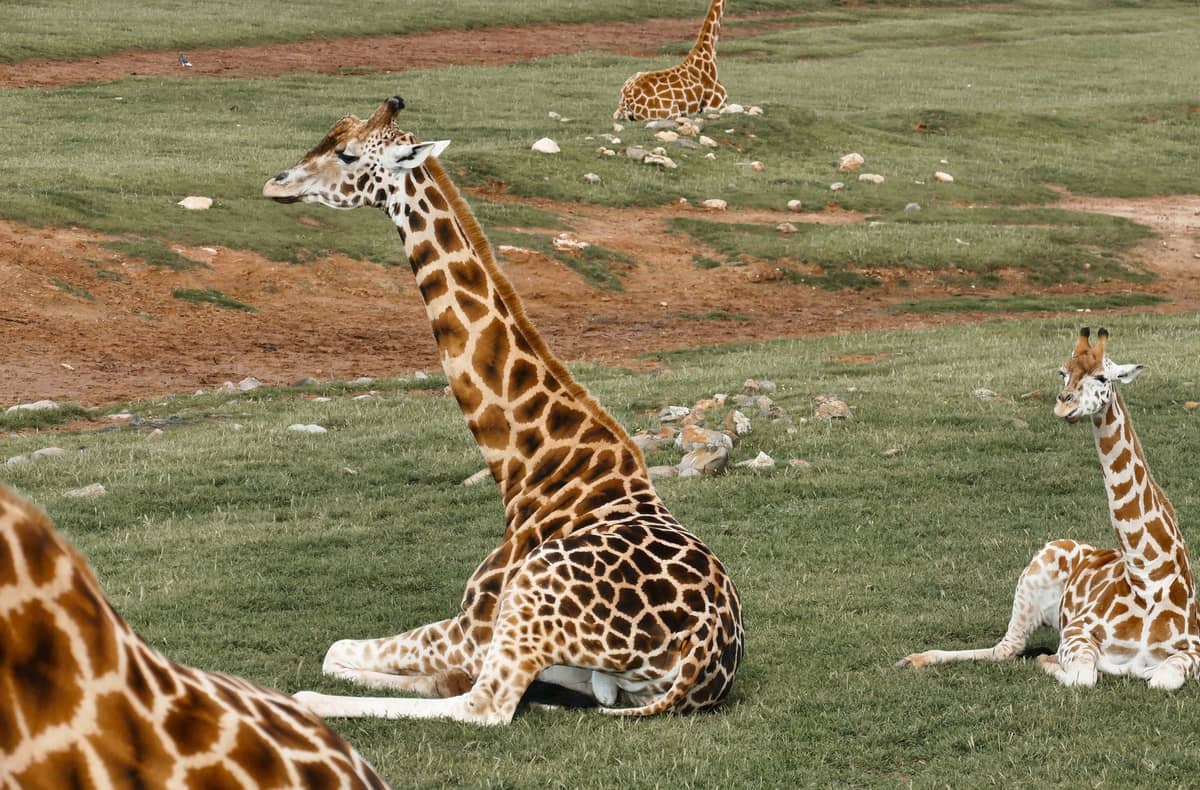
Werribee Open Range Zoo is not a conventional cage-and-enclosure zoo. It is a large open-range wildlife park on the western fringe of Melbourne that uses fenced paddocks scaled to feel genuinely expansive rather than constructed. The landscape is flat grassland that reads visually like African savanna, and that setting is deliberate: the zoo's African animals — giraffes, white rhinoceroses, zebras, hippopotamuses, and more — are kept in habitats large enough that you sometimes need binoculars to see them clearly from the safari bus.
The zoo is operated by Zoos Victoria, the same organisation that runs Melbourne Zoo and Healesville Sanctuary, and it participates in breeding programs for threatened species. That gives it a conservation purpose beyond entertainment, which is worth knowing when deciding whether the admission price is justified.
ℹ️ Good to know
Opening hours are 9 am to 5 pm daily, with last entry at 3:30 pm. The safari bus typically runs multiple times throughout the day — check departure times on arrival or book in advance, as morning sessions can fill quickly on weekends.
The Safari Bus: The Part You Cannot Miss
The open-air safari bus tour is the defining experience here and it is included in general admission. You board an open-sided vehicle and travel through the large African savanna section of the zoo, getting close to animals in a way that walking paths do not permit. The driver provides commentary, and the pace is slow enough to watch animal behaviour properly rather than simply logging a sighting.
Morning departures tend to produce the best animal activity. By early afternoon, particularly in summer when temperatures climb above 30°C, many of the larger animals have moved to shade or slowed their movement. The light is also better for photography in the first half of the day, with the sun behind most of the key viewpoints rather than in your face. If you are serious about photographs, bring a long lens or a camera with solid zoom: the animals can be at some distance, and phone cameras struggle.
The bus is wheelchair-accessible. Families with strollers should note that strollers cannot board, but the zoo provides storage near the boarding point.
💡 Local tip
Arrive when the zoo opens at 9 am, head straight to the safari bus boarding area, and take the first available tour. You will see the animals at their most active, and you will have the rest of the day for the walking sections without feeling rushed.
Tickets & tours
Live prices and dates from our booking partner. If you book, we may earn a commission at no extra cost to you.
Great Ocean Road reverse itinerary tour from Melbourne
From 77 €Instant confirmationFree cancellationGreat Ocean Road bus tour with a forest walk
From 90 €Instant confirmationFree cancellationYarra Valley Bus Wine Tour including lunch with a glass of wine and chocolate
From 107 €Instant confirmationFree cancellationHidden bars of Melbourne guided tour
From 115 €Instant confirmationFree cancellation
The Walking Sections: More Than a Gap-Filler
Beyond the safari loop, Werribee has substantial walk-through areas worth treating as a destination in themselves rather than a way to pass time between bus rides. The African savanna walk brings you alongside meerkats, lemurs, and smaller species in habitats that allow close observation at a calm, unhurried pace. The gorilla rainforest section is one of the more immersive enclosures, built around a planted environment that gives the animals genuine complexity to move through.
The Australian wildlife section tends to get less visitor attention than the African exhibits, which is arguably a mistake. Kangaroos and wallabies in open paddocks, koalas in a purpose-built area, and several native bird species appear alongside the international animals. For international visitors who have not yet encountered Australian wildlife, this part of the zoo has real value.
The pathways throughout the zoo are paved or compacted surface, suitable for wheelchairs and strollers. Accessible toilets, including a Changing Places facility, are available on site. Accessible parking is positioned close to the main entrance.
How the Experience Changes by Time of Day and Season
The zoo sits in an exposed flat landscape with minimal shade in the open-range sections. In summer (December to February), temperatures in the Werribee area can spike sharply, and both the animals and the visitors feel it. Some large animals retreat to sheltered areas during peak afternoon heat, meaning you may see significantly less on a hot summer afternoon than on a mild autumn morning. Carry water, apply sunscreen before you enter, and plan your safari bus timing around the heat rather than around your preferred lunch time.
Autumn and spring visits (March to May, September to November) offer the most comfortable conditions. The light in these months is also more photogenic, with softer shadows and better colour in the grassland. Winter days are cool and occasionally rainy, but animal activity is often higher since the cooler temperature suits many of the zoo's species. The open bus can be cold in winter: bring a layer you can remove easily.
Weekend mornings attract noticeably larger crowds than weekday visits, and school holidays push capacity significantly. If flexibility allows, a Tuesday or Wednesday morning visit in term time offers a quieter experience across every section of the zoo. The children's free admission on weekends and public holidays makes those days very popular with Melbourne families, which is worth factoring in.
For broader guidance on when conditions in Melbourne favour outdoor attractions, the best time to visit Melbourne guide covers seasonal patterns in useful detail. Werribee Open Range Zoo also works well as part of a wider day out west: Werribee Park Mansion is nearby and adds a very different kind of historical experience to the day.
Getting There and Practical Logistics
The zoo is located on K Road in Werribee South, and most visitors arrive by car. The drive from Melbourne's CBD takes roughly 40 to 50 minutes via the West Gate Freeway and Princes Freeway, depending on traffic. Parking is available at the zoo and is free, so it does not add to the cost of admission.
For those without a car, the nearest train station is Werribee, which is served by trains on the Werribee Line from the city. From Werribee Station, catch Bus 439 Werribee South to the zoo entrance. Verify current connections with Public Transport Victoria before travel, as routes can change.
If you are planning a full day trip from the city and want to combine Werribee with other destinations, the day trips from Melbourne guide covers logistics for the western suburbs and beyond. For families planning a broader Melbourne itinerary, Melbourne with kids has practical suggestions that pair well with a zoo visit.
💡 Local tip
Book tickets online in advance, especially for weekend and school holiday visits. Book tickets online in advance, especially for weekend and school holiday visits. Children under 16 enter free on weekends, Victorian public holidays and Victorian school holidays, making those days better value for families despite the higher crowds.
Food, Facilities, and What to Bring
The zoo has an on-site cafe and a kiosk for snacks and drinks. The food options are functional rather than exceptional, and prices reflect a captive audience. Bringing your own food and using the picnic areas is permitted and saves money, particularly if you are visiting with children. There is enough seating and shade in the picnic zones near the entrance to make a proper meal break practical.
What to pack: water bottle (refill stations are available), sunscreen and a hat in warmer months, a warm layer for winter or early morning visits, and a camera with optical zoom if wildlife photography matters to you. Comfortable, closed-toe walking shoes are worth wearing: you will cover more ground than most visitors expect, and the paths in the open paddock areas are not manicured.
Who This Zoo Suits and Who Might Skip It
Werribee Open Range Zoo is genuinely well-suited to families with children of almost any age, wildlife enthusiasts, and visitors who want an outdoor experience that is more physically relaxed than a full-day hike but more immersive than an inner-city attraction. The scale and the safari format make it different enough from a standard zoo to justify the admission price for most visitors.
It is less well-suited to visitors who are short on time, those without a car who find the logistics of reaching Werribee South complicated, or people expecting a dense, fast-paced attraction. The open landscape means that if animals have retreated from the bus route on a particular day, you cannot simply walk over and look at them. There is an element of unpredictability that is part of the appeal for some visitors and a frustration for others.
Visitors who want a wildlife experience closer to the city centre might consider Melbourne ZooVisitors who want a wildlife experience closer to the city centre might consider Melbourne Zoo in Royal Park, which is accessible by tram from the CBD. For native Australian wildlife specifically, Healesville Sanctuary in the Yarra Valley focuses on Australian species and offers a different kind of encounter in a forested setting. which is accessible by tram from the CBD. For native Australian wildlife specifically, Healesville Sanctuary in the Yarra Valley focuses on Australian species and offers a different kind of encounter in a forested setting.
Insider Tips
- Take the safari bus first thing when the zoo opens at 9 am. Animal activity peaks in the morning before the heat builds, and early tours have smaller groups. Later in the day, especially on weekends, buses can feel crowded and animal sightings more unpredictable.
- Children under 16 enter free on weekends, Victorian public holidays and Victorian school holidays, but crowds are significantly higher on those days. Weigh the cost saving against the quieter experience you get on a weekday, particularly during school terms.
- The gorilla rainforest enclosure is often less crowded than the African savanna sections. Spend time there in the mid-morning when most visitors are focused on the safari bus, and you will often have clear sightlines without other visitors in the frame.
- Bring a zoom lens or a camera with optical zoom rather than relying on a phone camera for the open-range sections. Animals on the savanna paddock can be 50 to 100 metres from the bus, and phone cameras produce flat, distant results.
- If you are driving, check real-time traffic before leaving: the West Gate Freeway and Princes Freeway can be slow during peak commute times, which affects both morning arrival and afternoon departure from the zoo.
Who Is Werribee Open Range Zoo For?
- Families with children of primary school age
- Wildlife photographers who want open-landscape settings rather than enclosure shots
- Visitors planning a day trip from Melbourne who want a full day away from the city
- International visitors looking to combine African wildlife with native Australian animals in one location
- Travellers with accessibility needs: the site has strong accessibility infrastructure including wheelchair hire and accessible bus tours
Nearby Attractions
Combine your visit with:
- 1000 Steps Kokoda Track Memorial Walk
The Kokoda Track Memorial Walk, known locally as the 1000 Steps, climbs through fern-filled forest in the Dandenong Ranges east of Melbourne. Free to visit and reached by train, it combines a genuine physical workout with quiet moments of WWII commemoration.
- Albert Park Lake
Albert Park Lake is a vast freshwater reserve just minutes from Melbourne's CBD, offering a 4.7km walking and cycling path around calm water, sports ovals, and open parkland. Free to enter and accessible by tram, it rewards early morning walkers, cycling families, and anyone wanting to understand how Melbourne uses its open spaces.
- Bells Beach
Bells Beach, in Wadawurrung country and also known by its Traditional Owner name Djarrak, is a 48-hectare coastal reserve near Torquay that holds the distinction of being the world's first declared surfing reserve. With its sheer sandstone cliffs, deep bowl-shaped break, and annual Rip Curl Pro competition, it draws surfers and non-surfers alike for one of Victoria's most dramatic coastal experiences.
- Brighton Beach Bathing Boxes
Lined up along Dendy Street Beach in Brighton, Melbourne's 96 privately owned bathing boxes are one of Victoria's most recognisable sights. Free to view from the public beach, they reward visitors who time their arrival with the morning light or an empty tide. Here is what you actually need to know before making the trip.
Planning a trip? Discover personalized activities with the Nomado app.