Toronto Harbour Boat Cruises: The City from the Water
Board the Harbour Star at Harbourfront Centre for a 45-minute loop through Toronto's Inner Harbour and the lagoons of the Toronto Islands. It's one of the few ways to see the full downtown skyline in one uninterrupted sweep, and it gives context to the waterfront that no walking tour can match.
Quick Facts
- Location
- Harbourfront Centre West Pier, Queens Quay West, Toronto Waterfront
- Getting There
- Walk south from Union Station via Bay or York St underpasses to Queens Quay; TTC streetcar along Queens Quay W
- Time Needed
- 45-minute cruise; allow 1.5 hours total with boarding and waterfront time
- Cost
- From CAD $22.12 per adult (CitySightseeing Toronto; verify current pricing before booking)
- Best for
- First-time visitors, families, photography, couples, and anyone who wants the skyline in perspective
- Official website
- citysightseeingtoronto.com/tours/harbour-and-islands-cruise
Why Take a Harbour Cruise at All
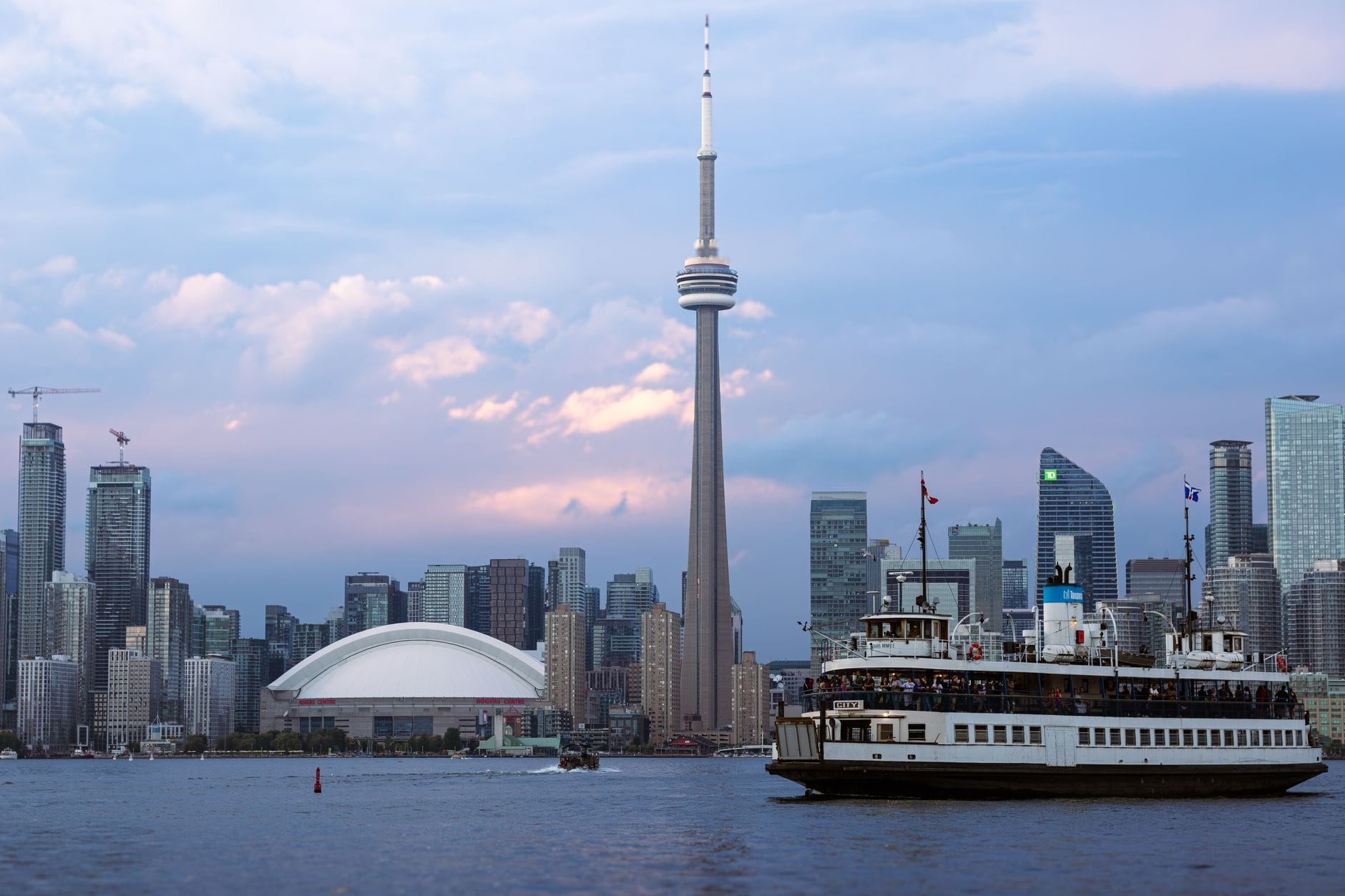
Toronto is a lakefront city that many visitors never actually see from the water. The waterfront path, the ferry docks, the boardwalks: they all put you beside Lake Ontario, but they don't give you distance. Distance is what a boat cruise provides. Once the Harbour Star clears the dock at Harbourfront Centre and swings west across the Inner Harbour, the full downtown skyline appears in one frame: the CN Tower standing clear of everything around it, the glass towers of the financial district stacked behind the Rogers Centre, and the low green line of the Toronto Islands in the foreground. That view does not exist anywhere on land.
The cruise is operated by CitySightseeing Toronto aboard a vessel called the Harbour Star, departing from the West Pier of Harbourfront Centre, which is CitySightseeing stop number 10. The route divides roughly in half: the first portion covers the Toronto Inner Harbour, tracking past the Billy Bishop Airport runway, the Western Channel, and the foot of the city's condo towers; the second half threads through the canals and lagoons of the Toronto Islands, where the scale shifts completely. Out here, the noise of the city drops away, herons stand on the banks, and you get the quiet, residential side of the Islands that most visitors never reach on a day trip.
💡 Local tip
Cruises depart every hour during operating days, subject to weather and operational changes. Arrive 15 minutes early to board calmly and choose your seat. The upper open deck fills quickly on warm afternoons.
The Route: Inner Harbour to Island Canals
The Harbour Star's 45-minute loop covers two distinctly different environments. In the Inner Harbour, the water is wide, the wind picks up noticeably even on mild days, and the scale of the city feels amplified. The CN Tower, which can feel almost familiar from the street, suddenly reasserts its height from this angle. The Rogers Centre dome sits low and wide behind the shoreline. To the west, the Billy Bishop Airport runways extend almost to the water's edge, and if timing is right, you may watch a small turboprop bank low over the harbour on approach.
Once the boat passes through the Western Gap, the character of the trip changes. The Island canals are narrow and sheltered. Willows overhang the banks. The residential cottages of Algonquin Island and Ward's Island are visible through the trees. The water here is calmer, and on summer mornings it has a glassy, almost still quality that makes the canal passages feel oddly serene. The onboard commentary, provided by a live guide, covers both the city's harbour history and the Islands' unusual story as the only continuously inhabited island community within a major North American city.
Tickets & tours
Live prices and dates from our booking partner. If you book, we may earn a commission at no extra cost to you.
How the Experience Changes by Time of Day
Morning departures, particularly between 10am and noon, tend to be quieter. The light comes from the east, which is less ideal for photographing the westward-facing skyline but gives the water a bright, flat quality that can work well for wide shots. Crowds are thinner, the air is cooler, and the upper deck is often uncrowded enough to move freely.
Afternoon departures, from around 2pm onward, attract more visitors, especially families and tour groups in July and August. The sun moves into a more favorable position for the skyline from mid-afternoon, with warm directional light on the glass towers. The boat can feel busy at peak summer hours, so if you prefer space on the upper deck, aim for late morning or, if available, an early evening departure. The light just before sunset turns the CN Tower amber and the lake surface silver, and on a clear evening this is as good a skyline view as Toronto offers.
ℹ️ Good to know
The Harbour Star operates seasonally, on roughly a 6‑month schedule from May until the end of October, with schedules subject to weather and the captain's discretion. Check the CitySightseeing Toronto website for current departure times before you go.
What the Cruise Gets Right (and Its Limitations)
The 45-minute format is well-calibrated. It's long enough to give the Inner Harbour proper attention and still spend meaningful time in the Island canals, but short enough that it doesn't outstay its welcome. Children generally stay engaged for the full duration, which is not always the case with longer waterfront boat tours. The combination of indoor and outdoor seating means the cruise works on overcast or cooler days when open-deck-only boats would be uncomfortable.
That said, this is a narrated sightseeing cruise, not a sailing experience or a party boat. The Harbour Star is a motorized passenger vessel, not a schooner or a tall ship. If you're hoping for a feeling of genuine nautical adventure, the ferry to the Toronto Islands and a walk around Ward's Island might satisfy you more. The onboard narration is informative and delivered by a live guide; don't expect a fully customized experience or in‑depth Q&A tailored to your specific interests on a busy departure.
Travelers who want to go deeper into the Islands themselves, spending time on the beaches or cycling the paths, should consider the Centre Island ferry instead. The cruise gives you a view of the Islands without landing on them. If the Islands are a priority rather than a backdrop, take both: the cruise for the skyline perspective, and the ferry for the afternoon.
Practical Walkthrough: Getting There and Boarding
The departure point is the West Pier at Harbourfront Centre, on Queens Quay West. From Union Station, the walk takes roughly 10 to 15 minutes: exit south through the York or Bay Street underpasses, cross the Gardiner Expressway on the pedestrian bridge, and follow Queens Quay west along the waterfront. Harbourfront Centre is clearly signed. TTC streetcar routes on Queens Quay W also serve this stretch, which is useful in wet weather or if you're traveling from further west along the waterfront.
Tickets can be purchased through the CitySightseeing Toronto website or at the dock, subject to availability. Online booking in advance is advisable during peak summer weekends. Adult fares start at approximately CAD $22.12, though pricing is subject to change. CitySightseeing Toronto also operates hop-on, hop-off bus tours around the city; the Harbourfront stop ties into that network, so the cruise can be combined with a bus tour if you're doing a wider first-day overview.
⚠️ What to skip
Lake Ontario wind can be sharper than it looks from the dock. Even in summer, the upper open deck gets a sustained breeze once the boat is underway. Bring a light layer, especially for morning or evening departures.
Photography on the Harbour Star
The upper open deck is where all the serious skyline photography happens. The boat moves at a steady, slow pace, which makes it manageable for handheld shooting, but the vibration of the engine is enough to cause blur at slower shutter speeds. In good light, shooting at 1/500s or faster will keep the skyline sharp. A wide-angle lens or a standard zoom covers the full sweep of the downtown core from the upper deck.
For those compiling a Toronto photography portfolio, this cruise delivers an angle on the skyline that is difficult to replicate from land. The combination of the CN Tower, the waterfront condos, and the low green horizon of the Islands in a single frame is what distinguishes the harbour perspective from the rooftop or elevated views you can get at other locations. If you want comparison shots from fixed vantage points, the best viewpoints in Toronto guide covers the alternatives in detail.
Context: Toronto's Harbour History
Toronto Harbour has been central to the city's development since the late 18th century. The natural harbour, protected by the crescent of the Toronto Islands, made this stretch of Lake Ontario shoreline one of the most practical landing points on the Great Lakes. The port was commercially active well into the 20th century, handling grain, coal, and manufactured goods. The shift away from industrial port use came gradually through the latter half of the century, and the waterfront redevelopment that created the parks, piers, and cultural spaces visitors now walk through began in earnest in the 1970s with the establishment of Harbourfront.
The Inner Harbour today is used primarily for pleasure craft, ferry traffic to the Islands and Billy Bishop Airport, and seasonal tour boats. The scale of the surviving port infrastructure, including the wide Western Channel and the protected anchorage behind the Islands, still reflects its commercial past. For a deeper look at how the waterfront evolved and where to explore it on foot, the Toronto waterfront guide covers the full stretch from Humber Bay to the Portlands.
Insider Tips
- If the upper deck is full when you board, position yourself near the stern railing on the lower exterior walkway. You lose some elevation but gain an unobstructed view of the skyline as the boat pulls away from the dock, which is often the best single moment of the whole trip.
- The westward leg through the Island canals is quieter and often overlooked by photographers fixated on the skyline. Turn around: the view back toward downtown from inside the Islands, framed by willows and cottage gardens, is genuinely different from anything you'll find on the waterfront path.
- Weekday departures in late September and early October offer some of the clearest air of the year, fewer crowds than summer, and fall color beginning on the Island vegetation. The light is lower and warmer, which improves skyline photos significantly.
- If you're prone to motion sickness, note that the Inner Harbour section can have short chop from ferry wakes and lake wind. The Island canal section is almost entirely calm. Sitting on the lower indoor deck during the harbour portion and moving outside for the Islands is a reasonable strategy on rougher days.
- The CitySightseeing hop-on, hop-off bus stops at Harbourfront Centre (stop 10). If you're already on a bus day pass, check whether the cruise ticket can be bundled; combination options are sometimes available and can reduce the per-activity cost.
Who Is Toronto Harbour Boat Cruises For?
- First-time visitors to Toronto who want spatial orientation and the full skyline in one view
- Families with children aged 4 and up, given the short duration and mix of indoor and outdoor seating
- Photography enthusiasts seeking the classic Toronto skyline angle that isn't possible from land
- Couples looking for a relaxed afternoon activity with good light and an easy pace
- Travelers doing a city overview day who want to combine the cruise with the Harbourfront area
Nearby Attractions
Other things to see while in Toronto Waterfront:
- BMO Field
BMO Field at Exhibition Place is Toronto's premier outdoor soccer stadium, home to Toronto FC and the Toronto Argonauts. Originally built in 2007 and expanded since, it will serve as a FIFA World Cup 2026 venue. Here is everything a first-time visitor needs to know before heading to a match or event.
- Budweiser Stage
Formerly known as Budweiser Stage, the RBC Amphitheatre is a major outdoor concert venue on the Lake Ontario waterfront at Ontario Place. With a capacity of around 16,000, it draws major international acts from May through October each year. Here is everything you need to know before attending a show.
- Exhibition Place
A 192-acre event and heritage campus on Toronto's western waterfront, Exhibition Place has anchored the city's civic and cultural life since 1879. Home to the Canadian National Exhibition, major concerts, trade shows, and several sports venues, the grounds offer free outdoor access year-round with a remarkable collection of early 20th-century buildings.
- Harbourfront Centre
Harbourfront Centre is a 10-acre arts and cultural campus on Toronto's waterfront, open year-round with free public access to outdoor spaces, plus ticketed performances, exhibitions, and events. It sits about a 15-minute walk from Union Station and offers a direct view across Lake Ontario.
Planning a trip? Discover personalized activities with the Nomado app.