Tokyo Photographic Art Museum: Japan's Premier Destination for Photography and Moving Image
Housed in the elegant Yebisu Garden Place complex in Meguro, the Tokyo Photographic Art Museum (東京都写真美術館) is one of Japan's leading museums dedicated to photography and moving image art. With around twenty exhibitions per year spanning historical archives to contemporary lens-based work, it rewards repeat visits across seasons.
Quick Facts
- Location
- Yebisu Garden Place, 1-13-3 Mita, Meguro-ku, Tokyo 153-0062
- Getting There
- JR Ebisu Station (East Exit, ~7 min walk) or Hibiya Line Ebisu Station (~11 min walk)
- Time Needed
- 1.5 to 3 hours depending on how many exhibitions are running
- Cost
- Varies by exhibition. Sample pricing: Adults ¥700, College Students ¥560, High School Students and over 65 ¥350; free for junior high and younger. Verify current pricing at topmuseum.jp.
- Best for
- Photography enthusiasts, contemporary art lovers, rainy-day culture seekers, and anyone wanting a calm, serious museum experience
- Official website
- topmuseum.jp
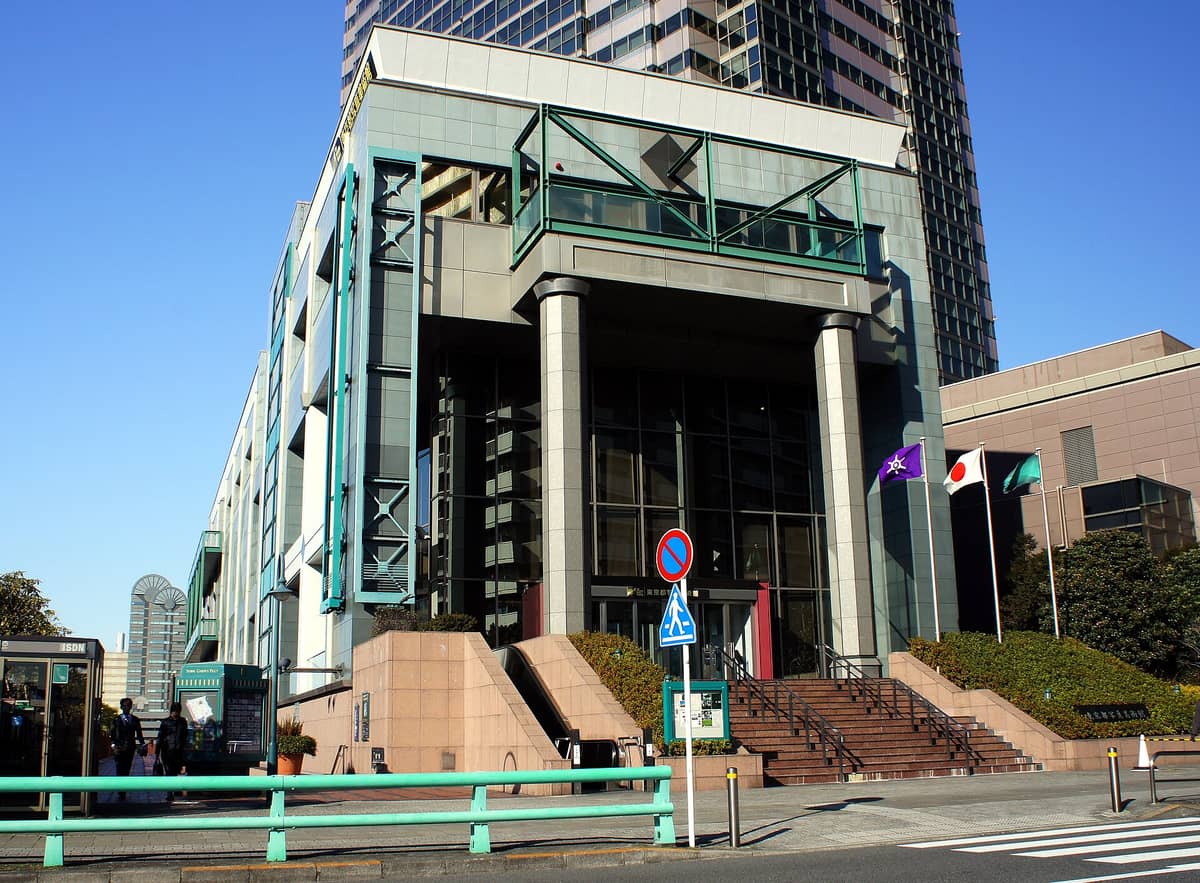
What the Tokyo Photographic Art Museum Actually Is
The Tokyo Photographic Art Museum, known in Japanese as 東京都写真美術館 and often abbreviated as TOP Museum, occupies a distinctive position in Tokyo's cultural landscape. It is one of Japan's few public museums dedicated entirely to photography and moving image, making it a serious institutional destination rather than a casual stop. The museum runs roughly twenty exhibitions per year across multiple gallery floors, covering everything from nineteenth-century photographic history to cutting-edge video installation and contemporary documentary work.
The building sits inside Yebisu Garden Place, a thoughtfully designed mixed-use complex built on the former site of the Yebisu Brewery in Meguro. The complex has an unusual atmosphere for central Tokyo: wide pedestrian plazas, European-influenced architecture, and a noticeable absence of the visual noise that defines most Tokyo shopping or entertainment districts. Arriving here feels like stepping into a quieter city within the city.
ℹ️ Good to know
The museum typically runs three or four concurrent exhibitions across its gallery floors, each on a separate theme or artist. Check the schedule at topmuseum.jp before visiting, as the experience varies significantly depending on what is showing. Some exhibitions require advance timed-entry booking.
Getting There: The Walk Through Yebisu Garden Place
From JR Ebisu Station's East Exit, the route to the museum is roughly seven minutes on foot and is itself worth paying attention to. A covered moving walkway connects the station to the Yebisu Garden Place complex, which helps considerably in summer heat or during rain. Once inside the complex, brick-paved paths lead past the Yebisu Beer Museum and a collection of restaurants and boutiques before the museum building comes into view at the far end.
If you are coming from the Hibiya Line's Ebisu Station, the walk is slightly longer at around eleven minutes. Signage in both Japanese and English makes navigation straightforward. Taxis and ride-hailing services drop off conveniently at the garden complex entrance.
The surrounding Ebisu and Daikanyama area is one of the more relaxed parts of central Tokyo, with independent cafes and low-rise streets that make for a good half-day combination. If you want to extend your visit into a fuller day, the Meguro River is within easy walking distance and pairs well with an afternoon at the museum.
Tickets & tours
Hand-picked options from our booking partner. Prices are indicative; availability and final rates are confirmed when you complete your booking.
Tokyo Dining Bar Experience with Darts Throwing Plan
From 8 €Instant confirmationFree cancellationTokyo Dining Darts Bar Experience with Unlimited Darts Plan
From 8 €Instant confirmationFree cancellationManga Art Workshop in a Traditional Tokyo House
From 88 €Instant confirmationFree cancellationTour to Mt. Fuji Area, Oshino Hakkai and Kawaguchi Lake from Tokyo
From 57 €Instant confirmationFree cancellation
Inside the Museum: Layout, Light, and the Pace of the Galleries
The museum building is clean and uncluttered in its interior design, which suits the work it displays. Natural light is managed carefully in the exhibition spaces: photography galleries tend toward controlled artificial lighting to protect prints, while some moving image installations use darkened rooms where your eyes need a moment to adjust on entry. The overall effect is focused and serious without feeling intimidating.
Multiple gallery floors run concurrently, each usually hosting a distinct exhibition. This means that a single admission ticket covers one exhibition, while a visitor wanting to see everything showing on a given day may need to purchase separate tickets or a combined pass, depending on the current programming. Checking the museum website before arrival is not optional advice here, it is genuinely important to planning your visit correctly.
The permanent collection displays offer a grounding in the history of Japanese photography as well as global photographic traditions. The curatorial approach tends toward intellectual depth over spectacle, which distinguishes the museum from more visually flashy Tokyo art experiences. If you come expecting immersive digital projections and crowd-friendly wow moments, you will be in the wrong place. If you come for carefully considered exhibitions with strong academic framing and excellent print quality, this is one of the best venues in Asia for exactly that.
💡 Local tip
Thursday and Friday evenings are the best-kept practical secret here. The museum extends its hours to 20:00 on those two days, and crowd levels drop noticeably after 17:00.
Opening Hours and Admission: What to Know Before You Go
Standard opening hours are 10:00 to 18:00 on regular operating days, with extended hours until 20:00 on Thursdays and Fridays. Last entry is thirty minutes before closing in each case. The museum closes on Mondays, and if Monday falls on a public holiday, the closure shifts to the following weekday. New Year's holidays also bring a closure period.
Admission prices are exhibition-specific rather than fixed. A representative example from recent programming listed general adult admission at ¥700, with reduced rates for college students (¥560) and high school students or visitors aged 65 and over (¥350). Junior high school students and younger enter free, as do some visitors holding disability identification. These figures should be treated as a baseline, not a guarantee: verify current prices at topmuseum.jp before your visit, as special exhibitions and anniversary programming sometimes carry different pricing structures.
Time of Day and Crowd Patterns
Weekday mornings between opening and noon tend to be the quietest period. The galleries draw a noticeably older Japanese audience at these hours: retirees, photographers on research visits, and professionals with flexible schedules. This demographic tends to move slowly and thoughtfully through exhibitions, which contributes to the calm tone.
Weekend afternoons attract a younger, more mixed crowd, particularly for major international photography exhibitions or themed retrospectives. Lines at the ticket counter can form, though the museum's reservation system and advance online ticketing largely smooth out waits for popular shows. If you are visiting Tokyo during autumn (October to mid-November) or during cherry blossom season in spring, factor in that the Yebisu Garden Place complex as a whole gets busier, which affects the cafe and restaurant options more than the museum itself.
For context on seasonal timing in Tokyo more broadly, the best time to visit Tokyo guide covers climate patterns and peak periods that affect all major cultural venues.
Photography Policy, Accessibility, and Practical Details
Photography policies inside the galleries vary by exhibition and are clearly posted at each entrance. Some shows permit smartphone photography without flash; others are strictly no-photography due to copyright agreements with international lenders. Do not assume either way: check the posted signs at the entrance to each individual gallery space.
The museum is comprehensively accessible. Facilities include wheelchair ramps, a wheelchair lift, wheelchair-accessible elevators, multi-purpose toilets, handrails throughout, diaper-changing facilities, baby chairs, wheelchair and stroller loans, a breastfeeding room, sign-language support, and accessible communication formats. This is one of the more thoroughly equipped cultural institutions in Tokyo for visitors with mobility or sensory needs.
The Yebisu Beer Museum is in the same complex and is free to enter, making it a logical add-on before or after your museum visit. For a broader day in the area, the Daikanyama and Nakameguro neighborhood is a short walk away and offers some of Tokyo's best independent cafe culture and bookshops.
Cultural Context: Why This Museum Matters
Photography in Japan has a distinctive tradition. Japanese photographers of the twentieth century developed approaches to the medium that diverged sharply from Western documentary or fine-art conventions, producing a body of work that remains influential globally. The Tokyo Photographic Art Museum holds and exhibits within this tradition while also maintaining a strong international programming schedule. It functions as both an archive of Japanese photographic heritage and a contemporary exhibition space with a global curatorial lens.
The museum opened in January 1995 as part of the Yebisu Garden Place development, which itself reflects a broader Tokyo pattern of transforming industrial sites into cultural and commercial complexes. The former Yebisu Brewery, founded in 1890, was one of Japan's most significant brewing operations before production moved out of the city. The complex now preserves a small amount of the original industrial architecture alongside modern buildings, giving the whole area a layered historical texture that is unusual for central Tokyo.
For visitors interested in how Tokyo's museums compare across different disciplines, the best museums in Tokyo guide provides a useful overview of the city's major institutions.
Who This Museum Is Not For
Visitors looking for immersive, sensory, technology-driven art experiences will likely find the Tokyo Photographic Art Museum too restrained. The programming is intellectually rigorous and curatorially serious, which is a strength, but it means the museum offers limited entertainment value for children or for visitors without a prior interest in photography or moving image as art forms. Families with young children may find the no-noise expectation of print galleries difficult to maintain comfortably.
If you are specifically seeking immersive digital art in Tokyo, teamLab Planets or teamLab Borderless serve that need more directly.
Insider Tips
- The museum shop stocks photography books and exhibition catalogues that are difficult to find elsewhere in Tokyo. Even if you skip a gallery, the shop is worth browsing, particularly for Japanese photographers whose work rarely appears in international bookstores.
- On Thursday and Friday evenings after 17:00, the galleries are significantly quieter and the ticket lines are shorter. The extended 20:00 closing makes it easy to visit after work or after daytime sightseeing.
- If you are visiting during a major international exhibition, book tickets online in advance through the museum's official website. Some high-profile shows sell out on weekends and require timed entry slots.
- The garden plaza outside the museum building is a good spot to decompress between exhibitions. Bring a coffee from one of the complex's cafes and sit facing the main square, which is particularly atmospheric in late autumn when the surrounding trees change color.
- Exhibition programming changes frequently across the year. If photography is a serious interest, consider cross-referencing the current schedule on Tokyo Art Beat (which lists upcoming exhibitions) with your travel dates several weeks before arrival.
Who Is Tokyo Photographic Art Museum For?
- Photography enthusiasts and practitioners who want to see serious curated shows in a dedicated institutional setting
- Contemporary art visitors looking for a calm, intellectually grounded alternative to larger Tokyo art museums
- Travelers visiting on a rainy day who want a full half-day cultural program without outdoor components
- Anyone interested in Japanese visual culture and the specific traditions of Japanese twentieth-century photography
- Visitors combining a Meguro or Ebisu neighborhood day with a focused cultural anchor
Nearby Attractions
Combine your visit with:
- Akasaka Palace (State Guest House)
The State Guest House, Akasaka Palace is Japan's principal diplomatic residence and one of the few Western-style palaces in Asia open to the public. Built in neo-baroque style for the Crown Prince in the early 20th century, it now receives heads of state and, on select days, ordinary visitors. The combination of ornate gilded interiors, formal French gardens, and a Japanese-style annex makes it one of the most architecturally unusual stops in Tokyo.
- Edo-Tokyo Open Air Architectural Museum
Spread across the grounds of Koganei Park, the Edo-Tokyo Open-Air Architectural Museum rescues and reassembles more than 30 historic structures spanning the Edo period through the early 20th century. From a dismantled farmhouse to a reconstruction of a Showa-era Tokyo streetscape, it is one of the most thoughtful and undervisited cultural sites in the metropolitan area.
- Enoshima
A small island off the Shonan coast of Kanagawa Prefecture, Enoshima packs a surprising amount into a short walk: a three-part Shinto shrine, ancient sea caves, a hilltop botanical garden, a lighthouse observation tower, and seafood stalls lining a stone-paved shopping street. It works as a half-day excursion or a full day if you combine it with nearby Kamakura.
- Gotokuji Temple
Gotokuji Temple in Setagaya is a working Soto Zen Buddhist temple that happens to be one of the claimed birthplaces of the maneki-neko, Japan's iconic beckoning cat. Hundreds of white ceramic cats line the shelves of a dedicated shrine, creating one of Tokyo's most quietly striking visual spectacles. Entry is free, crowds are manageable, and the surrounding grounds offer genuine calm.