South Shore Cultural Center: Chicago's Forgotten Lakefront Landmark
Built in 1905 as the South Shore Country Club and now a Chicago Landmark, the South Shore Cultural Center sits on 70.84 acres of lakefront property at 71st Street. It combines Gilded Age architecture, accessible beach access, public programming, and genuine South Side character in a way that few of the city's better-known attractions can match.
Quick Facts
- Location
- 7059 S South Shore Dr, Chicago, IL 60637 (South Shore neighborhood, 71st St & South Shore Drive)
- Getting There
- Metra Electric Line to 71st Street/South Shore station; CTA bus routes also serve the area
- Time Needed
- 1.5 to 3 hours for a thorough visit including the grounds and beach
- Cost
- General access to grounds and beach is free; verify any programming or event fees directly with the center
- Best for
- Architecture lovers, South Side history, lakefront walks, local cultural programming
- Official website
- www.southshoreculturalcenteradvisorycouncil.org
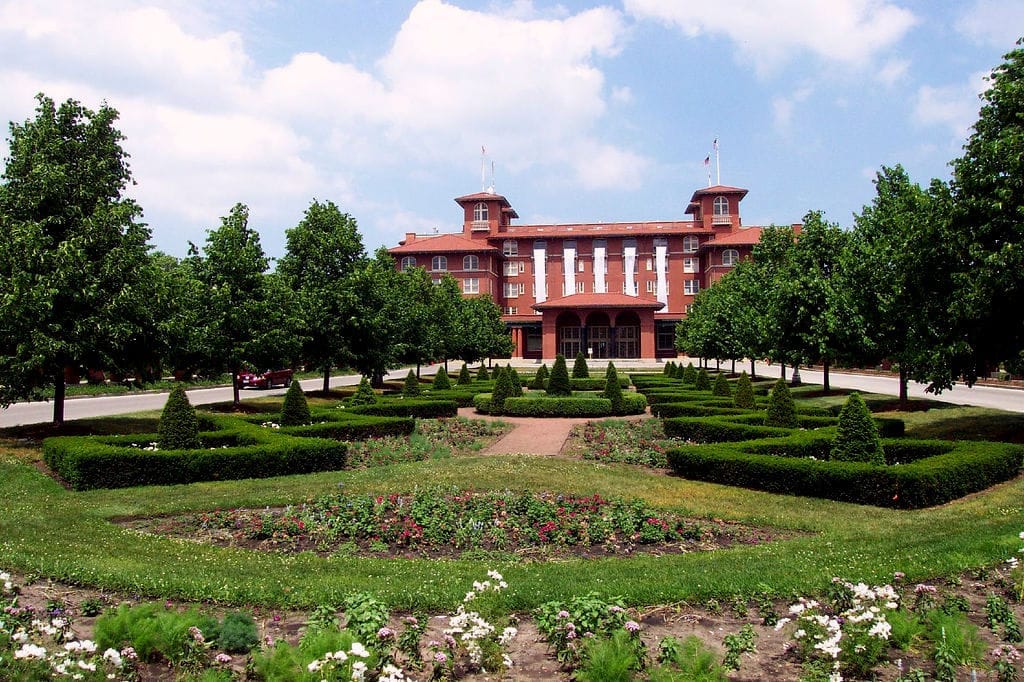
What the South Shore Cultural Center Actually Is
The South Shore Cultural Center is not a conventional museum, not quite a park, and not a typical cultural venue. It is all three at once, wrapped in the shell of an elegant 1905 country club that the city of Chicago repurposed rather than demolished. That decision, contested at the time, turned out to be one of the better preservation choices in Chicago's modern history.
Originally built as the South Shore Country Club, the complex served as an exclusive private club for much of the twentieth century before the Chicago Park District acquired it in 1974. The buildings were listed on the National Register of Historic Places in 1975 and designated a Chicago Landmark in 2004. The physical transformation from private club to public cultural center took time and significant restoration work, but the architectural bones of the original 1916 restoration remain intact.
The center anchors the South Shore neighborhood on the city's South Side, roughly seven miles south of the Loop. It is not on the same tourist circuit as Millennium Park or Navy Pier, and that is precisely what makes it worth the trip.
The Architecture: What to Look For
The main clubhouse building is the centerpiece. Its Mediterranean Revival style, with terracotta detailing, arched loggias, and a grand ballroom interior, feels almost incongruous this far south of downtown, which is exactly the point. The building was designed to project wealth and exclusivity, and the craftsmanship that went into it has survived decades of mixed management and deferred maintenance.
The ballroom itself is frequently cited as one of the most beautiful event spaces in Chicago. It has a barrel-vaulted ceiling, ornate plasterwork, and tall windows that face the lakefront. When programming or events allow public access, it rewards careful attention: look at the ceiling moldings, the proportions of the arched windows, and the way the space was designed to feel both formal and festible at the same time.
Visitors with a serious interest in Chicago's architectural heritage may want to pair this visit with a broader exploration. The Chicago architecture guide covers the full sweep of styles across the city, from the Loop's skyscrapers to lakefront institutions like this one.
💡 Local tip
The exterior of the clubhouse is accessible and worth walking around even when the interior is closed. The lakeside facade and the formal garden terrace give you a clear sense of the building's scale and design intent.
Tickets & tours
Hand-picked options from our booking partner. Prices are indicative; availability and final rates are confirmed when you complete your booking.
Chicago city center walking audio tour
From 5 €Instant confirmationChicago walking tour with culinary and cultural highlights
From 33 €Instant confirmationFree cancellationArchitecture cruise on the Chicago River from Michigan Ave
From 39 €Instant confirmationFree cancellationGo City | Chicago All-Inclusive Pass
From 127 €Instant confirmationFree cancellation
The Grounds and Beach
The property extends along roughly three-quarters of a mile of Chicago's lakefront, and the grounds are substantial, 70.84 acres. There is a public beach on the property, a horse stable used for equestrian programming, a nature area with a lagoon, tennis courts, and formal gardens. For a free public facility, the sheer variety of what is on offer is remarkable.
The beach here sees a fraction of the crowds that gather at North Avenue Beach or Oak Street Beach on summer weekends. That lower density is a real advantage. The water is the same Lake Michigan, the view north toward the downtown skyline is available from here too, and you can spread out on the sand without competing for space. Early morning is particularly good: the light comes in low over the water from the east, the beach is nearly empty, and the clubhouse building glows in a way it simply does not at midday.
The broader lakefront path connects here too, making it possible to incorporate the center into a longer ride or walk along Chicago's Lakefront Trail. From the South Shore Cultural Center, you can follow the trail north through Jackson Park and eventually all the way toward the museum campus.
⚠️ What to skip
Beach conditions and facility access can vary by season and park programming. Check with the Chicago Park District before visiting specifically for beach access, as some areas of the grounds may be reserved for events.
Cultural Programming and Community Role
The South Shore Cultural Center functions as a genuine community institution for the South Side, hosting art exhibitions, concerts, theatrical performances, and community events throughout the year. The nature of that programming shifts depending on what the Chicago Park District and community partners have scheduled, which means no two visits are exactly the same.
The center has historic significance within the context of Chicago's African American community. After the Chicago Park District acquired the property, it became a hub for South Side cultural life at a time when such spaces on that side of the city were limited. The equestrian program, in particular, has become something of a symbol: a stable and riding program on the lakefront in an urban neighborhood is unusual anywhere, and it has developed a loyal following in the community.
For a fuller picture of the South Side's cultural landscape, including institutions like the DuSable Black History Museum and the Museum of Science and Industry, the Hyde Park neighborhood guide covers several of the major anchors within a few miles of here.
How the Experience Changes Through the Day
Morning visits, particularly on weekdays, offer the closest thing to having the property to yourself. The formal gardens near the clubhouse are quiet, the beach is nearly empty, and you can walk the full perimeter of the grounds without encountering much foot traffic. The building itself may not be open early, but the exterior exploration alone justifies an early start.
Midday on summer weekends brings considerably more activity, primarily local families using the beach and park facilities. The atmosphere is relaxed rather than crowded in the way that downtown attractions can feel, but you will share the space. Late afternoon light on the building's lakeside facade is excellent for photography, and the long shadows of summer evenings make the formal gardens look their best.
When an event is scheduled in the ballroom, the whole property takes on a different character. Wedding parties spill onto the terraces, the parking areas fill, and access to some interior spaces will be restricted. If interior access matters to you, visit on a weekday or verify the event calendar in advance.
ℹ️ Good to know
Chicago's winters are genuinely cold, with January averages around -3°C (27°F). The grounds remain accessible year-round, but the lakefront wind off Lake Michigan amplifies cold temperatures significantly. A winter visit offers dramatic, empty views, but dress in proper layers.
Getting There and Practical Notes
The most straightforward public transit option is the Metra Electric Line to the 71st Street/South Shore station, which puts you a short walk from the center's entrance. CTA bus routes serve the surrounding streets as well. The facility has on-site parking, which is useful if you are coming from outside the city or carrying equipment for the beach.
The facility is reported to be wheelchair accessible, with paved paths connecting the parking areas to the main building and portions of the grounds. The beach itself involves uneven sand, which may be challenging for some mobility devices. Verify current accessibility details directly with the Chicago Park District if this is a specific concern.
Photography of the exterior is straightforward and unrestricted on the public grounds. Interior photography during events depends on event policies, and the ballroom, when accessible, is worth bringing a wide-angle lens for, given its ceiling height and ornate detailing.
If you are planning a full day on the South Side, the South Shore Cultural Center pairs naturally with Jackson Park to the north and, further on, the institutions of Hyde Park. Build in travel time: distances between South Side attractions are longer than they appear on maps designed around the downtown core.
Insider Tips
- The horse stable on the property is the most surprising detail for first-time visitors. The South Shore Drill Team, a youth drill and equestrian group, has practiced here for decades and is deeply embedded in South Side cultural identity. If you visit on a weekend morning, you may see riders working in the paddock area.
- Arrive before 9am on a summer weekday and the beach is practically private. The same stretch of Lake Michigan that draws large crowds to North Avenue Beach is here, with a fraction of the people.
- The ballroom is one of the most photographed wedding venues in Chicago. If you want to see the interior without booking an event, look for open houses or cultural programming days when the Park District opens the building to the public.
- Bring your own food and drink. The surrounding neighborhood has options, but the grounds themselves do not have consistent food service, and a picnic on the lakefront terrace beats most restaurant patios in the city on a clear day.
- Check the South Shore Cultural Center Advisory Council website before visiting for any scheduled community events, which often include free programming that a standard tourist itinerary would miss entirely.
Who Is South Shore Cultural Center For?
- Architecture enthusiasts who want to see a preserved Gilded Age private club building in a non-tourist context
- Travelers looking for a South Side lakefront experience without downtown crowds
- Photographers seeking dramatic building facades with lake light, especially in early morning or late afternoon
- Visitors interested in Chicago's African American cultural history and South Side community institutions
- Families wanting a quieter, free alternative to the busier North Side beaches
Nearby Attractions
Combine your visit with:
- Bahá'í House of Worship
The Bahá'í House of Worship in Wilmette, Illinois, is one of the most architecturally singular buildings in North America. Free to enter, open daily, and reachable by CTA from downtown Chicago, it rewards visitors with a 135-foot lace-like dome, meditative silence, and an unusual kind of spiritual calm that transcends denomination.
- Brookfield Zoo Chicago
Brookfield Zoo Chicago is one of the largest and most historically significant zoos in the United States, covering 216 acres about 14 miles west of downtown. With more than 511 species, landmark indoor exhibits, and a genuine conservation mission, it rewards a full day of exploration. But it takes planning to get the most out of it.
- Chicago Air and Water Show
Every August, the Chicago Air and Water Show transforms the lakefront into a grandstand for one of the most spectacular free public events in the United States. Fighter jets, military demonstrations, and precision flying teams perform over Lake Michigan while hundreds of thousands of spectators line the shore from Fullerton to Oak Street.
- Chicago Botanic Garden
A living museum spread across 385 acres and nine islands north of Chicago, the Chicago Botanic Garden offers 27 gardens, four natural areas, and six miles of lake shoreline in Glencoe, Illinois. Whether you visit for a single seasonal bloom or spend a full day exploring Japanese landscapes and native prairies, this guide covers everything you need to plan a worthwhile trip.