Shanghai Wild Animal Park: The Complete Visitor Guide
Shanghai Wild Animal Park (上海野生动物园) is one of China's largest safari-style wildlife parks, located in far Pudong. It combines a vehicle-based safari zone with pedestrian areas, live animal shows, and close-up encounters. Budget a full day and plan your transit in advance.
Quick Facts
- Location
- No. 178 Nanliu Road, Pudong New Area, Shanghai
- Getting There
- Shanghai Wild Animal Park Station (Shanghai Wild Animal Park Station, Metro Line 16; then short bus or walk to entrance)
- Time Needed
- Full day (5–7 hours at the park, plus 1.5–2 hours transit each way)
- Cost
- Adults: ¥165 | Ages 6–18 & students: ¥82 | Under 6 or under 1.3 m: Free (prices as of March 2026; verify before visiting)
- Best for
- Families with children, animal enthusiasts, visitors wanting an outdoor full-day experience outside central Shanghai
- Official website
- www.shwzoo.com/indexEn.do
What Is Shanghai Wild Animal Park?
Shanghai Wild Animal Park (上海野生动物园) is a large-scale safari and wildlife park in Pudong New Area, roughly 35 kilometers southeast of central Shanghai. Unlike a conventional zoo, the park is structured in two distinct zones: a drive-through safari section where coaches pass through open enclosures housing lions, tigers, bears, and giraffes, and an expansive pedestrian area with standard zoo-style exhibits, animal encounters, and scheduled live shows.
The park sits at the end of Metro Line 16, which connects Pudong outward toward Dishui Lake. That distance is substantial: getting here from the Bund or People’s Square typically takes around 1 to 1.5 hours by public transit, depending on transfers and waiting times. This is not a quick detour on the way back from Lujiazui. It requires a committed full day.
⚠️ What to skip
Ticket prices increased significantly in early 2026, with the standard adult ticket now around ¥165. Always verify current prices on the official website or at the gate before visiting, as they are subject to change.
The Safari Experience: What You Actually See
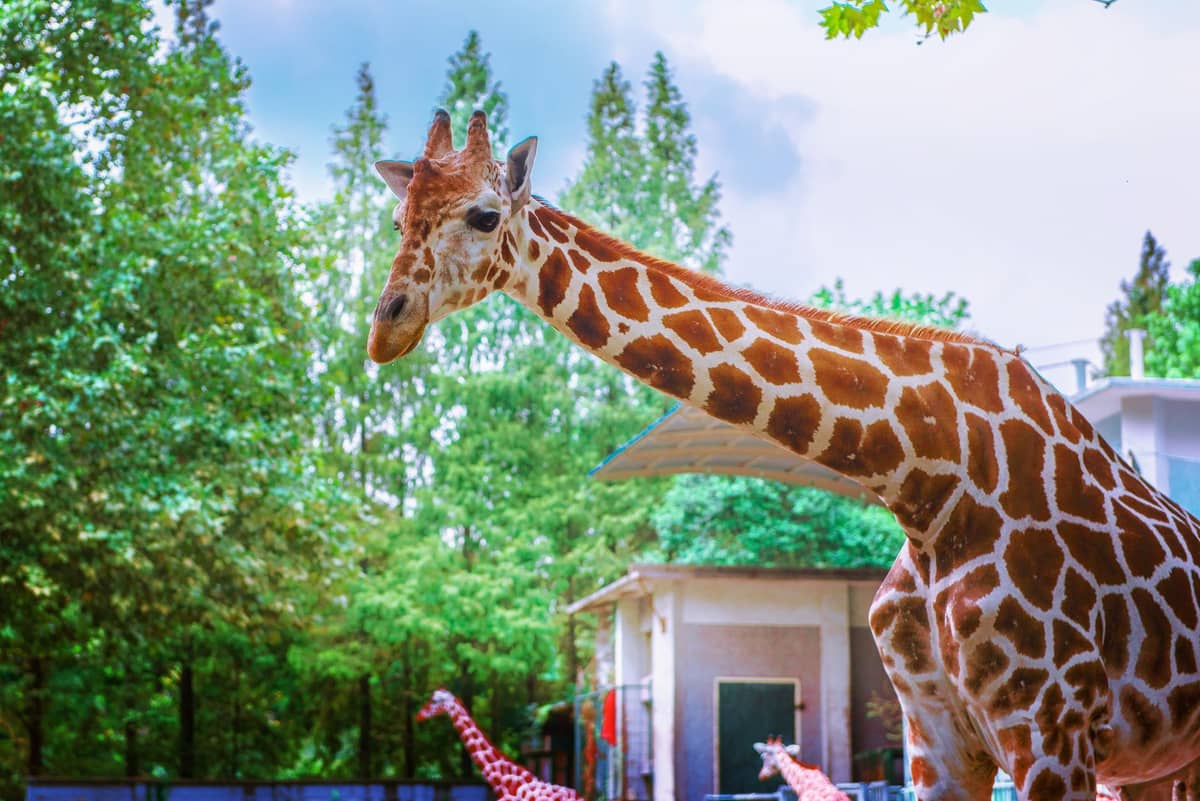
The drive-through safari is the park's headline feature, and it broadly delivers on the concept. Coaches move slowly through large enclosures where big cats, bears, wolves, and savanna animals roam with considerably more space than a traditional zoo allows. Giraffes peer through bus windows. White lions pace in the open. The scale feels genuinely different from a caged exhibit.
You board the safari coach near the main entrance. The ride lasts approximately 40 to 60 minutes and commentary is available in Mandarin. Seating on the bus determines how much you see: window seats on the side facing active enclosures get significantly better sightlines. Arrive early to board among the first groups, as later coaches may face more crowded viewing conditions.
After the coach safari, the pedestrian sections span a large footprint with habitats organized by region, including African savannas, Australian zones, and panda areas. Animal welfare standards and enclosure conditions vary, as they do across most Chinese wildlife parks. Visitors who are accustomed to high-welfare facilities in Western Europe or North America may notice differences in space and enrichment.
💡 Local tip
Photography tip: morning light hits the open savanna enclosures from the east. The first coach run of the day, usually around 9:00–9:30 AM, offers the best combination of soft light and active animal behavior before the heat of midday settles in.
Tickets & tours
Hand-picked options from our booking partner. Prices are indicative; availability and final rates are confirmed when you complete your booking.
Shanghai city and Zhujiajiao water town private tour with lunch
From 371 €Instant confirmationFree cancellationShanghai private tour with iconic landmarks of the old and new city
From 284 €Instant confirmationFree cancellationShangai Yuyuan Garden entrance tickets
From 9 €Instant confirmationFree cancellation
Shows, Encounters, and What Fills Your Day
Beyond the safari, the park runs a schedule of live animal shows throughout the day, including bird performances, sea lion displays, and elephant demonstrations. Show timings vary by season and day of the week; a schedule board at the entrance lists the day's program. Plan your pedestrian route around show times rather than wandering at random, or you will end up missing them entirely.
There are also paid animal interaction experiences available inside the park, such as photo opportunities with specific animals. These are optional add-ons and priced separately from the entry ticket. Exact pricing changes regularly and should be confirmed on arrival.
Food and drink options exist within the park, ranging from quick-service outlets to seated restaurants. Quality and variety are basic rather than impressive. Bringing your own snacks and water is a reasonable strategy, especially for families with young children who may not be willing to wait in a food queue mid-afternoon.
How the Experience Changes by Time of Day
The park feels quite different at 9 AM versus 1 PM. Early morning, the air is cooler, animals are more active, and crowd density is low enough that you can move through exhibits without the shuffle. The smell of the safari coach exhaust is less oppressive before the sun heats up the enclosures. Families with young children are better served by arriving at opening and targeting the safari coach first.
By midday on weekends, particularly during summer and national holidays, the park can become very crowded. Coach queues stretch long, popular shows fill standing-room areas quickly, and food stalls develop queues of their own. Weekday visits are consistently more comfortable.
In July, August, and some peak holiday periods, the park modestly extends its daytime hours (for example to 17:30), but it does not generally remain open until 9:30 PM. Check current seasonal hours on official channels before planning an evening visit.
Opening Hours and Seasonal Schedules
Shanghai Wild Animal Park operates on a seasonal timetable that shifts noticeably across months. The following schedule reflects 2026 patterns, but hours are subject to revision. Verify the current schedule on the official website or by calling ahead, particularly around public holidays.
- January to June (weekdays): 9:00–17:00
- January to June (weekends and public holidays): 8:30–18:00
- July to August and September weekends (extended summer hours): 8:30–17:30
- September weekdays: 9:00–17:00
- October 1–7 (Golden Week): extended hours apply; confirm on official channels
- October 8–31 (weekdays): 9:00–17:00; weekends: 8:30–18:00
- November (weekdays): 9:00–17:00; weekends: 8:30–17:00
- December to February: 8:30–16:30 daily
- Ticket sales close 1 hour before closing time
ℹ️ Good to know
The December and January closing times of 16:30 catch many visitors off guard. If you arrive at 10 AM in winter and spend longer than expected on the safari, you may find yourself rushing through the pedestrian sections in fading light.
Getting There: Transit from Central Shanghai
The most practical route by public transit uses Metro Line 16. Board at Longyang Road Station, which is a major interchange in Pudong accessible from Line 2 (which runs through the city center and connects to Pudong Airport). Ride Line 16 to Shanghai Wild Animal Park Station (上海野生动物园站), the stop named after the park itself. From the station, a short connecting bus or a 10 to 15 minute walk brings you to the main entrance.
Total transit time from central areas like People's Square or the Bund promenade runs 1.5 to 2 hours each way. Build that into your planning: a 9 AM park opening means leaving your hotel by 7:00–7:30 AM at the latest.
Taxis and Didi ride-hailing are an alternative but expensive option for a destination this far out. The cost from central Shanghai to the park would likely exceed ¥200 each way, plus highway tolls. It is worth considering for the return leg if you have young children who are exhausted after a full day, but it is not a cost-effective primary strategy.
If you are also planning to use the Shanghai Maglev train from Pudong Airport, note that the Maglev terminates at Longyang Road, which is also the Line 16 interchange. You can combine airport arrival with a park visit in either direction without backtracking into central Shanghai.
Practical Details: What to Bring and Accessibility
The park covers a very large area on foot. Comfortable walking shoes with grip are essential; sandals are inadequate for a full day here, particularly in wet weather. In summer, the heat and humidity in Pudong are intense. Pack sunscreen, a hat, and significantly more water than you think you need. The park's internal drinking water points are scattered and may have queues.
Accessibility infrastructure at the park includes smooth pathways across many sections and step-free entry areas. The metro station has elevators and escalators, and the parking area includes accessible spaces. That said, detailed accessibility information for the safari coach interiors and all show venues is not comprehensively documented in public sources. Visitors with specific mobility requirements should contact the park directly before visiting.
Weather makes a real difference to this visit. Rain is manageable for the coach safari portion but makes the open pedestrian areas significantly less enjoyable. Shanghai's best weather for outdoor attractions typically falls in April to May and October to November. Avoid the June to July plum rain season if you want dry conditions for a full day outside.
Who Should Skip This Attraction
Shanghai Wild Animal Park is not the right choice for every visitor. If you have only two or three days in Shanghai, the 3 to 4 hours of round-trip transit time is difficult to justify when central attractions, historic neighborhoods, and world-class museums are all within 20 minutes of each other. The park earns its place on an itinerary for visitors spending a week or more in the city, for families with young children who rank animal experiences highly, or for anyone specifically looking for a day outside the urban core.
Visitors focused on culture, history, or architecture would spend that same day more rewardingly at the Shanghai Museum or exploring the Former French Concession. Travelers with concerns about zoo animal welfare may find certain exhibits uncomfortable by their own standards. The park operates within Chinese regulatory frameworks, which differ from the welfare benchmarks applied in some other countries.
Insider Tips
- Arrive at park opening to board the first safari coach run. Animal activity is highest in the cooler morning hours, and you will avoid the 45-minute coach queues that develop by 10:30 AM on weekends.
- Pick up a show schedule map at the main entrance immediately upon arrival and plan your pedestrian route around the two or three shows you most want to see. Shows fill up quickly and there is often no reserved seating.
- In summer, the park often extends closing to around 17:30. An afternoon entry from around 1:30–2 PM gets you through the worst of the midday heat, catches the cooler late-afternoon atmosphere, and still allows time for the full safari and shows.
- The Line 16 metro is far less crowded heading toward the park before 9 AM. The return journey after closing on weekends and holiday evenings can be very busy. Give yourself a 20-minute buffer before your next commitment in the city.
- Download the official park app or check the WeChat mini-program before visiting: show schedules, route maps, and any temporary closures are updated there more reliably than on third-party booking sites.
Who Is Shanghai Wild Animal Park For?
- Families with young children looking for a full-day, outdoor wildlife experience
- Visitors staying in Shanghai for 5 or more days who have already covered central landmarks
- Travelers interested in large-scale safari-style parks rather than conventional city zoos
- Summer visitors who want to take advantage of the extended evening park hours
- Groups where younger kids set the agenda and need space to run after days in an urban environment
Nearby Attractions
Other things to see while in Pudong:
- Century Park
Century Park is the largest ecological urban park in downtown Shanghai, stretching across Pudong's grid of glass towers and wide boulevards. Since May 2024, entry is free and the fences are gone, making it one of the most accessible green spaces in the city. Whether you come at dawn for tai chi or late afternoon for a lakeside stroll, the park rewards visitors who know how to read it.
- China Art Museum
The China Art Museum occupies the striking red former China Pavilion built for Expo 2010, making it one of the most architecturally dramatic museum experiences in Shanghai. Permanent collections are free, the scale is genuinely impressive, and most visitors are surprised by how much is on display across multiple floors.
- Jin Mao Tower
Standing 420.5 metres above Pudong's Lujiazui financial district, Jin Mao Tower is one of Shanghai's most architecturally distinctive skyscrapers. Its 88th-floor observatory delivers panoramic views across the Huangpu River and the historic Bund, while the building's pagoda-inspired silhouette remains one of the most recognisable on the city skyline.
- Lujiazui Riverside Promenade
The Lujiazui Riverside Promenade stretches roughly 2.5 km along Binjiang Avenue in Pudong, offering unobstructed views of the Bund from the opposite bank. It is open 24 hours, costs nothing to walk, and delivers one of the most dramatic urban skylines on earth at any time of day.