San Diego Botanic Garden: A Serious Garden Worth the Drive to Encinitas
Spread across a former ranch property in Encinitas, San Diego Botanic Garden packs 28 themed gardens into a walkable landscape shaped by North County's mild coastal climate. It rewards slow visitors who linger in the bamboo grove and subtropical fruit collection, and it's genuinely underused compared to the city's bigger attractions.
Quick Facts
- Location
- 300 Quail Gardens Drive, Encinitas, CA 92024 (North County Coastal, San Diego County)
- Getting There
- By car via I-5, exit Leucadia Blvd, then right on Quail Gardens Drive. No direct trolley access; NCTD Breeze bus routes serve Encinitas — check gonctd.com for current connections.
- Time Needed
- 2 to 3 hours for a thorough walk; 90 minutes if you focus on highlight sections
- Cost
- Adults $18 | Youth (3–17) $10 | Seniors/Students/Military $12 | Under 3 free | Verify current prices at sdbg.org before visiting
- Best for
- Plant enthusiasts, families with young children, photographers, slow-travel visitors, garden design buffs
- Official website
- sdbg.org
What San Diego Botanic Garden Actually Is
San Diego Botanic Garden sits on a North County hillside in Encinitas, about 25 miles north of downtown San Diego. Formerly known as Quail Botanical Gardens, the property has since grown into a garden with 28 themed collections and a glass conservatory spread across a compact but layered landscape.
This is not a manicured showpiece designed for Instagram backdrops. The garden leans into ecological range: you move from a California native plant section into a tropical fruit grove, then through a canyon of towering bamboo, and out again into Mediterranean plantings that feel entirely at home in the coastal San Diego climate. The transitions happen quickly, and that density of contrast is the main reason the garden rewards repeat visits.
ℹ️ Good to know
Hours: Open Wednesday through Monday, 09:00–17:00 (last ticket entry 16:00). Closed Tuesdays, Thanksgiving Day, and Christmas Day. Seasonal events such as Lightscape may alter evening hours — always check sdbg.org before visiting.
The Experience by Time of Day
Arriving when the gates open at 9:00 gives you the garden at its quietest. The coastal marine layer that blankets much of North County in the morning hours softens the light and keeps temperatures in the mid-60s Fahrenheit, which is ideal for walking. The paths in the bamboo grove feel almost enclosed at this hour, the tall culms channeling a low wind sound. Birdsong is audible in ways it won't be by 11:00.
Midday between 11:00 and 13:00 brings the most visitors, particularly on weekends and during school holiday periods. This is when family groups with strollers cluster around the Hamilton Children's Garden and the interactive play areas. If you are focused on plants and quiet observation, the subtropical fruit collection on the upper paths tends to stay less crowded even at peak hours because it requires more walking to reach.
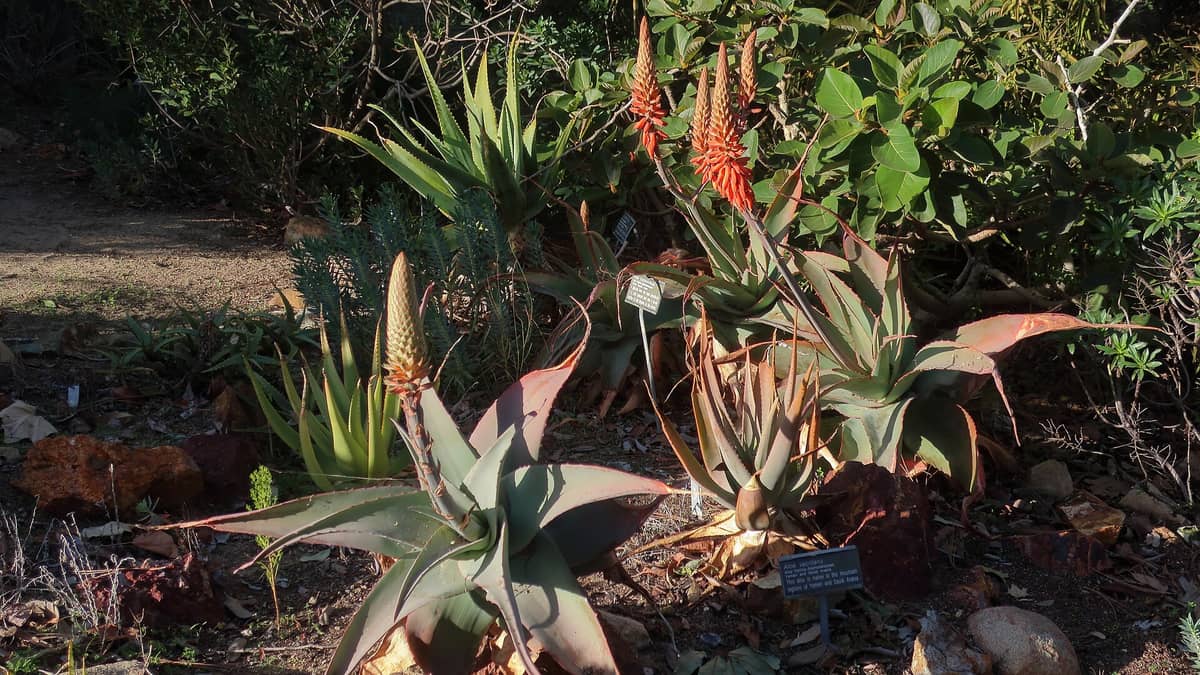
The garden's light improves again in mid-afternoon, particularly in autumn and spring when the sun drops toward the west and backlights the agave and aloe plantings near the entry slope. Photographers using the late-afternoon window will find the succulent sections particularly rewarding. Note that last ticket entry is at 16:00 and the garden closes at 17:00, so late arrivals get a shortened experience.
Navigating the 28 Gardens: Where to Focus Your Time
Twenty-eight themed sections sounds like a lot, but the garden's footprint is compact enough that you can cover the main areas in a single visit without feeling rushed. The layout is loosely circular with a central spine and side paths branching into canyon terrain. Pick up a printed map at the entry gate; the signage within the garden is clear, but the canyon sections can feel disorienting on a first visit.
The bamboo grove is consistently one of the most striking sections, not because of visual complexity but because of its physical effect: the canopy closes above you, the temperature drops two or three degrees, and the sound of the outside world recedes. The grove includes species from multiple continents, and interpretive signs are detailed enough to be interesting without being exhaustive.
The California Native Plant section offers the most ecological context for understanding the region's natural landscape. Many of the same plants you see on coastal trails around San Diego are labeled and explained here, which makes this garden genuinely useful as preparation for a hike in the area. The glass conservatory holds tropical and subtropical species that would not survive outdoors in the county's periodic cold snaps, and the humidity difference when you step inside is immediately noticeable.
💡 Local tip
The Hamilton Children's Garden is included with general admission for young visitors. If you are bringing kids under 10, it is worth budgeting extra time and confirming current access details on the official site before arrival.
Getting There and Practical Logistics
The garden sits off Quail Gardens Drive in Encinitas, accessible from I-5 via the Leucadia Boulevard exit. Parking is available on-site. By car from central San Diego, allow 30 to 40 minutes depending on traffic on I-5, which can back up near Solana Beach and Del Mar during morning and afternoon commute windows.
Public transit is possible but requires planning. The NCTD Breeze bus network serves the Encinitas area, and the Coaster commuter rail stops at Encinitas Station, though the station is not within easy walking distance of the garden. If you are relying on transit, check the current NCTD schedule and confirm bus route proximity to Quail Gardens Drive before committing to this option. Ride-share from the Encinitas Station is a practical alternative.
Visitors combining the botanic garden with other North County destinations should note that the garden pairs naturally with a walk through Encinitas itself, or can serve as a counterpoint to a beach afternoon at nearby Moonlight Beach. For a fuller picture of how to sequence day trips north of the city, the day trips from San Diego guide covers the North County coast in detail.
Weather and When to Visit
San Diego's Mediterranean climate means the garden is walkable year-round, which is one of its practical advantages over botanical gardens in climates with genuine winters. Average highs in Encinitas track closely with coastal San Diego norms: mid-60s Fahrenheit in winter, low-to-mid 70s in summer. The garden rarely feels hot because the coastal influence keeps temperatures moderate even in July and August.
Spring (March through May) is when the garden shows the widest range of color and bloom. The California native sections are at peak display, and the air carries the scent of sage and flowering shrubs that becomes characteristic of coastal San Diego in this season. Autumn (September and October) offers similar conditions with fewer visitors than the peak summer holiday period.
San Diego's brief rainy season runs roughly from December through March, with February the wettest month. A rainy day at the garden changes the experience considerably: the scent of wet soil and leaves in the tropical sections is genuinely pleasant, the paths are uncrowded, and the light is softer. However, some unpaved canyon paths become muddy, and worn shoes or open sandals will be a problem. Check the forecast and wear appropriate footwear if winter rain is possible.
⚠️ What to skip
The garden hosts Lightscape and other seasonal evening events that may affect regular daytime hours. If you are planning a specific date, confirm the standard admission schedule has not been altered by a special event at sdbg.org.
Photography, Accessibility, and What to Bring
The garden is a legitimate destination for plant and nature photography. Morning light through the bamboo grove, backlit agave in the late afternoon, and the conservatory's layered tropical foliage all offer technically interesting subjects. A wide-angle lens is useful in the bamboo and palm sections; a macro lens or close-focus capability helps in the succulent areas where texture is the primary subject. There is no tripod restriction mentioned in general visitor guidance, but confirm with the garden directly if you plan extended shooting.
Accessibility across the garden is mixed. Main paths near the entry and central areas are paved and manageable for wheelchairs and strollers. The canyon sections involve unpaved paths with slopes and uneven terrain that may not be navigable for all visitors. The garden's guest services page addresses accessibility assistance; contact the garden directly before visiting if specific mobility support is needed.
Wear comfortable walking shoes regardless of season. The compact size is misleading: the canyon terrain adds elevation change, and most visitors cover more ground than the map suggests. Bring water, particularly if visiting mid-morning to afternoon in summer. The on-site cafe offers food and drinks, but hours and menu items should be verified before relying on it as your only option.
How It Fits into a Broader San Diego Itinerary
The San Diego Botanic Garden is not downtown and it is not in a walkable tourist district, which means it requires deliberate planning. That separation is also why it tends to attract visitors who are genuinely interested in gardens rather than those filling time between other activities. If your San Diego itinerary is already built around Balboa Park's institutions, note that the Botanical Building in Balboa Park and the Japanese Friendship Garden offer complementary botanical experiences much closer to the city center.
For visitors with a specific interest in San Diego's natural landscape, the botanic garden works well as a primer before heading to wilder terrain. The California native plant section provides useful context for what you will encounter on trails at Torrey Pines State Natural Reserve or during a morning walk through Mission Trails Regional Park.
If the goal is to see as many of San Diego's garden and nature attractions as possible on a short trip, the best hikes in San Diego guide and the free things to do in San Diego guide both provide context for prioritizing your time based on what is free versus paid and how far each option is from the city core.
Who Should Skip This Attraction
If you have a single day in San Diego and have not yet seen the zoo, Balboa Park, or the waterfront, the botanic garden should probably wait for a second trip. The 25-mile drive from downtown is a meaningful commitment of time in a city where traffic is unpredictable, and the garden's payoff is incremental rather than dramatic. First-time visitors to San Diego who are working through a standard itinerary will not feel they missed a defining experience if they skip it.
Visitors who find gardens generally unengaging, or who are looking for a high-energy, varied family attraction, will find the pace here slow. The garden is thoughtful and quiet; it does not compete on spectacle. It is not overhyped in the way that some attractions are, but it is occasionally described as essential when it is more accurately described as rewarding for the right visitor.
Insider Tips
- Members of the American Horticultural Society receive free reciprocal admission, as do members of many other botanical gardens across the country. Check whether your home garden has a reciprocal agreement with SDBG before paying general admission.
- The subtropical fruit collection in the upper section of the garden is one of the least-visited areas, even on busy weekends. If you want space and quiet, head uphill past the bamboo before turning back to the main central paths.
- The conservatory interior is noticeably warmer and more humid than the outdoor temperature. On a cool or overcast morning, this makes it a pleasant mid-visit stop. On a warm afternoon, it can feel stifling — visit it first before the day heats up.
- Street parking on adjacent residential streets is not a reliable alternative to the on-site lot on peak weekends. Arrive early or accept that the lot will fill and allow extra arrival time.
- If you are visiting during a Lightscape or seasonal evening event period, the daytime garden experience may be abbreviated to allow event setup. Confirm standard hours are in effect on your chosen date.
Who Is San Diego Botanic Garden For?
- Plant enthusiasts and amateur botanists who want labeled, contextualized collections rather than just a pretty walk
- Families with children aged 4 to 10 who want outdoor space and the Hamilton Children's Garden as a structured activity
- Photographers looking for botanical and nature subjects with reliable access and varied light conditions across the day
- Visitors spending multiple days in San Diego who want a quieter, less-crowded counterpoint to the major downtown attractions
- Travelers using North County as a base who want a half-day cultural-natural activity without driving into the city
Nearby Attractions
Combine your visit with:
- Anza-Borrego Desert State Park
Anza-Borrego Desert State Park stretches across more than 600,000 acres of Colorado Desert in eastern San Diego County, making it one of the largest state parks in the United States. From spring wildflower carpets to ancient slot canyons and some of the darkest skies in Southern California, it rewards visitors who plan carefully and respect the terrain.
- Border Field State Park
Border Field State Park occupies the southwestern corner of the continental United States, where Pacific surf meets the U.S.–Mexico border fence. It offers coastal wetlands, a historic marble boundary monument, and views toward Friendship Park — the U.S.-side gathering space has been closed since 2020, so confirm current access before you go.
- Cedar Creek Falls
Cedar Creek Falls is a backcountry waterfall deep inside Cleveland National Forest, reached by a strenuous 6-mile round-trip hike from Ramona. A mandatory day-use permit keeps crowds manageable, but you'll earn every step of the descent into this rugged gorge. This guide covers the permit process, trail conditions, safety warnings, and what to realistically expect.
- Chicano Park
Chicano Park is a National Historic Landmark tucked beneath the San Diego–Coronado Bridge in Barrio Logan, where more than 80 monumental murals cover the concrete pillars of a freeway overpass. Free to enter and open daily, it is one of the most culturally layered outdoor spaces in the American Southwest.