National Leprechaun Museum: Dublin's Folklore Storytelling Experience
The National Leprechaun Museum is not a traditional museum with glass cases and exhibit labels. It is a guided storytelling experience rooted in Irish folklore, built around oral tradition and immersive set design. Whether it lands depends entirely on your guide and your expectations.
Quick Facts
- Location
- 2-3 Mary’s Abbey, Dublin 7
- Getting There
- Jervis or Four Courts Luas stops (Red Line)
- Time Needed
- 45–50 minutes (guided tour only)
- Cost
- Daytime €11–€18; Evening €20 (18+ only)
- Best for
- Families with children 6+, folklore enthusiasts, rainy day visits
- Official website
- www.leprechaunmuseum.ie
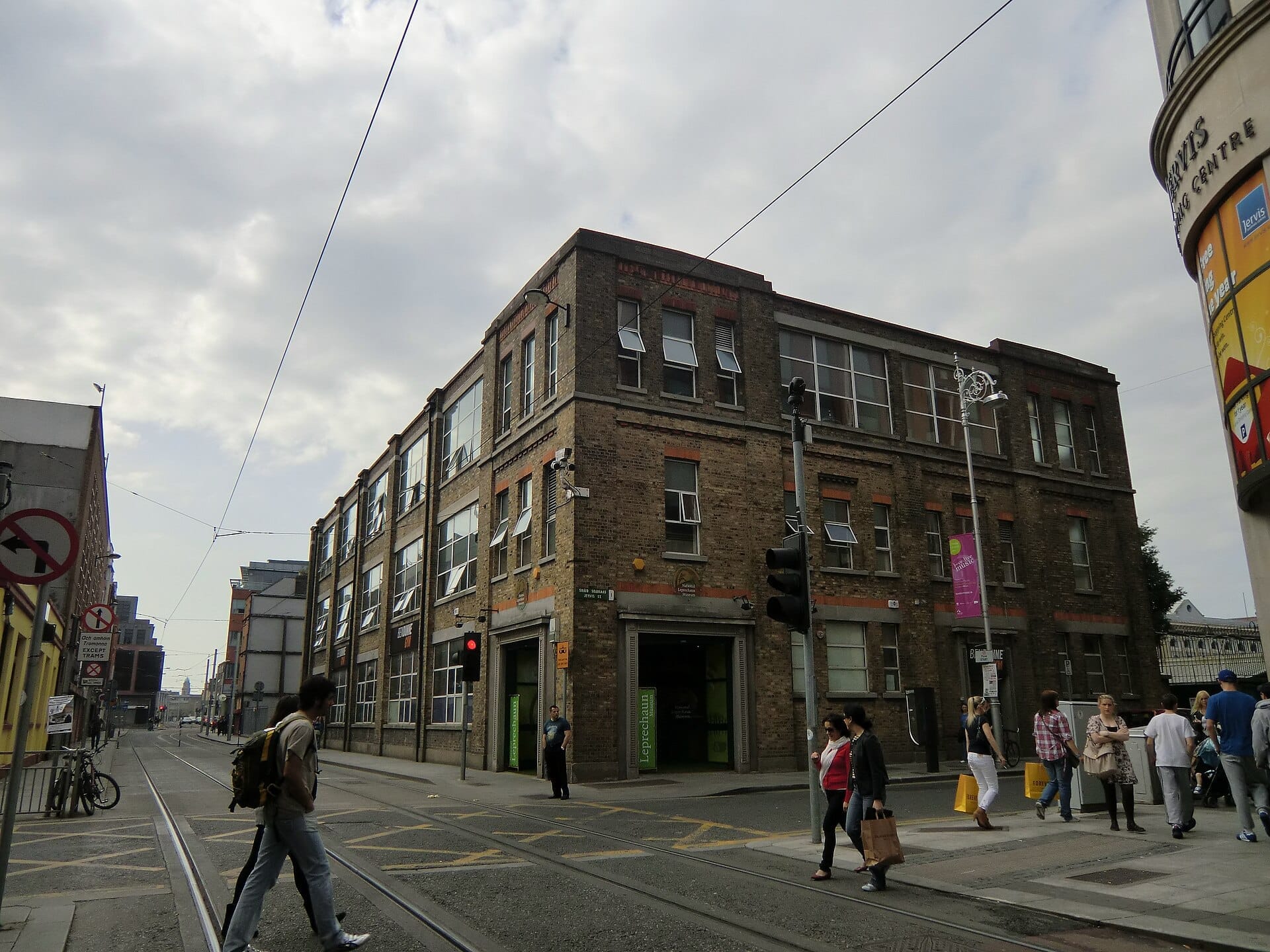
What the National Leprechaun Museum Actually Is
The National Leprechaun Museum opened in Dublin on 10 March 2010, making it over a decade old at this point, but it still confuses first-time visitors who arrive expecting a conventional exhibit-based institution. It is not that. There are no artefacts behind ropes, no audio guides, no plaques to read at your own pace. What you get is a 45 to 50-minute guided storytelling tour, led entirely in English, through a series of immersive themed rooms designed to bring Irish folklore to life. The museum describes itself as Ireland's first museum dedicated to the craft of traditional oral storytelling, and that framing is important to absorb before you book.
The address is 2-3 Mary’s Abbey in Dublin, tucked just north of the River Liffey. The area itself is not a major tourist corridor, which means there is rarely the surrounding noise and crowd pressure you feel at attractions closer to Grafton Street or Temple Bar. Arriving here feels slightly removed from the tourist circuit, which is part of its low-key appeal.
ℹ️ Good to know
Tours depart every 30 minutes from 10:30 to 17:30. Groups are kept small, and the experience is entirely performance-based. If your guide is strong, the tour feels theatrical and engaging. If not, the thin layer of content becomes more apparent. That variability is real and worth knowing.
Inside the Tour: What You See and Experience
The physical space is built around scaled and surreal environments rather than literal displays. One of the most photographed areas is a room where standard furniture, including chairs and a table, has been constructed at oversized dimensions, giving visitors the sensation of being small, leprechaun-scale figures in a giant world. It sounds gimmicky in description, and it is, but the effect in person is more disorienting than expected. Children respond viscerally to it. Adults often find it briefly arresting before the novelty fades.
Throughout the tour, the guide weaves together threads from Irish mythology and folklore, covering figures like the leprechaun as understood in pre-tourism oral tradition rather than the commercial green-hat version that lines gift shops. The distinction between those two interpretations is actually one of the more interesting parts of the experience. The museum makes a genuine effort to recontextualise leprechaun mythology within older Irish storytelling traditions, referencing the fairy mounds, the otherworld, and the figure of the solitary fairy. Whether that nuance lands depends largely on the guide and on how much the group engages.
The physical props and room transitions create pacing. Each room introduces a new visual frame and a different story thread. The overall route is linear, so there is no wandering or self-direction. You move as a group, at the guide's rhythm.
Tickets & tours
Hand-picked options from our booking partner. Prices are indicative; availability and final rates are confirmed when you complete your booking.
Giant's Causeway, Dark Hedges, and Belfast Tour from Dublin
From 85 €Instant confirmationFree cancellationDublin self-guided audio tour
From 10 €Instant confirmationBird of Prey, Cliffs of Moher and Aillwee Cave from Dublin
From 201 €Instant confirmationFree cancellationGame of Thrones Studio tour with return transfer from Dublin
From 63 €Instant confirmationFree cancellation
Daytime Tour vs. Evening Experience
The daytime tours (10:30 to 17:30) are suitable for ages 6 and up and are pitched as family-appropriate. The storytelling is vivid but not dark. Children who respond well to theatre and imaginative play tend to enjoy it. Under-sixes often find the waiting between story segments difficult, and the museum's own guidance reflects this with the 6+ recommendation.
Thursday to Saturday evenings, the museum runs a separate adults-only experience with 60-minute tours departing between 19:00 and 20:30. Tickets are €20 per person and proof of age (18+) may be required at the door. The evening format leans into the darker, stranger corners of Irish folklore, the stories that were genuinely meant to unsettle. If you have even a passing interest in Celtic mythology or Irish oral tradition, the evening tour offers considerably more depth and atmosphere than the daytime version. The absence of children changes the tone of the room noticeably. Guides can take the material further.
💡 Local tip
Book the evening experience in advance, particularly for Thursday and Friday slots. It has a smaller capacity than the daytime tours and tends to sell out on weekends. Check availability directly at leprechaunmuseum.ie.
Historical and Cultural Context
The leprechaun as a figure in Irish folklore is considerably older and stranger than its modern commercial incarnation suggests. In early Irish oral tradition, leprechauns belonged to the category of solitary fairies, unlike the trooping fairies who moved in groups. They were associated with hidden gold, but also with the uncanny and the dangerous, not the benign green-hatted mascot that became internationally recognisable through 20th-century American popular culture. The museum's explicit goal is to push back against that flattening and recover something closer to the original tradition.
Whether it fully succeeds is debatable, but the intention gives the attraction more intellectual grounding than a purely commercial tourist experience would have. If you want deeper context around Irish literary and cultural history, the James Joyce Centre and the Dublin City Gallery Hugh Lane offer different but complementary angles on Irish cultural identity.
Getting There and When to Visit
The closest Luas stops are Jervis and Four Courts, both on the Red Line. From Jervis it is a short walk north across Mary Street and into Mary’s Abbey. From Four Courts, you approach from the west along the quays. Neither walk is more than five minutes. Dublin Bus routes along the quays also deposit you close by.
Daytime visits in the late morning, around the 11:00 or 11:30 slot, tend to catch smaller groups than the post-lunch window. Midweek is noticeably quieter than Saturday, when school groups and families fill the early afternoon tours. If you are visiting Dublin in winter, this is one of the more practical indoor options. The experience is entirely sheltered, takes under an hour, and works well as part of a broader day on the north side of the city.
Dublin's north inner city has more to offer than most visitors realise. The Four Courts is a short walk south, and Jameson Distillery Bow St is nearby in Smithfield, making it possible to combine several north-side attractions in a single afternoon.
⚠️ What to skip
Tours run entirely in English, and the museum states that a good understanding of spoken English is essential to follow the storytelling. Tours in Irish are available by prior appointment only. Non-English-speaking visitors may find the experience significantly less accessible than other Dublin attractions.
Photography and Practical Notes
The oversized room and the various set-piece environments are designed to be photographed, and guides generally accommodate this without making it feel rushed. Lighting inside is theatrical rather than bright, so phones with reasonable low-light capability will perform better than older devices. The spaces are compact, so wide-angle shots from the corners give the best sense of scale.
Accessibility within the building should be confirmed directly with the museum before visiting, as the nature of immersive set design can sometimes mean tight transitions between rooms. The museum's contact page at leprechaunmuseum.ie is the best source for current accessibility information.
An Honest Assessment: Who Gets the Most From This
The National Leprechaun Museum is genuinely enjoyable for the right visitor and genuinely disappointing for the wrong one. Children aged 6 to 12 with an appetite for storytelling and theatrical spaces tend to respond well. Adults who approach it with low expectations and an interest in Irish mythology often leave with more than they expected, particularly from the evening experience. The guides make or break it, and most reviews across the years suggest quality varies.
Visitors primarily seeking world-class cultural depth might find the Book of Kells at Trinity College or the National Museum of Archaeology more rewarding per hour spent. Those looking for a uniquely Irish, non-conventional experience, especially one that works well in the rain with children in tow, will likely find it worthwhile at the daytime price point.
Visitors who are strongly skeptical of tourism-facing cultural presentations, or who find immersive theatre-style formats frustrating, should probably skip it. The experience depends heavily on group energy and willingness to participate in the storytelling format. It is not passive.
Insider Tips
- Book the Thursday or Friday evening experience rather than Saturday: the crowd is smaller and the atmosphere is noticeably better. Saturday evening slots fill with larger groups that can disrupt the pacing.
- If you are visiting with children, the 10:30 or 11:00 slot is the sweet spot. Groups are smaller, kids are fresh, and guides tend to have more flexibility to engage questions mid-tour.
- The museum sits close to the remains of St Mary's Abbey, one of Dublin's most significant medieval monastic sites. The chapter house, managed by the OPW, is a few metres away and is free to enter when open. Worth combining if you have time.
- Ask your guide about the Tuatha Dé Danann at the start of the tour. It signals that you are familiar with Irish mythology and will often shift the depth of the storytelling noticeably in response.
- Check weather before booking for daytime visits but do not let rain put you off. The attraction is entirely indoor and the surrounding area is quiet enough that pre- and post-tour exploration stays manageable even in poor conditions.
Who Is National Leprechaun Museum of Ireland For?
- Families with children aged 6 to 12 looking for an indoor, interactive experience
- Adults with an interest in Irish folklore and oral storytelling tradition, especially via the evening tour
- Rainy day visits when outdoor Dublin attractions lose their appeal
- Visitors who want something off the standard museum circuit
- Groups who enjoy theatre-style immersive formats and are willing to engage with a guide
Nearby Attractions
Combine your visit with:
- Abbey Theatre
Founded in 1904 by W.B. Yeats and Lady Gregory, the Abbey Theatre is Ireland's National Theatre and one of the most historically significant stages in the English-speaking world. Sitting on Lower Abbey Street in the heart of Dublin city centre, it continues to produce new Irish work alongside classic plays that shaped a nation's identity.
- Blessington Street Basin
Once the Royal George Reservoir supplying water to Dublin's north side, Blessington Street Basin is now a free public park in Phibsborough. The central lake, Tudor gate lodge, and resident wildfowl make it one of the most quietly rewarding green spaces within walking distance of Dublin city centre.
- Casino Marino
Casino Marino is an 18th-century Neo-Classical pleasure house in north Dublin, designed by Sir William Chambers for the Earl of Charlemont. Despite its compact exterior, the building conceals 16 rooms across three floors — a feat of architectural illusion that continues to astonish visitors. Access is by guided tour only, with admission from €3 for children and students and €5 for adults.
- Clontarf Promenade
Clontarf Promenade stretches 4.5 kilometres along Dublin Bay from Fairview to the Bull Wall at Dollymount, offering open sea views, public art, and a marked cycle route along much of its length. It costs nothing to visit, runs along a flat sea wall path, and delivers some of the most expansive coastal scenery accessible from Dublin city centre.