Napa Valley: The Complete Day Trip Guide from San Francisco
Napa Valley sits about 50 miles northeast of San Francisco, offering one of California's most celebrated wine regions within easy reach of the city. From Cabernet Sauvignon estates in Oakville to the hot springs of Calistoga, a day or weekend here rewards visitors with serious food, serious wine, and serious scenery.
Quick Facts
- Location
- Northern California, approx. 50 miles northeast of San Francisco. Key towns: Napa, Yountville, St. Helena, Calistoga.
- Getting There
- By car via I-80 E (most direct) or scenic route via US-101 N and CA-37: approx. 1–2 hrs depending on traffic. VINE Transit buses connect Napa city to regional Amtrak connections. No direct BART service.
- Time Needed
- Full day minimum; an overnight stay lets you cover the northern valley towns properly.
- Cost
- No admission fee to enter the valley. Winery tasting fees vary widely (typically USD 30–100+ per person per tasting). Tours and dining add to costs.
- Best for
- Wine enthusiasts, food-focused travelers, couples, and anyone wanting a full-day escape from the city.
- Official website
- www.visitnapavalley.com
What Napa Valley Actually Is
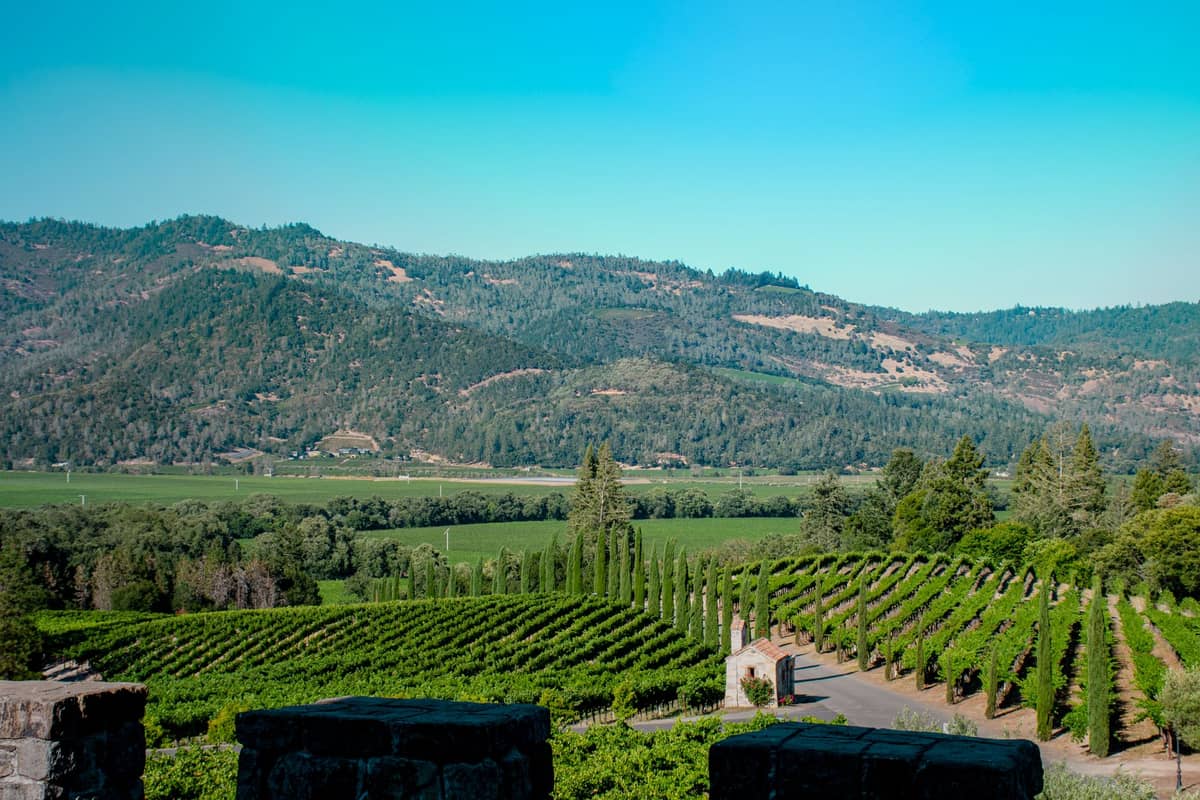
Napa Valley is not a single town or attraction you can tick off in an afternoon. It is a roughly 35-mile-long agricultural valley running roughly north to south between the Mayacamas Mountains to the west and the Vaca Mountains to the east, encompassing several distinct towns and dozens of sub-appellations. The Napa Valley AVA (American Viticultural Area) was officially designated on January 28, 1981, making it the second AVA established in the United States after Augusta, Missouri. That legal designation matters because it sets boundaries around one of the most commercially significant wine-growing corridors on earth.
The valley floor is planted almost continuously with vineyards, interrupted by the small towns of American Canyon at the southern gateway, Napa city itself, Yountville, Oakville, Rutherford, St. Helena, and Calistoga near the northern end. Each town has a different character. Napa is the workaday county seat, increasingly gentrified with good restaurants and a walkable downtown. Yountville is a two-block stretch of extraordinary restaurants. St. Helena has the classic Wine Country main street feel. Calistoga, at the northern tip, is geothermally active, known for its hot springs and mud baths.
ℹ️ Good to know
There is no entrance fee, gate, or ticket required to visit Napa Valley itself. You pay at individual wineries, restaurants, and tours. Budget at least USD 80–150 per person for a day of two or three winery tastings plus lunch.
Getting There from San Francisco
The practical reality of a Napa Valley visit from San Francisco is that a car is almost essential if you want to move freely between wineries. The drive north on US-101, crossing the Golden Gate Bridge and cutting through Marin County before heading east on Highway 37 and north on Highway 29, takes roughly 60 to 90 minutes in normal traffic. The Golden Gate Bridge toll applies southbound when returning to San Francisco. On summer and fall weekends, expect significantly longer drive times, particularly on Highway 29, the valley's main artery, which passes directly through each town.
For travelers who want to drink freely without a designated driver, organized tours departing from San Francisco are a practical option. Several operators run guided wine country day trips. Alternatively, the Napa Valley Wine Train, which departs from Napa city, offers a curated touring and dining experience by rail within the valley itself. If you are planning a broader Northern California itinerary, the San Francisco to Napa Valley day trip guide covers logistics and route options in detail.
⚠️ What to skip
Do not rely on Uber or Lyft to get between wineries once you are in the valley. Wait times outside of Napa city can be very long, and surge pricing on weekends is common. Arrange a car service in advance or join a guided tour if you plan to drink at multiple tastings.
Tickets & tours
Hand-picked options from our booking partner. Prices are indicative; availability and final rates are confirmed when you complete your booking.
Sonoma and Napa Valley wine tour from San Francisco
From 127 €Instant confirmationFree cancellationMuir Woods with Napa and Sonoma Wine Country tour
From 144 €Instant confirmationFree cancellationSonoma and Napa Valley full-day wine tour from San Francisco
From 141 €Instant confirmationFree cancellationHalf-day wine country tour from San Francisco
From 108 €Instant confirmationFree cancellation
The Valley by Time of Day
Arriving early matters more in Napa Valley than at most destinations. Winery tasting rooms typically open between 10 a.m. and 11 a.m., and the most sought-after appointments, particularly at smaller estate producers, fill up fast on weekends. The morning light on the valley floor is striking: low sun catching the dew on vine leaves, the Mayacamas ridge still in shadow to the west, the air cool and carrying a faint earthy smell from overnight irrigation.
By midday, Highway 29 through St. Helena resembles a slow procession. Restaurants fill up quickly from noon onward, and the most famous spots in Yountville require reservations made weeks or months in advance. If you have not booked lunch in advance, Napa city's downtown has several good options with less lead time required. The valley floor gets warm in summer and fall afternoons, often reaching the high 80s or low 90s Fahrenheit (30–34°C), which is a significant contrast to the fog-cooled San Francisco waterfront.
Late afternoon, roughly 3 p.m. to 5 p.m., is arguably the most pleasant time to be at a tasting room. Crowds have thinned slightly, the light turns golden on the vines, and patio seating at hillside producers becomes atmospheric. Many tasting rooms close between 5 p.m. and 6 p.m., so plan your last stop accordingly.
Understanding the Wine Landscape
Napa Valley's reputation rests primarily on Cabernet Sauvignon, which thrives in the valley's warm days, cool nights, and well-drained volcanic and alluvial soils. Within the broader Napa Valley AVA, there are 16 sub-appellations that officially recognized producers can reference on labels, including Stags Leap District, Rutherford, Oakville, Howell Mountain, and Mount Veeder. The differences are real and worth understanding before you visit, because they explain why a Stags Leap Cab tastes distinctly softer than a Howell Mountain version grown 1,400 feet up a mountain.
Beyond Cabernet, the valley produces notable Chardonnay and Sauvignon Blanc in cooler southern areas around Carneros (which straddles both Napa and Sonoma counties), as well as Zinfandel and Merlot across various subzones. If your interest runs to white wine or lighter reds, targeting producers in the Carneros or Los Carneros AVA at the valley's southern end will serve you better than heading straight to the Cabernet heartland around Oakville and Rutherford.
💡 Local tip
Most wineries now require reservations for tasting, especially on weekends. Walk-in availability is limited and increasingly uncommon at well-known producers. Book tasting appointments at least one to two weeks in advance for weekend visits.
Food: Beyond the Winery Cracker and Cheese Plate
The food scene in Napa Valley is one of California's strongest, and it would be a genuine waste to treat eating here as an afterthought. Yountville in particular has an unusually high concentration of serious restaurants for a town of roughly 2,900 residents. The farm-to-table philosophy here is not marketing copy; the proximity of multiple growing seasons and year-round agricultural production shapes what appears on menus.
Downtown Napa has expanded its restaurant and culinary market scene considerably over the past decade and is now a worthwhile destination in its own right, not just a starting point before heading north. The Oxbow Public Market is a good first stop: an indoor food hall with local vendors, artisan producers, and coffee that sets the tone for the day. For a broader look at eating well while traveling around the Bay Area, the San Francisco food guide provides useful regional context.
Practical Walkthrough: How to Structure a Day
A practical day trip typically works north-to-south or south-to-north along Highway 29, with the Silverado Trail as a parallel eastern alternative that is less congested and passes several excellent hillside producers. Starting in the south at Carneros or Napa city and working north lets you end the day in Calistoga, where a thermal pool or mud bath at one of the spa resorts makes for a logical closing act before the drive back.
Two winery visits plus lunch is a realistic and enjoyable goal for a day trip. Three is possible but tends to feel rushed. If you are spending a weekend rather than a single day, the second day opens up Howell Mountain, Spring Mountain, or Stags Leap District producers on hillside roads that are easy to miss on a quick pass through the valley floor.
Napa Valley pairs naturally with a broader Northern California trip structure. It fits well alongside Sonoma County wine country to the west, the coastal Marin Headlands, or Muir Woods to the south. The day trips from San Francisco guide covers how Napa fits alongside other options like Muir Woods and the Marin coast.
When to Go: Season Makes a Real Difference
Harvest season, roughly late August through October, is the most atmospheric time to visit. Vineyards shift color, harvest crews work the rows in early mornings, and the crush pads at wineries smell of fermenting grape must, a yeasty, sweet, almost bread-like scent that is distinct to wine country in autumn. This is also the most crowded and expensive period, with winery reservations and hotel rates at their peak.
Spring, from March through May, brings flowering mustard cover crops between vine rows, cooler temperatures, and thinner crowds. Winter visits, November through February, coincide with the valley's rainy season, but winery tasting rooms remain open and accommodation prices drop substantially. Summer, June through August, is warm and popular, though valley temperatures can feel punishing in the middle of the day compared to the fog-cooled San Francisco Bay coast.
💡 Local tip
If you are visiting primarily for the scenery and landscape photography, late October through early November offers the most dramatic color in the vines, particularly in blocks planted with varietals that turn deep red and gold before leaf drop.
Who Should Reconsider This Trip
Napa Valley is not for travelers on a tight budget looking for a low-key, exploratory outing. Tasting fees have risen steeply over the past decade, dining at serious restaurants requires planning and spending, and the car-centric layout of the valley means that independent, spontaneous exploration is harder than it looks on a map. Visitors who do not drink alcohol will find fewer compelling reasons to spend a full day here compared to destinations like Muir Woods, the Marin Headlands, or Point Reyes. The valley can also feel crowded and performatively upscale on peak-season weekends, particularly around Yountville, in a way that some travelers find off-putting rather than enjoyable.
If you are looking for outdoor adventure rather than culinary tourism, the San Francisco hiking guide and the Point Reyes National Seashore are likely better uses of a day outside the city.
Insider Tips
- The Silverado Trail, running parallel to Highway 29 on the eastern side of the valley, is less congested and passes several excellent producers that are less famous than their Highway 29 counterparts but just as good. Build at least one stop there into your itinerary.
- Book tasting appointments on weekday mornings if you can. Saturday afternoons in peak season at major valley wineries are crowded, with tasting rooms operating like production lines.
- Napa city's downtown along First and Main Streets has improved dramatically and offers good pre-trip coffee, a farmers market (check seasonal schedules), and Oxbow Public Market, which is a practical first stop before driving north.
- If you are staying overnight, Calistoga is worth the extra 20 minutes north of St. Helena. It is less polished than Yountville but has a genuine small-town feel, geothermal pools, and accommodation at a range of price points.
- Many wineries offer library or single-vineyard pours not listed on the standard tasting menu if you ask. Coming with some knowledge of the estate's wine history or specific blocks tends to prompt more interesting conversations with pourers.
Who Is Napa Valley For?
- Wine enthusiasts wanting structured exposure to Napa Valley AVA sub-appellations
- Couples planning a romantic overnight or weekend escape from San Francisco
- Food-focused travelers with restaurant reservations in Yountville or St. Helena
- Visitors on longer California itineraries who have already covered city sights
- Groups with a designated driver or pre-arranged tour who want to taste freely
Nearby Attractions
Combine your visit with:
- 16th Avenue Tiled Steps
The 16th Avenue Tiled Steps Project is a community-made mosaic staircase of 163 steps stretching through San Francisco's Golden Gate Heights neighborhood (a sub-area of the Inner Sunset), depicting a journey from the ocean floor to the night sky. It's free, photogenic, and connects to one of the city's best lesser-known hilltop viewpoints.
- Angel Island State Park
Angel Island State Park sits in the middle of San Francisco Bay, offering miles of hiking trails, layers of military and immigration history, and 360-degree views of the city skyline, Marin headlands, and beyond. Getting there requires a ferry, which is part of the appeal — the island feels removed from city life, even though San Francisco is visible the entire time.
- Asian Art Museum of San Francisco
One of the largest Asian art collections in the Western world, housed in a transformed Beaux-Arts landmark at Civic Center. From ancient Chinese bronzes to contemporary Southeast Asian installations, the museum rewards careful visitors who know what to look for.
- UC Berkeley Campus
The University of California, Berkeley sits on a hillside above San Francisco Bay, offering free access to striking Beaux-Arts architecture, landmark museums, and open green spaces. A short BART ride from San Francisco, it rewards curious visitors with history, intellectual energy, and some of the best campus scenery in the country.