Lillehammer: The Olympic Town Worth the Journey from Oslo
Lillehammer is a compact Norwegian town in Innlandet, about two hours north of Oslo by train, best known as the host of the 1994 Winter Olympics. Beyond the nostalgia, it offers Maihaugen open-air museum, bobsled rides, ski jump tours, and a charming lakeside main street that rewards a full day out of the capital.
Quick Facts
- Location
- Lillehammer, Innlandet county, Norway — approx. 180 km north of Oslo
- Getting There
- Direct trains from Oslo Central Station (Oslo S); journey approx. 2 hours on Vy regional rail. Tourist office at Jernbanetorget 2, in the railway station building.
- Time Needed
- Full day (6–8 hours on the ground). Possible overnight for ski or winter sports.
- Cost
- No entry fee for the town itself. Museum admissions vary — budget NOK 150–250 per adult for major sites (verify current prices before visiting). Train fares change; check Vy for latest pricing.
- Best for
- Families, history enthusiasts, winter sports fans, and anyone wanting a full-day escape from Oslo
- Official website
- en.lillehammer.com/home
Why Lillehammer Deserves a Full Day of Your Oslo Trip
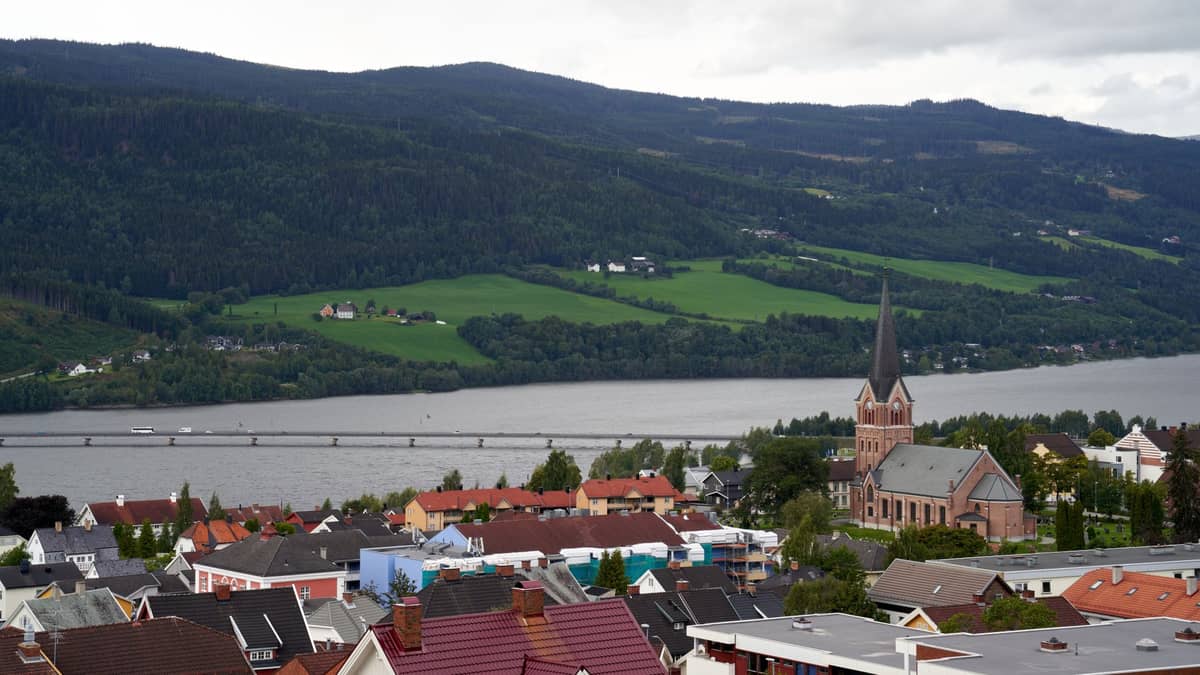
Lillehammer sits at the northern tip of Lake Mjøsa, Norway's largest lake, about 180 kilometres north of Oslo. The town earned global recognition when it hosted the 1994 Winter Olympics, and three decades later the infrastructure built for those games still shapes what visitors actually come to do here: bobsled, ski jump, and explore one of the country's best open-air museums. This is not a town that coasts on old glory, though. The compact main street, Storgata, runs along the hillside above the lake, lined with wooden and stone buildings that give Lillehammer a character genuinely different from Oslo's urban polish.
From the train platform you can already feel the shift in scale. Oslo drops away and Lillehammer arrives quietly, a town of about 21,000 people where the most dramatic sight on the horizon is a ski jump tower framed by forested hillsides. In summer the lake glitters and pedestrians drift unhurriedly along the main street. In winter the air sharpens considerably, the light turns low and golden even at midday, and the town fills with Norwegians who come for skiing at Hafjell and Kvitfjell rather than international sightseers.
💡 Local tip
Book your outbound train ticket in advance, especially for weekends and school holidays. Vy trains to Lillehammer can sell out, and advance fares are significantly cheaper than walk-up prices. The journey from Oslo Central Station (Oslo S) takes approximately 2 hours.
The Olympic Legacy: What Remains Open to Visitors
The 1994 Winter Olympics left Lillehammer with a cluster of venues concentrated on the hillside above town, most of them within reach of public transport or a short taxi ride from the station. The Lysgårdsbakkene ski jump complex is the most dramatic of these, its twin towers visible from almost anywhere in town. Guided tours of the ski jump area typically include access to the top platform, where the view across the lake and valley explains immediately why the Olympic opening ceremony footage from 1994 looked so spectacular. Verify tour availability and pricing directly with the venue before visiting, as these change seasonally.
The Norwegian Olympic Museum, located at Maihaugen (Maihaugvegen 1), covers both the 1994 Lillehammer Games and Norwegian Olympic history more broadly. It is one of the few dedicated Olympic museums in the world still operating close to the original venue, which gives it a geographic authenticity that purpose-built sports museums often lack. Admission information has changed over time; the museum is now included in the Maihaugen ticket rather than having a separate standalone fee, so verify current admission details and opening hours directly with Maihaugen or the Olympic Museum before planning your budget. It is reliably open year-round, with extended hours in summer.
For those who want active rather than observational engagement with the Olympic sites, the Hunderfossen bobsled track offers passenger rides (summer on wheels, winter on ice) that are among the more genuinely unusual things you can do on a Norwegian day trip. Booking ahead is strongly advised, as sessions fill quickly on weekends.
Tickets & tours
Live prices and dates from our booking partner. If you book, we may earn a commission at no extra cost to you.
Oslo Fjord sightseeing audio-guided electrical boat tour
From 35 €Instant confirmationFree cancellationFjord cruise with live jazz music
From 64 €Instant confirmationFree cancellationLuggage Storage in Oslo
From 6 €Instant confirmationFree cancellationPicturesque dinner cruise in Oslo
From 137 €Instant confirmationFree cancellation
Maihaugen: One of Norway's Great Open-Air Museums
Maihaugen open-air museum is the attraction that most surprises first-time visitors to Lillehammer. It contains around 200 historic buildings moved from across the Gudbrandsdalen valley, spanning from the 13th century to the late 20th century, arranged across a large hillside site a short walk from the town centre. The collection is one of the largest of its kind in Norway. Unlike some open-air museums that feel static, Maihaugen in summer has staff in period dress working in buildings, demonstrating crafts, and answering questions — which makes it considerably more engaging than a purely architectural display. The site also includes an indoor exhibition covering Norwegian history from the Stone Age forward. For a broader look at what Oslo's cultural museums offer for comparison, see the Oslo museums guide.
The oldest farm buildings at Maihaugen carry the particular smell of old wood and turf roofing that you cannot replicate indoors, and in wet weather the site takes on a different atmosphere entirely, the mist sitting in the valley between buildings in a way that feels genuinely medieval. Wear sturdy shoes regardless of season — paths are unpaved in sections and can be slippery after rain. Allow at least two to three hours here; rushing through defeats the purpose.
The Town Itself: Storgata and the Lake
Lillehammer's pedestrian main street, Storgata, is relatively short but well-maintained, with cafes, independent shops, and a Lillehammer Art Museum (Lillehammer Kunstmuseum) at its northern end. The art museum holds a strong collection of Norwegian painting, particularly 19th and early 20th century work, and is worth an hour if you have any interest in Norwegian Romantic landscape painting. The building itself, designed in two phases, is an interesting architectural contrast between its older and newer sections.
The lakeside area below Storgata offers a pleasant flat walk, particularly in summer when boats are running on Lake Mjøsa and the waterfront is active. The lake is the largest in Norway at around 369 square kilometres, and the views north up the valley on a clear day are wide and unobstructed. Mornings tend to be quieter; by midday in peak summer the waterfront gets busy with domestic tourists and day-trippers from Oslo.
ℹ️ Good to know
The tourist office was previously located inside the railway station building at Jernbanetorget 2 and has been reported closed as a staffed office; use en.lillehammer.com or local signage on arrival to find current sources for maps and event information instead of relying on fixed opening hours.
Visiting by Season: What Changes and What Does Not
Summer (June through August) is the most popular period for day trips from Oslo. The weather is mild, with average July temperatures around 17–18°C, daylight hours are long, and all major attractions are open with full hours. Maihaugen is at its most animated, outdoor activities at the Olympic venues are running, and the lake is in its best form. Travelling in June or early September avoids the peak August crowd. For seasonal context from Oslo itself, the Oslo in summer guide covers how the broader region behaves during this period.
Winter visits (December through March) are a different proposition entirely. Lillehammer is a genuine ski destination, with Hafjell about 15–20 kilometres away and Kvitfjell roughly 50 kilometres away, and the town has the infrastructure to support it: equipment rental shops, après-ski culture, and the Olympic venues operating in their intended cold-weather mode. The bobsled track runs on real ice. The ski jump complex is more atmospheric with snow on the ground. However, some cultural attractions have reduced winter hours, temperatures regularly drop below freezing, and the short daylight (around 5–6 hours in December) means planning the day carefully. For Oslo-based winter context, see the Oslo in winter guide.
Spring (April–May) and autumn (September–October) sit in the middle. Autumn is the wettest period, with October averaging the highest monthly rainfall, but the hillside forests turn colour in September and early October in a way that makes the open-air museum and the ski jump approach particularly photogenic. Spring snow can linger on the higher ground well into April, and Maihaugen typically has its smaller-scale programming during shoulder seasons.
⚠️ What to skip
Lillehammer in winter requires warm, waterproof clothing. Temperatures regularly fall to -5°C to -10°C or lower, and the wind off the lake adds to the chill. Layering is not optional — it is the difference between an enjoyable day and a miserable one.
Practical Walkthrough: How a Day Here Actually Flows
A well-structured day trip from Oslo typically starts with an early morning train from Oslo Central Station, arriving in Lillehammer around mid-morning. From the station, Maihaugen is a 10–15 minute walk uphill. Spending the morning there covers the bulk of the museum before lunch crowds arrive. Storgata cafes handle the midday meal without long waits; the town is small enough that the main eating options are within easy walking distance of each other.
The afternoon works well for the Olympic Museum and, if you have arranged it in advance, the ski jump or bobsled experience. These are uphill from the station, so a taxi or local bus is practical if you are not prepared for the climb with a full day's fatigue. The last convenient trains back to Oslo run in the early evening; check the Vy timetable before you go and identify your preferred return service. Do not rely on getting a last-minute ticket on the platform.
Lillehammer rewards a full day but is also one of the most sensible overnight stops if you are travelling between Oslo and Trondheim on the Dovre Line, or further north. For rail travel context in that direction, the Oslo to Bergen train guide covers what that route involves.
Who Will Get the Most from Lillehammer (And Who Might Not)
Families with children are particularly well-served here. The combination of the bobsled, the ski jump viewing platform, and the interactive elements at Maihaugen gives children a varied, physically engaging day rather than a sequence of indoor exhibits. The town is compact and manageable with young children, and the train journey itself is a genuine part of the experience, passing through farmland and river valleys north of Oslo.
Travellers who primarily want urban culture, contemporary architecture, or restaurant variety will find Lillehammer limited. The town's food scene is serviceable rather than remarkable, the nightlife is modest by any standard, and the scale is simply not that of a city. For that kind of itinerary, Oslo's own neighbourhoods deliver far more per hour. The things to do in Oslo guide covers the full breadth of what the capital offers without needing to leave it.
Those with limited mobility should note that Maihaugen's unpaved hillside paths are not straightforward in a wheelchair, and the ski jump complex involves significant elevation change. The town centre and lakeside are more accessible. Check directly with individual venues for their current accessibility facilities before planning.
Insider Tips
- The Lysgårdsbakkene ski jump towers are visible from the train as you approach Lillehammer from Oslo. Watching for them is a reliable way to know you are nearly there, and gives a sense of the scale before you reach the venue.
- Maihaugen is significantly less crowded on weekday mornings, even in peak summer. If you can travel on a Tuesday or Wednesday, the difference in crowd density at the open-air museum is noticeable.
- The Vy regional trains (not Flytoget) run the Oslo to Lillehammer route, and standard advance tickets are meaningfully cheaper than walk-up fares. Book at least a few days ahead, particularly for return journeys on Sunday afternoons when Oslo-bound trains fill with Norwegian families.
- For photography, the viewpoint near the top of the ski jump complex offers the clearest unobstructed view across Lake Mjøsa and the Gudbrandsdalen valley. Late afternoon in summer produces good light from this angle. Morning fog sitting on the lake, visible from Storgata, is worth the early start in autumn.
- The town's main street (Storgata) shuts down earlier than you might expect. If you are planning dinner before your return train, check restaurant closing times in advance — several kitchens close by 21:00 even on weekdays.
Who Is Lillehammer For?
- Families with children who want active and varied experiences beyond Oslo's museums
- History and heritage travellers interested in Norwegian folk culture and Olympic history
- Winter sports visitors combining a Lillehammer ski day with an Oslo city stay
- Travellers on the Oslo-Bergen or Oslo-Trondheim rail route looking for a meaningful stopover
- Photographers and walkers who want forested hillside landscapes and lake views within two hours of the capital
Nearby Attractions
Combine your visit with:
- Drøbak
Drøbak is a compact coastal town on the eastern shore of the Oslofjord, about an hour south of Oslo by bus. Known for its well-preserved wooden architecture, Sunday shopping tradition, and proximity to the historic Oscarsborg Fortress, it offers a genuine change of pace from the capital without requiring an overnight stay.
- Ekeberg Viewpoint
Perched on Ekebergåsen hill southeast of central Oslo, Ekebergparken combines one of the city's most sweeping viewpoints with an open-air sculpture park, ancient rock carvings, and forested walking trails. It is free to enter, open around the clock, and far less crowded than most Oslo attractions.
- Ekebergparken Sculpture Park
Ekebergparken Sculpture Park sits on a wooded hillside southeast of Oslo's city center, combining a rotating collection of contemporary sculpture with sweeping views over the Oslofjord. Entry is free, the park is open around the clock, and the experience shifts dramatically depending on what time of day and season you visit.
- Emanuel Vigeland Mausoleum
Tucked into a quiet residential street in the Slemdal neighborhood, the Emanuel Vigeland Mausoleum is one of Oslo's most singular and least-visited art experiences. A barrel-vaulted chamber covered floor-to-ceiling in frescoes depicting the human life cycle, with acoustics so extreme that a whisper lingers for twenty seconds. Open Sundays only, with timed entry slots and advance booking recommended.
Planning a trip? Discover personalized activities with the Nomado app.