Långholmen Island: Stockholm's Former Prison Turned Urban Escape
Långholmen Island sits between Södermalm and Kungsholmen in central Stockholm, offering free access to beaches, walking trails, and green spaces year-round. Its most unusual feature: a functioning hotel and hostel built inside a former 19th-century prison. Entry to the island costs nothing, making it one of the most rewarding spots in the city for those who know it.
Quick Facts
- Location
- Between Södermalm and Kungsholmen, central Stockholm
- Getting There
- Walk or cycle from Hornstull (Södermalm) or Fridhemsplan (Kungsholmen); no metro stop on the island itself
- Time Needed
- 1.5 to 3 hours for a full loop; longer if swimming or picnicking
- Cost
- Free to enter the island and beaches; prison museum and hotel facilities charge separately
- Best for
- Summer swimming, quiet walks, picnics, curious history travelers
- Official website
- langholmen.com/en
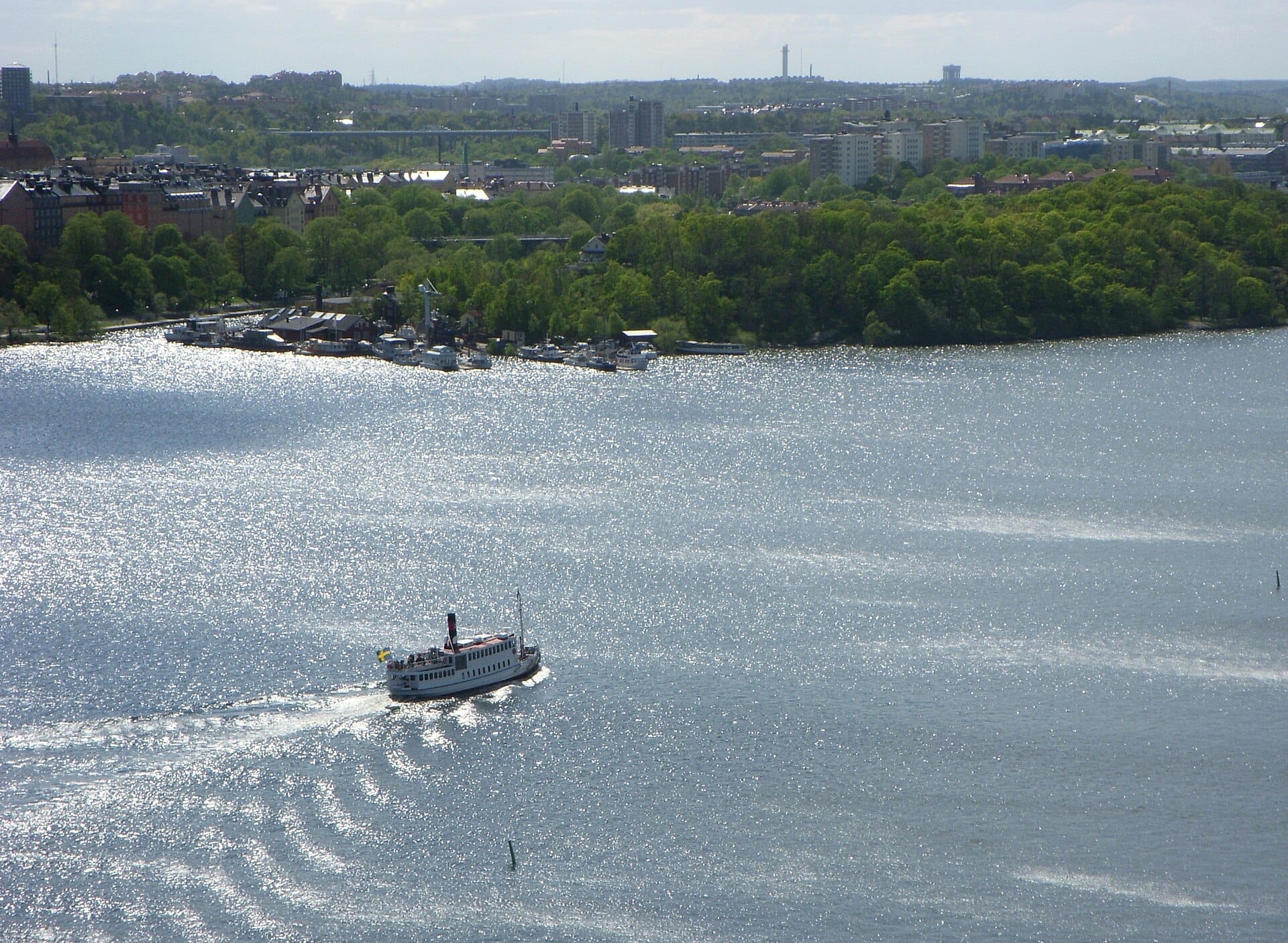
What Långholmen Actually Is
Långholmen Island is Långholmen Island is a small, wooded island in central Stockholm, connected to the surrounding city by two road bridges: Pålsundsbron on the east side and Långholmsbron on the west., but varied enough to reward a longer stay. The island sits in the narrow channel between Södermalm and Kungsholmen, which means it manages to feel removed from the city noise while remaining firmly within it.
The island is best understood in two layers. On the surface, it is a free public park with beaches, walking paths, a kayak rental, a small vineyard, and open lawns where Stockholmers come to swim, run, or simply sit. Beneath that is a heavier history: for over 250 years, this was a prison island. The cell blocks of Långholmens Centralfängelse, once a major prison, are now the walls of a hotel and hostel. That combination, green and peaceful on the outside, austere and layered on the inside, is what makes Långholmen unlike anywhere else in Stockholm.
ℹ️ Good to know
There are no gates or entrance fees for the island itself. The beaches, trails, and parks are generally open to the public, while the hotel, hostel, museum, and restaurant have their own pricing and hours.
The Prison History: 1724 to 1975
Långholmen became a prison island in the 18th century, and by the second half of the 19th century it had become a major correctional facility. The scale of the complex was considerable for an island of this size, and the prison shaped the island's physical layout entirely: the large stone cell blocks that dominate the central part of Långholmen were built to last, and they did.
The prison closed in 1975, and the city faced a choice that many European cities have confronted with decommissioned institutional buildings: demolish, preserve, or repurpose. Stockholm chose repurposing. Over the following years, the former cell blocks were converted into the Långholmen Hotel and Hostel, where guests today sleep in rooms that were once individual cells. The original doors, small windows, and stone corridors remain largely intact. It is not a themed experience designed to look like a prison. It simply is one, adapted just enough to be habitable.
For travelers with a deeper interest in Stockholm's penal history, the island's Prison Museum covers the full story of the site, from its 18th-century origins through the reform movements that shaped Swedish incarceration policy. If Swedish legal and social history appeals, this pairs well with a visit to Historiska Museet for a broader sweep of Swedish cultural development.
Tickets & tours
Live prices and dates from our booking partner. If you book, we may earn a commission at no extra cost to you.
Sodermalm malmgard and Langholmen prison tour from Stockholm
From 38 €Instant confirmationFree cancellationSelf-guided stand-up paddleboard tour in Stockholm's Langholmen island
From 27 €Instant confirmation2-hour archipelago tour on a RIB speedboat
From 122 €Instant confirmationFree cancellationHaunted Stockholm exploration game and tour
From 12 €Instant confirmationFree cancellation
The Island on Foot: What You'll Actually See
Most visitors approach from the Södermalm side, crossing Pålsundsbron from the Hornstull area. The path rises slightly into the island's interior, where the tree cover thickens and the prison buildings come into view: large, pale stone structures that read as institutional even now. The smell here is earthy and slightly resinous from the pines, and on warm days the air feels noticeably cooler under the canopy than on the surrounding streets.
Walking south and east brings you to the main bathing area, a rocky shoreline with clear water and views across to Södermalm's waterfront. On summer weekday mornings, you might share this stretch with a handful of early swimmers and dog walkers. By early afternoon on a warm weekend, the rocks fill quickly with Stockholmers of all ages, towels spread across every available flat surface, children jumping from the low rocks into the water. The atmosphere is relaxed and genuinely local rather than tourist-oriented.
The island's circumference path is the clearest way to see the whole site. It takes between 30 and 50 minutes at a comfortable pace, passing beaches, the vineyard, and several open lawns. The western shore is quieter and more forested, with occasional benches looking out over the water toward Kungsholmen.
💡 Local tip
The southern shoreline beaches face southwest and catch afternoon sun well into the evening in summer. If you are visiting specifically to swim, aim for 2pm to 7pm on a clear day for the best combination of warmth and light.
How the Island Changes Through the Day and Year
Early mornings on Långholmen have a particular quality in every season. In summer, the light arrives low and golden across the water before most visitors appear, and the only sounds are birds and the occasional sculling boat passing through the channel. In winter, the paths are often quiet enough that you can walk the full circuit without meeting more than a few people. The island is genuinely peaceful at those hours, which is remarkable given how central it is.
Midday in July and August is the island's busiest period. The beaches and lawn areas fill with swimmers and picnickers, the outdoor seating at the restaurant operates, and the atmosphere shifts from contemplative to sociable. The noise level stays low compared to most city beaches, partly because there is no road traffic on the island itself and partly because Stockholmers tend toward quieter recreation.
Autumn strips the trees and changes the character of the island considerably. The crowds disappear almost entirely by October, the light turns low and diffuse, and the stone prison buildings look considerably more austere without the greenery softening them. It is a different kind of visit, worthwhile if you want to appreciate the architecture and the atmosphere without distraction, but not the occasion for a swim.
Winter visits are possible and occasionally atmospheric, particularly if there is ice on the narrow channels. However, Långholmen in January offers limited practical appeal beyond a brisk walk. For Stockholm's winter attractions, the Stockholm in winter guide covers the city's seasonal highlights more comprehensively.
Staying on the Island: The Prison Hotel and Hostel
The Långholmen Hotel and Hostel, operated from the address Långholmsmuren 20, is an unusual accommodation option that works well for a specific kind of traveler. The hotel rooms, converted from individual prison cells, are small by conventional standards: the dimensions are set by the original cell structure, not by modern hospitality norms. The stone walls, narrow windows, and corridor layout remain. If you are someone who finds institutional architecture oppressive rather than interesting, this will not suit you.
For travelers who appreciate the strangeness of sleeping inside a functioning piece of Swedish social history, the experience is genuinely memorable. The hostel section offers dormitory accommodation at lower prices and attracts budget-conscious travelers. The hotel section is quieter and more private. Both share access to the island's grounds. Check the official website at langholmen.com for current pricing, availability, and seasonal opening details, as these change regularly.
Getting There and Getting Around
There is no metro station on Långholmen. The most convenient approach by public transport is to take the metro to Hornstull, then walk north across Pålsundsbron, which takes about ten minutes on foot.
Cycling is an excellent option. The bridges are cycle-friendly and the island's paths accommodate bikes, though the narrower forest tracks are best walked. Several of Stockholm's bike share stations are located near the bridge approaches on both the Södermalm and Kungsholmen sides. The island can also be reached by car via the bridges, and there is limited parking, though driving into central Stockholm adds complexity that most visitors do not need.
If you are planning a day that combines Långholmen with other central attractions, the island fits naturally with a walk through Södermalm. The Monteliusvägen cliff walk is accessible from the same part of Södermalm and offers elevated views over Kungsholmen and the water. For a full picture of how to move around the city efficiently, the getting around Stockholm guide covers all transport options in detail.
💡 Local tip
If you are coming from Gamla Stan or Norrmalm, the walk to Långholmen via Södermalm is pleasant. It is worth doing if the weather cooperates, as it passes through the residential streets of Södermalm along the way.
Practical Notes: What to Bring and What to Expect
For a summer visit that includes swimming, bring your own towel. Basic facilities exist near the hotel complex. Shoes with grip are useful for the rocky shoreline. The island's paths are mostly even and manageable, but the rocky beach sections require some care, particularly if you have children with you.
Photography on the island rewards patience and early arrival. The light on the water in the late afternoon and early evening is consistently good, and the contrast between the stone prison architecture and the surrounding trees creates strong compositions. The narrow corridors near the hotel, visible from certain angles, photograph well in flat grey light when the textures of the stone come forward.
Visitors with limited mobility should note that while the bridges themselves are accessible, parts of the island's perimeter path and beach areas involve uneven terrain. The central areas around the hotel complex are more level. The island is best suited to those comfortable with moderate walking. For more structured accessible attractions in Stockholm, the Vasa Museum on nearby Djurgården has full accessibility provisions.
Is Långholmen Worth Your Time?
Långholmen is not a conventional tourist attraction. There is no grand spectacle to photograph, no queue to manage, no audio guide. What it offers is a free, genuinely pleasant piece of Stockholm's daily life, layered over a history unusual enough to give it depth. If your Stockholm itinerary is already dense with museums and palaces, Långholmen provides a real counterpoint. If you are traveling primarily to tick off major sights, it may not earn its place in a short visit.
The island works particularly well for travelers who want to see how Stockholm residents actually spend a summer afternoon, away from the tourist circuits. For context on how Långholmen fits into a fuller Stockholm experience, the free things to do in Stockholm guide lists it alongside other no-cost options across the city.
Insider Tips
- The small vineyard on the island's south-facing slopes is easy to miss. Look for it on the southern side of the island between the beach areas and the hotel complex. It is an odd detail that most visitors walk straight past.
- Weekday mornings before 10am offer the island almost entirely to yourself in summer, even during peak season. The regular swimmers tend to arrive early then leave; the beach crowds build from noon onward.
- If you want to visit the prison museum or the hotel restaurant, check seasonal hours before arriving. Both operate on schedules that shift significantly between summer and winter, and a cold walk across the bridge to find a closed door is easily avoided.
- The eastern approach via Pålsundsbron from Hornstull passes some of Södermalm's better independent coffee shops on the way. Build in time for a fika stop before or after the island, particularly around the streets just south of the bridge.
- The channel between Långholmen and Södermalm is narrow enough that you can watch kayakers pass at close range from the rocky shoreline. The island has a kayak and canoe rental in summer if you want to explore the waterways rather than walk them.
Who Is Långholmen Island For?
- Stockholmers and visitors looking for a free summer swimming spot that is genuinely local rather than tourist-oriented
- History-minded travelers curious about the conversion of institutional architecture into everyday spaces
- Anyone staying at the Långholmen Hotel or Hostel who wants to understand the full context of what the building was
- Cyclists looking for a central but traffic-free loop within a short ride of Södermalm or Kungsholmen
- Travelers building a relaxed half-day itinerary in the western part of inner Stockholm
Nearby Attractions
Combine your visit with:
- Birka Viking Town
Founded around AD 750 on a remote island in Lake Mälaren, Birka was one of Scandinavia's earliest true urban trading centers. Today it survives as part of the UNESCO World Heritage Site Birka and Hovgården, reached only by seasonal boat from Stockholm, where around 2,000 Viking-age graves still dot the surrounding landscape. It is one of the most historically significant half-day excursions available from the Swedish capital.
- Drottningholm Palace
Drottningholm Palace is Sweden's most complete royal domain, a UNESCO World Heritage Site on Lovön island just about 10 km west of Stockholm. The baroque complex includes the palace, a working 18th-century theatre, a Chinese Pavilion, and formal gardens that shift in character across every season.
- Royal National City Park (Ekoparken)
The Royal National City Park, known locally as Ekoparken, is the world's first national urban park and one of Stockholm's most remarkable features. Stretching around 27 km² from Djurgården in the south to Ulriksdal in the north, it wraps around the city in a continuous arc of ancient oak forests, royal palaces, museum islands, and open waterways. Entry is free and the park never closes.
- Hagaparken
Hagaparken is a 144-hectare English landscape park just north of central Stockholm, laid out for King Gustav III in the late 18th century. Free to enter year-round, it offers a rare combination of royal history, open meadows, and waterside walking paths within easy reach of the city. Individual attractions inside the park, including the Butterfly House and royal pavilions, charge their own fees.
Planning a trip? Discover personalized activities with the Nomado app.