Humber Bay Park: Toronto's Best Skyline Views from the Lake
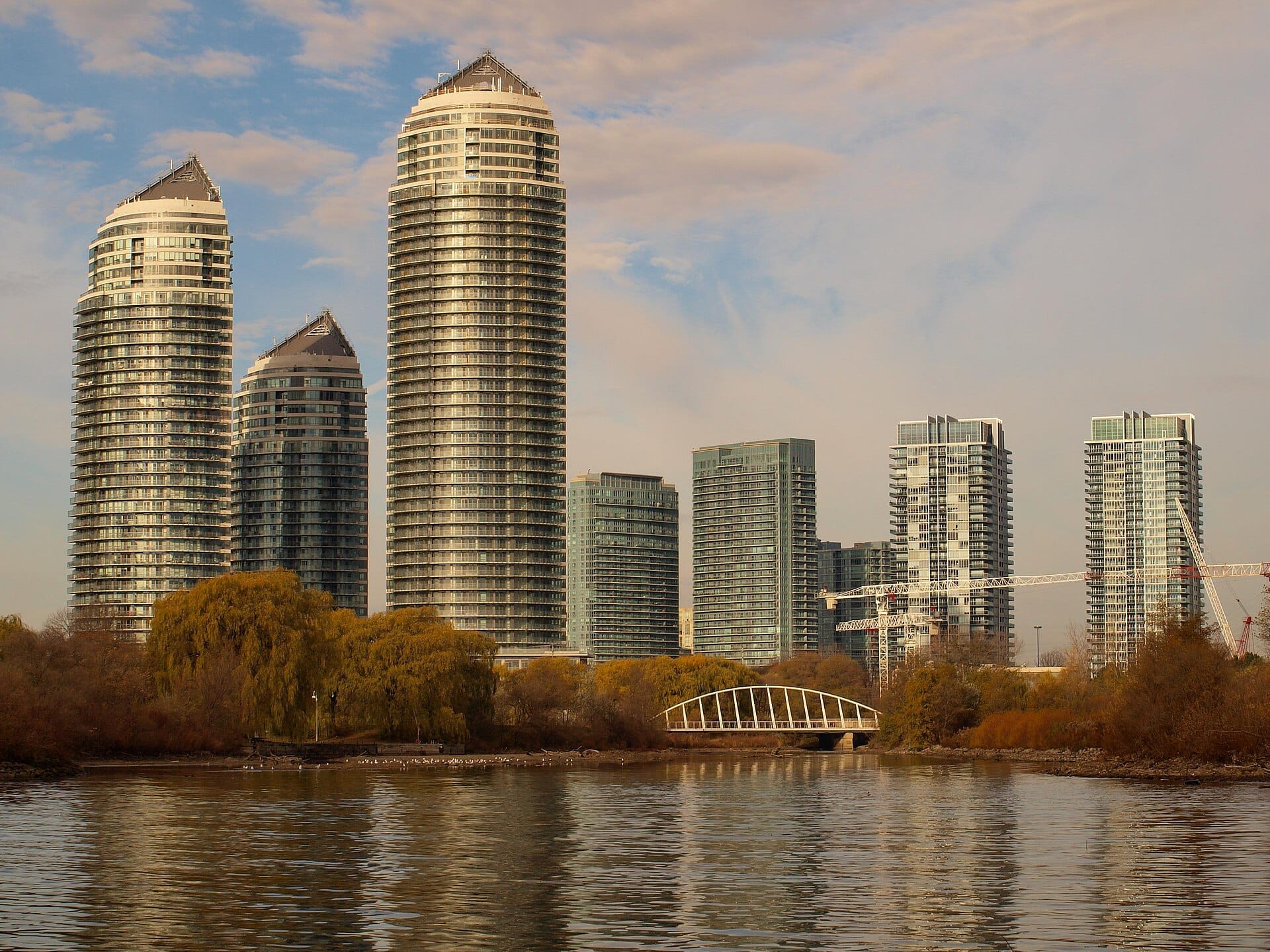
Humber Bay Park is a 43-hectare man-made waterfront park on Lake Ontario's northwestern shore, offering unobstructed CN Tower skyline views, paved and gravel lakeside trails, and one of Toronto's most rewarding spots for birdwatching. Free to enter and open year-round, it draws cyclists, dog walkers, photographers, and anyone who wants a real sense of the lake without taking the ferry.
Quick Facts
- Location
- 100 Humber Bay Park Rd W, Etobicoke, Toronto, ON M8V 3X7 — on Lake Ontario at the mouth of Mimico Creek in Etobicoke
- Getting There
- TTC 66B Prince Edward bus from Old Mill subway station (Line 2) to Lake Shore Blvd W at Humber Bay Park Rd W, then a short walk
- Time Needed
- 1 to 2.5 hours for a full loop; shorter if you come just for the skyline view
- Cost
- Free entry. Parking free on weekdays until 5 pm; paid evenings and weekends May–September (currently CAD 0.75 per half-hour). Free Oct–April.
- Best for
- Skyline photography, cycling along the Martin Goodman Trail, birdwatching, and waterfront walks away from crowds
What Humber Bay Park Actually Is
Humber Bay Park is not a traditional green space. The entire 43-hectare site is a man-made landform, constructed from over 5 million cubic metres of fill and opened to the public in 1984. The park occupies two peninsulas that extend into Lake Ontario at the mouth of Mimico Creek, on the western edge of Toronto's waterfront in the former municipality of Etobicoke. It is jointly managed by the Toronto and Region Conservation Authority (TRCA) and the City of Toronto's Parks, Forestry and Recreation Division.
The result is a rare combination: genuine shoreline exposure on a large lake, with meadow habitat, wetland edges, and paved trail connections, sitting less than 10 kilometres west of downtown. There are no rides, no ticket booths, and no structured programming. What you get is open sky, a lot of water, and one of the clearest unobstructed views of the Toronto skyline available from land.
ℹ️ Good to know
Entry is free year-round. Parking is also free on weekdays before 5 pm, and from October through April at the on-site Green P lots. In summer evenings and on weekends (May–September), metered parking applies at the Green P lots — bring a card or verify the current tariff on-site, as rates are subject to change.
The Skyline View: Why Photographers Come Here
The view from the tip of Humber Bay Park West is genuinely different from anything you get closer to the city core. Standing at the water's edge, the entire Toronto skyline spreads across the horizon from left to right, with the CN Tower rising clearly above the cluster of downtown towers. Because you are looking northeast across open water, there are no obstructions, no parked vehicles, and no urban noise layering in between.
At sunrise, the light hits the glass towers of downtown from behind you, and the lake in the foreground catches orange and pink tones that can be dramatic in calm conditions. The best mornings for photography are after a cold front passes through, when the air is clear and the lake surface settles. Summer haze can significantly reduce contrast and flatten the skyline, so clear autumn mornings (September and October especially) produce the sharpest images.
Evening light works differently. At dusk, the downtown towers begin to illuminate from the inside and the CN Tower's LED lighting activates, which makes this one of the better spots for twilight skyline shots in the city. Bring a tripod if you intend to shoot after sunset; the wind off the lake can be steady and the exposure times get long quickly.
For a broader look at where this park fits into the city's shoreline, the Toronto waterfront guide covers the full stretch from the western beaches to the eastern port lands.
Tickets & tours
Live prices and dates from our booking partner. If you book, we may earn a commission at no extra cost to you.
Toronto Old Town: Dark Side Exploration Game and Tour
From 12 €Instant confirmationFree cancellationLEGOLAND Discovery Centre Toronto tickets
From 16 €Instant confirmationFree cancellationToronto 'Little Canada' entrance tickets
From 27 €Instant confirmationFree cancellationNiagara Falls evening tour with boat, dinner and Illumination Tower
From 77 €Instant confirmationFree cancellation
Walking and Cycling the Trails
The park contains a network of paved and packed-gravel paths that loop around both peninsulas. A relaxed loop around both peninsulas typically covers roughly 4 to 5 kilometres and takes between 60 and 90 minutes at a relaxed pace, depending on how much time you spend at the water's edge. The terrain is almost completely flat, which makes it accessible for most visitors and popular with cyclists.
Humber Bay Park West connects directly to the Martin Goodman Trail, the multi-use recreational path that runs along Toronto's entire waterfront. Cyclists coming from downtown can ride the trail continuously from Harbourfront to reach the park without touching a road. The Humber Bay Arch Bridge, just east of the park, is a common waypoint on that route.
Be aware that the trails, particularly on the east side of the park, can become wet and muddy after rain or during the spring thaw. Footwear with some grip is advisable from November through April. The paved sections hold up well year-round, but the gravel and dirt connectors near the water's edge are prone to puddles. In winter, parts of the trail are cleared but icy sections appear without warning, especially where shade from the tree plantings along the shoreline slows melting.
⚠️ What to skip
Humber Bay Park East has been closed to the public to support shoreline maintenance and ongoing Humber Bay Park Master Plan implementation by the TRCA and the City of Toronto. Check current conditions before visiting if you specifically want to access the east side of the park.
Birdwatching and Wildlife
The park's shoreline and wetland plantings make it a legitimate birdwatching stop, especially during spring and fall migration. The combination of open water, meadow habitat, and shrubby vegetation along the lake edge creates a corridor that attracts a wide range of species. Loons, mergansers, grebes, and various duck species use the sheltered bay in winter and early spring. Warblers and other songbirds move through the meadow plantings in May.
In summer, the lake-facing shoreline is a reliable spot to watch swallows hunting over the water at dusk. Mute swans are a consistent presence on the calmer stretches near the creek mouth, and great blue herons can often be found standing in the shallows. The park was deliberately designed with ecological restoration in mind, and the native plantings on the park's interior support more wildlife than the manicured grass sections near the parking areas.
If birdwatching on the waterfront is a priority, Tommy Thompson Park on the Leslie Street Spit in the city's east end offers a longer dedicated experience, but Humber Bay is more convenient for visitors staying in the west or downtown.
How the Experience Changes Through the Day
Early mornings on weekdays are the park at its quietest. Between 6 and 8 am, the dominant sounds are wind off the lake, distant highway noise from the Gardiner Expressway corridor to the east, and occasional geese. Dog walkers and joggers are the primary users at this hour. The low angle of morning light and the calm water conditions make it the best time for photography, and you will often have entire stretches of shoreline to yourself.
By mid-morning on weekends, particularly from May through September, the character shifts. Families arrive with strollers and small children. Cyclists using the Martin Goodman Trail filter through in both directions. The parking lots fill steadily from around 10 am, and by early afternoon in July or August, the grassy areas near the water fill with people sitting on blankets, flying kites, or fishing from the shoreline rocks.
Late afternoon on summer evenings brings a different crowd: people who have come specifically to watch the sunset behind the Humber Bay Arch Bridge and catch the skyline lights coming on. The wind often picks up in the late afternoon, which keeps the temperature tolerable even in July heat. After dusk in summer, the park empties quickly — there is limited lighting on the trails, and most visitors do not linger past dark.
Getting There and Practical Logistics
By car, the park is accessed via Lake Shore Boulevard West, turning south onto Park Lawn Road and then following Humber Bay Park Road West to the end. The route is straightforward from the Gardiner Expressway or QEW, with exits near Park Lawn Road. There are multiple parking lots, and on a free weekday morning the lots are rarely full. On a sunny Saturday in July, arrive before 9 am or expect to circle.
By transit, take the TTC Line 2 (Bloor-Danforth) to Old Mill station, then board the 66B Prince Edward bus westbound to the Park Lawn Road and Lake Shore Boulevard West stop. From there it is about a 10-minute walk south into the park. The journey from downtown Toronto takes roughly 30 to 40 minutes total, which is honest — this is not the most convenient park for transit users. Cycling from downtown along the Martin Goodman Trail takes about 25 to 35 minutes from Harbourfront, depending on pace, and is genuinely pleasant on a clear day.
Visitors exploring the waterfront by bike should review the getting around Toronto guide for information on bike-share stations and trail access points along the lakeshore.
💡 Local tip
Restrooms are available at the park and parking lots, but facilities are limited in the off-season. Bring water in summer — there are no cafes or kiosks inside the park itself. The nearest food options are along Lake Shore Boulevard West, a short walk from the entrance.
Honest Assessment: Who Will Love It and Who Will Not
Humber Bay Park rewards visitors who want open space, water, and distance from the city's noise without traveling far. It is particularly good for people with dogs, cyclists connecting the waterfront trail, birdwatchers, and anyone who wants a genuine lake experience rather than a groomed urban park. The skyline view alone is worth the trip for first-time visitors who want a photograph that captures the city from outside.
It is not a good fit for visitors expecting curated experiences, food vendors, or structured programming. There is nothing to do in the conventional tourist sense: no museum, no landmark to enter, no performance space. People who find satisfaction in walking, sitting by water, watching birds, or cycling will find the park time well spent. People looking for an afternoon activity with clear narrative or entertainment arc will likely feel it is just a park.
The park is also not particularly central. If you have two days in Toronto and have not yet seen the waterfront around Harbourfront or the Toronto Islands, those areas offer more density of experience per hour. Humber Bay makes more sense on a longer visit, or as a destination in itself for those who specifically want the kind of quiet lakeside walk that is harder to find closer to the core.
For a full picture of the city's outdoor spaces, the best parks in Toronto guide places Humber Bay alongside other major green spaces and helps you decide which suits your visit.
Insider Tips
- The eastern tip of Humber Bay Park West gives you the clearest unobstructed sightline to the CN Tower across open water. Walk past the main parking area and follow the path to the very end of the peninsula — most casual visitors turn back before reaching it.
- Autumn mornings after a cold front (typically October) produce the clearest air and most dramatic skyline photographs. Summer haze frequently reduces contrast, particularly in July and August.
- Parking is free on weekdays before 5 pm. If you plan a morning visit on a Tuesday or Wednesday, you will likely have the lots to yourself and avoid the weekend crowds entirely.
- The meadow planting strips on the interior of the park, away from the water edge, are worth a slow walk in May when migrating warblers move through. Most visitors stick to the lake-facing shore and miss this entirely.
- The park connects directly to the Martin Goodman Trail. If you are cycling from downtown, you can ride the full waterfront trail west to reach the park and continue further into Etobicoke without retracing your route — a one-way trip with a return by TTC bus is a practical option.
Who Is Humber Bay Park For?
- Photographers wanting a clear, unobstructed skyline shot of Toronto from across the water
- Cyclists on a waterfront trail ride looking for a natural endpoint or rest point
- Birdwatchers, especially during spring and fall migration periods
- Dog owners looking for flat, open trails away from high foot traffic
- Visitors on repeat trips to Toronto who have already seen the main attractions and want time near the water
Nearby Attractions
Other things to see while in Toronto Waterfront:
- BMO Field
BMO Field at Exhibition Place is Toronto's premier outdoor soccer stadium, home to Toronto FC and the Toronto Argonauts. Originally built in 2007 and expanded since, it will serve as a FIFA World Cup 2026 venue. Here is everything a first-time visitor needs to know before heading to a match or event.
- Budweiser Stage
Formerly known as Budweiser Stage, the RBC Amphitheatre is a major outdoor concert venue on the Lake Ontario waterfront at Ontario Place. With a capacity of around 16,000, it draws major international acts from May through October each year. Here is everything you need to know before attending a show.
- Exhibition Place
A 192-acre event and heritage campus on Toronto's western waterfront, Exhibition Place has anchored the city's civic and cultural life since 1879. Home to the Canadian National Exhibition, major concerts, trade shows, and several sports venues, the grounds offer free outdoor access year-round with a remarkable collection of early 20th-century buildings.
- Harbourfront Centre
Harbourfront Centre is a 10-acre arts and cultural campus on Toronto's waterfront, open year-round with free public access to outdoor spaces, plus ticketed performances, exhibitions, and events. It sits about a 15-minute walk from Union Station and offers a direct view across Lake Ontario.
Planning a trip? Discover personalized activities with the Nomado app.