Zurich to Geneva: Train, Travel Options & What to Know
The train from Zurich to Geneva is one of Switzerland's most travelled intercity routes, covering 224 km in under 3 hours on the best services. This guide covers exact journey times, current pricing, booking strategies, bus alternatives, and the key differences between the two cities to help you plan smarter.
Tickets & tours
Live prices and dates from our booking partner. If you book, we may earn a commission at no extra cost to you.
TL;DR
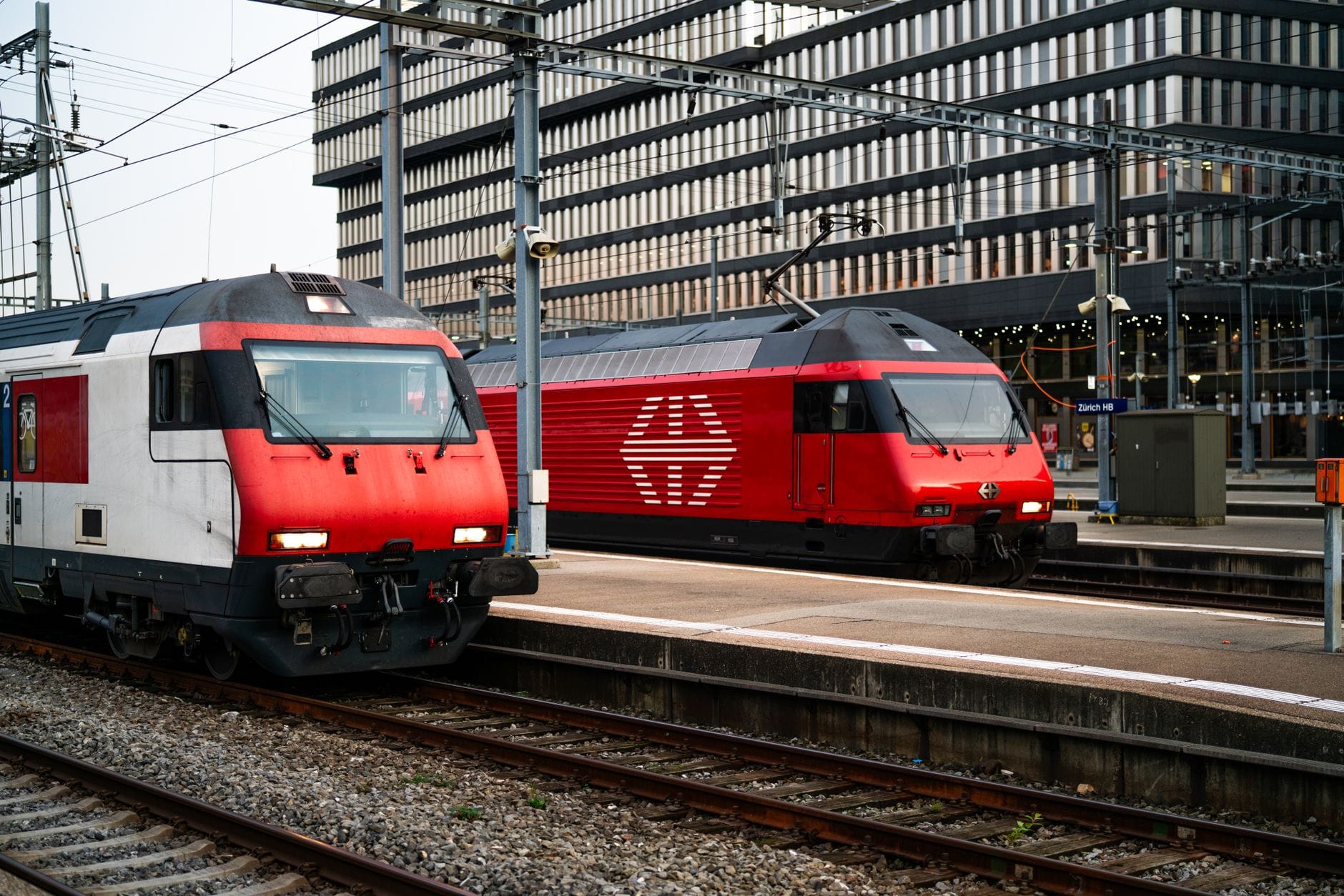
- The fastest Zurich to Geneva train takes around 2 hours 51 minutes on direct SBB InterCity services from Zurich HB to Geneva Cornavin.
- Direct IC trains run roughly every 30 minutes at peak times, with around 39-40 services per day total.
- Full-fare 2nd class costs around CHF 88; advance Supersaver fares start from about CHF 25.
- Always book directly via SBB (sbb.ch) for the best prices and most flexibility. Third-party resellers add fees.
- Bus is significantly slower (around 3 h 50 min) but cheaper. Flying makes no practical sense for this route.
The Train Route: What You're Actually Getting Into
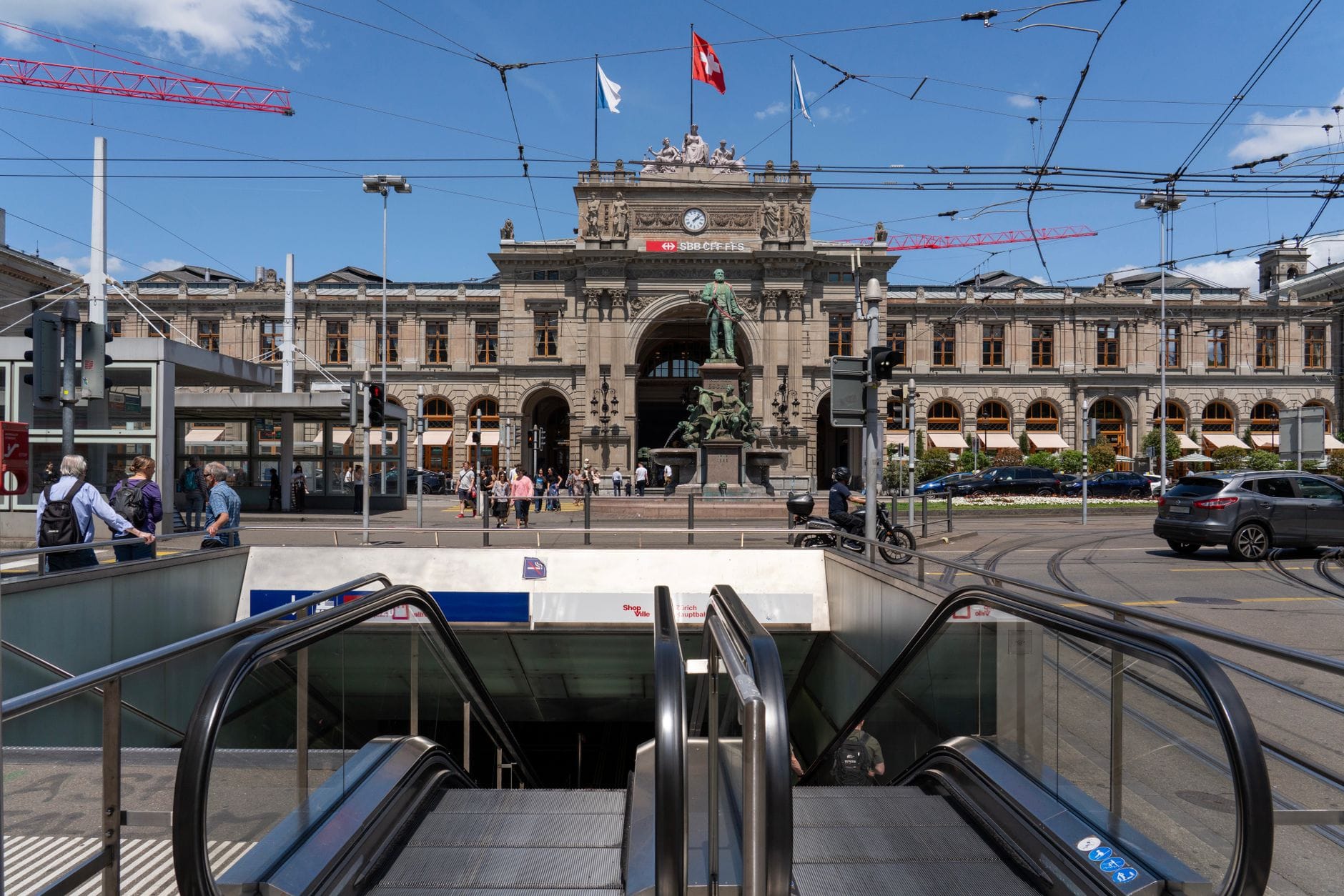
The Zurich to Geneva corridor is one of Switzerland's busiest intercity routes, operated almost entirely by Swiss Federal Railways (SBB CFF FFS). Trains depart from Zurich Hauptbahnhof (Zurich HB) and arrive at Geneva Cornavin, the city's main station. The rail distance is approximately 224 km, and the route passes through Bern and Lausanne on most services, giving you a genuine cross-country sweep of the Swiss Mittelland.
Fastest journey time on a direct InterCity service is around 2 hours 51 minutes. In practice, most travellers should budget about 3 to just over 3 hours, since some services make additional stops or are scheduled slightly slower. Around 39-40 trains operate daily between the two cities, with direct IC trains running roughly every 30 minutes during peak hours. Off-peak, the gap between trains may stretch to an hour, so it's worth checking the SBB timetable before committing to a rough departure window.
ℹ️ Good to know
Not all services are equal in speed. The fastest trains are branded InterCity (IC) and run direct. Some slower regional or international services stop at more stations and can add 30-40 minutes. Always check the number of stops and total journey time when booking, not just the departure time.
Ticket Prices: What You'll Actually Pay
Swiss rail pricing operates on a tiered system that rewards early booking. The standard full-fare 2nd class ticket between Zurich and Geneva costs around CHF 88 one-way. This is a flexible ticket with no restrictions on which specific train you board, which makes it useful if your plans are fluid. First class adds roughly 50-60% to that price and gets you wider seats, quieter coaches, and more reliable table space.
Supersaver fares (Spartickets in German) are capacity-controlled advance tickets starting from around CHF 25. These are train-specific, non-refundable, and genuinely popular, so they sell out on busy travel days. International booking platforms quote prices in USD ranging from around $59-72 for advance purchases to $100-190 for flexible full-fare options, depending on the reseller's conversion and fees. In all cases, buying directly from SBB is almost always cheaper than going through a third-party site.
- SBB Supersaver (Sparticket) From around CHF 25 one-way. Train-specific, non-refundable. Available weeks in advance and sells out fast on Fridays and Sunday afternoons.
- SBB Standard 2nd Class Around CHF 88 one-way. Use any train within the valid date. Fully flexible, partially refundable with a fee.
- SBB Standard 1st Class Roughly CHF 130-150 one-way at full fare. Quieter coaches, guaranteed seat comfort, good for productive work trips.
- Half-Fare Card (Halbtax) If you're spending significant time in Switzerland, the annual or monthly half-fare card halves all SBB ticket prices. For a return trip alone it almost covers the annual cost.
- Swiss Travel Pass Covers unlimited SBB travel for 3, 4, 6, 8, or 15 consecutive days. Worth calculating against individual ticket costs if you're doing multiple intercity journeys.
✨ Pro tip
Book Supersaver tickets on sbb.ch or the SBB Mobile app as soon as your dates are confirmed. The cheapest fares appear around 30-60 days before travel and disappear quickly for Friday evenings, Sunday afternoons, and any long Swiss weekend. Avoid booking on Trainline or Rail Europe for Swiss domestic routes — they add booking fees on top of already-public SBB prices.
How to Book and Where to Find Timetables
For the Zurich to Geneva route, SBB's own website (sbb.ch) and the SBB Mobile app are your best tools. The app in particular has a genuinely good journey planner with real-time updates, platform changes, and mobile tickets that Swiss conductors are very familiar with. SNCF Connect also sells some Zurich-Geneva services, which can be useful if you're combining this leg with a trip into France. For everything else related to getting around Switzerland, our guide to getting around Zurich covers the city's local transport options in detail.
Third-party platforms like Rail Europe, Trainline, Klook, and Virail are legitimate booking channels but their value on this specific route is limited. They work better for cross-border international journeys where SBB doesn't sell the full itinerary. For a purely domestic Swiss route, go direct. One genuine advantage of these platforms: they can be useful for comparing multi-mode or multi-country itineraries in a single search.
⚠️ What to skip
You do NOT need to book weeks in advance just to get a seat. Standard (full-fare) tickets can be purchased at the station on the day of travel with no restrictions. Advance booking only affects price, not availability for unreserved seating. Swiss InterCity trains are large and walk-on passengers are normal. The exception: if you want Supersaver pricing, early booking is essential.
Alternative Ways to Travel: Bus, Car, and the Plane Question
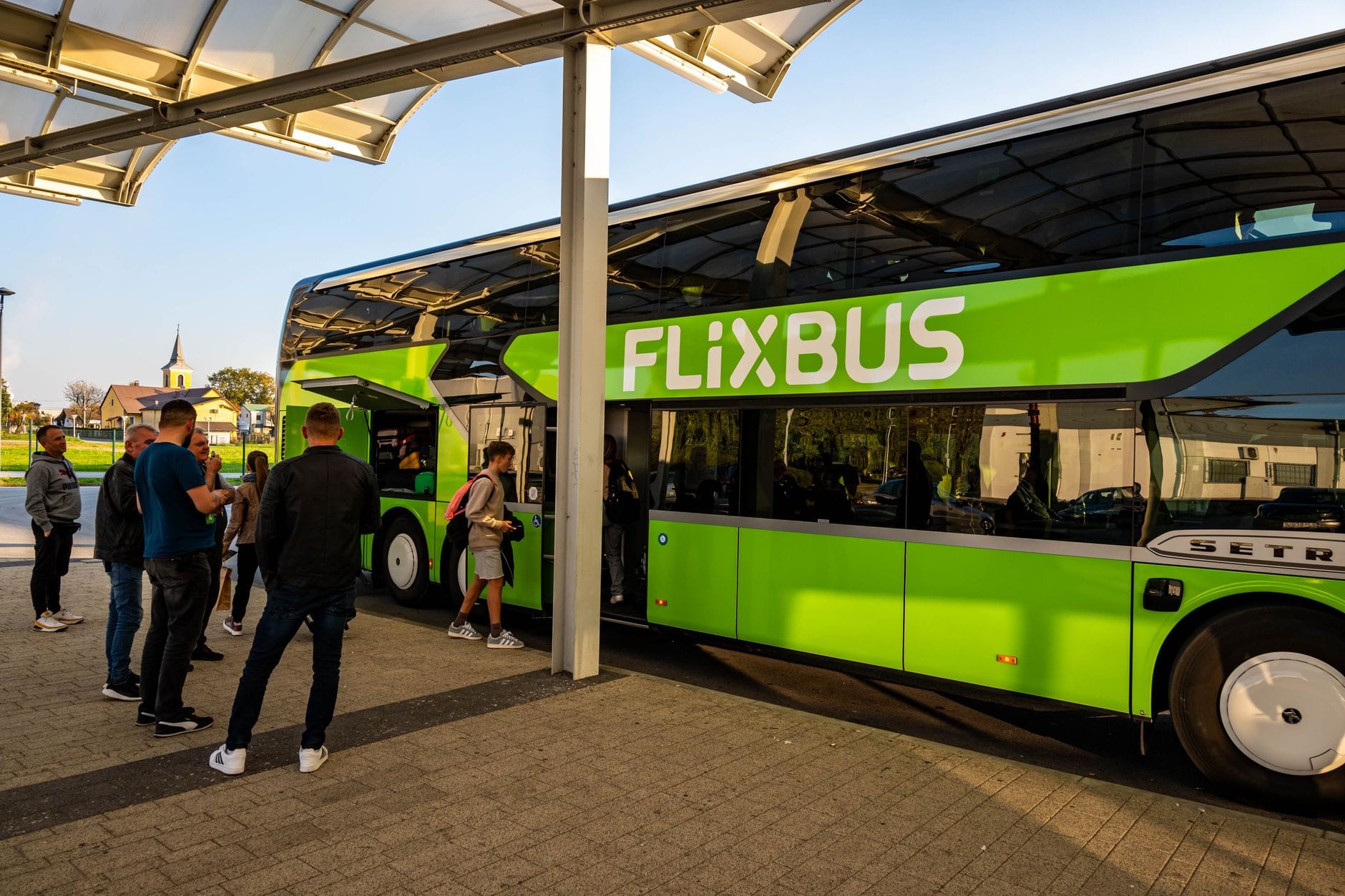
The train is the dominant and most practical option for this route, but it's not your only one. FlixBus connects Zurich and Geneva in around 3 hours 50 minutes, with several departures daily. Prices typically range from around $26-40 USD depending on booking timing, making it meaningfully cheaper than a full-fare train ticket. The trade-off is real: Swiss motorways are efficient but bus travel adds nearly an hour compared to the fastest train, and comfort is lower. RegioJet also operates occasional services but frequency is limited.
Driving covers roughly 280-300 km by road via the A1 motorway. Journey time is typically 2.5 to 3.5 hours without heavy traffic, but Swiss motorways require a vignette (annual motorway tax sticker, currently CHF 40). Fuel, tolls for any French route alternatives, and parking in Geneva add up quickly. For most solo or pair travellers, the train is simply more economical. For families or groups of four, the car math changes significantly.
Flying is not a practical option for this route. Zurich Airport to Geneva Airport is under 300 km as the crow flies, and when you factor in airport transfers at both ends, security queues, and a minimum 1-hour check-in buffer for domestic Swiss Air flights, you'd be looking at a total door-to-door time that often exceeds the train. It also usually costs considerably more.
- Train (SBB InterCity) — Recommended 2 h 51 min to 3 h 30 min. From CHF 25 (Supersaver) to CHF 88 (full-fare 2nd class). City-centre to city-centre. Most reliable and most comfortable.
- FlixBus Around 3 h 50 min. From roughly $26-40 USD. Several daily departures. Best for budget travellers with flexible schedules.
- Car 280-300 km via A1. Roughly 2.5-3.5 hours. Requires CHF 40 vignette. Better value for groups of 3-4.
- Plane Not recommended. Door-to-door time exceeds the train once airport overhead is factored in. Higher cost, more stress.
Seasonal Considerations and Practical On-the-Day Tips
The Zurich-Geneva rail line runs year-round and Swiss rail reliability is genuinely excellent even in winter. Snow disruptions that might delay trains for hours in other countries are rare in Switzerland thanks to extensive winter infrastructure. That said, occasional engineering works do occur, typically on weekends or overnight, and can result in rail replacement buses on sections of the route. Always check the SBB journey planner the evening before if you're travelling at a weekend.
Crowd-wise, the worst trains to be on are Friday afternoon/evening services out of Zurich and Sunday evening returns from Geneva. These fill with commuters, weekend travellers, and business travellers heading home. If you're on a flexible fare, choose a mid-morning or early afternoon departure on these days. Supersaver holders must stick to their booked train regardless. Swiss public holidays also generate notable crowding, particularly around Easter, the August 1st National Day, and Christmas-New Year.
If you're treating the Zurich-Geneva trip as part of a broader Swiss exploration, it's worth knowing that both cities make excellent bases for day trips. From Geneva you can reach the Alps easily; from Zurich, destinations like Lucerne are very close. Our day trips from Zurich guide covers the best options if you're building a multi-destination Swiss itinerary.
Zurich vs Geneva: Choosing Your Base
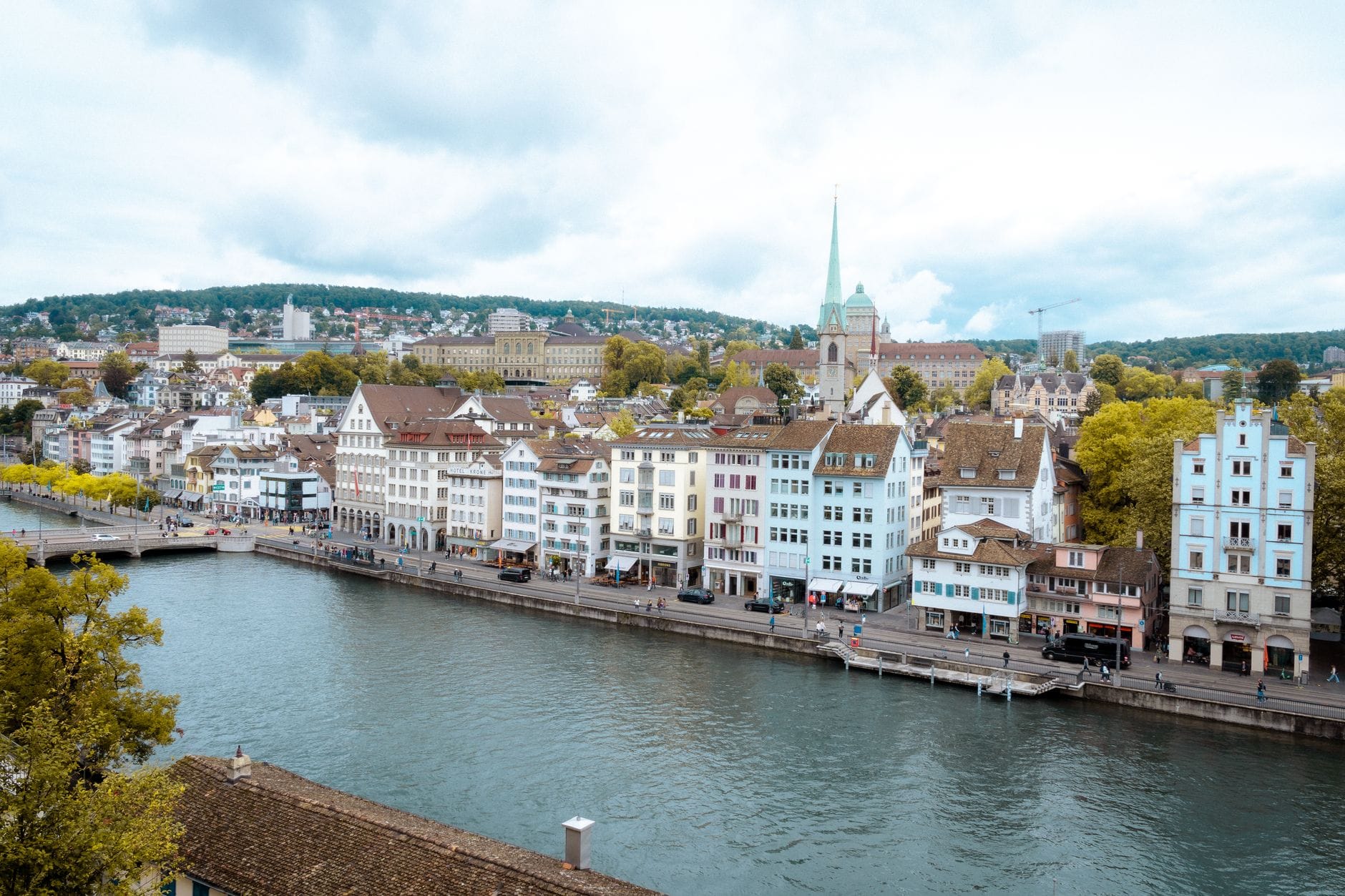
Some travellers arrive unsure which city should be their primary base. The two cities are genuinely different in character. Zurich is a German-speaking Swiss city, commercially driven, home to major banks and a strong arts and food scene. Geneva is francophone, more international in its institutional identity thanks to the UN, WHO, and ICRC presence, and sits at the western edge of Switzerland where it borders France directly.
For first-time visitors to Switzerland, Zurich has the edge in terms of variety: more museums, stronger nightlife, better lake access in summer, and arguably more of a 'Swiss city' feel. Our things to do in Zurich guide covers the city's highlights in detail. Geneva suits travellers whose interests lean toward international institutions, French-speaking Switzerland, or who want a base closer to the French Alps. The train connection means you don't have to choose entirely: spending two days in each is entirely realistic.
Cost of living is high in both cities, though Zurich frequently edges ahead in accommodation and dining prices. If budget is a concern, our Zurich on a budget guide and the free things to do in Zurich list will help you manage costs on the Zurich end of the trip.
Planning Your Zurich Stay Around the Geneva Trip
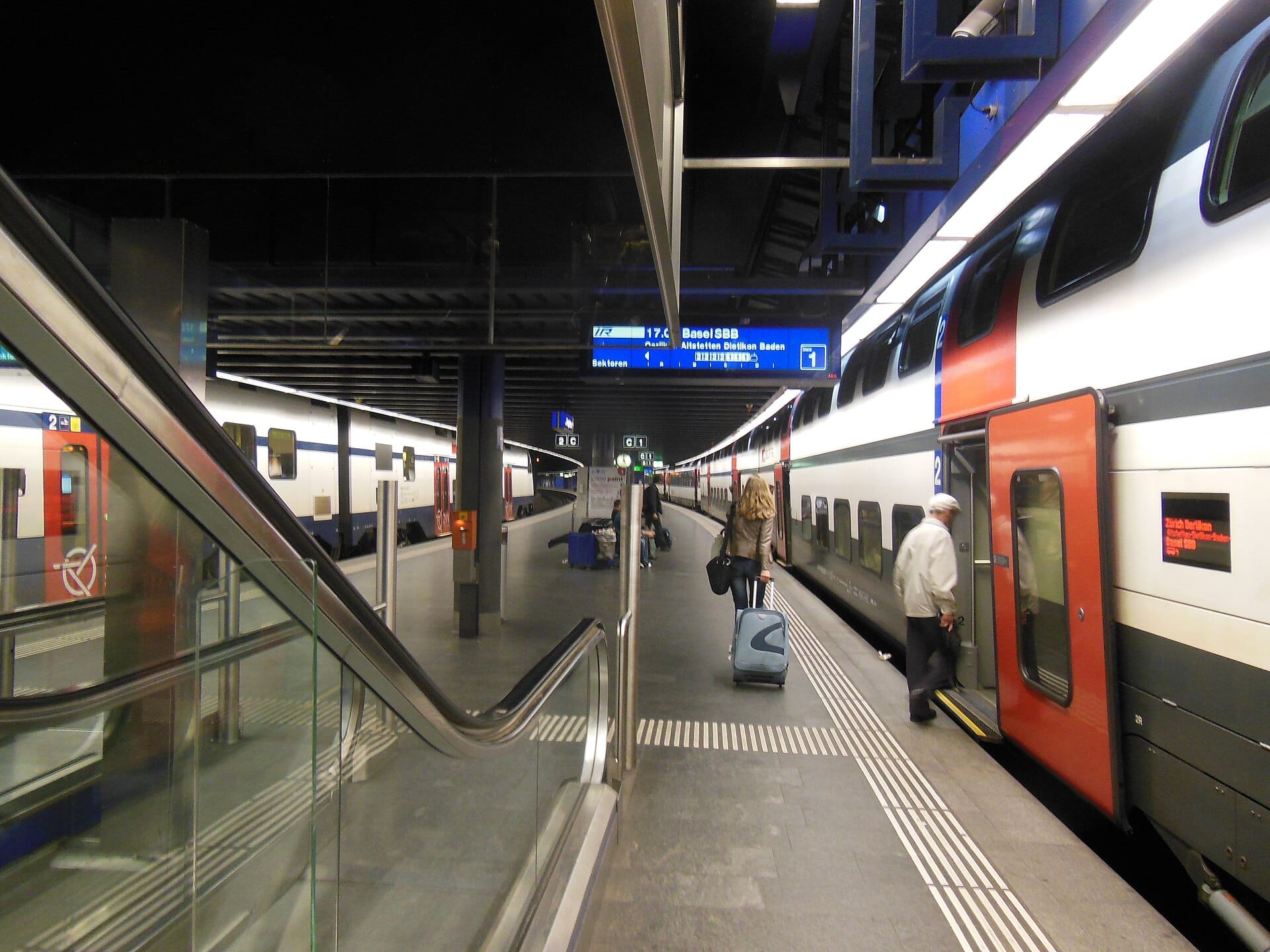
If you're flying into Zurich Airport and continuing to Geneva by train, you don't need to travel into the city centre first. Zurich Airport has its own rail station directly below the terminal, with frequent connections to both Zurich HB and direct long-distance trains toward Bern and Geneva. Check the SBB planner for through-ticketing options. For more on the airport connection, see our Zurich Airport guide.
If you're spending time in Zurich before or after your Geneva leg, two days in Zurich is enough to cover the city's main areas. The Altstadt and Lake Zurich promenade are both walkable from the main station, and the city's tram network covers everything else efficiently. Zurich HB itself is impressive as a station — one of Europe's busiest, with shops, restaurants, and the underground Shopville level that can fill a spare hour easily.
FAQ
How long does the train from Zurich to Geneva take?
The fastest direct InterCity (IC) trains take around 2 hours 51 minutes. Most services take between 3 and 3.5 hours depending on the number of stops. Check the SBB timetable for the specific service you're considering, as journey times vary.
Do I need to book the Zurich to Geneva train in advance?
No — you can buy a full-fare ticket at the station on the day with no restrictions on which train you board. Advance booking only matters for price: Supersaver fares (from around CHF 25) are train-specific and sell out on popular travel days. If price flexibility matters more than exact travel time, book via sbb.ch as early as possible.
What's the cheapest way to get from Zurich to Geneva?
The cheapest regular option is a SBB Supersaver train ticket, starting from around CHF 25 one-way. FlixBus is similarly priced (roughly $26-40 USD) but takes about an hour longer. For flexibility without advance booking, the standard SBB 2nd class fare is around CHF 88.
Is it better to stay in Zurich or Geneva for a Switzerland trip?
Zurich suits travellers who want more cultural variety, strong public transport, lake activities, and a distinctly Swiss atmosphere. Geneva is better for those interested in French-speaking Switzerland, international institutions, or proximity to the French Alps. With a 3-hour train connection, splitting time between both cities is very practical.
Can I travel from Zurich Airport directly to Geneva without going into Zurich city centre?
Yes. Zurich Airport has its own rail station with direct connections that can take you toward Bern and Geneva without needing to first travel to Zurich HB. Check the SBB journey planner for through-ticketing options and exact schedules from the airport station.
Tickets & tours
Live prices and dates from our booking partner. If you book, we may earn a commission at no extra cost to you.
Planning a trip? Discover personalized activities with the Nomado app.