Shopping in Doha: Malls, Souqs & What to Buy
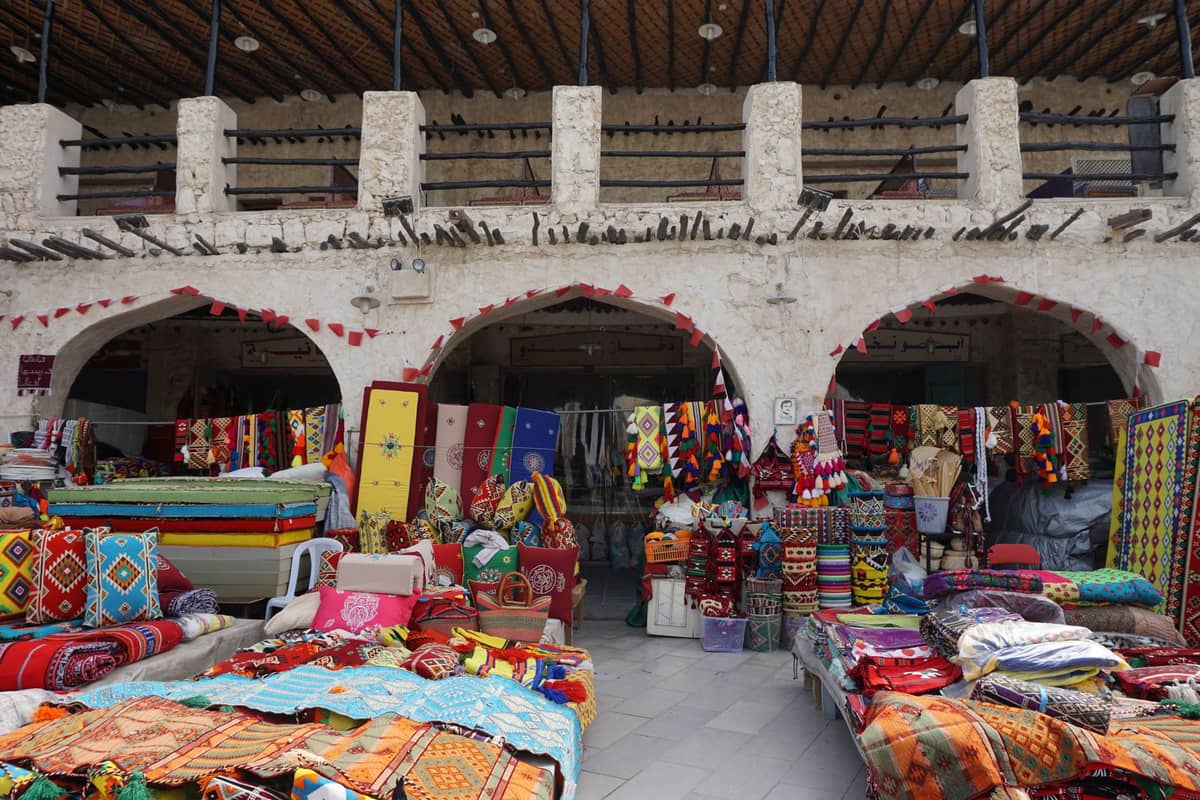
Doha delivers one of the Gulf's most complete shopping experiences, from air-conditioned mega-malls with international luxury brands to the spice-scented alleys of Souq Waqif where bargaining is still the norm. This guide covers every major venue, realistic prices, opening hours, seasonal quirks, and the souvenirs actually worth buying.
TL;DR
- Shopping in Doha splits cleanly into two worlds: modern malls (fixed prices, global brands, Arctic air-con) and traditional souqs (negotiable prices, local goods, atmosphere).
- Souq Waqif is the top traditional market, best visited after 4pm; Souq Waqif closes midday and on Friday mornings, a detail many visitors miss.
- Malls generally open 10:00-22:00 Sunday-Wednesday, extending to midnight on Thursdays and Fridays.
- During Ramadan, expect split schedules with reduced daytime activity and packed post-iftar evenings; during summer, malls become primary social venues.
- The best souvenirs to buy are oud perfume, Arabic spices, hand-woven textiles, and saffron. See our Doha on a budget guide if you want to keep spending in check.
How Shopping in Doha Actually Works
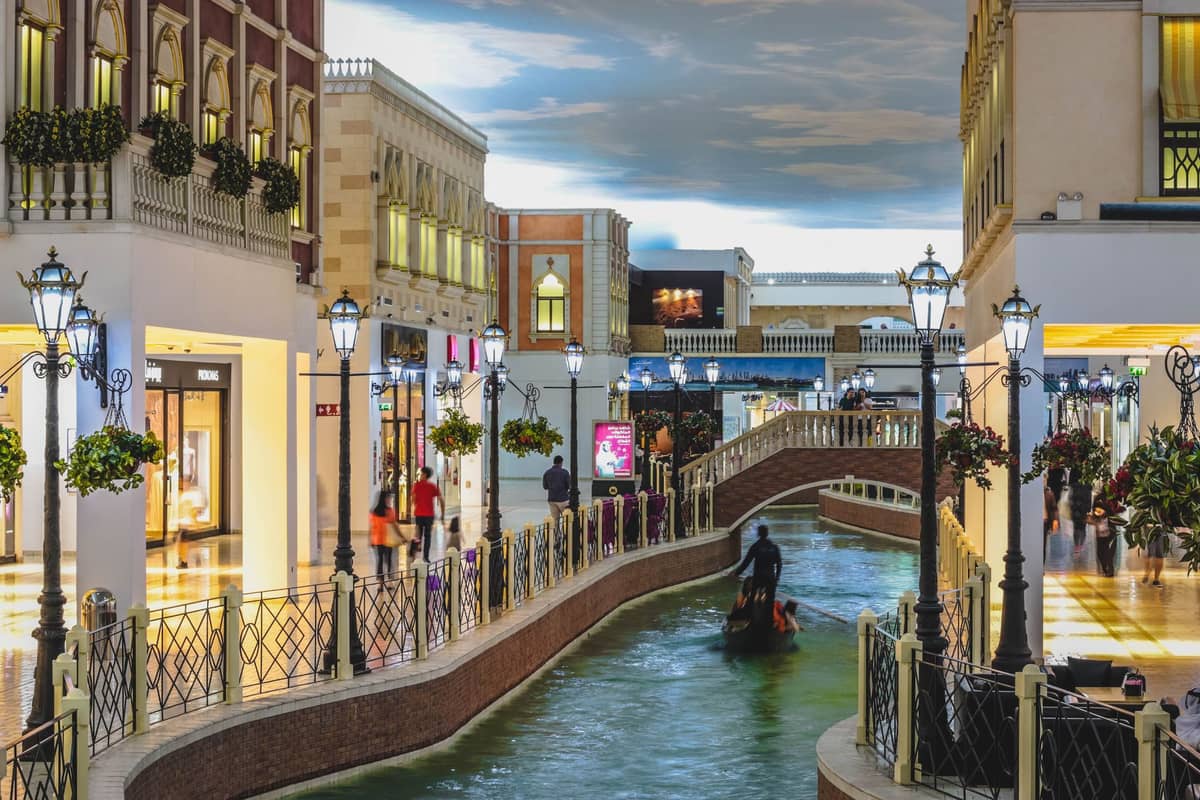
Doha's shopping landscape has two distinct layers that rarely overlap. The first is a network of polished, temperature-controlled malls that would look at home in Dubai or Singapore, stocking everything from H&M to Hermès. The second is a cluster of traditional markets, most notably Souq Waqif, where the architecture is older, the atmosphere is thicker, and the prices are negotiable. Understanding which layer serves your needs saves a lot of time.
The currency is the Qatari riyal (QAR), pegged to the US dollar at 3.64 QAR per USD. Major malls accept international credit cards universally. At souqs, smaller vendors often prefer cash, and having QAR on hand also gives you better leverage when bargaining. English is widely spoken in retail settings across the city, so language is rarely a barrier.
ℹ️ Good to know
Qatar does not observe daylight saving time (UTC+3 year-round). Mall hours listed here are local Qatar time. Friday is the Islamic holy day: expect a prayer-break closure around 11:00-12:30 at many retail venues, including major malls and souq shops.
The Major Malls: What's Worth Your Time
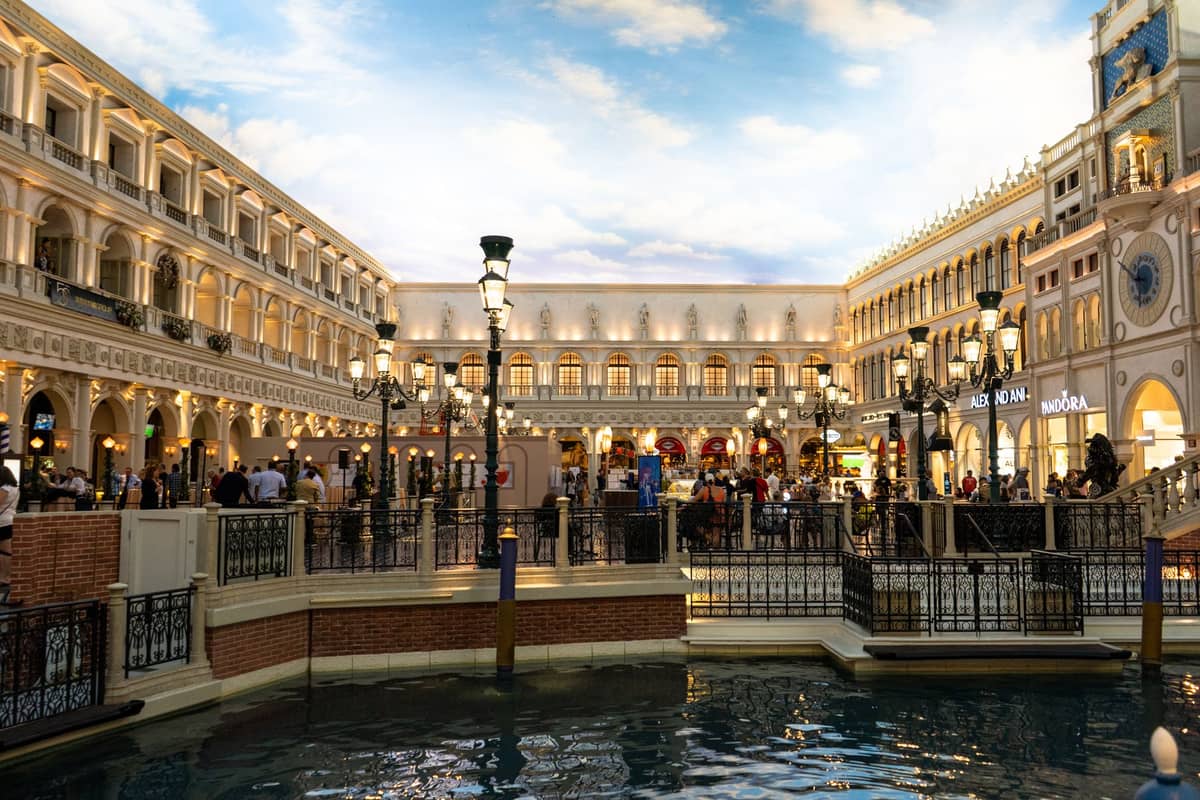
Doha's mall scene is large enough to be confusing. Here is an honest breakdown of the main options. Villaggio Mall in Al Waab is one of the most recognisable, styled after a Venetian canal town with gondola rides inside the atrium. It leans heavily toward mid-range international fashion and family entertainment. Hours typically run 10:00-22:00 Sunday-Wednesday and extend later on weekends.
Place Vendôme Mall in LusailPlace Vendôme Mall in Lusail is a newer, more upscale option modelled loosely on its Parisian namesake, with a stronger concentration of luxury and premium brands. It is worth the trip if you are specifically after high-end shopping or want to explore the Lusail development at the same time. Mall of Qatar in Al Rayyan is one of the city's largest by floor space, with hundreds of stores and extensive dining. Opening hours: Saturday-Wednesday 10:00-22:00, Thursday-Friday 10:00-00:00.
- Mall of Qatar (Al Rayyan) Largest mall in Qatar. Sat-Wed 10:00-22:00, Thu-Fri 10:00-00:00. Best for families, wide brand range from mass-market to premium.
- Doha Festival City (north of Doha) General hours 10:00-23:00, with Friday prayer closure approx. 11:00-12:30. Anchored by IKEA; strong for home goods, fashion, and international food chains.
- Place Vendôme Mall (Lusail) Luxury-leaning, architecturally dramatic. A natural pairing with a visit to Lusail City waterfront.
- Villaggio Mall (Al Waab) Mid-range international brands with entertainment anchors. The gondola ride is a novelty, not a serious attraction.
- Doha Mall (Abu Hamour) Mall daily 10:00-22:00; hypermarket 08:00-00:00. Good for everyday shopping and less tourist-heavy.
⚠️ What to skip
Most malls and many souq shops close for Friday prayer between roughly 11:00 and 12:30. If you arrive at a mall late Friday morning expecting it to be open, you will often find locked doors or a mostly empty interior until the prayer break ends. Plan accordingly and aim to arrive before 10:30 or after 13:00.
For electronics and homewares, Doha Festival City and the hypermarkets inside larger malls are the practical choice. Electronics pricing in Qatar is broadly comparable to other Gulf cities, though VAT was not applied in Qatar at time of writing (verify before publishing, as Gulf tax frameworks continue to evolve). Dedicated tech retailers stock regional-spec appliances, so always confirm voltage compatibility (Qatar runs on 240V, 50Hz, Type G British plugs) before buying appliances.
Souq Waqif and the Traditional Markets
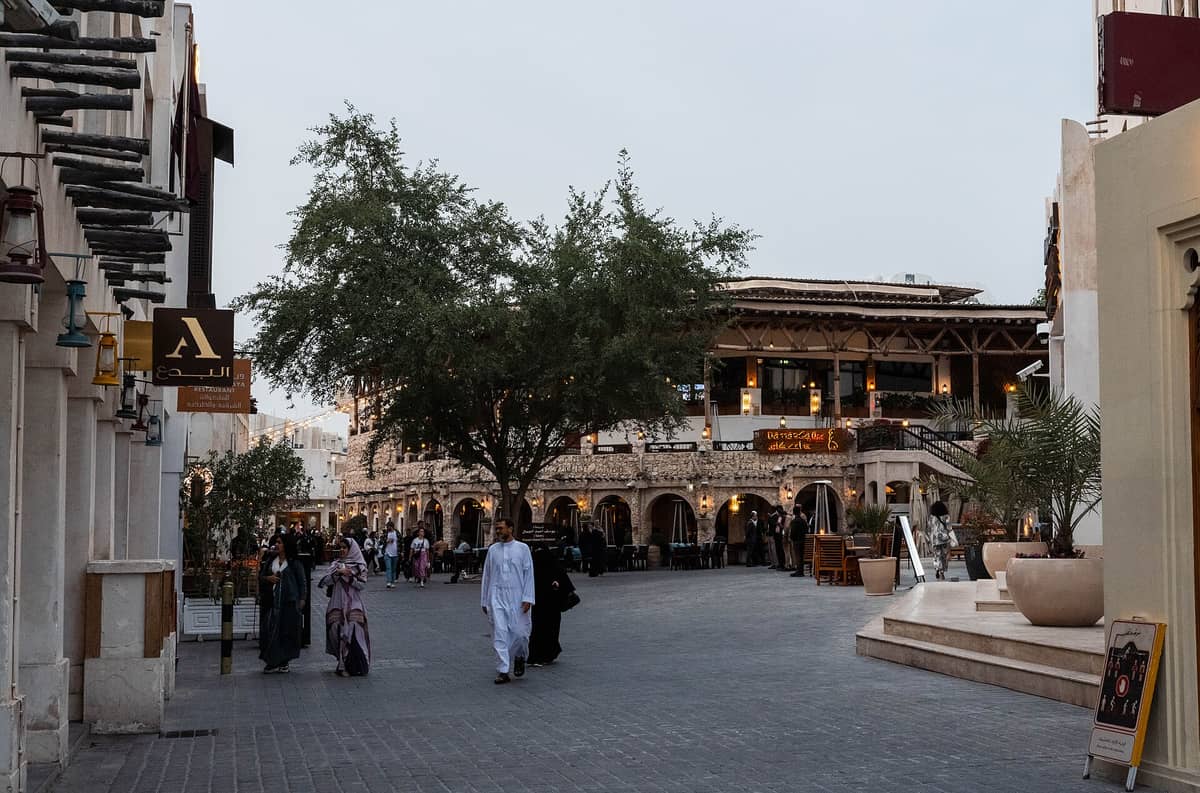
Souq Waqif is the centrepiece of traditional shopping in Doha and genuinely worth several hours of your time, though it has been heavily restored in the early 2000s rather than surviving entirely in its original state. The renovation preserved the architectural character while modernising infrastructure, so it looks authentically old but functions as a well-managed commercial district. The result is more polished than, say, a bazaar in Tehran or Istanbul, but the atmosphere is real and the goods are largely genuine.
Typical hours for Souq Waqif shops run Saturday-Thursday roughly 09:00-13:00 and 16:00-22:00, and Friday 16:00-22:00. In practice, many individual shops close in the early afternoon (roughly 12:00-16:00) and reopen in the evening, particularly during hotter months. The souq is at its most lively after sunset, especially in winter, when locals fill the lanes and the restaurants spill onto outdoor terraces. If you visit during a summer afternoon, you will find it notably quieter and some shops shuttered.
Within the wider souq district, do not miss the Falcon Souq, immediately adjacent. Even if you have zero interest in purchasing a falcon (prices run into tens of thousands of QAR for prized birds), it is an extraordinarily specific slice of Qatari culture. The Gold Souq is also nearby, with a concentrated strip of jewellers selling 18K and 21K gold pieces at prices that are set by daily gold rates plus making charges. Bargaining on making charges is normal; the gold itself is priced close to market rate.
✨ Pro tip
At Souq Waqif, prices on spices, textiles, and handicrafts are generally negotiable, but perfume and oud vendors often have softer fixed prices. A useful tactic: ask for a price, express mild hesitation, and suggest 15-20% less. Most vendors will meet somewhere in the middle. Do not haggle aggressively on low-value items — it creates bad feeling and rarely saves significant money.
What to Buy: The Genuinely Worth-It List
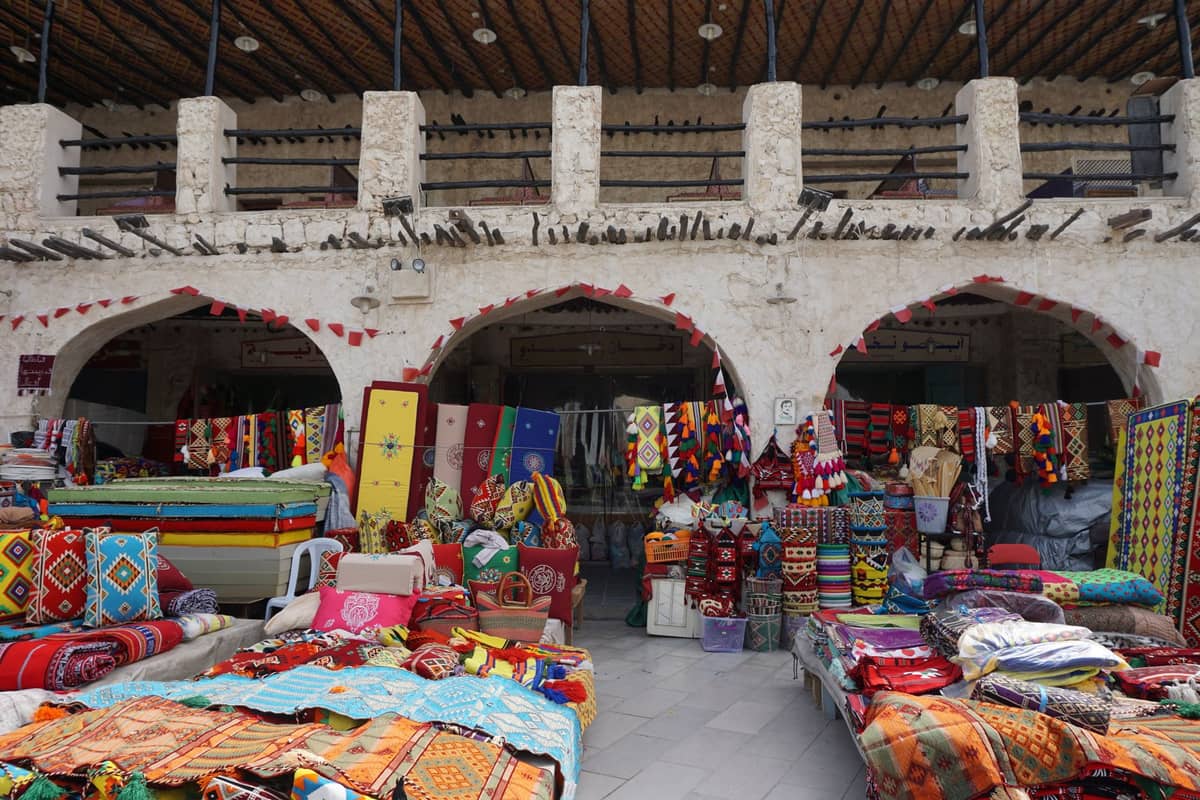
Not everything sold in Doha's souqs is worth buying, and the tourist-facing sections can stock cheap imported goods at inflated prices. Here is where to focus your money.
- Oud perfume and incense Qatar and the Gulf region have a deep perfume culture. Oud (agarwood resin) is the cornerstone — quality ranges from affordable blended versions to pure oud oil costing hundreds of QAR per tola. Al Oud and similar specialist shops in Souq Waqif are the right place to start. Buy what you smell, not what's being pushed.
- Saffron and Arabic spice blends Iranian and Kashmiri saffron is sold at competitive prices compared to Western markets. Look for deep red threads with minimal yellow — yellow indicates lower-grade stigma. Expect to pay around QAR 30-60 for a small packet, though prices vary by origin and quality.
- Woven textiles and shawls Pashmina blends, silk scarves, and embroidered fabrics are widely available. Authenticity varies; if a vendor claims 100% pashmina at a suspiciously low price, it almost certainly isn't. Budget QAR 80-200 for mid-quality scarves.
- Arabic coffee (qahwa) and cardamom Pre-ground qahwa blends with cardamom, saffron, and clove make excellent, practical souvenirs. Sold in attractive packaging at souqs and better supermarkets.
- Dallah (Arabic coffee pots) and decorative brassware Functional and decorative, these are produced regionally and make distinctive gifts. Quality and weight vary significantly; heavier brass pieces are generally more durable.
On the subject of luxury goods: Doha's malls stock the full range of European luxury brands, but pricing is broadly similar to Europe and other Gulf cities. You will not find significant duty-free arbitrage on handbags or watches compared to, say, buying in Paris. The main advantage is access to regional exclusives and Gulf-edition products not sold elsewhere.
Shopping at The Pearl and Katara
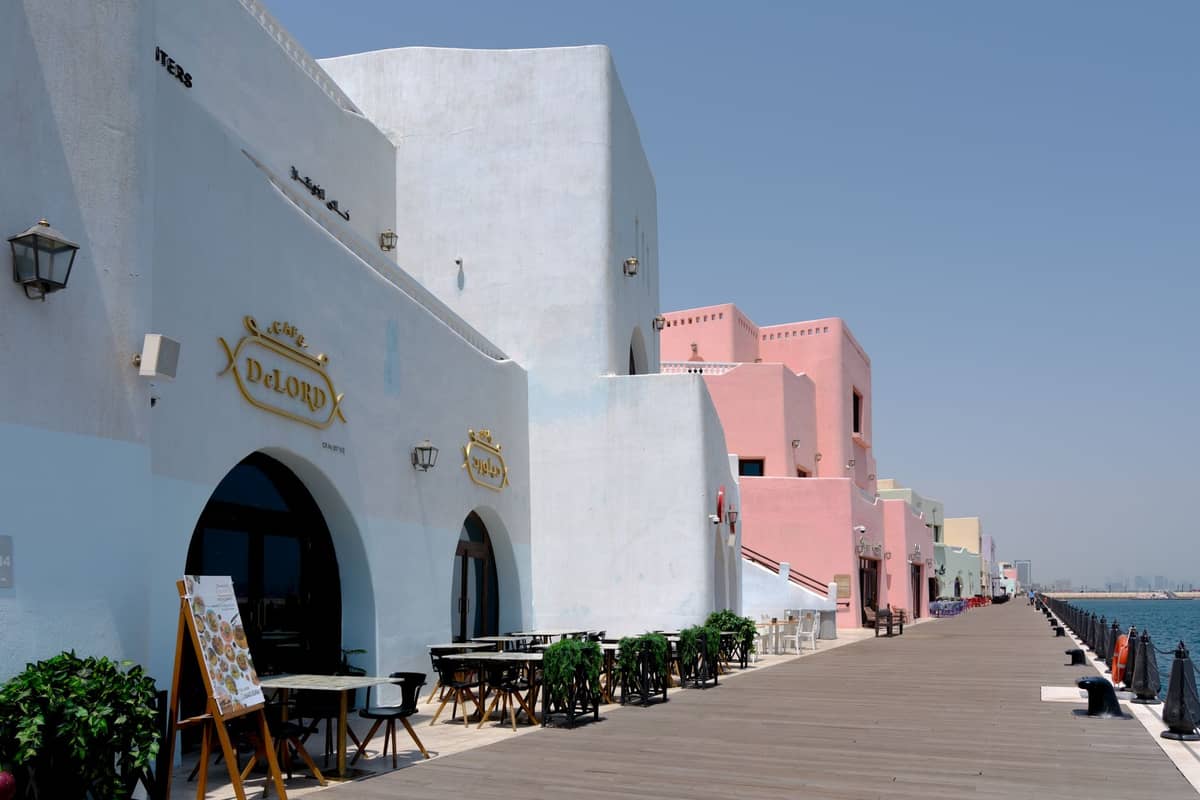
The Pearl-Qatar is a man-made island development off West Bay with a retail mix skewing toward premium and lifestyle brands. Porto Arabia and Qanat Quartier within The Pearl offer waterfront boutiques, independent restaurants, and some gallery-style shops. The atmosphere is pleasant for a stroll, but the retail is not substantially different from what you find in malls. It is more destination than shopping destination, if that makes sense.
Katara Cultural Village is less about commercial shopping and more about craft, art, and cultural goods. The Katara area hosts regular artisan markets and pop-up exhibitions, particularly during winter months and cultural festivals. If you are after locally made art, photography prints, or craft pieces, checking the Katara events calendar is worthwhile. Prices here tend to be fixed and on the higher side, reflecting the cultural positioning.
Practical Tips: Hours, Seasons, and What to Watch Out For
Summer shopping in Doha (May through September) is entirely viable but entirely indoor. When temperatures regularly exceed 40°C and humidity along the coast spikes, malls become central social venues and are noticeably more crowded in the evenings and on weekends. Ironically, summer can be a good time to shop in malls because retailers run aggressive promotional sales during the slow tourist season.
Ramadan timing shifts the entire retail rhythm. Most malls operate a split schedule: closing or running skeleton operations during the day, then opening fully from around 20:00 until after midnight or even 2am. The post-iftar window is peak shopping time and the atmosphere is festive but crowded. If you are in Doha during Ramadan, embrace the evening schedule rather than fighting it. Check individual mall websites in the weeks before your trip as Ramadan hours are published close to the month and change year to year.
💡 Local tip
Doha's winter months (November through March) are the best time to visit for outdoor souq shopping. Temperatures drop to a comfortable 18-26°C during the day, the evenings are genuinely pleasant, and Souq Waqif fills with locals after dark. If you are combining shopping with sightseeing, the cool season makes the whole experience far more enjoyable. See our guide to the best time to visit Doha for the full picture.
One misconception worth addressing directly: Doha is not exclusively luxury shopping. While high-end brands are well represented at Place Vendôme and parts of Mall of Qatar, the city also has hypermarkets, mid-range chains, and negotiable souq prices that cater to all budgets. Check the budget Doha guide for specific strategies on keeping costs down. Dress code norms apply in public shopping areas: avoid excessively revealing clothing in souqs and traditional markets. Major malls are more relaxed, but dressing modestly is still advisable and respectful.
FAQ
What is the best souq to visit in Doha?
Souq Waqif is the most complete traditional market experience in Doha, covering spices, perfumes, textiles, falcons, and gold. It is best visited after 4pm to avoid midday closures, and the atmosphere peaks in the evening, especially in winter months.
Are prices fixed in Doha malls and souqs?
In malls, prices are fixed. In traditional souqs like Souq Waqif, most vendors expect some negotiation on items like spices, textiles, and handicrafts. Perfume shops and gold sellers tend to have softer fixed prices, but you can often negotiate on making charges for gold jewellery.
What are the shopping hours in Doha?
Major malls typically open 10:00-22:00 Sunday-Wednesday, extending to midnight or later on Thursdays and Fridays. Most venues close for Friday prayer approximately 11:00-12:30. Souq Waqif officially opens Saturday-Thursday 10:00-22:00 and Friday 16:00-22:00, but individual shops often close midday and reopen in the evening. Hours shift significantly during Ramadan.
What should I buy in Doha as a souvenir?
The most worthwhile purchases are oud perfume and incense, high-quality saffron, Arabic qahwa spice blends, hand-woven scarves, and traditional brassware like dallah coffee pots. These are genuinely regional products at competitive prices compared to Western markets.
Is shopping in Doha expensive?
It depends on where you shop. Luxury malls stock global high-end brands at prices similar to Europe. However, traditional souqs offer negotiable prices on local goods, and hypermarkets inside major malls provide everyday shopping at moderate prices. Doha is not a budget destination, but it is not exclusively expensive either.