Marrakech Souks & Shopping Guide: How to Navigate the Medina Markets
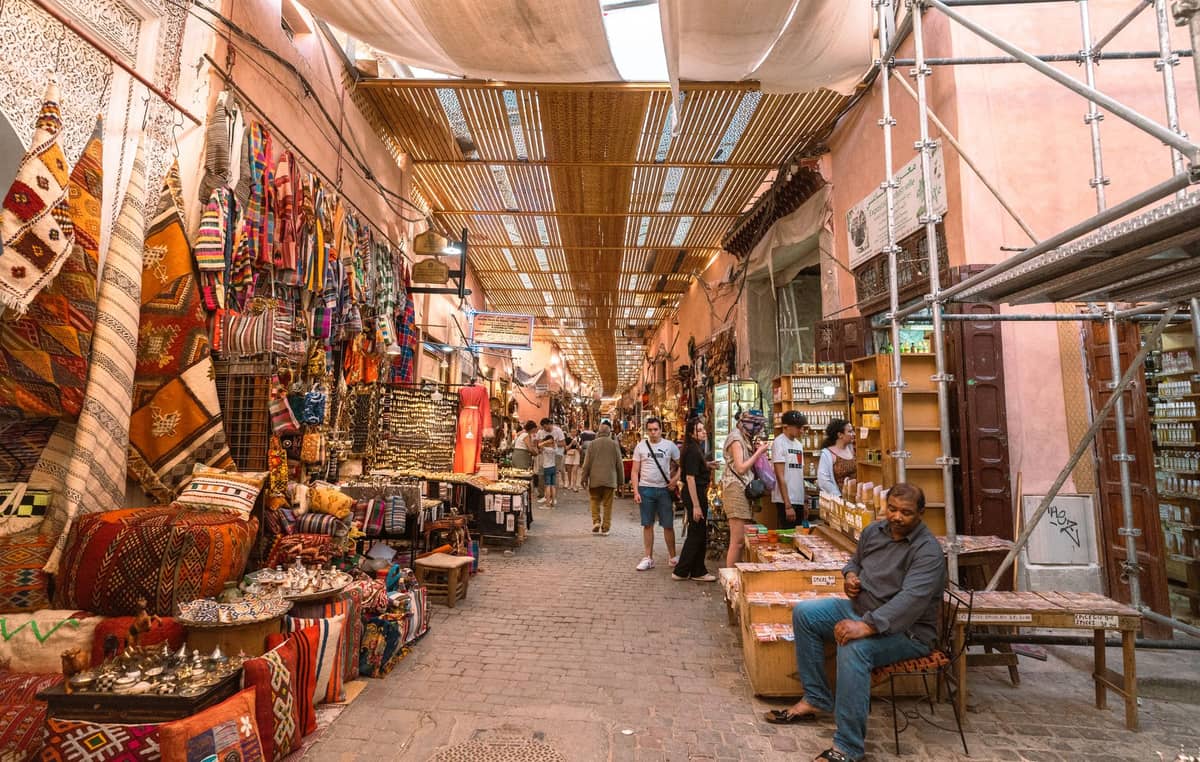
The medina's souks are the commercial heart of Marrakech, a labyrinth of specialized markets selling everything from hand-tooled leather to raw saffron. This guide breaks down which souks to visit, when to go, how to haggle, and what to watch out for so you spend your time and money well.
Tickets & tours
Live prices and dates from our booking partner. If you book, we may earn a commission at no extra cost to you.
TL;DR
- Souks generally open 09:00–20:00; arrive before 10:30 or after 16:30 to avoid peak crowds.
- Bargaining is expected in traditional souks. Initial prices can be two to three times the real market value.
- Fridays see reduced morning hours due to prayers. Ramadan shifts schedules significantly.
- The Marrakech souks are organized by trade, with distinct sections for leather, spices, textiles, and metalwork.
- For fixed-price shopping, Carré Eden and Menara Mall are reliable modern alternatives to the medina.
How the Souks Are Organized
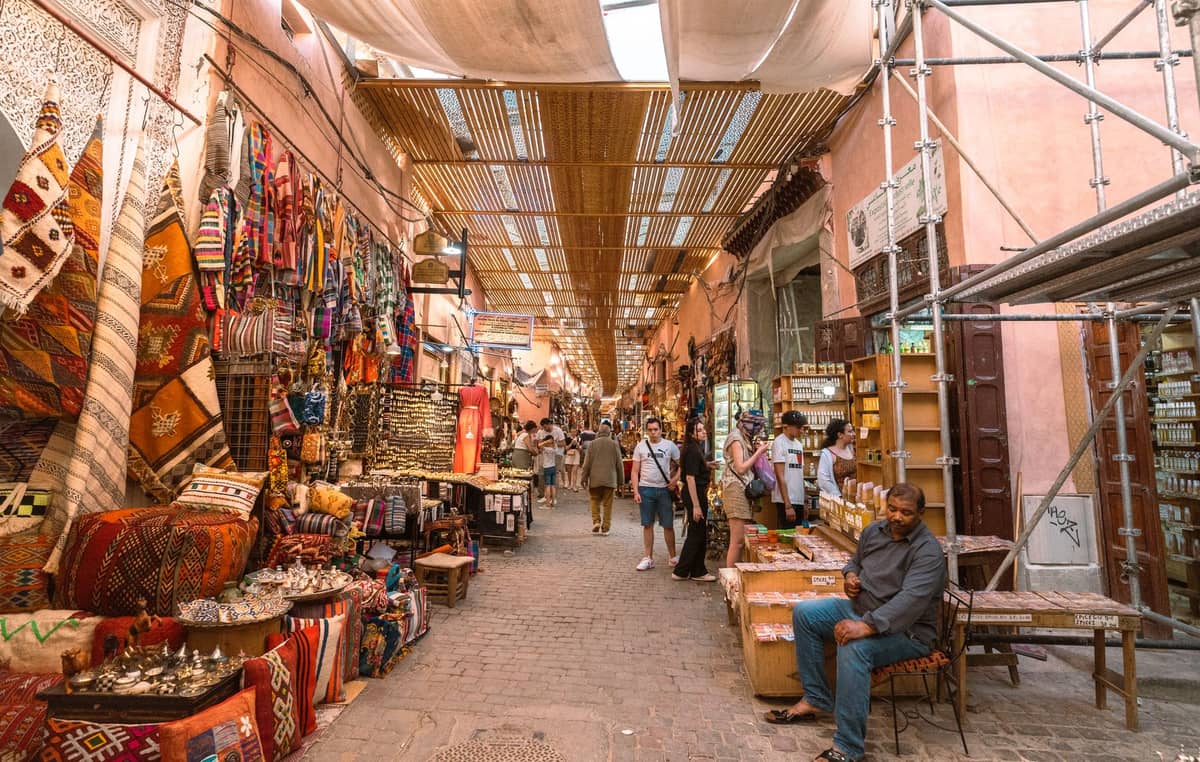
The souks of Marrakech are not a single market but a network of specialized trade streets radiating north from Jemaa el-Fna. The main artery, Souk Semmarine, leads into Souk El Kebir before branching into individual craft districts. Each souk historically served one trade, and that structure survives today, though tourist goods have crept into almost every corner.
- Souk Semmarine The widest, most accessible entrance souk. Sells textiles, djellabas, and souvenirs. Heavily touristic but useful for orientation.
- Souk El Attarine The spice and perfume souk near the Ben Youssef Madrasa. Look for cumin, rose water, argan oil, and dried herbs sold by weight.
- Souk des Teinturiers (Dyers' Souk) The dye souk, where skeins of wool hang in vivid colors above the lane. Best seen in the morning when dyeing is active.
- Souk Haddadine The blacksmiths' quarter. Lanterns, wrought-iron furniture, and decorative metalwork are made and sold here.
- Souk Cherratin Leather goods souk with bags, belts, and sandals (babouches). Separate from the tanneries but closely related.
- Souk des Tapis The carpet and rug souk. Berber rugs, kilims, and Beni Ourain-style pile rugs. Expect high-pressure sales tactics here more than anywhere else.
The Souk des Teinturiers is one of the few areas where production still happens on-site. If you arrive before 11:00, you can watch wool being dyed in large vats in the open courtyards. This is genuine craft, not performance, and the morning light is better for photos.
Opening Hours and When to Go
Most souk shops operate roughly 09:00 to 20:00, with Souk Semmarine and Souk El Kebir sometimes staying open until 20:30. Stalls near Jemaa el-Fna can trade later on warm summer evenings. These are not 24-hour markets, and arriving after 20:30 expecting full activity will leave you disappointed.
The two quietest windows are 08:30 to 10:30, when shops are opening and tour groups have not yet arrived, and 16:30 to 18:30, after the midday and early afternoon rush fades. Late morning on weekends is the single worst time to navigate the main arteries: crowds peak, prices rise with confidence, and the narrow lanes near Souk El Kebir become genuinely difficult to move through.
⚠️ What to skip
Friday mornings are different. Many shops open late or close between 12:00 and 15:00 for communal prayers, then reopen for the afternoon. 'Everything is closed on Fridays' is a myth, but Friday morning is a genuinely poor time to shop. Plan your main souk visit for a Thursday, Saturday, or early weekday.
During Ramadan, opening hours shift dramatically. Many shops stay closed through the day and trade actively from evening into the early hours. The atmosphere changes completely: the medina is quieter during daylight and intensely social after iftar. If you are visiting during Ramadan, plan shopping evenings rather than mornings. For a full picture of how the city changes during this period, the dedicated guide covers what to expect day by day.
Haggling in the Souks: A Practical Approach
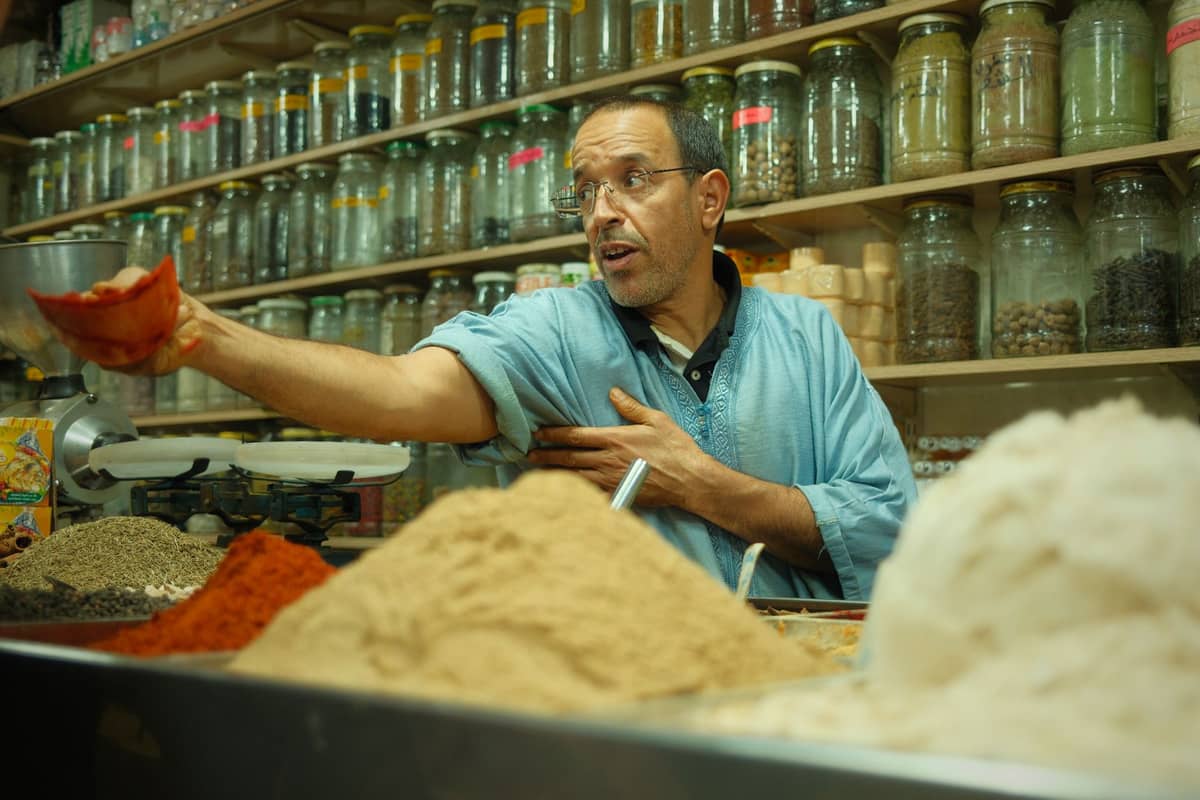
In the traditional souks, bargaining is not optional. It is the pricing mechanism. Vendors quote initial prices that can be two to three times what they will accept, particularly for leather goods, carpets, and silver jewelry. Accepting the first price is not generous, it simply sets a new floor for the next visitor and confirms that the quoted price was reasonable.
- Start by asking the price without showing enthusiasm. A flat expression communicates that you are comparing, not deciding.
- Counter at roughly 40-50% of the initial quote for most goods. This is not insulting; it opens a negotiation.
- Walking away, genuinely or as a tactic, often produces the best price. If a vendor lets you leave, their limit has been reached.
- Agree on price before handling the item. Once you are holding a carpet that has been unrolled for ten minutes, the social pressure to buy increases significantly.
- Avoid shopping with a 'guide' you did not hire yourself. Any local who approaches and offers to show you around is likely earning commission from shops they take you to, and prices in those shops reflect it.
- Cash in Moroccan dirhams is standard. Some larger shops accept cards, but having small bills avoids change disputes.
✨ Pro tip
The best benchmark for carpet prices is to visit two or three shops before committing. Prices for a mid-sized Beni Ourain-style rug vary enormously across the souks. The souk des tapis vendors are experienced in reading visitor interest, so casual browsing without asking prices first gives you an accurate sense of the range before you negotiate seriously.
What to Buy and Where
Leather is among the most iconic purchases in Marrakech. The leather tanneries sit in the northern medina, and shops surrounding them sell bags, belts, and poufs directly. Quality varies enormously. Vegetable-tanned leather is more expensive but more durable than chrome-tanned versions; ask specifically which method was used. The smell at the tanneries is strong. Shops above often provide sprigs of mint to hold under your nose.
Argan oil, sold throughout the medina and in Souk El Attarine, is one of the few products worth buying in Marrakech if you know what to look for. Pure, cold-pressed culinary argan oil is nutty and dark. Cosmetic argan oil is lighter. Avoid the 'argan oil cooperatives' aggressively promoted by unofficial guides near the medina entrances; many sell diluted product at inflated prices. Reputable sellers will provide ingredient information and let you smell the oil before buying.
For home textiles and decorative items with more considered design, the Sidi Ghanem design district in the industrial zone northwest of the medina is worth the 20-minute taxi ride. It hosts Moroccan designers and boutiques with fixed prices, better quality control, and considerably less pressure than the souks. This is where interior designers source for renovation projects, which tells you something about the caliber of goods.
- Spices Buy from Souk El Attarine. Cumin, ras el hanout, saffron, and dried rose petals are good value. Pre-packaged blends from tourist stalls are mostly fillers; buy from shops that sell by weight.
- Ceramics Fassi pottery (blue and white from Fes) is common, but locally made Marrakchi pottery is earthier in tone. Avoid anything with rough edges inside bowls, which can indicate low-fired, food-unsafe glazes.
- Babouches (leather slippers) Classic Moroccan souvenir and genuinely useful. Souk Cherratin has the widest selection. Men's and women's styles differ in shape. Budget around 80–150 MAD for a decent pair after negotiation.
- Lanterns Metal and glass lanterns from Souk Haddadine are among the better craft purchases. They pack flat or can be shipped. Prices range from 50 MAD for small brass pieces to several hundred for large hand-pierced designs.
- Carpets and rugs High investment, high variability. Beni Ourain pile rugs are the most internationally recognized Moroccan rug style. A genuine hand-knotted medium rug starts at several thousand MAD. Machine-made versions exist and are often presented as handmade.
Scams, Tourist Traps, and the Tourist Police
The most common issue visitors encounter is not outright theft but redirection. Someone approaches with friendly advice: 'That souk is closed today', 'There is a festival that way', or 'I'll take you to my cousin's shop, no obligation'. Every one of these scenarios ends in a commission shop where prices are 30–50% higher than the souk average. The solution is simple: ignore unsolicited navigation advice entirely, and if you need directions, ask a shopkeeper who is already serving customers.
Henna artists near Jemaa el-Fna, typically women who approach female tourists, often apply designs without agreeing a price first, then demand large sums (400–600 MAD is reported frequently). If you want henna, agree on the design, the size, and the price before they touch your hand. The same applies to snake charmers and musicians: once you engage, you will be expected to pay.
⚠️ What to skip
If you are harassed or feel unsafe, the Brigade Touristique (tourist police) actively patrols Jemaa el-Fna and the main medina entrances. You can reach police at 19 or 112 from a mobile phone. Filing a complaint is straightforward and the tourist police do act on reports, particularly around Jemaa el-Fna.
Fixed-Price Shopping: Malls and Concept Stores
Not everyone wants to negotiate for every purchase, and that is a legitimate preference. Gueliz, the modern district west of the medina, has several options where prices are posted and the atmosphere is closer to a European shopping street. Avenue Mohammed V is the main commercial spine, with pharmacies, clothing stores, and cafés.
Carré Eden and Menara Mall are the two main modern shopping centers. Both carry international brands, supermarkets with packaged Moroccan food products, and some domestic retailers. Menara Mall, near the Menara Gardens, is larger and includes a cinema and food court. Neither will give you the craft-market experience, but both are useful if you need specific goods or want air-conditioned browsing after a morning in the medina.
For a middle ground between souk and mall, several design boutiques in the medina sell fixed-price Moroccan crafts with better quality curation. The area around the Mouassine quarter has a concentration of these, with stores selling textiles, ceramics, and home goods at transparent prices. They cost more than haggled souk prices but less than equivalent goods exported to European boutiques.
💡 Local tip
If you are buying spices to take home, pre-packaged spice sets from fixed-price concept stores are more consistent in quality and easier to get through customs than loose goods. They cost more per gram but save the negotiation and measurement uncertainty of the spice souk.
Practical Logistics for Shopping in the Medina
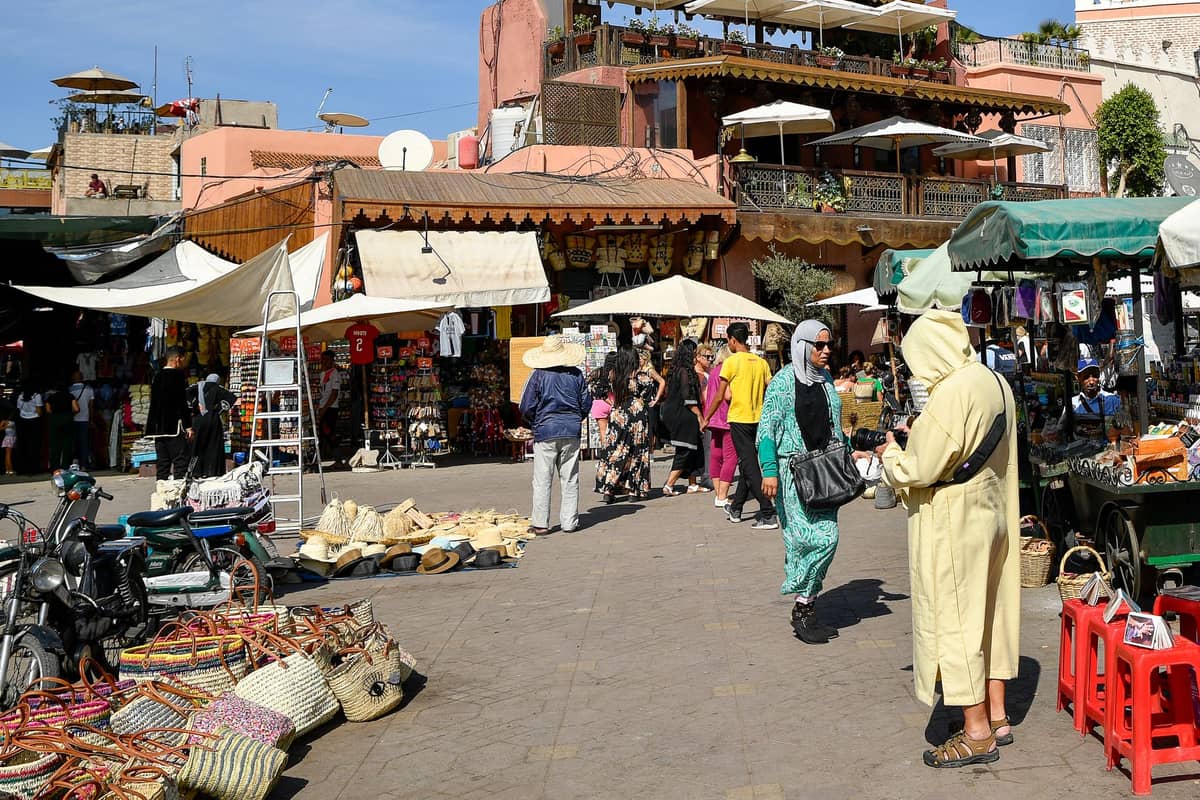
The medina's narrow lanes are not navigable by car. Most visitors approach the souks on foot from Jemaa el-Fna or from the medina gates. Getting oriented is genuinely difficult the first time. A useful approach is to follow Souk Semmarine north from the square until you reach the fork at Souk El Kebir, then explore the side alleys from that central spine. The Marrakech walking tour guide covers a practical route that threads through the main souk sections without requiring constant navigation.
Wear comfortable, closed shoes. The lanes are uneven and often damp from vegetable washing and tanning runoff near the leather quarter. A small day bag worn across the body is practical; avoid large backpacks in crowded lanes. Dirhams are the working currency of the souks. Most ATMs are located outside the medina gates near Jemaa el-Fna or in Gueliz. Withdraw before entering the medina rather than searching for a cash machine mid-souk.
If you are staying in the medina, most riads can arrange for larger purchases to be collected or delivered. Carpet and furniture shops routinely ship internationally and can handle customs paperwork. For context on what staying inside the medina entails, the guide to staying in a riad covers location trade-offs and proximity to the main souk areas.
FAQ
What time do the Marrakech souks open and close?
Most souk shops operate from around 09:00 to 20:00, with some main arteries staying open until 20:30. Stalls near Jemaa el-Fna may trade later in summer. The souks are not open overnight.
Is bargaining really necessary in Marrakech souks?
Yes, in the traditional medina souks it is. Initial prices for tourist-facing goods are often two to three times the accepted sale price. Fixed pricing exists in malls and some concept stores, but the craft souks remain negotiation-based.
Are the Marrakech souks closed on Fridays?
Not entirely. Many shops open late or close between 12:00 and 15:00 for Friday prayers, then reopen for the afternoon and evening. Friday morning is the worst time to visit. Afternoons from 15:00 onward are usually fine.
What is the best souk to visit in Marrakech for first-time visitors?
Start with Souk Semmarine for orientation, then walk north into Souk El Kebir and branch off toward Souk El Attarine for spices or Souk Haddadine for metalwork. The Souk des Teinturiers is worth finding for the visual experience of the dyers' vats, best before 11:00.
How do I avoid scams in the Marrakech souks?
Ignore unsolicited 'guides' who approach with redirection stories. Agree prices for henna or photographs before they begin. Avoid shops you are taken to by someone you did not hire. If a situation escalates, the Brigade Touristique (tourist police) patrols Jemaa el-Fna and can be reached at 19 or 112.
Tickets & tours
Live prices and dates from our booking partner. If you book, we may earn a commission at no extra cost to you.
Planning a trip? Discover personalized activities with the Nomado app.