Dubai Airport Guide: Terminals, Transfers & Getting Into the City
Dubai International Airport (DXB) is one of the world's busiest hubs, and navigating it confidently requires knowing which terminal your airline uses, how transfers actually work between them, and which transport option gets you into the city without overpaying. This guide covers all of it.
TL;DR
- Dubai Airport (IATA: DXB) has three terminals: T1 for most international airlines, T2 for flydubai and budget carriers, and T3 exclusively for Emirates.
- T1 and T3 are connected airside and share a metro station on the Red Line. T2 has no metro access and requires a bus or taxi.
- The Dubai Metro Red Line is the cheapest and most reliable way into the city (AED 3-7.50 per trip). For full transport options, see our guide to getting around Dubai.
- Airport taxis to central Dubai cost roughly AED 50-90 and take 15-40 minutes depending on traffic. Ride-hailing apps Careem and Uber are also available.
- T2 transfers to T1 or T3 often require a landside connection, which means clearing immigration. Factor this in if you have a connecting flight through T2.
Dubai Airport at a Glance
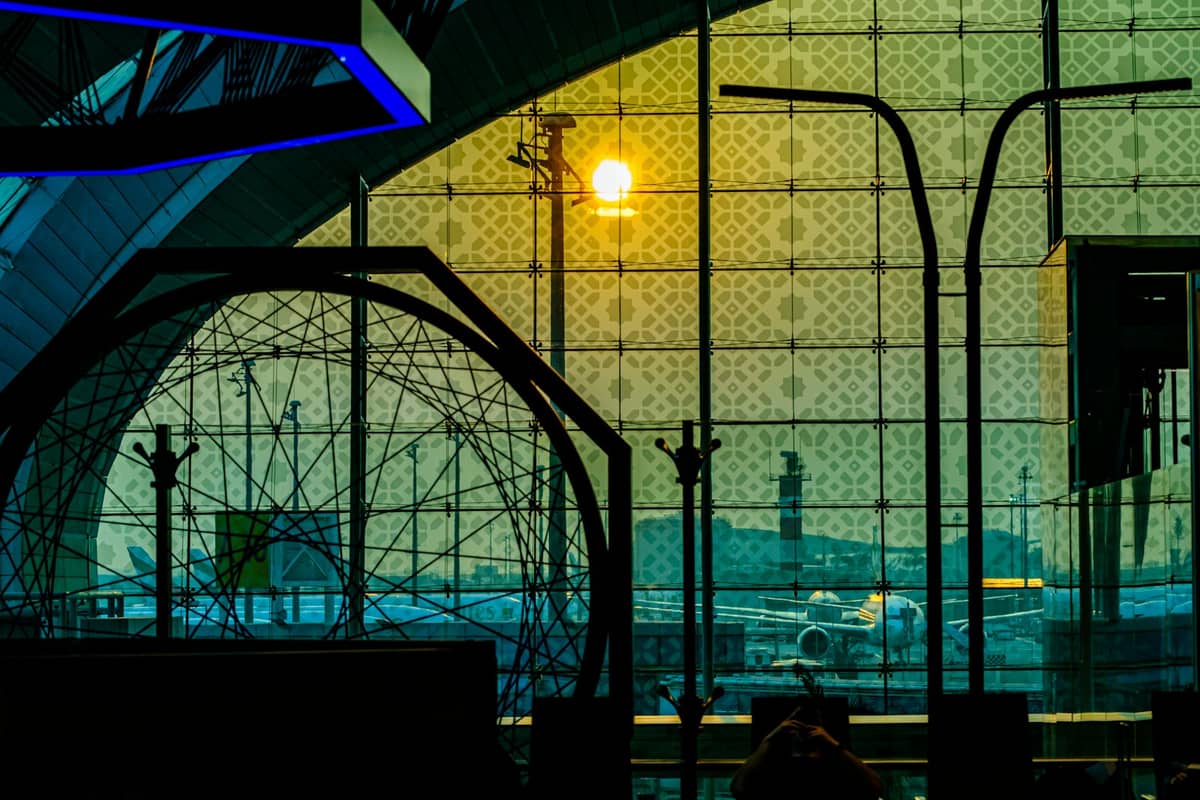
Dubai International Airport (DXB) sits approximately 15 km northeast of Downtown Dubai, placing it closer to the historic Deira and Bur Dubai districts and significantly further from the newer waterfront developments at Dubai Marina. The airport operates 24 hours a day, 365 days a year, and consistently ranks among the world's top three busiest international airports by passenger volume. The IATA code is DXB. The secondary airport, Al Maktoum International (DWC), handles some passenger traffic in the south of the emirate, but the overwhelming majority of commercial flights arrive and depart from DXB.
For most visitors, the airport is their first encounter with Dubai's infrastructure, and it sets reasonable expectations: signage is bilingual (Arabic and English), staff speak English throughout, and the Nol card system for public transport is straightforward once you know how it works. If you want broader context on what to expect when you arrive, our Dubai travel overview is a good starting point.
ℹ️ Good to know
Dubai operates on Gulf Standard Time (GST), UTC+4, with no daylight saving time. The UAE dirham (AED) is the official currency. Type G (British-style three-pin) power sockets are standard throughout the airport and the country, running at 230V/50Hz.
The Three Terminals: Which One Are You Using?
Getting confused about terminals at DXB is one of the most common mistakes travelers make, and it can cost you a connection. The three terminals are not just different gates in the same building: they serve different airlines, sit in different parts of the airport, and have different connectivity to the city's public transport network.
- Terminal 1 (Concourse D) Serves over 60 international carriers including British Airways, Lufthansa, Air France, Qatar Airways, and most non-Emirates airlines. This is the default terminal for the majority of international travelers not flying Emirates or flydubai. It has direct metro access via the Airport Terminal 1 station on the Red Line.
- Terminal 2 Primarily used by flydubai and a selection of regional and budget carriers. Located on the opposite side of the runway from T1 and T3, roughly 7 km away. There is no metro station at T2. Your only options for reaching the city or transferring to another terminal are taxi, private transfer, or RTA bus. Factor this into your travel time, especially during peak hours.
- Terminal 3 (Concourses A, B, C) Dedicated to Emirates flights, with some Qantas and partner services also operating here. It is one of the largest terminal complexes in the world by floor area. Terminal 3 has its own metro station (Airport Terminal 3) on the Red Line, one stop from T1.
T1 and T3 are connected airside via moving walkways and a free shuttle bus that runs approximately every 20 minutes. For most transit passengers connecting between flights in these two terminals, you will not need to clear UAE immigration, and the process typically takes 5-30 minutes depending on which concourses are involved. Transferring to or from T2 is a different story: in many cases you will need to exit airside, clear customs, and take a land transfer. Always confirm your itinerary with your airline before assuming you can make a T2 connection without a UAE visa or sufficient connection time.
⚠️ What to skip
If you have a connecting flight through Terminal 2, do not assume a standard 90-minute connection is sufficient. T2 transfers frequently require a landside journey and may involve UAE immigration depending on your nationality and ticket type. A minimum 3-hour connection is safer if T2 is involved.
Getting From Dubai Airport Into the City
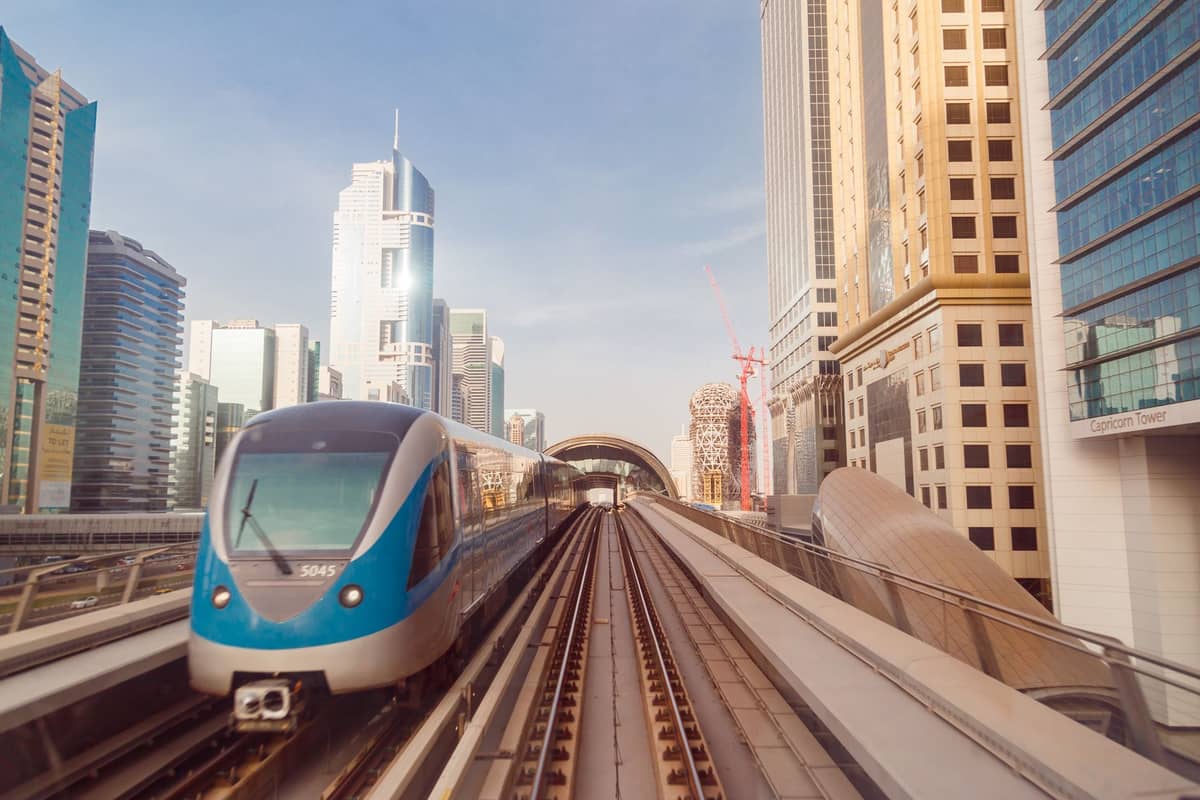
There are five practical ways to travel between DXB and central Dubai: the metro, RTA public bus, metered taxi, ride-hailing app, or pre-booked private transfer. The right choice depends on your budget, luggage, time of day, and which district you are heading to. Here is an honest breakdown of each.
- Dubai Metro Red Line (Recommended for most travelers) Serves T1 and T3 directly. Journey time to central stations like BurJuman or Union is approximately 25-35 minutes. Fares with a Silver Nol card are AED 3 (1 zone), AED 5 (2 zones), or AED 7.50 (3+ zones). The Nol card itself costs AED 25 with AED 19 preloaded credit. Single-use Red Tickets cost slightly more: AED 4, AED 6, and AED 8.50 for the same zones. The metro does not serve T2.
- RTA Public Bus Routes X22 and C13 are the most relevant airport lines: X22 connects T3 to Mall of the Emirates and Dubai Marina; C13 links T1 and T3 to Bur Dubai. Night bus N30 covers overnight hours when the metro is not running. Fares use the Nol card and cost around AED 3-8 depending on route. Journey times range from 40-60 minutes. Buses are air-conditioned but can be slow in traffic.
- Metered Taxi Available 24/7 from dedicated taxi ranks outside arrivals. Airport taxis apply a AED 25 airport surcharge on top of the meter. Total fares to Downtown Dubai typically run AED 50-90 depending on destination and traffic. Journey time is 15-40 minutes. Taxis are the best option if you have heavy luggage, arrive at T2, or are traveling to an area not well served by metro.
- Careem or Uber Both apps operate at DXB and can be requested from the arrivals area. Pricing is dynamic but typically runs AED 50-100 to central Dubai. During peak times or major events, surge pricing can push fares higher. Journey times mirror taxis at 15-40 minutes. The pickup process at large airports can sometimes involve walking to a designated rideshare area.
- Pre-booked Private Transfer Good for groups, business travelers, or anyone who wants a fixed price and a driver waiting at arrivals. Prices typically start around AED 90-150 for standard vehicles to central Dubai, rising to AED 150-250 or more for premium cars or further destinations like Dubai Marina. Book in advance through your hotel or a reputable transfer operator.
✨ Pro tip
Buy a Nol card at the airport even if you plan to primarily use taxis. The card works on all RTA metro, bus, tram, and water bus services across Dubai, and having one eliminates the need to buy a separate ticket every time you use public transport during your stay. Top it up at any metro station.
Seasonal Timing and When to Allow Extra Time
DXB runs around the clock, but the experience of moving through it changes significantly by season and time of day. Dubai's peak tourist season runs from November through March, when temperatures sit between 24-31°C and outdoor walking between terminal zones or taxi ranks is comfortable. During these months, the airport is at its busiest, particularly during major events like the Dubai Shopping Festival or New Year's Eve.
Summer months (June through September) bring a different challenge: temperatures regularly exceed 40°C, making any outdoor exposure genuinely uncomfortable. The metro and air-conditioned airport buses are significantly more appealing during this period than waiting at an open taxi rank. If you are traveling in summer and arriving at T1 or T3, the metro is the single most practical choice for getting into the city. For more on when to visit, check the best time to visit Dubai breakdown.
Emirates operates large overnight "banking waves" where multiple long-haul flights arrive and depart within a compressed window, typically in the late evening and early morning hours. During these windows, T3 immigration queues and taxi ranks can become extremely congested. If you land at T3 between roughly 11pm and 2am, budget an extra 20-30 minutes for clearing the terminal before you even reach your transport option. The metro stops running around midnight on most days (with services extending later on Friday and some weekend nights), so late arrivals at T3 may face a choice between taxi, Careem, or the N30 night bus.
Airport Facilities Worth Knowing About
DXB is large enough that a few practical details are worth flagging before you arrive. Currency exchange is available airside and landside in all three terminals, though airport rates are rarely competitive with withdrawing from an ATM on arrival or exchanging in the city. ATMs dispensing UAE dirhams are located throughout all terminals. Free Wi-Fi is available across DXB after a simple registration process.
For longer layovers, particularly in T3, the transit hotel options and Emirates Lounge (for eligible passengers) are well-regarded. If you have 8 hours or more and a valid onward ticket, it is possible in many cases to exit into Dubai itself for a few hours, though this depends on your nationality and visa status. Dubai's visa rules follow UAE federal policy and change periodically, so verify your eligibility with your airline or the UAE immigration authority before assuming you can exit airside. If you do have time to explore, Deira and the historic Gold Souk are less than 15 minutes by taxi from the airport.
💡 Local tip
If you are on a tight budget, the free shuttle bus between T1 and T3 airside saves the cost of a metro fare for inter-terminal connections. It runs approximately every 20 minutes and deposits you within the secure zone, so in most cases you will not need to fully re-clear security again.
Common Misconceptions About Dubai Airport
A few persistent myths about DXB are worth addressing directly, because acting on them can lead to missed connections or unnecessary costs.
- "Emirates has its own separate airport." Emirates uses Terminal 3 at DXB, which is vast but remains part of Dubai International Airport. DXB is a multi-airline hub. Al Maktoum International (DWC) exists as a second airport but is not an Emirates hub for scheduled passenger flights.
- "The metro connects all three terminals." Only T1 and T3 have dedicated metro stations. T2 has no metro access. If you are at T2, you need a bus or taxi to reach the metro network.
- "Airside transfers are always possible between any two terminals." T1 to T3 transfers are clean and airside. T2 is frequently a landside connection, meaning you may need to go through UAE immigration. This matters if you do not have a UAE visa or if your connection time is short.
- "Taxis are always faster than the metro." During peak traffic hours, particularly in the evening rush (roughly 5pm-8pm), the metro is often faster than a taxi to Downtown Dubai or Bur Dubai. The metro runs on a fixed schedule unaffected by road congestion.
Once you clear the airport and get your bearings in the city, the range of things to do in Dubai is genuinely broad, from the iconic Burj Khalifa in Downtown Dubai to the old souks of Al Fahidi Fort in the historic district. If it is your first visit and time is limited, the 3-day Dubai itinerary is the most efficient starting point.
FAQ
What is the IATA airport code for Dubai Airport?
The IATA code for Dubai International Airport is DXB. The secondary airport, Al Maktoum International, uses the code DWC. When booking flights to Dubai, always confirm which airport your flight uses, as DWC is significantly further from the city centre.
Is Dubai Airport closed right now?
Dubai International Airport (DXB) operates 24 hours a day, 365 days a year and does not close under normal circumstances. In rare cases, extreme weather events such as heavy sandstorms or flooding (as occurred in April 2024) can cause temporary disruptions or flight diversions. For real-time status, check the Dubai Airports official website or your airline's app directly.
How do I get from Dubai Airport to Downtown Dubai?
The Dubai Metro Red Line is the fastest and cheapest option from T1 or T3: roughly 25-35 minutes to BurJuman or nearby central stations, costing AED 3-7.50 with a Nol card. A metered taxi takes 15-40 minutes depending on traffic and costs around AED 50-90 including the AED 25 airport surcharge. Careem and Uber are also available with similar pricing to taxis.
Which terminal does Emirates use at Dubai Airport?
Emirates exclusively uses Terminal 3 (Concourses A, B, and C) at Dubai International Airport. Terminal 3 has its own metro station on the Red Line (Airport Terminal 3) and is one of the largest terminal buildings in the world. Some partner flights, including select Qantas services, also operate from T3.
Can I transfer between Terminal 1 and Terminal 3 airside?
Yes. T1 and T3 are connected airside and you can transfer between them without clearing UAE immigration in most cases. Options include a free shuttle bus (approximately every 20 minutes), moving walkways with a 5-30 minute walk depending on your concourse, or a single metro stop between the two terminal stations; a brief security screening may occur when changing concourses. Terminal 2 is a different situation and often requires a landside transfer.