Doha Fish Market: What to Expect & How to Visit
The Doha Fish Market at Old Doha Port is one of the city's most authentic local experiences. This guide covers opening hours, what species to look for, how to negotiate, how to get there, and what to do with your catch once you have it.
TL;DR
- The Doha Fish Market is located at Old Doha Port (Mina District), roughly 15 minutes from the city centre by taxi or Karwa bus.
- General market hours are 9:00 AM to 6:00 PM daily, but individual vendors like QTR FISH operate 8:00 AM to 10:00 PM; Friday hours are shorter (from 2:00 PM), so plan around midday prayers.
- Early morning visits (before 9:00 AM) catch the freshest arrivals and the most active trading floor.
- Combine your visit with nearby Souq Waqif and the Dhow Harbour for a full half-day in historic Doha.
- No booking is required. Cash in Qatari riyals (QAR) is the most practical payment method at stalls.
What Is the Doha Fish Market?
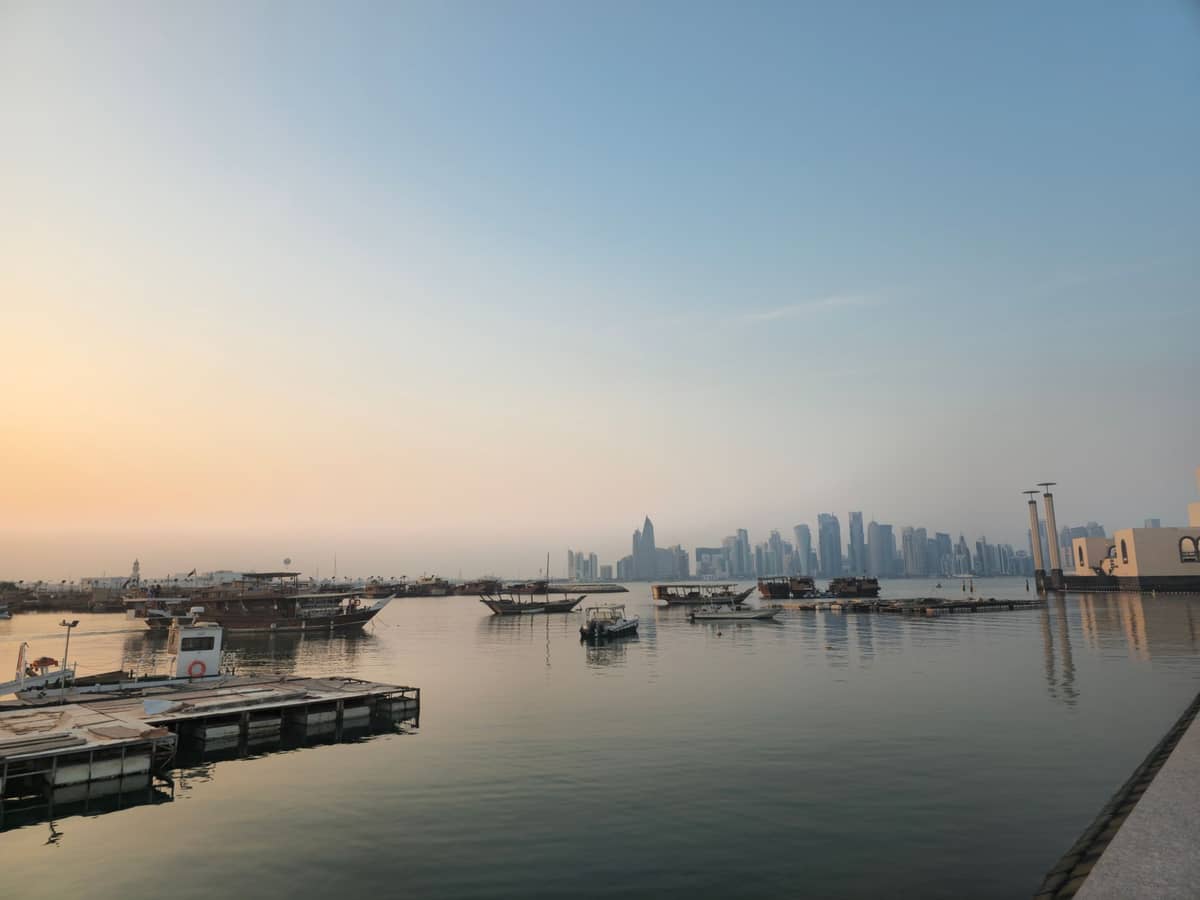
The Doha Fish Market sits inside the redeveloped Old Doha Port complex in the Mina District, the historic port area that predates Qatar's oil era. This is not a tourist attraction dressed up as a market: it is a working wholesale and retail seafood hub where Qatari households, hotel chefs, and restaurant buyers shop alongside visitors. The smell is genuine, the ice-covered displays are real, and the pace of trade is dictated by the morning catch, not by visiting hours.
Old Doha Port has undergone significant renovation as part of Qatar's broader investment in heritage-adjacent districts, but the fish market has retained its operational core. It sits near the Doha Corniche promenade, making it easy to combine with a waterfront walk. The port area also contains retail, dining, and cultural spaces, so there is genuine reason to spend more than just the time you need to buy fish.
ℹ️ Good to know
The term 'Doha Fish Market' refers loosely to the seafood section of Old Doha Port, but the complex contains different vendors with different hours. The general market page lists 9:00 AM to 6:00 PM, while specific vendors such as QTR FISH operate 8:00 AM to 10:00 PM. Check the Old Doha Port official site (odp.qa) before your visit, as Friday hours for some vendors shift to a 2:00 PM start.
What You Will Find at the Market
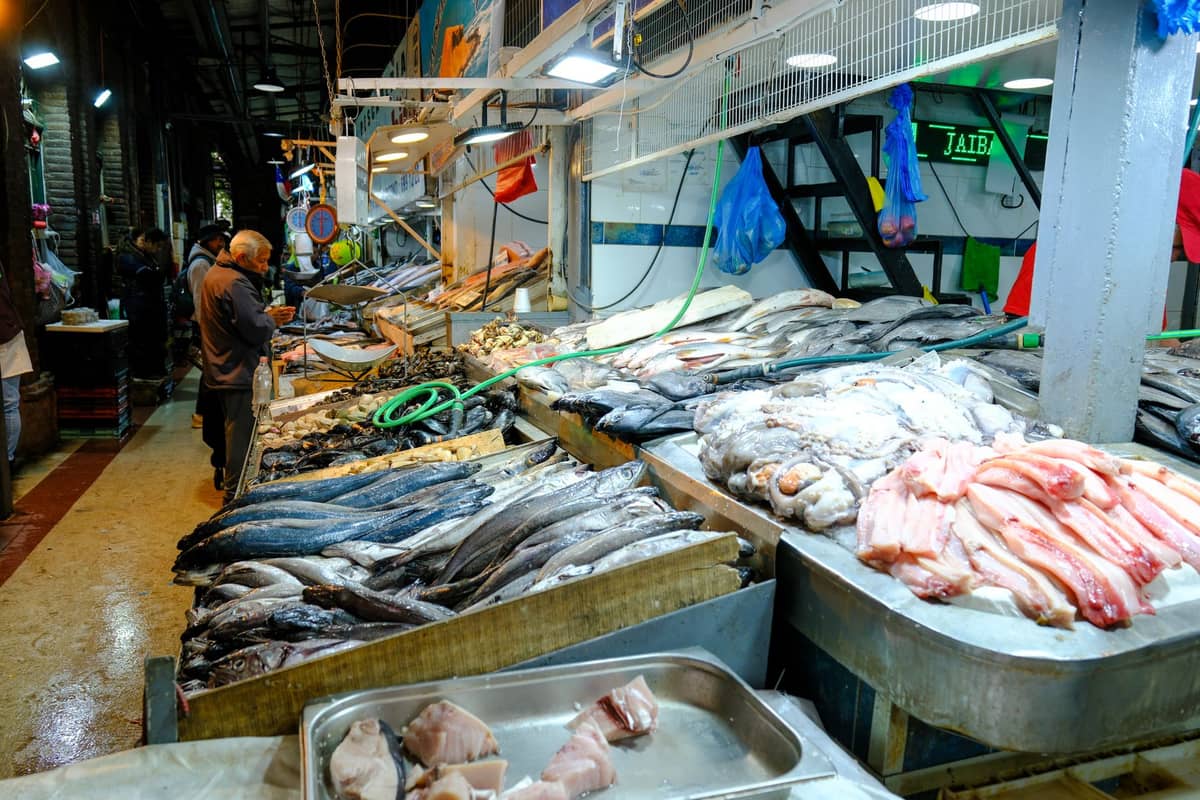
The Arabian Gulf and the surrounding waters of the Persian Gulf support a diverse catch, and the Doha Fish Market reflects that. Expect to see hammour (grouper), the most prized and widely eaten fish in Qatar, displayed prominently at most stalls. Safi (rabbitfish), shaari (emperor fish), and zubaidi (silver pomfret) are everyday staples on Qatari tables. You will also encounter larger pelagic species like kingfish (kanad), tuna, and barracuda, as well as cuttlefish, squid, and shrimp in various sizes.
Beyond whole fish, many vendors offer cleaning and filleting on the spot. If you purchase a whole hammour or kingfish, ask the vendor to clean it (gutted and scaled) or fillet it; this service is standard and typically included or costs a few riyals extra. For visitors staying in serviced apartments with kitchens, this makes the market genuinely practical rather than just photogenic.
- Hammour (Grouper) The prestige fish of Qatari cuisine. Firm white flesh, excellent grilled or baked. Often the most expensive option per kg.
- Zubaidi (Silver Pomfret) Flat, delicate fish, popular for frying. A local favourite at family gatherings.
- Kanad (Kingfish) Large, strong-flavoured pelagic fish. Good for grilling as steaks. Sold whole or in portions.
- Safi (Rabbitfish) Smaller, affordable, and widely eaten. A practical everyday buy for self-caterers.
- Shrimp and Prawns Available in multiple grades. Gulf shrimp are notably sweet; larger tiger prawns are also common.
- Cuttlefish and Squid Fresh and abundant, sold whole. Cheaper per kg than most fin fish and versatile in cooking.
💡 Local tip
If you want to understand freshness, look at the eyes (clear and bulging, not sunken or cloudy), check that the gills are bright red, and press the flesh lightly with a finger: it should spring back. These are the same checks Qatari shoppers use, and vendors here are used to customers examining fish closely before buying.
When to Go: Hours, Crowds, and Timing
Timing your visit matters more here than at most Doha attractions. The fish market is a working commercial space, and its energy peaks in the early morning when the overnight catch arrives and wholesale buyers are active. Between roughly 6:00 AM and 9:00 AM, the market floor is at its most atmospheric: vendors are still arranging displays, prices are being set, and the variety is at its maximum. If you arrive after 11:00 AM, some of the best fish will already be gone and remaining stock has been sitting in the heat for hours longer.
Friday is the most disruptive day logistically. Most vendors operate on a late-start Friday schedule, opening around 2:00 PM to accommodate midday prayers. If Friday is your only option, an afternoon visit still works but you lose the morning atmosphere. Thursday evenings can be lively if vendors operating extended hours (like QTR FISH, until 10:00 PM) are stocking up for the weekend.
Seasonality affects the catch, though the market operates year-round. Qatar's traditional fishing season runs roughly from October through May, aligning with cooler waters and more active fish populations. During summer (June to August), heat is intense and some species are less abundant, but the market remains open. Visiting between November and March gives you the double benefit of a good catch season and comfortable outdoor temperatures, which matters since parts of the market are open-air or partially covered.
⚠️ What to skip
During Ramadan, market hours shift significantly across Doha. Most vendors reduce daytime trading and many switch to evening-heavy schedules. If you are visiting during Ramadan, check the Old Doha Port website or call ahead, as published standard hours will not apply.
How to Get There from Central Doha
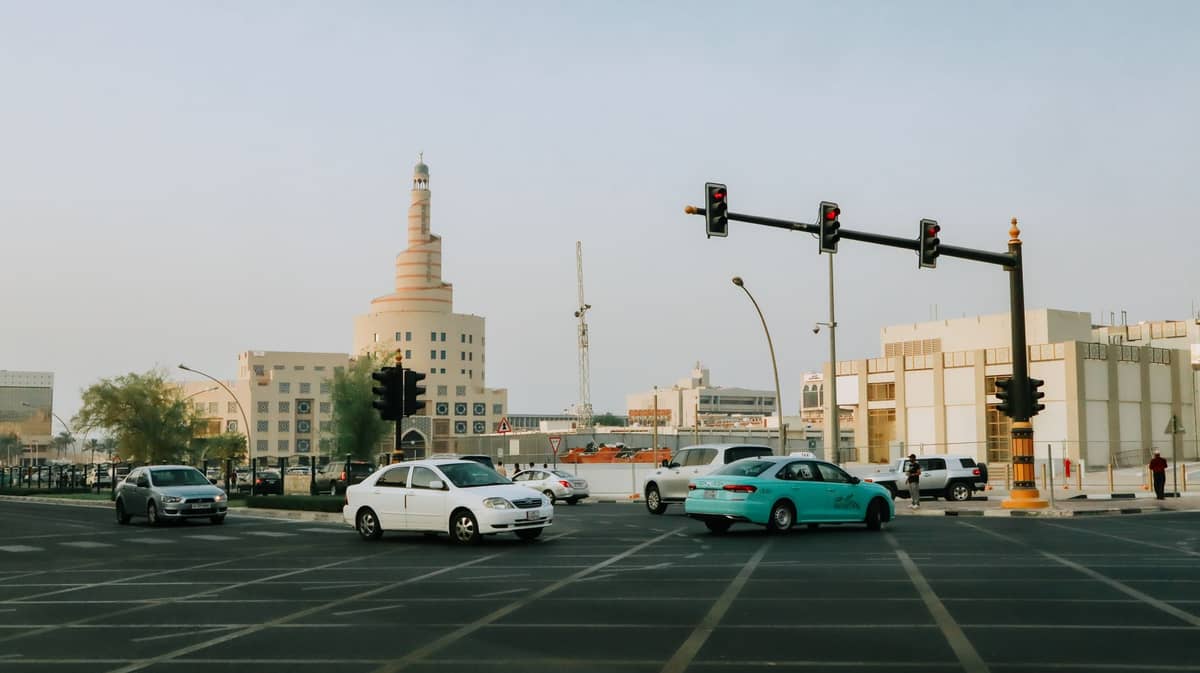
Old Doha Port is in the Mina District, southwest of Souq Waqif and close to the southern end of the Doha Corniche. It is one of the more accessible destinations in the city regardless of how you choose to travel.
- Taxi or Ride-Hailing The simplest option. From Souq Waqif or the Corniche, the ride is typically 5 to 10 minutes and costs under 20 QAR. From West Bay hotels, budget 20 to 30 QAR and 15 to 20 minutes depending on traffic. Karwa taxis are metered and reliable; ride-hailing apps also operate in Doha.
- Doha Metro The metro does not have a stop directly at Old Doha Port. The closest practical approach is to take the Gold Line to National Museum or Souq Waqif and continue by a short taxi. Verify current stop names with the Doha Metro app before your visit, as network details are updated periodically.
- Walking from Souq Waqif If you are already at Souq Waqif, Old Doha Port is walkable in approximately 15 to 20 minutes along the waterfront. This route passes the Dhow Harbour and gives good views across Doha Bay, making it a worthwhile approach if it is not the height of summer.
- Bus Mowasalat (Karwa) buses connect several central Doha points to the port area. Route numbers and stops change; check the Mowasalat app or website for current services before relying on bus for a timed morning visit.
Practical Tips for Shopping at the Market
Prices at the fish market are not fixed. Negotiation is normal, particularly for larger purchases or if you are buying multiple kilograms. That said, do not expect dramatic discounts: vendors know the value of their stock, and hammour in particular commands a consistent premium. The most effective approach is to compare prices across two or three stalls before committing to a purchase, which is entirely normal behaviour and will not cause offence.
Cash in Qatari riyals is the most practical payment method. While some larger vendors may accept card payments, smaller stalls are cash-only, and having small denominations avoids change disputes. No official price list is published by the market, and prices fluctuate with the season, the size of the catch, and demand. Shrimp and smaller reef fish tend to be the most affordable; hammour and zubaidi are consistently pricier.
If you are not planning to cook your purchase, the fish market still makes a compelling visit as an observation. Pair it with the adjacent port complex and then head to Souq Waqif for breakfast at one of the traditional Qatari restaurants serving machboos or grilled fish dishes. You will find no shortage of places to eat what the market sells within a short walk.
- Bring a reusable bag or a cooler bag if you are buying to cook: vendors provide plastic bags but no ice packs for transport.
- Dress modestly and practically. Open-air sections of the market can be wet and slippery; avoid sandals with no grip.
- Photography is generally tolerated but ask vendors before taking close-up shots of them or their stalls. A nod and a smile go a long way.
- Arrive by 8:00 AM for the best variety and atmosphere. By 10:30 AM, peak activity is winding down.
- If the smell is intense for you, the partially covered sections are better ventilated; outdoor stalls near the waterfront get more breeze.
- Bargaining is appropriate but keep it proportionate. Aggressive haggling over small amounts is not the norm here.
The Bigger Picture: Old Doha Port and What Else Is Nearby
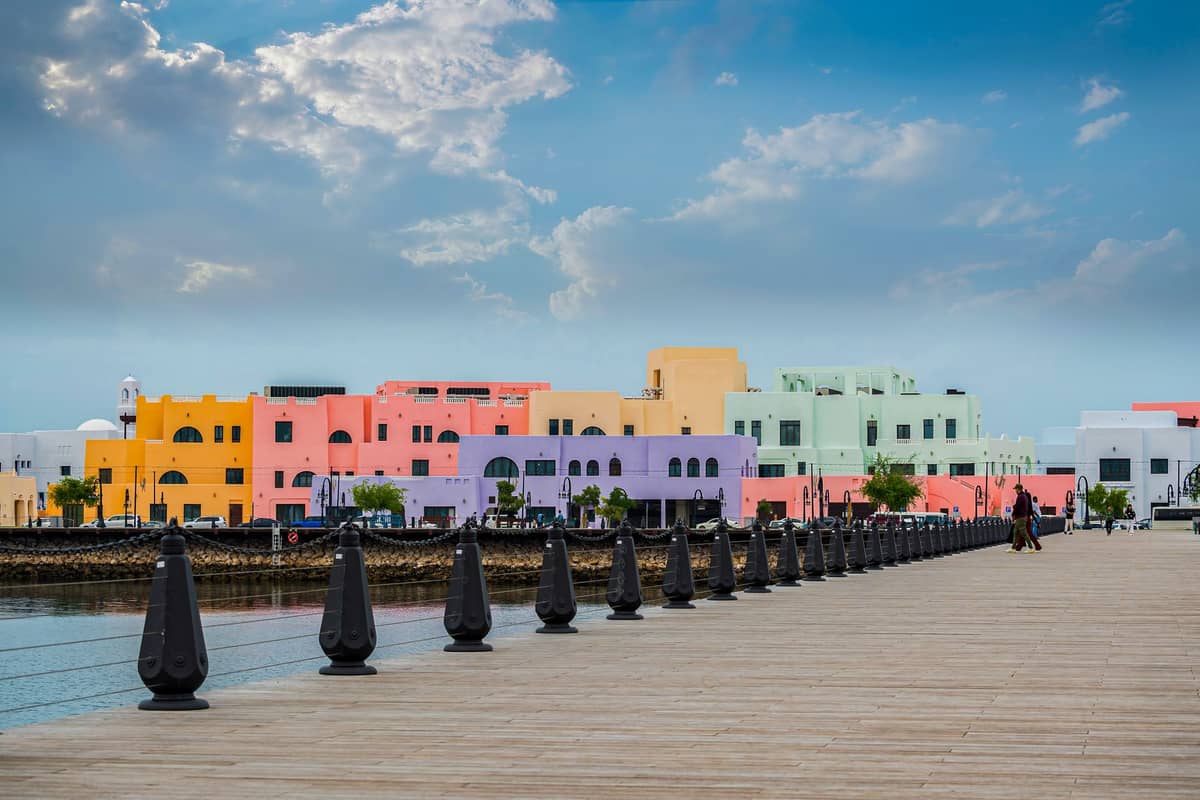
The fish market sits within a broader port regeneration project at Old Doha Port. The complex includes restaurants, retail, and cultural programming alongside the working market, making it possible to spend a full half-day here without needing to travel far. The nearby Dhow Harbour is worth the short walk: traditional wooden dhows are moored here, and the harbour gives context to Qatar's pre-oil maritime economy that the fish market itself continues to represent.
For a fuller morning in this part of Doha, combine the fish market with Souq Waqif, the Falcon Souq, and Al Koot Fort, all within a 15-minute walk of each other. This cluster represents some of the most historically layered areas of the city and is covered in detail in our guide to things to do in Doha.
Visitors interested in the broader food culture of Qatar will find the fish market connects naturally to exploring what to eat in Doha. Several of the species sold at the market appear on menus across the city, and understanding what is fresh and local makes eating out in Doha considerably more interesting.
✨ Pro tip
If your hotel has a kitchen or you are staying in a serviced apartment, buying half a kilo of Gulf shrimp at the fish market and cooking them that evening is one of the cheapest and best meals you can have in Doha. Ask the vendor to clean and devein them on the spot: it takes two minutes and costs nothing extra.
FAQ
What time does the Doha Fish Market open?
The general fish market area at Old Doha Port lists hours of 9:00 AM to 6:00 PM daily, but individual vendors operate on different schedules. QTR FISH, one vendor within the complex, lists 8:00 AM to 10:00 PM on most days, with Friday hours starting from 2:00 PM. On Fridays, many vendors shift to later opening times, typically from around mid-afternoon. Always check the Old Doha Port website (odp.qa) before visiting, especially during Ramadan when hours change significantly.
How do I get to the Doha Fish Market?
The fish market is at Old Doha Port in the Mina District. A taxi or ride-hailing app from central Doha takes 5 to 20 minutes depending on your starting point and costs roughly 15 to 30 QAR. From Souq Waqif, it is walkable in about 15 to 20 minutes along the waterfront. The Doha Metro does not stop directly at Old Doha Port, so for an early morning visit, a taxi is the most reliable option.
Is the Doha Fish Market good for tourists, or is it only for locals?
It is genuinely both. Locals shop here for their weekly fish, and it functions as a working wholesale and retail market. Tourists visit because it is one of the most authentic experiences in the city and costs nothing to walk through. You do not need to buy anything to appreciate it, though buying fresh Gulf seafood and having it cooked nearby or at your accommodation is a worthwhile experience.
What fish can I buy at the Doha Fish Market?
The most common species include hammour (grouper), zubaidi (silver pomfret), kanad (kingfish), safi (rabbitfish), and shaari (emperor fish). Shrimp, squid, and cuttlefish are also widely available. Variety is highest in the cooler fishing season from roughly October to May. Vendors will clean and fillet fish on request, usually at no extra cost or for a small additional fee.
Can I negotiate prices at the Doha Fish Market?
Yes. Prices are not fixed at most stalls, and comparing prices across two or three vendors before buying is completely normal and expected. Larger purchases give more room to negotiate. That said, premium species like hammour hold their value and vendors are unlikely to discount significantly. Cash in Qatari riyals is strongly recommended, as not all stalls accept card payments.