Chengdu Nightlife: Best Bars, Clubs & Evening Activities
Chengdu's after-dark scene runs deeper than the typical tourist circuit. This guide breaks down the city's main nightlife districts, what each one actually offers, realistic price ranges, and how to get around after the metro stops running.
Plan and book this trip
Tools from our partner Travelpayouts help you compare flights and hotels. If you book through them, we may earn a commission at no extra cost to you.
Flights
Hotels map
TL;DR
- Chengdu nightlife is anchored by five main districts: Yulin, Jiuyanqiao, Lan Kwai Fong, Mengzhuiwan/339, and Yixin Bridge–Hongji Lane — each with a distinct character and price point.
- Budget cocktails in neighborhood bars run ¥38–60; craft-cocktail spots charge ¥70–120; Jiuyanqiao venues typically fall in the ¥50–100+ range.
- Bars get going around 19:00–20:00; clubs hit peak activity between 23:00 and 02:00, especially Thursday through Saturday. Some venues at 339 run until 05:00.
- The metro closes around 23:00, so leaving a club at 01:00 or later means a taxi or Didi ride back — plan this in advance.
- For broader evening ideas beyond bars, see our guide to things to do in Chengdu which covers Sichuan opera, teahouses, and night markets.
What Chengdu Nightlife Actually Looks Like
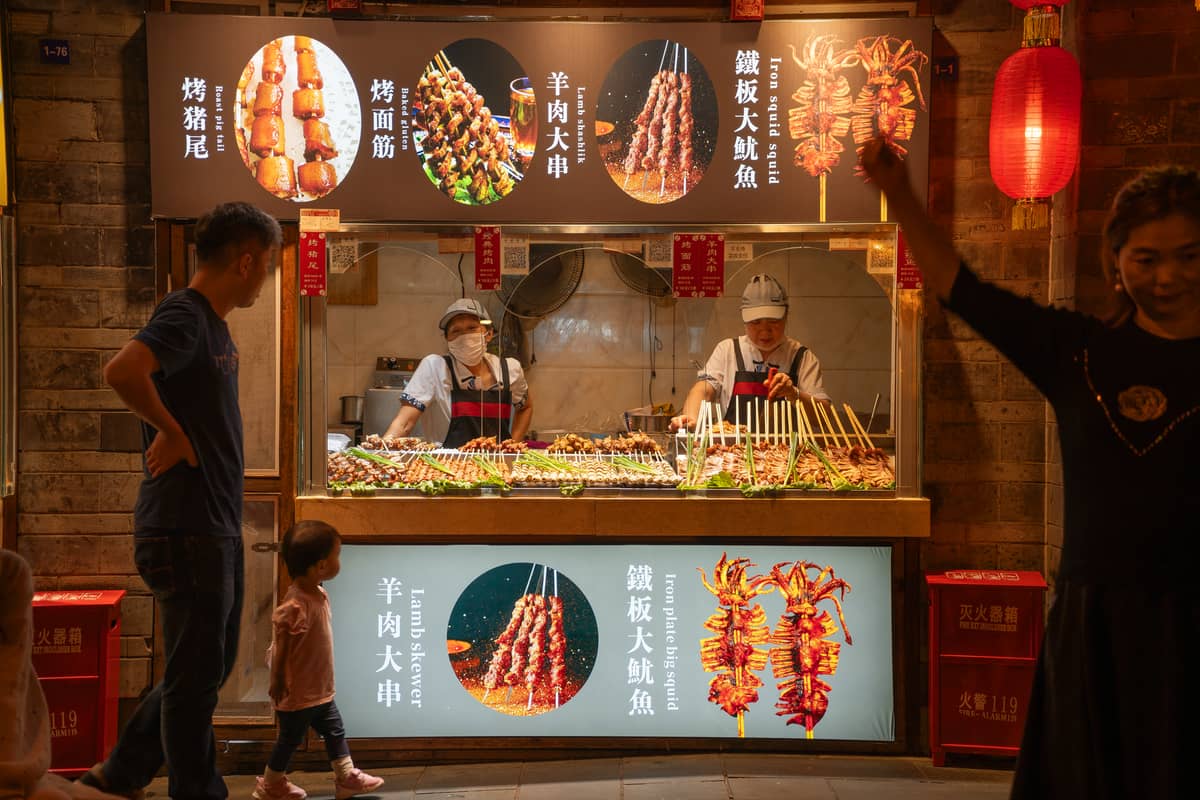
Chengdu has a reputation as one of China's most relaxed cities, and that carries through to its nightlife. This is not Shanghai or Beijing, where clubs double as status events and bottles of spirits start at ¥3,000. The dominant tone here is sociable and unpretentious: people share skewers of spicy chuanr, drink local Qingcheng baijiu or imported craft beer, and move at their own pace. The range of options is genuinely broad, from low-lit neighborhood wine bars to polished DJ clubs near the 339 TV tower.
The biggest misconception is that Chengdu nightlife equals large nightclubs. It does not. The city has a well-developed craft cocktail scene, live-music venues with local indie and jazz acts, late-night hotpot and street food stretches, and a strong teahouse culture that technically runs all evening. Understanding which district matches what you want will save you a lot of wasted taxi money.
ℹ️ Good to know
Chengdu Metro (all lines) generally operates from around 06:00 to 23:00, with exact first and last trains varying by line and station. If you plan to stay out past midnight, budget for a Didi or taxi home — verify current metro schedules before your trip at chengdurail.com.
The Main Nightlife Districts, Ranked by Character
Each of Chengdu's key nightlife zones has a distinct atmosphere and price range. Knowing the differences before you go is the most practical thing this guide can offer.
- Jiuyanqiao (九眼桥 / Nine-Eyed Bridge) The most established riverside nightlife strip in the city. Cocktail bars, live-music venues, and rooftop terraces face the Fu River. Drinks typically run ¥50–100+. Crowds lean local in the week and more mixed on weekends. Best for: adults who want a view and a genuine local bar atmosphere without the megaclub format.
- Yulin (玉林) A residential neighborhood southwest of the center with a dense concentration of independently owned bars and low-key eateries. Cocktails here run ¥38–60. Yulin is where Chengdu locals actually go — less polished than Jiuyanqiao, more likely to turn into an unexpected five-hour night. Best for: first-time visitors who want to skip the tourist-facing spots.
- Lan Kwai Fong (成都兰桂坊) A purpose-built entertainment zone in the Chunxi Road area inspired by the Hong Kong original. DJ nights, dance floors, and late hours (some venues listed until around 04:00). The clientele skews younger and international. More expensive than Yulin, more polished than Jiuyanqiao. Best for: people who want a club night without hunting for one.
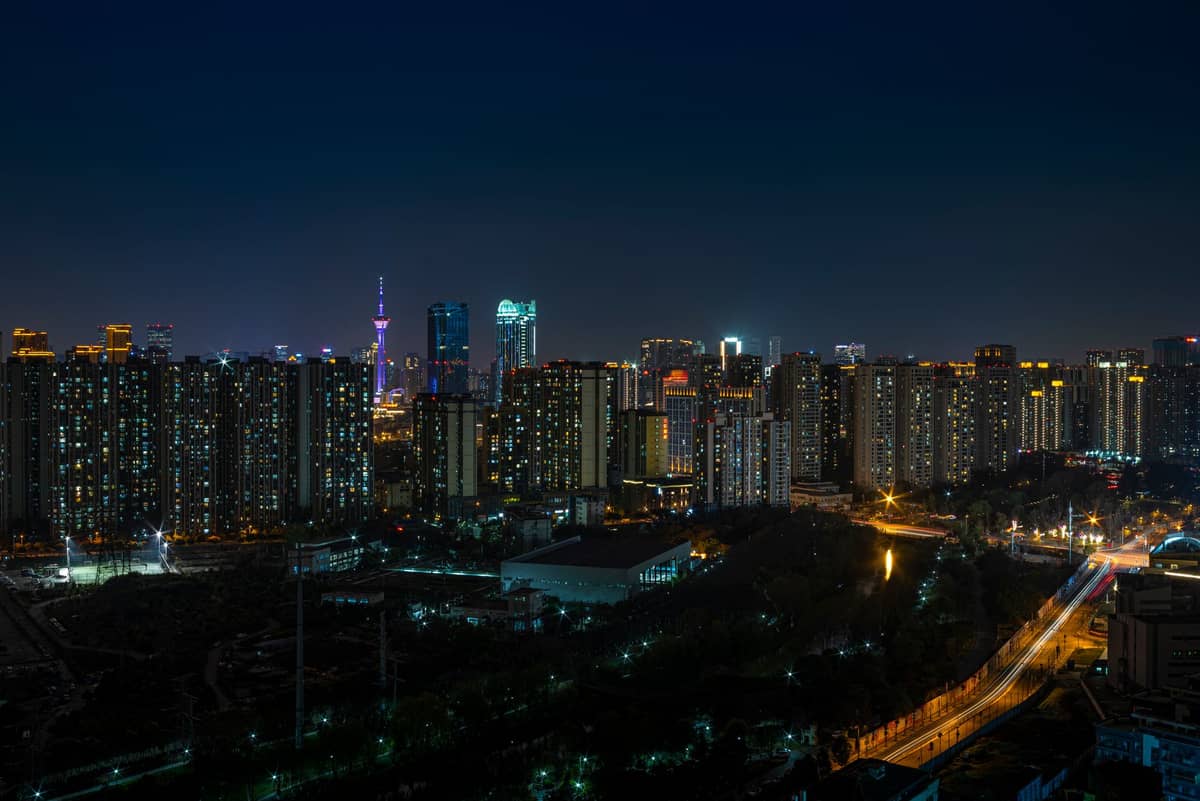
- Mengzhuiwan / 339 Area (猛追湾 / 成都339) Anchored by the distinctive 339-meter Tianfu Panda Tower (Sichuan Radio and TV Tower) at Mengzhuiwan, this stretch along the east bank of the Jinjiang has become one of the city's buzziest after-dark zones. Some venues here reportedly stay open until 05:00. The mix includes rooftop bars, club nights, and late-night food stalls along the riverfront. Best for: those who want nightlife and a dramatic skyline in the same frame.
- Yixin Bridge–Hongji Lane (一心桥–洪基街) A developing strip with a mix of craft beer pubs, cocktail lounges, and late-night bites. Prices sit between Yulin and Jiuyanqiao. Smaller crowds than the headline districts, which is either a drawback or the whole point, depending on what you want.
⚠️ What to skip
Venue listings, opening hours, and prices in Chengdu's nightlife districts change frequently. A bar that was open until 04:00 last year may now close at midnight, or may have closed entirely. Always check the venue's current listing on Dianping or WeChat before making it the centrepiece of your night.
Timing: When Chengdu Comes Alive
Bars across most districts open around 19:00–20:00 but only start filling up after 21:00. If you arrive at 20:00, you will likely have the place to yourself, which is fine if you want a quiet drink but anticlimactic if you came for atmosphere. Clubs and DJ venues reach peak energy between 23:00 and 02:00, especially Thursday, Friday, and Saturday. Weekday nights at most clubs are quiet enough to feel like a pre-opening rehearsal.
Closing times vary more than most visitors expect. Many neighborhood bars and mid-range cocktail spots close between 01:00 and 02:00. Selected clubs at the 339 area and some Lan Kwai Fong venues reportedly run to 04:00 or 05:00. Do not assume every venue operates late-night hours — verify individually. Public holidays, especially Golden Week in October and the Spring Festival period, significantly increase both crowds and prices across all districts.
✨ Pro tip
Thursday nights are a sweet spot in Chengdu: clubs are active but not overcrowded, entry is often free or cheaper than weekends, and you have more space to move. Friday and Saturday are fuller but also louder and pricier.
Beyond Bars and Clubs: Evening Activities Worth Considering
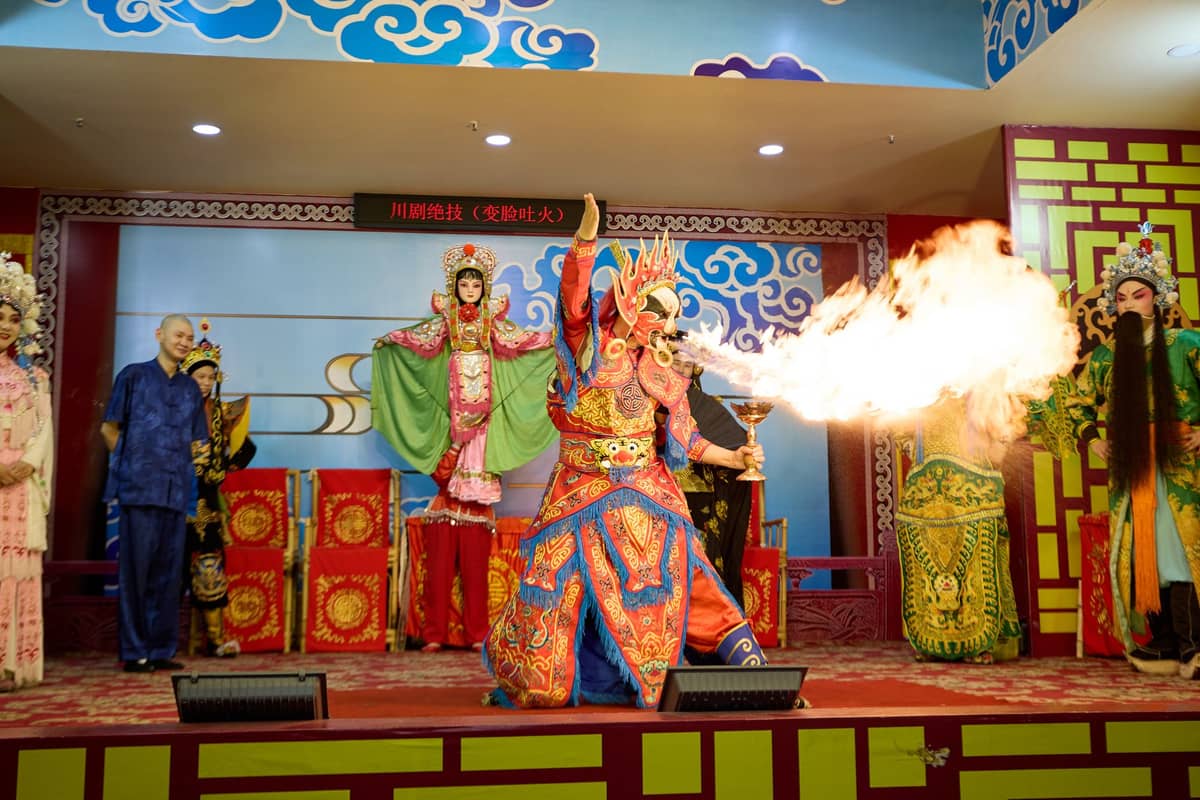
Chengdu nightlife is not only about drinking. Several of the city's most atmospheric evening experiences involve no alcohol at all. A traditional Sichuan opera performance at Jinli or Shufeng Yayun typically runs from around 20:00 and lasts 60–90 minutes — the face-changing (bianlian) sequences alone justify the ticket price. Our complete Sichuan opera guide covers the best venues, what to expect, and how to book.
Chengdu's teahouse culture extends well into the evening. Traditional gaiwan tea served in a pavilion setting, often with mahjong clattering in the background, is one of those experiences that feels genuinely local rather than performed for visitors. People's Park has outdoor teahouses that run until dark; indoor teahouses in Wuhou and Qingyang districts stay open later. For a full breakdown, see our guide to Chengdu teahouses.
Late-night hotpot is a Chengdu institution. Going out for mala hotpot at 22:00 is entirely normal here, and many of the best spots are busiest after 21:00. It pairs naturally with a night out — hotpot first, bar after, or hotpot as the finale. See our Chengdu hotpot guide for venue recommendations and practical tips on ordering.
The streets around Jinli Ancient Street and Kuanzhai Alley are at their most photogenic after dark when the lanterns are lit and the daytime tour groups have thinned out. Both areas have bars, snack stalls, and street performers running into the late evening. They are more tourist-facing than Yulin or Jiuyanqiao, but the atmosphere is genuinely enjoyable.
Practical Advice for Getting the Most Out of a Night Out
Payment in Chengdu's bars and clubs is overwhelmingly WeChat Pay or Alipay. Many venues are cashless or card-free. Foreign visitors without a Chinese payment wallet linked to a local bank account can run into friction. Carry some physical RMB as a backup, particularly in independent neighborhood bars. Credit cards (Visa, Mastercard) are accepted in international hotels and some upscale clubs, but do not count on it everywhere.
Getting home after midnight means a Didi or taxi. Didi (the Chinese equivalent of Uber) requires the app and a compatible payment method — foreign cards are reportedly supported in some configurations, but setup can be unreliable. Ask your hotel to help set it up before your night out. For safety tips, general scam awareness, and transport logistics, the Chengdu scams and safety guide covers the situations that catch visitors off guard.
- Drink prices: ¥38–60 for a cocktail in Yulin-style neighborhood bars; ¥70–120 at craft-cocktail venues; ¥50–100+ around Jiuyanqiao. Import beer typically starts around ¥30–40 in most bars.
- Entry fees: Most Chengdu bars have no cover charge. Clubs charge variable entry on weekends — typically ¥50–150 with a drink included, though this changes by venue and night.
- Language: English menus are common in Jiuyanqiao and Lan Kwai Fong venues; less so in Yulin. Google Translate's camera function works well for Chinese menus.
- Dress code: No strict dress codes at most venues. Smart-casual is fine. Some upscale clubs at Lan Kwai Fong may turn away flip-flops or overly casual attire on busy nights.
- Outdoor venues: Chengdu summers are humid and July–August brings frequent rain. Riverside terraces at Jiuyanqiao and the 339 area can be uncomfortable in heavy rain — indoor alternatives are worth knowing in advance.
- Safety: Chengdu is generally considered safe for nighttime socializing. Standard precautions apply: keep valuables secure, arrange transport before you leave, and stay aware of your surroundings in unfamiliar areas after 01:00.
💡 Local tip
Tipping is not customary in mainland China, including bars and clubs. Service charges are sometimes added at upscale venues — check your bill. Rounding up or leaving small change is not expected and will likely confuse bar staff more than anything else.
Seasonal Considerations for Chengdu's Nightlife
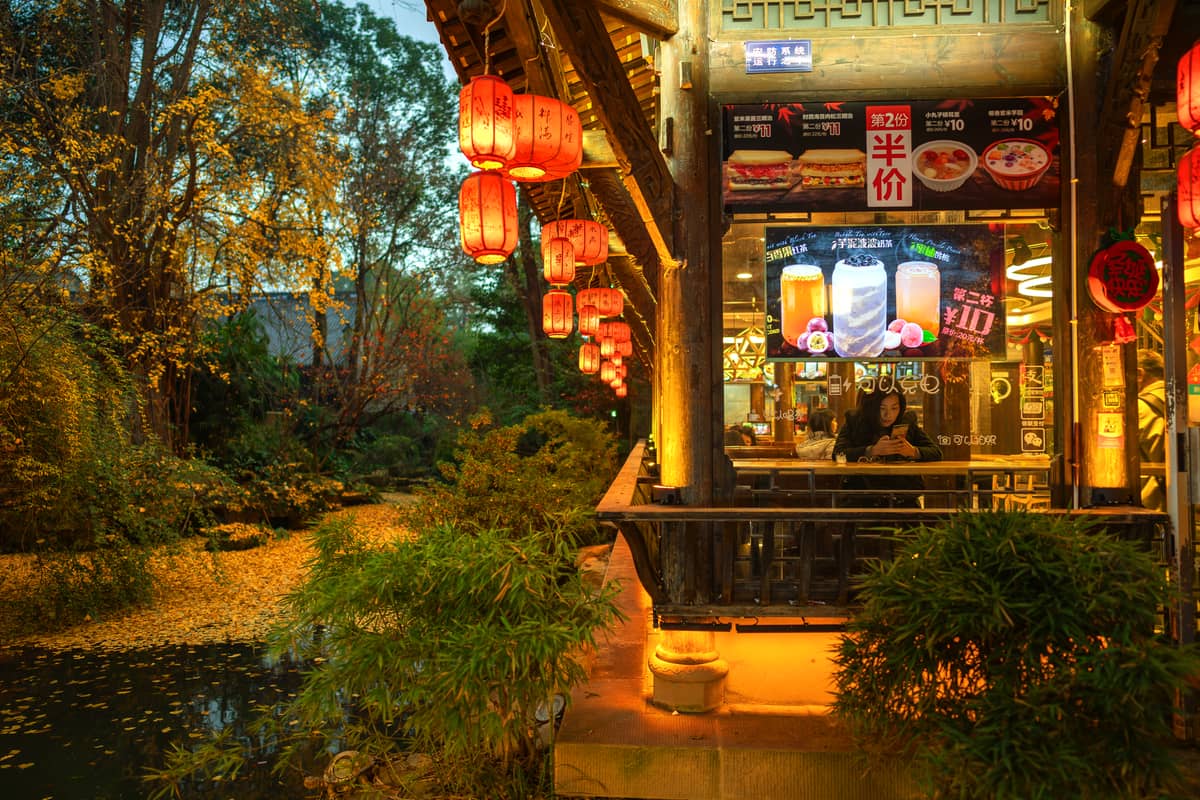
The best seasons for Chengdu nightlife are spring (March to May) and autumn (September to November). Temperatures are mild, outdoor terraces are pleasant, and the city's social calendar is active without the crush of peak summer tourism. September and October in particular see comfortable evenings around 16–22°C, which makes the riverside spots at Jiuyanqiao and the 339 area ideal.
Summer (June to August) is hot and humid, with temperatures often reaching 28–31°C and frequent evening rain. Outdoor venues can be uncomfortable. The indoor clubs and air-conditioned craft-cocktail bars see higher demand. Winter evenings (December to February) are cool — typically 6–10°C after dark — but indoor nightlife continues without interruption. Chengdu does not have a quiet season for bars; it just shifts the best venues from outdoor to indoor. For a full seasonal breakdown of when to visit, see our best time to visit Chengdu guide.
FAQ
Is Chengdu nightlife safe for solo travelers and foreign visitors?
Chengdu is generally considered one of China's safer major cities for nighttime socializing. Standard precautions apply: keep your phone and wallet secure, book your transport home before you leave a club, and stay aware in unfamiliar alleys after 01:00. The Jiuyanqiao and Lan Kwai Fong areas are well-lit and active enough that isolation is rarely an issue on weekend nights.
What time do bars and clubs close in Chengdu?
It varies considerably. Most neighborhood bars close between 01:00 and 02:00. Selected clubs at Lan Kwai Fong reportedly run until around 04:00, and some 339-area venues until 05:00. These hours are not guaranteed — they change by season, day of week, and venue policy. Always check the specific venue's current listing before making plans around a late closing time.
Which Chengdu nightlife area is best for a first visit?
Jiuyanqiao is the most reliable starting point: it has a concentration of bars within walking distance of each other, a mix of price points, and a genuinely local crowd. If you want something cheaper and more residential, head to Yulin. If you specifically want a club night with DJs, Lan Kwai Fong or the 339 area is more appropriate.
Can I pay by credit card at Chengdu bars?
Many bars, especially in Yulin and independent venues, are cash or Chinese mobile payment only (WeChat Pay / Alipay). Some international-facing clubs and hotel bars accept Visa or Mastercard. Set up WeChat Pay or carry physical RMB before a night out — being stuck at a bar with only a foreign card is a common and avoidable problem.
Are there good evening activities in Chengdu that don't involve drinking?
Yes, several. Sichuan opera performances run most evenings and are one of the city's best night-time experiences. Teahouses stay open into the evening and provide a genuinely local atmosphere. Late-night hotpot is a cultural institution. The lantern-lit streets around Jinli Ancient Street are at their best after dark. For a broader list, the guide to things to do in Chengdu covers most of these options in detail.