Venice Biennale: Art, Architecture, and Six Months of Controlled Chaos
The Venice Biennale is one of the world's oldest and most influential contemporary art events, staged across two sprawling venues in Castello: the tree-lined Giardini della Biennale and the vast brick halls of the Arsenale. Running from May to November in alternating art and architecture editions, it draws artists, curators, and curious travelers from every corner of the globe.
Quick Facts
- Location
- Castello sestiere, Venice — principal venues at Giardini della Biennale and Arsenale di Venezia
- Getting There
- ACTV vaporetto to 'Giardini' or 'Arsenale' stops (various lines from central Venice and Piazzale Roma)
- Time Needed
- 4–6 hours minimum for both venues; a full day is realistic if you engage seriously with the work
- Cost
- Ticketed; prices vary by edition, day type, and concession. Check labiennale.org for current fees before visiting
- Best for
- Contemporary art lovers, architecture enthusiasts, photographers, and anyone who wants to understand where global culture is heading
- Official website
- www.labiennale.org/en
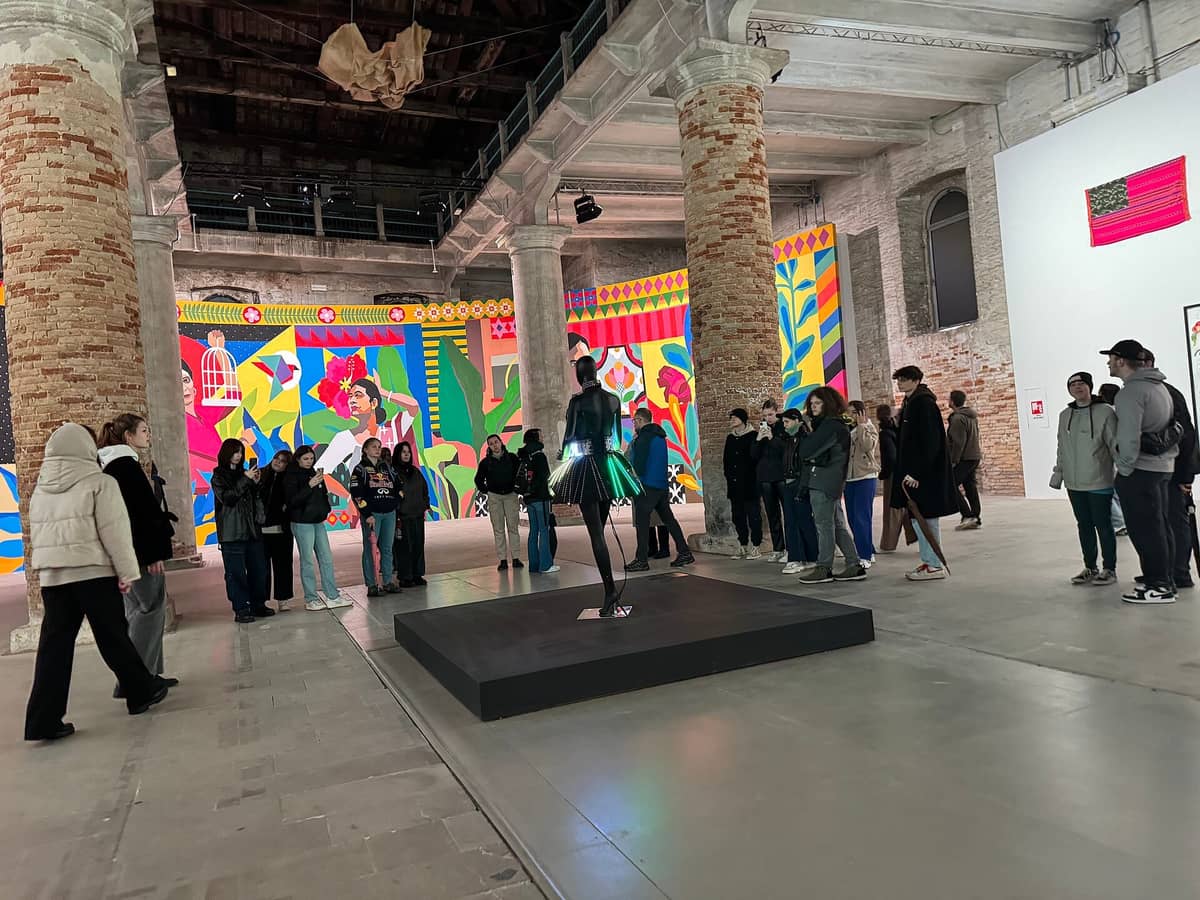
What the Venice Biennale Actually Is
La Biennale di Venezia is not a single exhibition. It is a sprawling, months-long international event that transforms two large sites in the Castello district into a temporary city of contemporary art or architecture, depending on the year. Founded in 1895 and first staged that same year as the International Art Exhibition of the City of Venice, it is one of the oldest recurring international exhibitions on earth. That longevity matters: the Biennale has outlasted empires, fascism, and multiple reinventions of what contemporary art even means.
The format alternates year by year. Odd years bring the International Art Exhibition; even years host the Architecture Biennale. Each runs for approximately six months, from May to November, across two principal venues: the Giardini della Biennale and the Arsenale di Venezia, both in Castello. Alongside these are collateral events and national pavilions scattered throughout the city, including churches, palazzi, and gallery spaces.
The next edition is Biennale Arte 2026, running from 9 May to 22 November 2026. For context on the broader Venice calendar during that period, see the Venice Biennale guide, which covers how to plan your trip around the event.
ℹ️ Good to know
The Biennale’s exhibitions only exist during their official window (roughly May–November for recent editions). Outside those months, the Giardini’s national pavilions are generally closed and Biennale-specific exhibition areas in the Arsenale are not accessible to general visitors. Plan accordingly.
The Two Venues: Giardini and Arsenale
Giardini della Biennale
The Giardini della Biennale are a 19th-century public garden at the eastern end of Castello, laid out under Napoleon. Today they house the Central Pavilion, run directly by La Biennale, along with around 30 permanent national pavilions built by countries ranging from Venezuela to the Nordic nations to Japan. Each pavilion is architecturally distinct: some were commissioned in the early 20th century in ornate national styles; others were purpose-built in a modernist idiom. Walking between them, you move through a compressed, leafy version of 20th-century architectural history.
In the morning, before the midday crowds arrive, the Giardini are genuinely pleasant. The canopy of plane trees provides shade even in June. Birdsong competes with the low hum of generators powering installations. The smell of cut grass and canal water drifts through depending on where you stand. The gravel paths crunch underfoot. By early afternoon, especially on weekends and during the opening weeks of an edition, queues form at the more talked-about pavilions and the atmosphere shifts from contemplative to something closer to a well-dressed festival.
Arsenale di Venezia
The Arsenale di Venezia is a different experience entirely. This is the historic shipyard complex that made Venice's naval dominance possible for centuries, a sequence of vast brick buildings running parallel to a long internal canal. During the Biennale, the main halls, particularly the Corderie (the former rope-making hall, stretching nearly 320 meters in a single unbroken line), host the curatorially unified international exhibition.
The space itself is extraordinary even when empty. When filled with large-scale contemporary installations, it creates conditions no conventional museum can replicate. The brick walls absorb sound. Light enters through high, dusty windows and changes as the day progresses. Walking the Corderie end to end takes around 20 minutes at a brisk pace, but most visitors spend considerably longer, often doubling back to installations they passed too quickly. The Arsenale rewards patience more than the Giardini does.
💡 Local tip
If your time is limited, prioritize the Arsenale in the morning when it is quietest and the light through the Corderie windows is at its sharpest. Save the Giardini for the afternoon when you can take breaks on the benches under the trees.
Tickets & tours
Hand-picked options from our booking partner. Prices are indicative; availability and final rates are confirmed when you complete your booking.
Venice Legends, Anecdotes and Ghost Stories Tour
From 35 €Instant confirmationFree cancellationGhosts and legends tour of Venice
From 29 €Instant confirmationFree cancellationMorning walking tour of Venice with St. Mark's Basilica and gondola ride
From 105 €Instant confirmationFree cancellationVenice Carnival Mask Workshop in St. Mark's Area
From 67 €Instant confirmationFree cancellation
How the Experience Changes by Time of Day
Opening time, typically at 11:00 during most of the Biennale’s run, is the most controlled moment of the day. Crowd density is manageable and the staff at each pavilion are alert and engaged. This is when conversations with installation artists or national representatives are most likely to happen. The art world runs early during the opening weeks of any edition, with professionals, curators, and press circulating in numbers, which creates an ambient seriousness that can itself feel like part of the experience.
By early afternoon, the Giardini fill noticeably. Queues at marquee pavilions can stretch 20 to 30 minutes. The café near the Central Pavilion becomes crowded. The Arsenale tends to stay more evenly paced since it processes visitors in a directional flow rather than radiating them across open ground. Late afternoon, from around 16:00 onward, sees thinning crowds and long shadows cutting across the Giardini's paths. The light turns golden and flat in the brick corridors of the Arsenale. This is when photographers get their best shots, though the most ambitious installations close in sequence as the overall closing time approaches, usually around 19:00 (or 20:00 on peak days, depending on the edition).
Historical and Cultural Weight
The Biennale began as a relatively conventional international art exhibition, modeled on the world's fair format. Over the 20th century, it became something more contested and more interesting: a geopolitical theater in which national pavilions function as semi-official statements about how countries wish to represent themselves to the global art world. The awarding of the Golden Lion, the Biennale's main prize, can make or reshape careers. The events surrounding it, the opening previews, the collateral programming, the parties in palazzi, constitute a parallel economy of cultural influence.
The architecture edition, introduced in its current form in 1980 under Paolo Portoghesi, follows a parallel logic. Each edition is given a thematic brief by its appointed director, and national teams respond with pavilion installations that can range from rigorous built proposals to speculative environmental arguments. The Architecture Biennale has a noticeably different atmosphere from the art edition: more technical language in the labels, more drawings and models alongside constructed interventions, and a visitor demographic skewed toward professionals.
If you are visiting Venice primarily for its art and architecture beyond the Biennale, the city's permanent cultural offer is equally deep. The best museums in Venice include the Gallerie dell'Accademia, the Peggy Guggenheim Collection just a short walk from the Giardini via waterfront, and the Palazzo Grassi and Punta della Dogana, which show contemporary work year-round.
Getting There and Navigating Both Sites
The most direct approach from central Venice is by vaporetto. The ACTV water bus system runs stops named 'Giardini' and 'Arsenale' that place you within a short walk of both venues. From the San Marco area, it is also walkable along the Riva degli Schiavoni waterfront, a roughly 15 to 20 minute walk to the Arsenale entrance and a few minutes further to the Giardini, depending on pace. This walk passes the Bridge of Sighs and skirts the edge of the lagoon, making it a reasonable approach if the weather cooperates.
A combined ticket typically covers both the Giardini and the Arsenale for the same day or over a defined number of days, though you should verify current ticketing structure on the official site before visiting, as arrangements vary by edition. Tickets are sold at the venue entrances and online in advance. Buying online in advance is strongly advisable during the opening weeks of any edition when queues at the box office can be long. For more on navigating Venice's transport network, the getting around Venice guide covers vaporetto lines, routes, and day passes.
⚠️ What to skip
During the opening preview days (usually the week before public opening), the Biennale is restricted to accredited professionals and press. Public tickets go on sale with the official opening date. Check labiennale.org for exact dates each edition.
Practical Details: What to Bring and How to Pace Yourself
The Biennale runs through the Italian summer, which in Venice means heat and humidity from late June through August. Comfortable, breathable shoes are essential: you will walk several kilometers across gravel, brick, and uneven paving. The Arsenale in particular has stretches of uneven cobblestone and some areas without significant climate control. Bring water. The food options within both venues exist but are not exceptional, and prices reflect the captive audience.
Accessibility varies considerably by pavilion. The Giardini's older pavilions, many built in the first half of the 20th century, were not designed with modern accessibility standards in mind, and some have steps with no ramps. The Arsenale's main halls are generally more accessible. La Biennale publishes specific accessibility information for each edition on its official site, and visitors with mobility needs should consult that detail before planning their visit.
Photography is generally permitted in most areas without a flash, but individual pavilions set their own rules. Some high-profile installations explicitly prohibit photography. Look for signage at each entrance. A number of the most visually striking installations have become so widely photographed that certain angles of the Corderie in particular have become almost clichéd on social media: arriving early gives you those shots before others crowd the frame.
Who Should Reconsider
The Venice Biennale is not a light afternoon activity. If you are visiting Venice primarily for its historic architecture, canals, and classical art, the Biennale requires a significant diversion of time and energy toward contemporary work that can be deliberately difficult, politically demanding, or simply baffling. That is not a criticism; it is the point of the thing. But if your interest in contemporary art is casual or ambivalent, six hours of immersive installations and conceptual pavilions may feel more exhausting than enriching.
Families with young children face particular challenges. The Biennale has almost no programming oriented toward children, many installations have fragile components or strict do-not-touch rules, and the sheer scale of both venues is demanding for small legs. Venice has better family-oriented options available, covered in the Venice with kids guide.
Insider Tips
- Arrive at opening time on a weekday, not a weekend, especially in the first two weeks of any edition when art-world opening fever inflates crowds significantly. Tuesday and Wednesday mornings are typically the calmest.
- The collateral events scattered across the city, in palazzi, churches, and off-site spaces, are free or separately ticketed and are often less crowded than the main venues. Some are among the most memorable parts of any edition. Pick up the official collateral events list at the entrance or download it from labiennale.org.
- The Arsenale's Corderie is frequently used for the most ambitious large-scale installations. Walk it slowly in the direction of the flow, then double back: the works look different from the other direction and second-look crowds are always smaller.
- Book tickets online before you travel, particularly for the opening month of any edition. Box office queues can easily absorb 30–45 minutes of your morning, and the online booking process typically takes only a few minutes.
- The neighborhood around the Giardini in Castello is one of the quieter residential parts of Venice. The cafes and bars on the streets leading away from the main venue entrance are used by locals, not just Biennale visitors, and are priced accordingly. Worth noting after a long afternoon inside.
Who Is Venice Biennale For?
- Contemporary art and architecture enthusiasts who want to see where the global conversation currently stands
- Photographers looking for large-scale, architecturally unusual spaces with natural light
- Travelers combining a cultural trip to Venice with serious engagement with the international art world
- Design and architecture professionals attending the Architecture edition
- Anyone planning a longer stay in Venice who wants to anchor a multi-day visit around a major cultural event
Nearby Attractions
Other things to see while in Castello:
- Libreria Acqua Alta
Libreria Acqua Alta is a Castello bookshop where thousands of books are stored in a full-sized gondola, antique bathtubs, large waterproof bins, and small boats to protect them from Venice's seasonal floods. Free to enter, open daily, and genuinely unlike any other bookshop in the world.
- Arsenale di Venezia
The Arsenale di Venezia is one of the largest and most significant pre-industrial complexes in European history. Once the engine of Venetian naval supremacy, this 48-hectare compound of shipyards, armories, and rope-making facilities in the Castello district is partially open to visitors year-round, with greatly expanded access during the Venice Biennale.
- Basilica dei Santi Giovanni e Paolo (San Zanipolo)
The Basilica dei Santi Giovanni e Paolo, known locally as San Zanipolo, is the largest church in Venice and one of the most historically significant Gothic buildings in Italy. For nearly six centuries it served as the state funeral church of the Venetian Republic, and its interior holds the tombs of numerous doges (traditionally counted as around 25) alongside masterworks by Bellini, Veronese, and Vivarini.
- Giardini della Biennale
Spread across the eastern tip of the Castello sestiere, the Giardini della Biennale is a park of Napoleonic origin that transforms into the world's most prestigious contemporary art venue every two years. Thirty national pavilions plus the Central Pavilion, mature shade trees, and a waterfront promenade make it worth visiting whether or not the Biennale is running.