Vancouver Aquarium: What to Expect at Canada's Largest Aquarium
The Vancouver Aquarium sits in the heart of Stanley Park and houses 65,000 animals across 120 exhibits. From Pacific kelp forests to tropical galleries and Arctic creatures, it offers a serious aquatic education wrapped in an accessible, family-ready format.
Quick Facts
- Location
- Stanley Park, Vancouver, BC, Canada
- Getting There
- Bus routes to Stanley Park (check TransLink for current service); walkable from the West End
- Time Needed
- 2 to 4 hours
- Cost
- Timed admission tickets (price varies by date); book in advance for the lowest rate at vanaqua.org
- Best for
- Families, marine life enthusiasts, rainy day alternatives, wildlife-focused travelers
- Official website
- www.vanaqua.org
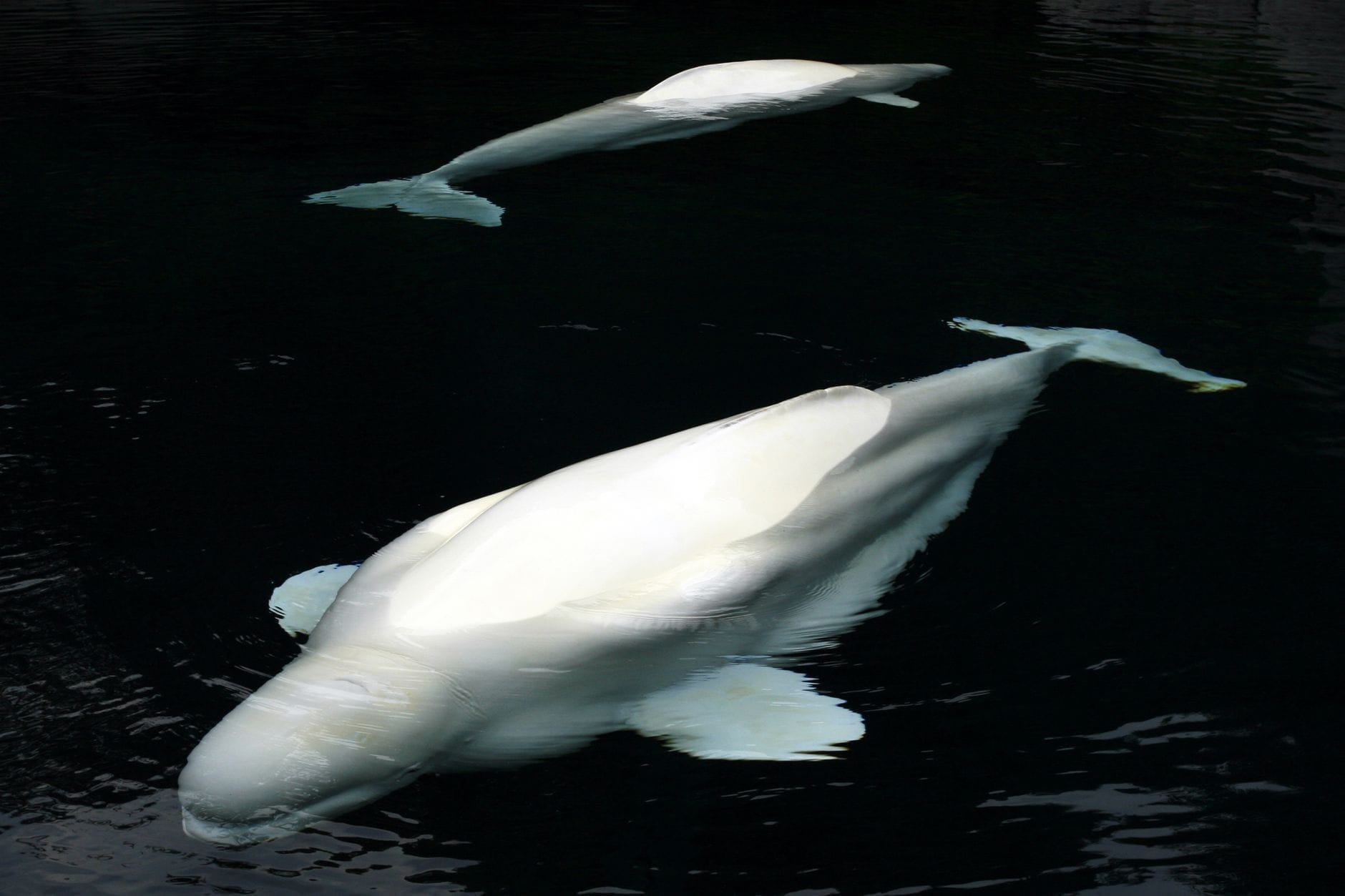
Vancouver Aquarium: an overview
The Vancouver Aquarium is Canada's largest aquarium, located inside Stanley Park on Vancouver's downtown peninsula. It holds over 65,000 animals across 120 exhibits, ranging from cold-water Pacific species to tropical reef fish, with a strong focus on conservation research alongside public education. The aquarium functions as an active marine science center, and that dual identity shapes how the entire experience feels.
The setting matters. Arriving through Stanley Park on foot or by road, you pass old-growth forest before the aquarium's entrance comes into view. The surrounding canopy muffles city noise. By the time you're inside, you've already made a transition away from downtown Vancouver's more urban rhythm, and the aquarium leans into that shift.
💡 Local tip
Tickets are timed and date-based. The aquarium says booking directly at vanaqua.org gives you the lowest price. Don't show up expecting to buy at the door at peak times, especially summer weekends.
Inside the Exhibits: What You Actually See
The aquarium's layout moves visitors through distinct ecological zones. The British Columbia galleries anchor the experience with cold-water species from the local Pacific: giant Pacific octopus, wolf eels, rockfish, and the kelp forest tanks that recreate the underwater forests found just offshore along BC's coast. The kelp tanks in particular are worth pausing at. In low morning light, the fronds drift slowly under artificial current, and smaller fish hold position mid-water with minimal effort. It reads almost meditative.
Beyond the Pacific galleries, tropical zones introduce Indo-Pacific reef species, jellyfish, and marine invertebrates. The jellyfish gallery, lit with shifting color, is one of the more photographed areas inside. The tanks are backlit and shallow, designed to make the animals visible from multiple angles without glare.
The outdoor areas add sea otters, sea lions, and other marine mammals to the experience. These sections operate on separate feeding and demonstration schedules, so it's worth checking the posted daily program at the entrance. If you're planning a full visit, the Stanley Park grounds surrounding the aquarium extend the outing considerably, with the seawall and forest trails immediately accessible once you exit.
Tickets & tours
Hand-picked options from our booking partner. Prices are indicative; availability and final rates are confirmed when you complete your booking.
Vancouver Art Gallery Tickets
From 19 €Instant confirmationFree cancellationVancouver Stanley Park cycling tour
From 56 €Instant confirmationFree cancellationWhistler, Shannon Falls and Sky Gondola tour from Vancouver
From 135 €Instant confirmationFree cancellationVancouver City and Capilano Suspension Bridge tour with lunch
From 292 €Instant confirmationFree cancellation
How the Experience Changes by Time of Day
The aquarium opens at 9:30 a.m. in summer and 10:00 a.m. during the rest of the year. The first hour after opening is consistently the quietest. School groups and family crowds tend to arrive mid-morning and peak around 11 a.m. to 1 p.m. If you have flexibility, arriving at opening gives you space at the popular tanks, including the giant Pacific octopus exhibit, where crowds make it hard to observe the animal properly later in the day.
By early afternoon, particularly on summer weekends and school holidays, the indoor galleries fill noticeably. The narrow corridors near the jellyfish and tropical exhibits can feel congested when multiple groups move through simultaneously. This isn't a dealbreaker, but it does affect the quality of time you spend at each tank. Weekday mornings in May, September, or October offer the clearest experience.
Summer hours run until 6:00 p.m., which means a late-afternoon visit in July or August is a reasonable strategy. The crowd thins after about 3:30 p.m. as families with young children begin to leave, and the lower western light through the outdoor areas makes the sea otter pool particularly pleasant. Note that hours change on holidays, so checking the official site before you go is worth the extra minute.
⚠️ What to skip
Summer hours (9:30 a.m.–6:00 p.m.) differ from off-season hours (10:00 a.m.–5:00 p.m.), and both are subject to change on holidays. Always confirm at vanaqua.org before your visit.
Conservation Mission and Scientific Context
The Vancouver Aquarium operates as a non-profit organization with a stated focus on marine conservation, research, and wildlife rescue. The Marine Mammal Rescue program, run by the aquarium's Ocean Wise division, rehabilitates stranded and injured marine animals from the BC coast. Some of the permanent residents in the aquarium are animals that could not be returned to the wild after rehabilitation. That context changes how you read the exhibits.
Interpretive signage throughout the facility reflects this orientation. Rather than pure spectacle, the displays lean toward species ecology, conservation status, and threats facing Pacific marine environments. For adults with an interest in ocean science, this adds a layer that most commercial attractions don't provide. For children, the live animal encounters tend to anchor attention well before the information panels come into play.
Visitors with deeper interest in Vancouver's marine environment might also consider pairing the aquarium with a visit to the Museum of Anthropology at UBC, which addresses the relationship between Indigenous Pacific cultures and marine ecosystems from a different angle entirely.
Getting There and Navigating the Park
The aquarium sits inside Vancouver's West End Stanley Park, within Stanley Park. From the West End neighborhood, it is walkable via the park's road and trail network, roughly a 15 to 25 minute walk depending on your starting point near Denman Street. If you're coming by transit, TransLink bus routes serve the Stanley Park area; check the TransLink website for current routes and stops, as service configurations change periodically.
Driving to the aquarium is possible but requires paid parking in Stanley Park, which fills quickly on warm summer days and long weekends. The park's parking lots are managed separately from the aquarium. Ride-hailing via Uber or Lyft is a straightforward option for direct drop-off near the aquarium entrance, and it avoids the parking calculation entirely.
If you're building a longer day, the Stanley Park Seawall runs the park's perimeter and is ideal before or after the aquarium visit. The Brockton Point Totem Poles are located on the park's eastern edge, easily incorporated into a half-day loop.
ℹ️ Good to know
Stanley Park parking fills fast on summer afternoons. If you're arriving after noon on a July or August weekend, transit or ride-hailing will save you significant time and frustration.
Photography, Practical Gear, and Accessibility
Photography inside the aquarium is generally permitted for personal use. The low light in many indoor galleries is the primary challenge. A phone with a capable night mode will produce reasonable results at the jellyfish and cold-water tanks. For dedicated camera users, a fast lens (f/1.8 or wider) handles the low-ambient light better than zoom lenses with variable apertures. Flash photography is typically discouraged near animal exhibits, both out of courtesy to other visitors and consideration for the animals.
The aquarium is mostly covered, making it a good option on rainy Vancouver days, which are common from October through March. Indoor temperatures stay comfortable year-round. The outdoor marine mammal areas are open to the elements, so a light waterproof layer is worth carrying in shoulder and winter seasons. Comfortable walking shoes matter more than you might expect; the facility covers enough ground that you'll be on your feet for the full duration of a thorough visit.
For visitors with mobility considerations, the aquarium's timed ticketing system helps manage crowd density. The main indoor galleries are on a single level with wide paths, though some areas have ramps or grade changes. The official website provides visitor services and support information, and it's worth reviewing the current accessibility details directly there before visiting.
Is it worth the admission?
The Vancouver Aquarium delivers a genuine experience for families and anyone with real interest in Pacific marine life. The cold-water Pacific exhibits are genuinely distinctive, reflecting species and ecosystems specific to this part of the world, and the conservation framing gives the visit more substance than a purely commercial attraction would offer.
That said, admission pricing is not trivial, and the variable timed-ticket structure means costs can be higher on popular dates. Visitors expecting a sprawling, multi-hour spectacle comparable to very large international aquariums in major metros may find the scale more modest. For the time investment, two to three hours covers the facility thoroughly. Four hours is realistic if you engage with all the demonstration schedules and spend time at the outdoor areas.
Travelers on a tight budget should know that many of Vancouver's outdoor attractions are low-cost or free. The free things to do in Vancouver include the Stanley Park trails, seawall, and beaches immediately surrounding the aquarium, which may satisfy wildlife-curious visitors without the admission cost.
Visitors who should reconsider: those with no particular interest in marine life or conservation, travelers who find enclosed aquarium environments underwhelming as a category, and anyone whose primary goal is a scenic outdoor experience. The park itself would serve that last group better.
Insider Tips
- Book your timed ticket the night before rather than weeks in advance. The aquarium's own site guarantees the lowest price at time of booking, so there's no financial advantage to booking far ahead, and you avoid locking in a time slot before you know your day's schedule.
- The giant Pacific octopus exhibit is most active and visible in the morning. By midday, the animal often retreats to a corner of the tank and becomes hard to observe through crowds.
- Check the daily program board at the entrance for feeding and demonstration times in the outdoor marine mammal areas. Structuring your indoor visit around these scheduled times means you're at the outdoor exhibits when something is actually happening.
- If you're visiting in shoulder season (May or September), a Tuesday or Wednesday morning gives you effectively uncrowded access to most exhibits. The experience is qualitatively different from a peak summer weekend.
- Combine the aquarium with a walk along the Stanley Park Seawall for a half-day that balances indoor and outdoor time. The seawall trailhead near the aquarium connects directly to the broader park circuit.
Who Is Vancouver Aquarium For?
- Families with children aged 4 to 12, who respond well to the live animals and interactive pacing
- Travelers with a genuine interest in Pacific Northwest marine ecology and conservation
- Rainy day visitors looking for a substantial indoor option in the West End area
- Couples building a longer Stanley Park day that mixes nature and culture
- First-time visitors to Vancouver who want a structured introduction to local marine biodiversity
Nearby Attractions
Other things to see while in West End:
- Brockton Point Totem Poles
The Brockton Point Totem Poles are an outdoor collection of nine First Nations poles carved by artists from the Squamish, Kwakwaka'wakw, Haida, Nisga'a, and Nuxalk Nations. Set in a meadow at the edge of Burrard Inlet inside Stanley Park, the site is free, open around the clock, and reachable on foot from Coal Harbour in about 20 minutes.
- Davie Village
Davie Village is the cultural and social centre of Vancouver's queer community, stretching along Davie Street between Burrard and Jervis in the West End. Free to explore at any hour, it offers a mix of LGBTQ+ history, independent cafés and bars, the iconic rainbow crosswalk at Davie and Bute, and Jim Deva Plaza, a public gathering space that doubles as a community memorial.
- English Bay Beach
English Bay Beach, also known as First Beach, has served as Vancouver's primary urban beach for over a century. Stretching along Beach Avenue in the West End, it offers free access to a sandy shoreline with mountain backdrops, reliable sunsets, and a lively summer atmosphere that fades into quiet morning solitude the rest of the year.
- Lost Lagoon
Lost Lagoon is a 16.6-hectare freshwater lake sitting at the gateway to Stanley Park in Vancouver's West End. Free to visit at any hour, it draws birdwatchers, joggers, and anyone needing a few minutes of calm at the edge of a major city. The 1.75 km perimeter trail is one of the more underrated walks in Vancouver.