Skimore Oslo (Oslo Winter Park at Tryvann): The City's Own Ski Hill
Skimore Oslo, also known as Oslo Winter Park at Tryvann, is a year-round activity park perched in the forested hills above the city. In winter it functions as Oslo's main ski and snowboard area; in summer it converts to a climbing park. It sits about 30 minutes from the city centre by metro, making it one of the most accessible ski areas of any European capital.
Quick Facts
- Location
- Tryvannsveien 64, 0791 Oslo — Holmenkollen area, northwest Oslo
- Getting There
- T-bane Line 1 toward Frognerseteren; alight at Voksenkollen or Frognerseteren station, then a short walk
- Time Needed
- Half day to full day depending on activity
- Cost
- Summer climbing park day ticket NOK 225 (under 110 cm) / NOK 325 (110–140 cm) / NOK 425 (over 140 cm); winter ski passes vary — check official site for current pricing
- Best for
- Families, skiers and snowboarders, kids' first ski lessons, active summer visitors
- Official website
- oslo.skimore.no/en
What Skimore Oslo Actually Is
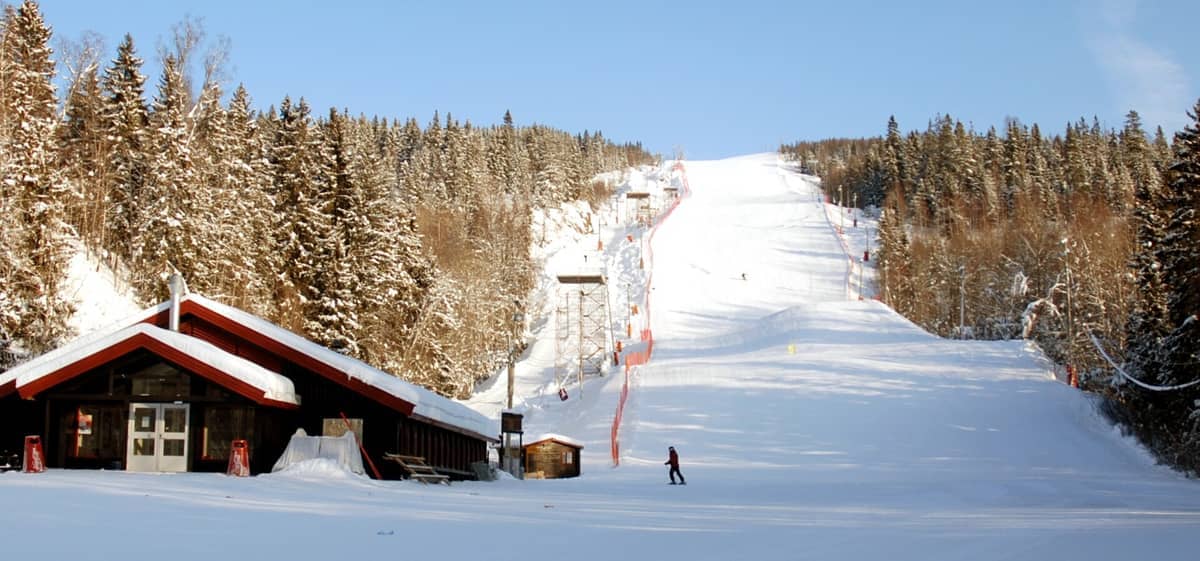
Skimore Oslo, widely referred to in English as Oslo Winter Park at Tryvann, is the city's main ski and snowboard destination. It sits in the Nordmarka forest hills northwest of central Oslo, at an elevation that reliably captures snow from late November through Easter most winters. The address, Tryvannsveien 64, places it squarely in the Holmenkollen area — the same ridge of forested hills that hosts the famous ski jump and a long tradition of winter sport going back over a century.
What makes this park unusual among European ski areas is proximity. From Karl Johans gate in central Oslo, you can be clicking into ski bindings in roughly 30 minutes by metro or car. There is no need for an overnight stay or a rented vehicle. For visitors who happen to be in Oslo during winter and want a few hours on snow, this is a realistic option, not a detour.
The park operates as a year-round activity venue. Winter is its main season, covering skiing, snowboarding, and ski school. Once the snow melts, it shifts into a summer climbing park mode, typically running daily from 10:00 to 18:00. The two seasons serve quite different audiences, though families form the core of both. If you are planning a broader winter visit to Oslo, the Oslo in winter guide covers how Skimore fits alongside other cold-weather activities across the city.
The Winter Experience: Skiing and Snowboarding
Oslo sits at 59 degrees north, and the Tryvann hills rise to around 530 metres above sea level. That combination means reasonably consistent snow cover from December through March in most years, though the season can extend toward Easter when conditions cooperate. The terrain here is not alpine in scale — this is not Verbier or even a mid-sized Alpine resort. The runs are modest in vertical drop and length, and the overall layout suits beginners and intermediate skiers more than experts chasing steep couloirs.
What the park does exceptionally well is atmosphere and convenience. On a clear weekday morning in January, the birch and pine forest is draped in snow, the light is low and golden even at midday, and the lifts move at a pace that rarely produces long queues. The air carries that particular sharp cold smell of northern forest in winter — pine resin, wood smoke drifting from the restaurant, the metallic scent of cold metal on the lift hardware. Weekends change the picture considerably, especially on Oslo's frequent skiing holidays, when families from across the city arrive in numbers.
💡 Local tip
Weekday mornings between 09:00 and 11:30 are consistently the quietest window. If you can visit on a Tuesday or Wednesday, the difference in lift queue length compared to a Saturday afternoon is significant.
The ski school provision is a genuine draw for visitors travelling with children who have never skied before. Norwegian ski culture places children on skis early, and the instruction approach tends to be patient and structured, drawing on a pedagogical tradition that is deeply embedded in the country's relationship with snow. Rental equipment is available on site, meaning you do not need to transport skis from elsewhere.
Tickets & tours
Live prices and dates from our booking partner. If you book, we may earn a commission at no extra cost to you.
Oslo Fjord sightseeing audio-guided electrical boat tour
From 35 €Instant confirmationFree cancellationFjord cruise with live jazz music
From 64 €Instant confirmationFree cancellationLuggage Storage in Oslo
From 6 €Instant confirmationFree cancellationPicturesque dinner cruise in Oslo
From 137 €Instant confirmationFree cancellation
The Summer Season: Climbing Park
When the snow retreats, Skimore Oslo pivots to a treetop climbing park experience. The summer operation runs with varying opening hours depending on the period and weather conditions, so check the current schedule before you go. The climbing structures are set among the same forest that hosted ski runs in winter, so the sensory environment shifts from white silence to the smell of warm pine resin, birdsong, and the specific sound of rope and harness hardware moving through the canopy.
Summer ticket prices are published in NOK and vary by height: NOK 225 for children under 110 cm, NOK 325 for those between 110 and 140 cm, and NOK 425 for those over 140 cm. These figures are current according to the official Skimore Oslo prices page but should be confirmed on the official site before any visit, as seasonal pricing is updated regularly.
The summer park suits active families and visitors who want outdoor activity beyond the fjord and city centre. It pairs naturally with the broader Holmenkollen area, which includes the Holmenkollen ski jump a short distance away. A combined visit to both in a single afternoon is practical and covers two quite different aspects of Norwegian outdoor culture.
Getting There From Central Oslo
The most practical route from central Oslo is the T-bane (metro) Line 1, which runs northwest from the city centre through Majorstuen and up into the Holmenkollen hills. The line terminates at Frognerseteren, passing through stations including Voksenkollen. The journey from the city centre takes roughly 30 minutes. From the relevant station, a short walk through the forest path reaches the park entrance. The path is well-signed and manageable in winter boots, but in icy conditions traction devices are worth considering.
By car, the drive from central Oslo takes a similar amount of time under normal traffic conditions, with parking available at the site. The address for navigation is Tryvannsveien 64, 0791 Oslo. Weekend and school holiday periods can create traffic on the approach road, particularly on Saturday mornings when the ski day is starting.
ℹ️ Good to know
The T-bane Line 1 through Holmenkollen is itself a scenic journey worth noting — the elevated sections above Holmenkollen station offer glimpses across the forested hillside and toward the city below. No extra ticket is required beyond a standard Ruter zone fare.
Ruter tickets cover the metro journey and are available through the Ruter app or at ticket machines. The Oslo public transport guide covers zone fares, ticket types, and the Oslo Pass, which may cover transit depending on the pass variant you hold — verify coverage before relying on it for this journey.
Historical and Cultural Context
The Holmenkollen area has been central to Oslo's identity as a winter sports city for well over a century. The hills above the city are where generations of Norwegians learned to ski as children, and that cultural weight still shows in how naturally locals treat a ski outing here. It is not a special occasion, it is a Tuesday. The surrounding Nordmarka forest, stretching north of the city, is essentially an enormous public outdoor gymnasium used year-round for skiing, hiking, and lake swimming.
Skimore Oslo sits within this landscape as the area's developed ski facility, distinct from the extensive cross-country trail network that fans out from the same hillside. Cross-country skiing in Nordmarka is a separate and deeply local experience; the Nordmarka forest entry covers that side of things in detail. For alpine-style skiing with lifts and groomed pistes, Skimore is the specific answer.
Practical Details: What to Bring and What to Expect
In winter, dress in proper layered ski clothing with waterproof outer layers. The temperatures in the Tryvann hills are consistently colder than central Oslo, often by several degrees, and the wind at the top of the lifts amplifies the chill. Base layers, insulating mid-layers, waterproof ski jacket and trousers, helmet, and gloves are all standard. Helmets are widely worn among children and are generally considered appropriate for adults as well.
Rental equipment is available at the park, covering skis, boots, poles, and helmets for both adults and children. Arriving early to handle rental logistics avoids the midday rush at the rental counter. The on-site restaurant provides warm food and drinks — soup, hot chocolate, and standard Norwegian ski lodge fare. The smell of warm food drifting from the building is often the first thing you notice as you approach the base area.
For the summer climbing park, closed-toe shoes are required. The course involves heights, harnesses, and cable-based safety systems. Children under 110 cm have access to the lower-height circuits; taller participants progress to more challenging configurations. The staff run safety briefings before participants take to the course — allow time for this in your schedule.
⚠️ What to skip
The park operates 'as long as weather conditions allow' — this means closures can happen without much notice if rain, ice, or wind make conditions unsafe in summer, or if snowfall or storms affect winter operations. Check the official Skimore Oslo website or social media on the day of your visit before travelling.
Photography and Viewpoints
The forested hill setting offers pleasant environmental photography but not sweeping panoramic city views from within the ski area itself. For the latter, the nearby Holmenkollen area and the Frognerseteren ridge provide better vantage points. Within the park, the most photogenic conditions occur on clear winter mornings when snow-covered birch trees frame the slopes and the low Nordic sun creates long shadows and warm sidelight across the snow surface — roughly 10:00 to 13:00 on sunny days from December to February.
If combining with a broader Holmenkollen visit for photography and views, the Oslo viewpoints guide identifies the best spots along this ridge for city panoramas.
Who This Attraction Is and Is Not For
Skimore Oslo works well for families with children, beginners and intermediate skiers wanting a low-stress ski day close to the city, and visitors who want to experience Norwegian winter culture firsthand without a multi-day trip to a mountain resort. It also suits city visitors in summer who want active outdoor time beyond urban sightseeing.
Experienced skiers and snowboarders looking for challenging terrain, long vertical descents, or resort-scale variety should look elsewhere. This is not a destination for advanced alpine skiing. Similarly, visitors hoping for the dramatic mountain scenery of western Norway will find the forested hill environment pleasant but not spectacular in that sense. Expectations calibrated to an urban ski facility — convenient, family-oriented, reasonably priced by Norwegian standards — will be met. Expectations calibrated to a full alpine resort will not.
Insider Tips
- If you are in Oslo during a Norwegian school holiday week (vinterferie, typically in mid-February), expect Skimore to be at maximum capacity. Weekdays immediately before or after the holiday week are far quieter.
- The T-bane Line 1 journey up to the Holmenkollen hills is part of the experience — sit on the left side of the train heading up for the best views through the forest and brief city glimpses.
- The on-site restaurant gets crowded between 12:00 and 13:30. Eat an early lunch at 11:30 or wait until after 14:00 to avoid queuing for a table.
- For the summer climbing park, book ahead if visiting on a Saturday in July or August — walk-up availability can run out by mid-morning on peak summer weekends.
- Guests with mobility requirements or special needs should contact Skimore Oslo directly before visiting; the official site notes that restaurant reservations and assistance arrangements can be made through their support contact.
Who Is Skimore Oslo (Oslo Winter Park at Tryvann) For?
- Families with young children wanting a first ski experience close to the city
- Intermediate skiers who want a half-day on snow without travelling far from Oslo
- Summer visitors with kids who want outdoor active adventure beyond museums and fjord boat tours
- Visitors curious about Norwegian winter culture and the role skiing plays in everyday Oslo life
- Oslo Pass holders and budget-conscious travellers who want to limit transport time and costs
Nearby Attractions
Other things to see while in Holmenkollen & Nordmarka:
- Frognerseteren
Perched at the top of the Holmenkollen ridge, Frognerseteren is a landmark timber restaurant dating to 1891, combining traditional Norwegian dragon-style architecture with panoramic views over Oslo and the Oslofjord. It works equally well as a lunch destination, a post-hike reward, or a winter afternoon stop for hot apple cake.
- Holmenkollen Ski Jump
Holmenkollen Ski Jump rises 375 metres above Oslo on a forested hillside, combining one of the world's oldest ski jumping venues with a museum tracing 4,000 years of skiing history. The tower offers some of the most dramatic views in Norway's capital, looking out over the city, the Oslofjord, and the Nordmarka forest.
- Korketrekkeren Toboggan Run
Korketrekkeren is an approximately 2.5 km public toboggan run in the Holmenkollen hills, dropping 255 metres from Frognerseteren to Midtstuen. Free to use and accessible by metro, it's one of Oslo's most genuinely fun winter experiences, for locals and visitors alike.
- Nordmarka Forest
Nordmarka Forest is a vast, freely accessible woodland stretching north from Oslo's city limits — offering hiking, cross-country skiing, and lakeside walks within 25 minutes of the city center. No entrance fee, no ticket booth, just forest. Here is how to make the most of it.
Planning a trip? Discover personalized activities with the Nomado app.