Six Flags México: What to Expect at Mexico City's Biggest Theme Park
Six Flags México, located in the Tlalpan borough of southern Mexico City, is Latin America's most prominent international theme park brand. With a roster of roller coasters, water rides, live shows, and seasonal festivals, it draws both local families and international visitors looking for a break from museum-hopping.
Quick Facts
- Location
- Carretera Picacho–Ajusco Km 1.5, Héroes de Padierna, Tlalpan, Mexico City
- Getting There
- Metro Universidad (Line 3), then microbus "Cruz del Farol" (~40 min); or Metro Miguel Ángel de Quevedo (Line 3) + RTP bus 13-A (~45 min)
- Time Needed
- Full day (6–8 hours recommended)
- Cost
- Dynamic pricing in MXN; season passes and one-day tickets available. Check sixflags.com/mexico for current rates.
- Best for
- Families with kids, thrill-seekers, groups looking for a full-day outing
- Official website
- www.sixflags.com/mexico
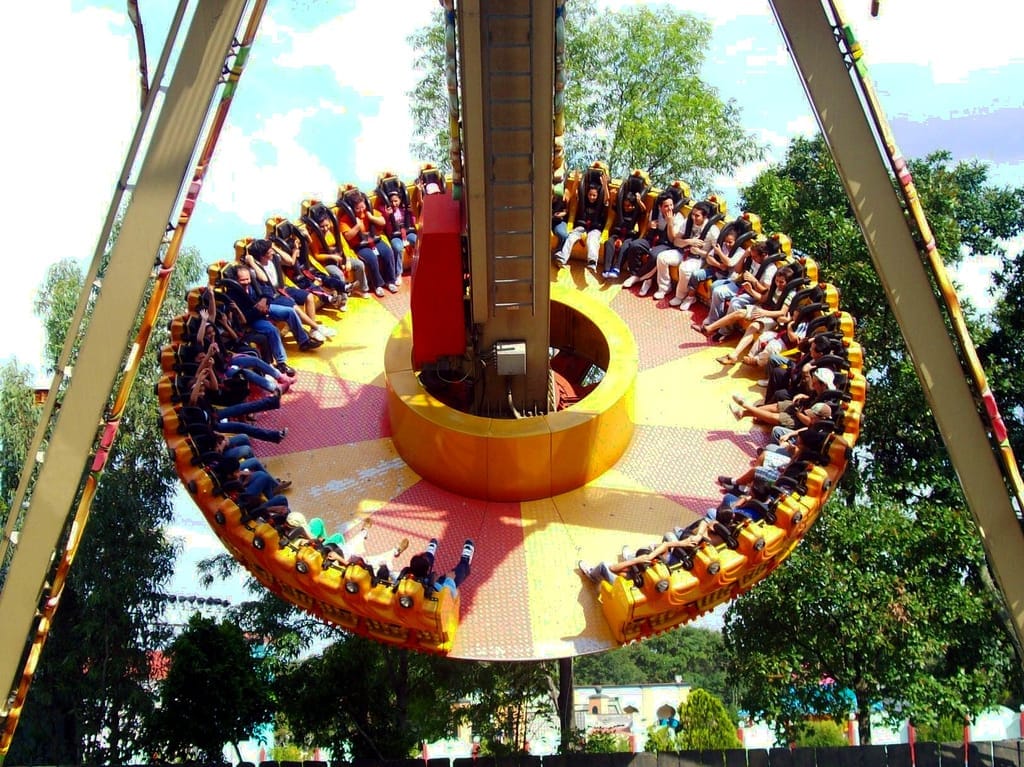
What Six Flags México Is
Six Flags México is a large-format amusement park in the Tlalpan borough of southern Mexico City, located south of the city center at roughly 2,260 meters above sea level. It is the only Six Flags property in Latin America and one of the largest theme parks in the region by ride count. The park spans multiple themed zones and features a full complement of roller coasters, water attractions, flat rides, and dedicated children's areas.
The park's history is longer than most visitors realize. It opened in 1982 under the name Reino Aventura, operating for nearly two decades as an independent Mexican attraction. A piece of genuine pop-culture history: the 1993 film Free Willy filmed key scenes here during the Reino Aventura era, when the park housed a marine life section. Premier Parks acquired the property in 1999 and relaunched it under the Six Flags brand in 2000, gradually replacing and expanding the ride lineup with the coasters and attractions that define it today.
ℹ️ Good to know
Operating hours and park calendars vary significantly by season, school holiday periods, and special event schedules. Always check the current calendar at sixflags.com/mexico before planning your visit, as some weekday hours in the off-season are limited.
The Ride Lineup: What to Prioritize
The park's roller coasters form its main draw. The lineup includes both steel coasters and family-oriented rides, covering a spectrum from high-intensity inverted coasters to gentler circuit rides suitable for older children. For thrill-seekers, the coasters with the longest queues tend to be the ones worth targeting in the first hour of the day, before crowds build. By late morning on weekends or school holidays, wait times for the most popular coasters can stretch considerably.
Beyond the coasters, the park includes water rides that offer genuine relief during Mexico City's warmer months, particularly from March through May when temperatures peak. Flat rides (spinning, drop towers, and swing attractions) fill out the midway, and there are dedicated zones for younger children with scaled-down versions of adult attractions. Ride-specific height and health restrictions apply throughout the park; these are posted at each ride entrance and listed on the official website under the attractions section.
💡 Local tip
Arrive at park opening and head immediately to the two or three highest-demand coasters. By 10:30 a.m. on busy days, queues that were 15 minutes at opening can triple in length.
Tickets & tours
Live prices and dates from our booking partner. If you book, we may earn a commission at no extra cost to you.
Six Flags Amusement Park tickets and transportation
From 87 €Instant confirmationFree cancellationSix Flags Amusement Park tickets with private transfer
From 129 €Instant confirmationFree cancellationPuebla and Cholula guided tour from Mexico City with optional lunch
From 43 €Instant confirmationFree cancellationMexico City exploration game and tour in Chimalistac
From 10 €Instant confirmationFree cancellation
How the Experience Changes by Time of Day
Early morning is the best window at Six Flags México. The air at Tlalpan's elevation carries a noticeable chill until mid-morning, and the light filtering through the trees that border parts of the park makes the walk between attractions more pleasant than the midday sun allows. Crowds are thin, the food stalls are just opening, and the park feels more spacious than it does by noon.
Midday brings the full weight of a busy theme park day: peak queues, food stall lines, and the kind of ambient noise you either tune out or find overwhelming depending on your tolerance. If you're visiting with younger children who need a slower pace, midday is actually when the dedicated children's zones are most lively, with entertainment programming running across the park's stages.
Late afternoon brings a shift. As families with young children begin to leave, ride queues for adult coasters often shorten again. If the park is open for evening hours, particularly during seasonal festivals, the atmosphere changes notably after dark: lighting effects, live music, and themed decorations create a different kind of experience from the daytime visit. The park runs dedicated Halloween and holiday events at certain periods of the year; these are some of the most popular days to visit and also the busiest.
Getting There from Central Mexico City
Six Flags México sits well outside the central neighborhoods most visitors base themselves in, and the journey is a real consideration when planning your day. From Metro Universidad on Line 3, a microbus marked "Cruz del Farol" will take you to the park entrance in roughly 40 minutes. From Metro Miguel Ángel de Quevedo (also Line 3), RTP bus route 13-A serves the park in approximately 45 minutes. Both options are economical and functional, though they involve navigating Mexico City's bus system, which can be unfamiliar to first-time visitors.
For those less comfortable with public transit, ride-hailing apps including Uber, DiDi, and Cabify serve this route reliably. Travel time by car from central areas like Roma or Condesa ranges widely based on traffic, and Mexico City's southern highway corridors can be slow during morning rush hour. If you plan to drive, the park has on-site parking. For a broader overview of moving around the city, the Mexico City transit guide covers all major public transport options in detail.
💡 Local tip
If using public transit, store large bags in a locker at the park entrance rather than navigating the bus system with them. The park's locker area is near the main gate.
Seasonal Festivals and Special Events
Six Flags México runs several themed event seasons throughout the year that significantly alter the park's character. The Halloween event, typically running through October and sometimes into early November, is among the most elaborate, with scare zones, haunted mazes, and theatrical performances overlaid on the regular park operations. Families with young children and those sensitive to horror themes should be aware that portions of the park during this period are explicitly designed to be frightening.
The holiday season brings its own decorated version of the park, and summer months tend to see extended hours and additional live entertainment. Mexico City's calendar is dense with cultural events, and if you're timing your visit around specific city-wide occasions, the best time to visit Mexico City guide offers a broader framework for planning around crowds, climate, and major events across the city.
Practical Details: What to Bring and What to Expect
The park's elevation means weather can shift unexpectedly. Even on clear days, afternoons in Mexico City's rainy season (May through October) regularly bring thunderstorms, and some outdoor rides suspend operations during lightning. A light rain layer takes up little space and can save an otherwise disrupted visit. Sunscreen is important year-round at this altitude, where UV exposure is more intense than visitors from sea-level cities typically expect.
Comfortable, closed-toe shoes are strongly recommended. The park covers a large area with uneven terrain between zones, and after several hours of walking, footwear choice becomes consequential. Dress in layers: mornings can be cool at Tlalpan's elevation, while midday sun in open ride queues can be hot.
Food and beverage options inside the park follow the standard theme park model: casual counter-service restaurants and snack kiosks at premium prices. Outside food policies vary; check current park rules before packing a lunch. Photography is generally permitted throughout the park, but camera policies on specific rides (particularly anything involving harnesses or restraints) are enforced at the loading platform.
⚠️ What to skip
Mexico City's altitude of approximately 2,260 meters above sea level can affect physical exertion tolerance, particularly for visitors arriving from sea-level cities. Drink water consistently throughout the day and take breaks, especially if you notice unusual fatigue or headache.
Worth Your Time?: Who This Is Right For
Six Flags México makes most sense for visitors traveling with children, groups that want a full shared-activity day, or people who simply want a genuine amusement park experience rather than another cultural institution. It is not a destination that offers insight into Mexico City's history, architecture, or culinary scene. For travelers with limited time in the city, the five to six hours the park demands could alternatively cover multiple districts, major museums, and several meals. If your trip is short, the 3-day Mexico City itinerary helps prioritize what actually fits.
That said, for families on an extended visit or parents looking for a day that centers the kids, it delivers what it promises. The park is well-maintained, the ride selection is competitive by Latin American standards, and the setting near the Bosque de Tlalpan gives the surrounding area a greener feel than much of the city's core. For other family-friendly options that offer more cultural depth, Mexico City with kids covers alternatives including interactive museums and outdoor spaces.
Insider Tips
- Buy tickets online in advance through the official Six Flags México website. Gate prices are typically higher, and online purchase lets you skip the ticketing queue entirely on entry.
- Weekdays outside of school holiday periods are dramatically less crowded than weekends. If your schedule allows, a Tuesday or Wednesday visit changes the entire experience.
- The park's season pass often pays for itself within two visits and includes entry to multiple seasonal festivals. If you're in Mexico City for an extended stay or plan to return, it's worth calculating against single-day pricing.
- Water ride queues tend to thin out in late afternoon as visitors start to leave and the temperature drops. If you want to do water attractions without a long wait, aim for the final two hours of the park's operating day.
- Lockers near the main gate are rented by the day rather than by the hour at many theme parks, so secure your bags at entry and retrieve them once before leaving, rather than making multiple trips.
Who Is Six Flags México For?
- Families with school-age children looking for a full-day activity
- Groups of friends or teenagers who prioritize thrill rides over cultural experiences
- Visitors on extended Mexico City stays who want a change of pace from museums and neighborhoods
- Travelers attending the park's Halloween or holiday seasonal events
- Parents who want a day where the kids set the agenda
Nearby Attractions
Combine your visit with:
- Acuario Inbursa
Built beneath Plaza Carso in the Nuevo Polanco district, Acuario Inbursa holds 1.6 million litres of seawater and roughly 14,000 specimens across more than 230 species. It opened in 2014 and remains one of the most technically ambitious aquariums in Latin America. Here is what the visit actually involves, and whether it is worth your time.
- Arena México
Inaugurated in 1956 and holding up to roughly 16,800 spectators, Arena México is the home of CMLL and the most storied lucha libre venue in the world. Matches run on Tuesday, Friday, and Sunday evenings in Colonia Doctores, making it one of the most accessible live spectacles in Mexico City.
- Basilica of Our Lady of Guadalupe
The Basilica of Our Lady of Guadalupe is one of the most visited Catholic shrines on earth, receiving over 20 million pilgrims and visitors each year. Built around the 1531 apparition site on Tepeyac Hill, it holds the venerated tilma of Juan Diego and offers a rare encounter with living Mexican faith at its most intense.
- Cineteca Nacional
The Cineteca Nacional de México is the country's national film archive and its most important arthouse cinema complex. Rebuilt after a devastating 1982 fire and transformed in 2012 into a world-class cultural campus, it combines 10 indoor screens, a large open-air screening forum, galleries, a bookshop, and restaurants in a single destination that attracts cinephiles, students, and casual visitors alike.
Planning a trip? Discover personalized activities with the Nomado app.