Six Flags Great America: The Complete Guide to Chicago's Biggest Thrill Park
Six Flags Great America in Gurnee, Illinois packs 16 roller coasters and a 20-acre waterpark onto 300 acres, making it the Chicago region's largest theme park. Open seasonally from late April through early November, it draws families, coaster fans, and groups from across the Midwest.
Quick Facts
- Location
- 1 Great America Pkwy, Gurnee, IL 60031 – about 45–60 minutes north of downtown Chicago via I-94, depending on traffic
- Getting There
- No direct CTA rail service; best reached by car (I-94 to Grand Ave/IL-132 east) or by Metra Union Pacific North Line to Waukegan, then a taxi or rideshare to the park
- Time Needed
- 6–10 hours for a full day; plan for a full day if you want both the theme park and Hurricane Harbor
- Cost
- Dynamic pricing in USD; check sixflags.com/greatamerica for current single-day, season pass, and membership rates before visiting
- Best for
- Families with older kids, roller coaster enthusiasts, group outings, summer day trips from Chicago
- Official website
- www.sixflags.com/greatamerica
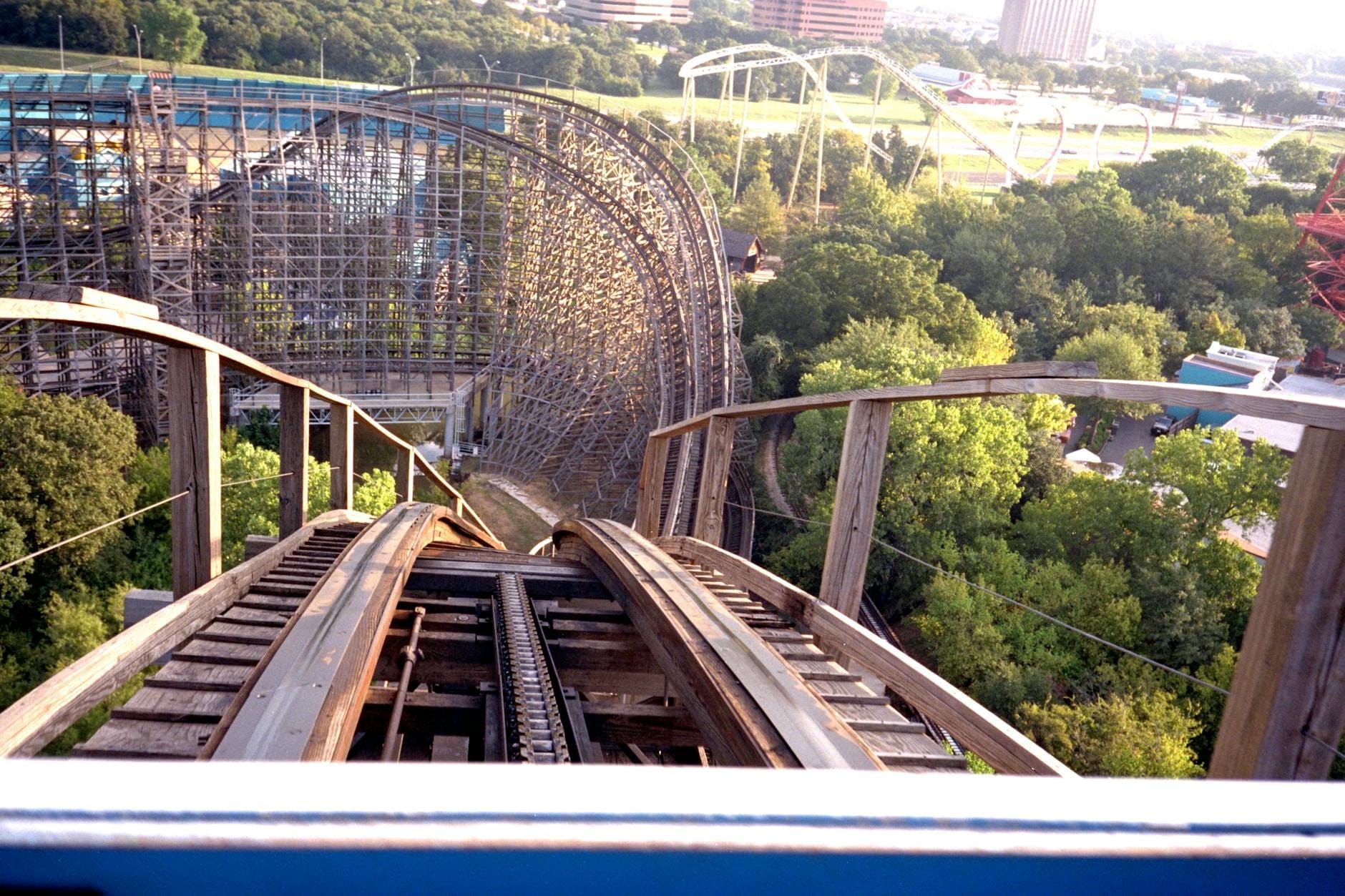
What Six Flags Great America Actually Is
Six Flags Great America is a 300-acre seasonal theme park in Gurnee, Illinois, positioned between Chicago and Milwaukee, roughly 45 miles north of Chicago and 50 miles south of Milwaukee. It is the largest amusement park in the Chicago metro area and the marquee attraction in Lake County. Originally opened on May 29, 1976, as Marriott's Great America, the park has operated under the Six Flags brand for decades and now offers 16 roller coasters alongside flat rides, children's areas, live entertainment, and dining spread across multiple themed zones.
Adjacent to the main park sits Hurricane Harbor, a 20-acre waterpark that is sold separately or as a combo ticket. Together, they fill an entire day with little difficulty. The park runs seasonally from late April through early November, with exact open dates and daily hours varying by year and published on the official site. There are no permanent indoor exhibits or year-round hours, so timing your visit around the official calendar matters.
ℹ️ Good to know
Six Flags uses dynamic pricing, meaning tickets purchased on-site or last-minute cost significantly more than tickets bought weeks in advance online. Check sixflags.com/greatamerica before your trip and buy ahead to get the lowest rate.
Getting There from Chicago
The park sits about 45–60 minutes north of downtown Chicago on a clear traffic day, depending on conditions. From the city, take I-94 or I-294 north, exit at Grand Avenue (IL-132) east, and the park entrance appears immediately on the right. It is a straightforward suburban highway drive, but North Shore and northern Illinois traffic on I-94 can stretch that 45 minutes to 90 minutes or more on summer Friday afternoons and holiday weekends. If you are coming from the Loop, leaving by 8:00 a.m. on peak days is strongly advisable.
There is no direct CTA rail service to the park. Visitors without a car can take the Metra Union Pacific North Line from Ogilvie Transportation Center in the Loop to Waukegan station, then arrange a taxi or rideshare for the remaining distance to Gurnee. This adds complexity and cost, so the park is effectively a drive-first destination. Rideshare drop-off and pickup work fine at the main entrance, though surge pricing during park close can be substantial.
💡 Local tip
Parking is an additional fee on top of admission. Preferred and premium parking spots are available for an extra charge if you want to be close to the gate. General parking is a substantial walk from the entrance, so comfortable shoes matter from the moment you leave your car.
If you are building a broader Chicago trip, the park pairs well with a day in the city before or after. For help structuring multi-day visits, see the 3 days in Chicago itinerary or the guide to Chicago with kids for family-friendly options both in the city and beyond.
Tickets & tours
Hand-picked options from our booking partner. Prices are indicative; availability and final rates are confirmed when you complete your booking.
Six Flags Great America admission tickets
From 50 €Instant confirmationGo City | Chicago All-Inclusive Pass
From 127 €Instant confirmationFree cancellationiFLY Chicago Lincoln Park indoor skydiving experience
From 126 €Instant confirmationFree cancellationiFLY Chicago Rosemont indoor skydiving tickets
From 117 €Instant confirmationFree cancellation
The Rides: What the Park Is Actually Like
With 17 roller coasters, Six Flags Great America has one of the densest coaster collections of any regional park in the U.S. The lineup spans a broad range of intensity, from family-friendly launches to full-inversion steel coasters. The park's coaster variety is a genuine strength rather than marketing language: guests who focus entirely on coasters will find a full day's worth of rides without repeating anything.
The ride experience shifts noticeably as the day progresses. In the first hour after opening, the main coasters run walk-on or very short queues. By 11:00 a.m., headline attractions routinely post 45-to-60-minute waits. By mid-afternoon on a peak summer Saturday, queues on the most popular coasters can reach 90 minutes. Arriving at rope drop and front-loading your must-ride list in the first 90 minutes is the single most effective strategy for maximizing your day.
The park also has dedicated children's areas with scaled-down rides for younger guests, which maintain more manageable wait times through the day. Thrill-seekers and families with small children can often split up effectively, reuniting for meals or shows. That said, guests expecting the polish and technology of Disney or Universal parks should calibrate expectations. The experience here is rides-forward and loud, with food and atmosphere playing supporting roles.
Hurricane Harbor: The Waterpark Add-On
The adjacent Hurricane Harbor waterpark covers 20 acres and is ticketed separately from the main park, though combo options exist. On hot summer days, it draws large crowds and can feel as crowded as the main park. Water slides, a wave pool, and lazy river are the core offerings. If your group has mixed interests between dry rides and water attractions, buying the combo ticket upfront makes more financial sense than purchasing separately at the gate.
Note that the waterpark operates on its own seasonal schedule, which may differ from the main theme park. Days where weather turns cool or overcast can significantly thin Hurricane Harbor crowds, making it an unexpected advantage if the sky is partly cloudy but temperatures remain warm.
⚠️ What to skip
Water shoes or sandals with straps are strongly recommended for Hurricane Harbor. The walking surfaces between attractions get hot in direct sun, and barefoot walking across asphalt and concrete becomes uncomfortable by midday.
Best Times to Visit and What the Day Feels Like
The park operates most smoothly on weekdays, particularly Tuesday through Thursday in July and August. School-day visits in late May and early June can be busier than expected due to school group trips, which pack children's areas and add unpredictable queue pressure to mid-tier rides. Late August weekdays, after most schools resume, are among the lowest-crowd days of the summer season.
Weekends from late June through Labor Day are the peak of peak season. Expect full parking lots by 10:00 a.m., long waits by 11:00 a.m., and the park feeling genuinely packed by early afternoon. The sensory experience on a peak Saturday is overwhelming for some: constant ride noise, recorded music across the midways, food smells ranging from funnel cake to fried chicken layered together, and dense crowd movement in every direction. For guests who find that environment energizing, it is the full experience. For those sensitive to crowds and noise, a midweek September visit is a different park entirely.
September and early October are worth serious consideration. The weather is typically pleasant (Chicago's September mean sits around 19 degrees Celsius), crowds drop substantially, and the park often runs Fright Fest programming on October weekends, which adds seasonal theming, scare zones, and evening entertainment. Fright Fest draws its own crowds, but the daytime park experience before 5:00 p.m. remains far less congested than midsummer.
For broader seasonal context about visiting the Chicago area, the best time to visit Chicago guide covers weather patterns, major events, and how each season affects travel across the region.
Practical Details Worth Knowing
The park's dynamic pricing model means the headline admission number on billboards or tourism sites is almost never what you will actually pay online in advance. Season passes and memberships often pay for themselves quickly if you plan two or more visits in a season or if your family is large. Flash Pass and other queue-skip options are sold separately and are a legitimate consideration on peak days, where they can save hours of waiting.
Outside food and drink are generally not permitted inside the park, though sealed water bottles and food for guests with medical or dietary needs are typically accommodated. Park dining skews toward American fast food at premium prices. Eating before you arrive or after you leave saves money and time without sacrificing much, since the dining options inside are functional rather than distinctive.
Accessibility information, including attraction-specific height requirements and rider eligibility for guests with disabilities, is available through the park's accessibility resources and at Guest Services upon arrival. Policies can change between seasons, so guests who require specific accommodations should review the official site in advance rather than relying on prior-year guidance.
💡 Local tip
Lockers near the main coaster entrances are available for a fee. Most headline coasters prohibit loose articles in seats, including phones in pockets and unsecured bags. Budget time and locker costs into your day if you are riding high-intensity coasters with your group.
Who Should Reconsider This Trip
Six Flags Great America is not the right fit for every traveler or family configuration. Guests with toddlers under approximately four years old will find the ride options limited for that age group, and the full-day commitment in summer heat can be difficult for very young children. Visitors who prioritize cultural experiences, architecture, history, or food-driven travel over amusement rides will get more from a day spent in Chicago itself.
The park is also a genuine all-day time investment. Unlike urban attractions that fit into a two-hour block, Six Flags requires a full day to justify the admission cost and the drive. Travelers with only one or two days in the Chicago area may find that time better spent on the city's museums, lakefront, or neighborhoods. If that describes your trip, the one-day Chicago itinerary offers a focused alternative.
Insider Tips
- Buy tickets online well in advance. The dynamic pricing model rewards early buyers: the same visit can cost meaningfully less when purchased weeks out versus at the gate on the day.
- Arrive at rope drop and ride the top three coasters on your list before 10:30 a.m. Queue times roughly double between 10:00 a.m. and noon on peak days. Getting those rides done early removes the most stressful part of the day.
- Bring a refillable water bottle if the park's current policy allows it, or budget for drinks inside. Summer temperatures in northern Illinois regularly exceed 30 degrees Celsius, and staying hydrated across a 6-to-10-hour park day is a real logistical concern.
- Weekday visits in late August are a sweet spot. Schools have returned, summer vacation crowds have thinned, and temperatures have begun to moderate, but the park is still in full operation.
- If you are visiting during Fright Fest in October, arrive early and knock out your dry rides before 4:00 p.m. The scare zones activate in the evening, so you get a two-experience day: a normal park visit plus the seasonal horror programming.
Who Is Six Flags Great America For?
- Families with children ages 6 and up who want a full theme park day outside the city
- Roller coaster enthusiasts looking for a high-volume coaster lineup in the Midwest
- Groups of teenagers or young adults making a summer day trip from Chicago or Milwaukee
- Visitors extending a Chicago trip with a suburban excursion, especially with a rental car
- October visitors who want a Fright Fest experience without traveling further than the Chicago metro
Nearby Attractions
Combine your visit with:
- Bahá'í House of Worship
The Bahá'í House of Worship in Wilmette, Illinois, is one of the most architecturally singular buildings in North America. Free to enter, open daily, and reachable by CTA from downtown Chicago, it rewards visitors with a 135-foot lace-like dome, meditative silence, and an unusual kind of spiritual calm that transcends denomination.
- Brookfield Zoo Chicago
Brookfield Zoo Chicago is one of the largest and most historically significant zoos in the United States, covering 216 acres about 14 miles west of downtown. With more than 511 species, landmark indoor exhibits, and a genuine conservation mission, it rewards a full day of exploration. But it takes planning to get the most out of it.
- Chicago Air and Water Show
Every August, the Chicago Air and Water Show transforms the lakefront into a grandstand for one of the most spectacular free public events in the United States. Fighter jets, military demonstrations, and precision flying teams perform over Lake Michigan while hundreds of thousands of spectators line the shore from Fullerton to Oak Street.
- Chicago Botanic Garden
A living museum spread across 385 acres and nine islands north of Chicago, the Chicago Botanic Garden offers 27 gardens, four natural areas, and six miles of lake shoreline in Glencoe, Illinois. Whether you visit for a single seasonal bloom or spend a full day exploring Japanese landscapes and native prairies, this guide covers everything you need to plan a worthwhile trip.