Port Stephens: Sydney's Best Coastal Day Trip (and Why Most People Stay Longer)
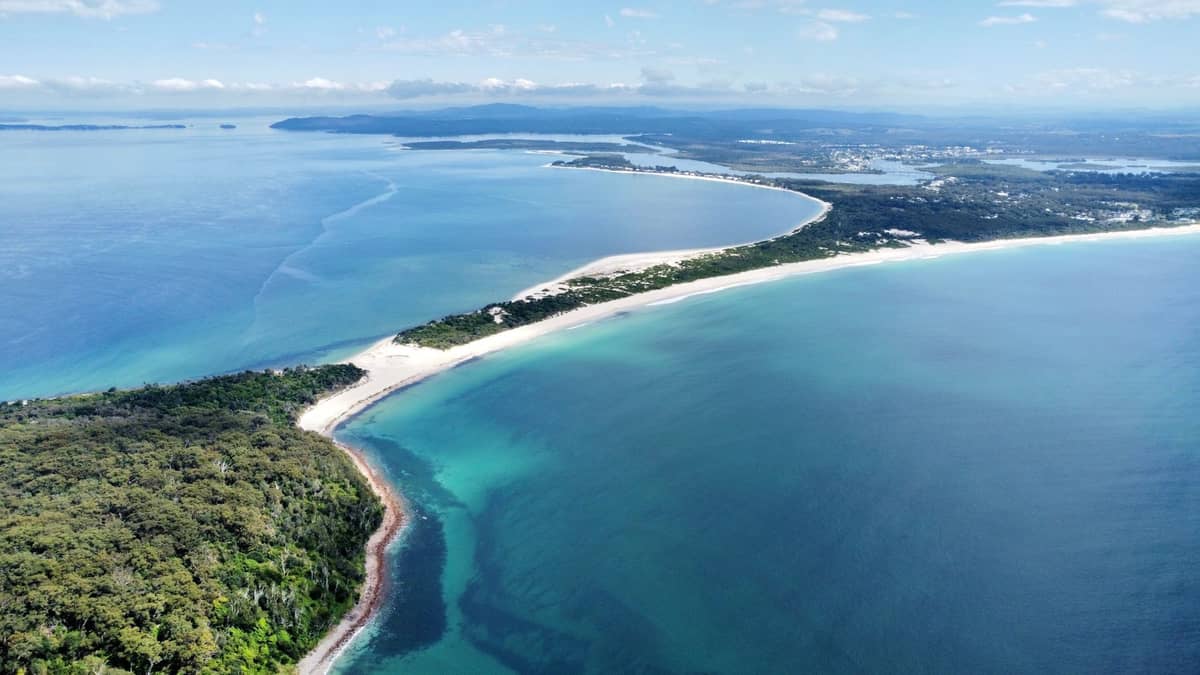
Port Stephens is a harbour region about 2.5 hours north of Sydney, sitting on Worimi Country and known for wild dolphins, towering sand dunes, and sheltered beaches. It works as a long day trip but rewards those who stay at least one night.
Quick Facts
- Location
- Nelson Bay, NSW — approx. 2.5 hours north of Sydney CBD by car
- Getting There
- Drive via Pacific Motorway (M1) and Nelson Bay Road; daily coach transfers from Sydney; Newcastle Airport approx. 25 min away
- Time Needed
- Full day minimum; overnight stay strongly recommended
- Cost
- No admission to the region; individual activities (dolphin cruises, sandboarding, quad bikes) priced separately
- Best for
- Wildlife encounters, beach days, families, couples, nature photography
- Official website
- www.portstephens.org.au
What Port Stephens Actually Is
Port Stephens is not a single attraction but a coastal region centred on a large natural harbour about 2.5 hours north of Sydney. The hub town is Nelson Bay, where the Visitor Information Centre sits at 60 Victoria Parade. From there, a loose collection of beaches, headlands, national park land, and estuary arms fans out in every direction. The region sits on Worimi Country, and the Worimi people have maintained a connection to this coastline and its sand country for thousands of years.
Captain Cook named the harbour on 11 May 1770, after Sir Philip Stephens, then Secretary to the Admiralty. The name stuck, but the geography does most of the talking: Port Stephens has one of the largest natural harbours on the Australian east coast, and its calm inner waters create conditions that support a resident population of Indo-Pacific bottlenose dolphins year-round.
ℹ️ Good to know
The Port Stephens Visitor Information Centre in Nelson Bay is open Monday to Friday 9am–4pm and Saturday 10am–2pm. It is closed Sundays except during NSW school holidays, when it is open 10am–2pm. Public holiday hours vary; confirm hours before visiting. Confirm hours before visiting.
The Dolphins: What the Cruises Are Actually Like
Port Stephens has a resident pod of more than 90 bottlenose dolphins. Unlike whale-watching, where sightings depend on seasonal migration, these dolphins live here permanently. Operators run dolphin-watching cruises from Nelson Bay Marina throughout the year, and the sighting rate on recorded trips is consistently high, though no operator can guarantee encounters.
Morning cruises typically depart between 8am and 11am and tend to coincide with calmer harbour conditions. The light at this hour is also better for photography: low and warm, hitting the water at an angle that lets you see dolphins clearly underwater before they surface. Afternoon light becomes flatter and can make the water harder to read. If you are choosing between sessions, book the earlier one.
The harbour itself is wide and often glassy. On a calm morning, you hear the dolphins before you see them: a sharp exhale as they surface near the bow. The smell onboard is salt and diesel, the boat rocks gently, and guides typically stop engines near the pod to reduce disturbance. Dolphins sometimes ride the bow wake regardless, treating the vessel with complete indifference.
💡 Local tip
Book dolphin cruises at least a day ahead during summer and NSW school holidays. Operators fill quickly, and the better-reviewed vessels have limited capacity. Check directly with Nelson Bay Marina operators for current pricing and departure times.
Tickets & tours
Live prices and dates from our booking partner. If you book, we may earn a commission at no extra cost to you.
The Rocks historic walking tour
From 20 €Instant confirmationFree cancellationBeginner surf lesson at Bondi Beach
From 79 €Instant confirmationFree cancellationSydney whale-watching cruise with breakfast or lunch
From 62 €Instant confirmationFree cancellationBlue Mountains Waterfalls Full-Day Tour with Lunch and Dinner
From 171 €Instant confirmationFree cancellation
Stockton Bight Sand Dunes: Scale That Surprises
The Stockton Bight sand dunes stretch for approximately 32 kilometres south of Anna Bay, making them among the largest moving coastal sand dunes in the Southern Hemisphere. From the road, nothing quite prepares you for the scale: you park, walk a short path through scrub, and then the dunes simply appear, pale and enormous, sloping toward the ocean.
Several operators run quad bike and sandboarding tours from Anna Bay. Sandboarding is exactly what it sounds like: a foam board, a steep dune face, and a long climb back up. The sand is fine and powdery, not the coarse gritty kind. It gets into everything, shoes especially. Wear clothes you do not mind getting sandy, and bring a bag to isolate your camera gear if you carry it.
The dunes change colour through the day. In the early morning, the low light throws long shadows that make every ridge dramatic. By midday in summer, the sand surface temperature becomes genuinely uncomfortable underfoot, so sturdy footwear matters. Late afternoon softens the light again. Photographers tend to favour the hour before sunset for the warm tones and the way shadows restore depth to terrain that looks flat under overhead light.
⚠️ What to skip
Summer midday temperatures on the dunes can be extreme. Bring water, sunscreen, and closed shoes. The sand retains and radiates heat significantly.
Beaches: How to Choose Between Them
Port Stephens has dozens of beaches with very different characters. Shoal Bay is the most family-friendly: calm, north-facing, and within walking distance of Nelson Bay's cafes. The water is clear and rarely has serious surf, which makes it good for children and for swimming without the stress of strong currents. Early mornings here are quiet enough that you might share the water only with a handful of other swimmers and the occasional pelican.
Zenith Beach and Box Beach, accessible via a walking track from Tomaree Head, are smaller and more secluded. The walk to reach them is moderate, about 15 to 20 minutes each way from the carpark at the base of Tomaree Head. The reward is a beach that feels genuinely uncrowded even on a summer weekend, because most day-trippers do not make the effort.
One Mile Beach at Anna Bay is a long, open ocean beach suited to surfing and walking rather than calm swimming. The sand is wide and pale, the waves are consistent, and the beach stretches far enough that it rarely feels crowded even when the carpark is full. It connects to Samurai Beach, which is clothing-optional.
Port Stephens sits on the northern fringe of a stretch of NSW coastline with strong surf culture. If you are planning a broader NSW coastal itinerary, the Sydney coastal walks guide covers similar terrain closer to the city, while Manly Beach and the northern beaches offer a taste of this environment without the full day trip.
Tomaree Head Summit Walk: The Viewpoint Worth the Climb
The Tomaree Head Summit Walk is a short but steep trail, around 2.6 kilometres return, that climbs through heath and coastal scrub to a headland summit with a panoramic view over Port Stephens Harbour, Shoal Bay, and the Pacific Ocean. The trail surface is partly paved and partly rocky; it is manageable for most reasonably fit walkers but not suitable for prams or wheelchairs.
At the top, the scale of the harbour becomes clear in a way it simply is not from sea level. You can see both the calm inner harbour and the open ocean simultaneously, with the Broughton Islands visible offshore. Whale-watching from this headland is productive during the migration season, roughly May to November, when humpback whales move along the NSW coast. Bring binoculars if you have them.
The summit also holds remnants of World War II fortifications: gun emplacements that were installed to protect the harbour from potential naval attack. They are weathered concrete now, covered in lichen, but they give the place a historical weight that the view alone does not.
💡 Local tip
Start the Tomaree Head walk by 8am in summer. The exposed sections of the trail have no shade, and by mid-morning the combination of sun and exertion becomes uncomfortable. The summit view is also clearest before coastal haze builds.
Getting There from Sydney and Planning Your Time
The drive from Sydney to Nelson Bay takes approximately 2.5 hours via the Pacific Motorway (M1) and then Nelson Bay Road. Traffic through the Hawkesbury River corridor and on the approaches to Nelson Bay can add 30 to 60 minutes on Friday afternoons and Sunday evenings during school holidays. If you are driving, leaving Sydney before 7am on a day trip gives you the most usable time at the destination.
Daily coach transfers operate from Sydney, which is a useful option if you want to avoid driving. Newcastle Airport sits about 25 minutes from Nelson Bay and is served by domestic flights, making it a practical entry point for visitors coming from interstate.
A single day technically covers the highlights: a morning dolphin cruise, lunch in Nelson Bay, and an afternoon at the dunes or beaches. But the region is genuinely better over two days. The pace changes, you can explore the quieter beaches, and you avoid the pressure of racing back to Sydney before dark. Accommodation ranges from self-contained holiday units to larger resort properties around the bay.
For context on how Port Stephens fits within a broader NSW itinerary, the day trips from Sydney guide covers it alongside other regional options including the Blue Mountains and the Hunter Valley.
Wildlife Beyond the Dolphins
Port Stephens sits adjacent to Myall Lakes National Park, and the wider area supports a range of wildlife that visitors encounter without specifically seeking it out. Pelicans are common around the marina and fish-cleaning stations; they are large, patient, and entirely unintimidated by people. The morning pelican feeding at Nelson Bay Marina draws a reliable crowd and is worth watching even if it sounds like a tourist cliche.
Koalas have been recorded in the eucalypt stands of the Tomaree National Park section, though sightings are not reliable and should not be treated as a guaranteed attraction. Humpback whale sightings from Tomaree Head are more predictable during the migration season. Shorebirds, including oystercatchers and various tern species, work the beaches at low tide.
If wildlife is the primary motivation for your trip, it is worth reading the Sydney wildlife guide first to calibrate expectations and understand which encounters require planning versus which happen incidentally.
Who Should Think Twice
Port Stephens is a region, not a condensed attraction. Visitors who prefer dense, walkable urban sightseeing will find the distances between points of interest frustrating without a car. Public transport within the region is limited; you need either your own vehicle or to join organised tours to move between the dunes, the headland walks, and the beaches efficiently.
The region is also relatively expensive compared to other NSW day trips, particularly if you add a dolphin cruise, a dune activity, and accommodation. Budget travellers who have already stretched for the activity costs may find the restaurant and cafe prices in Nelson Bay add up quickly. Self-catering accommodation and picnic supplies from the local IGA can reduce costs meaningfully.
Insider Tips
- The pelican feeding at Nelson Bay Marina typically happens in the morning around the fish-cleaning tables. No formal schedule is advertised, but arrive by 8am and watch for where the pelicans congregate near the cleaning station.
- If you want to visit both the Stockton Bight dunes and Tomaree Head on the same day, do the headland walk first thing in the morning while it is cool, then head to the dunes for an activity session before the midday heat peaks.
- Shoal Bay is the calmer family beach, but if you continue past the main beach area along the foreshore path toward the national park boundary, the crowds thin noticeably within about a 10-minute walk.
- The drive along Gan Gan Road above Nelson Bay offers elevated harbour views without the walk. It is underused by visitors and provides a useful orientation perspective when you first arrive, before deciding where to spend your time.
- Newcastle Airport's domestic connections mean Port Stephens works as a fly-in, drive-out or fly-in, fly-out itinerary for interstate visitors who want to avoid the Sydney traffic corridor entirely.
Who Is Port Stephens For?
- Families with children who want calm beaches, wildlife encounters, and outdoor activity without complex logistics
- Couples looking for a relaxed coastal overnight trip within easy reach of Sydney
- Wildlife and nature photographers, particularly during whale migration season (May to November)
- Visitors who have already covered Sydney's city highlights and want a genuine contrast
- Travellers interested in the NSW coast but wanting somewhere less crowded than Bondi or the Northern Beaches
Nearby Attractions
Combine your visit with:
- Blue Mountains National Park
Blue Mountains National Park covers around 268,000 hectares of sandstone plateaus, deep gorges and temperate rainforest west of Sydney. It is a popular national park in New South Wales and one of the most rewarding day trips or overnight escapes from the city, provided you know where to go and when to arrive.
- Featherdale Wildlife Park
Featherdale Sydney Wildlife Park in Doonside is one of the few places near Sydney where you can get genuinely close to Australian wildlife, from koalas and wombats to Tasmanian devils and freshwater crocodiles. Open daily from 8:00 am, it suits families and animal lovers who want more than a glimpse through a fence.
- Figure Eight Pools
Figure Eight Pools are naturally formed rock pools on the coastal shelf of Royal National Park, south of Sydney. Reaching them requires a 6km return walk over steep terrain and careful timing around tides and surf. The reward is a striking geological curiosity in one of Australia's oldest national parks.
- Hunter Valley Wine Region
The Hunter Valley is Australia's oldest premium wine-producing region, sitting roughly two hours north of Sydney. Spread across 2,605 hectares of vineyard land near the village of Pokolbin, it rewards visitors with cellar door tastings, open countryside, and a pace that feels genuinely removed from city life. Whether you come for a single afternoon or a full weekend, understanding how the region works before you arrive makes a real difference.
Planning a trip? Discover personalized activities with the Nomado app.