Polonezköy Nature Park: Istanbul's Forest Retreat with a Polish Soul
Polonezköy Nature Park (Polonezköy Tabiat Parkı) is Istanbul's first and largest nature park, covering 3,004 hectares on the Asian side of the city. Founded around a 19th-century Polish immigrant village, it offers trail walking, picnic areas, and a genuinely rural atmosphere less than 40 km from the city center.
Quick Facts
- Location
- Polonez village, Beykoz district, Asian side — approx. 34 km from central Istanbul
- Getting There
- No direct metro. By car: ~35 min. By bus: IETT from Kavacık Köprüsü with transfer (~1h 7m). Taxi also available.
- Time Needed
- Half day (3–4 hours) minimum; full day recommended for hiking and village exploration
- Cost
- Admission charged; exact fees vary by facility. Verify on-site or with local operators before visiting.
- Best for
- Nature walks, family picnics, history interest, weekend escapes from city noise
- Official website
- visit.istanbul/polonezkoy-natural-park
What Polonezköy Actually Is
Polonezköy Nature Park (Polonezköy Tabiat Parkı) is not a manicured city park. It is a large, largely undisturbed forest on the Asian hills of Istanbul, declared a protected nature park in 1994 — the first such designation in the city. The park covers roughly 3,004 hectares of oak, beech, and pine forest across rolling terrain in Beykoz district, making it the largest nature park in Istanbul by some distance.
At its center sits Polonezköy village, a settlement with an origin story that stands apart from anything else in the Istanbul metropolitan area. Polish émigrés, fleeing persecution after the failed uprisings of the early 19th century, were granted land here by the Ottoman Sultan. They founded a community that preserved Polish language, Catholic faith, and agricultural traditions for generations. The village still carries that identity today, with a small church, farmhouses, and guesthouses that feel more Central European than Anatolian.
ℹ️ Good to know
The park entrance and facilities do charge admission, but fees are not consistently published online and can change seasonally. Budget time to confirm costs at the gate or by contacting local operators in advance.
The Forest: What You Actually Encounter on the Trails
The trails here are unpaved and natural, cutting through a forest that feels thick and quiet once you move away from the picnic zones near the entrance. On weekday mornings, the dominant sounds are bird calls and the crunch of leaves underfoot. The air carries the resinous smell of pine and, after rain, the particular richness of damp clay soil — a sensory contrast to the exhaust fumes and sea air that define most of Istanbul.
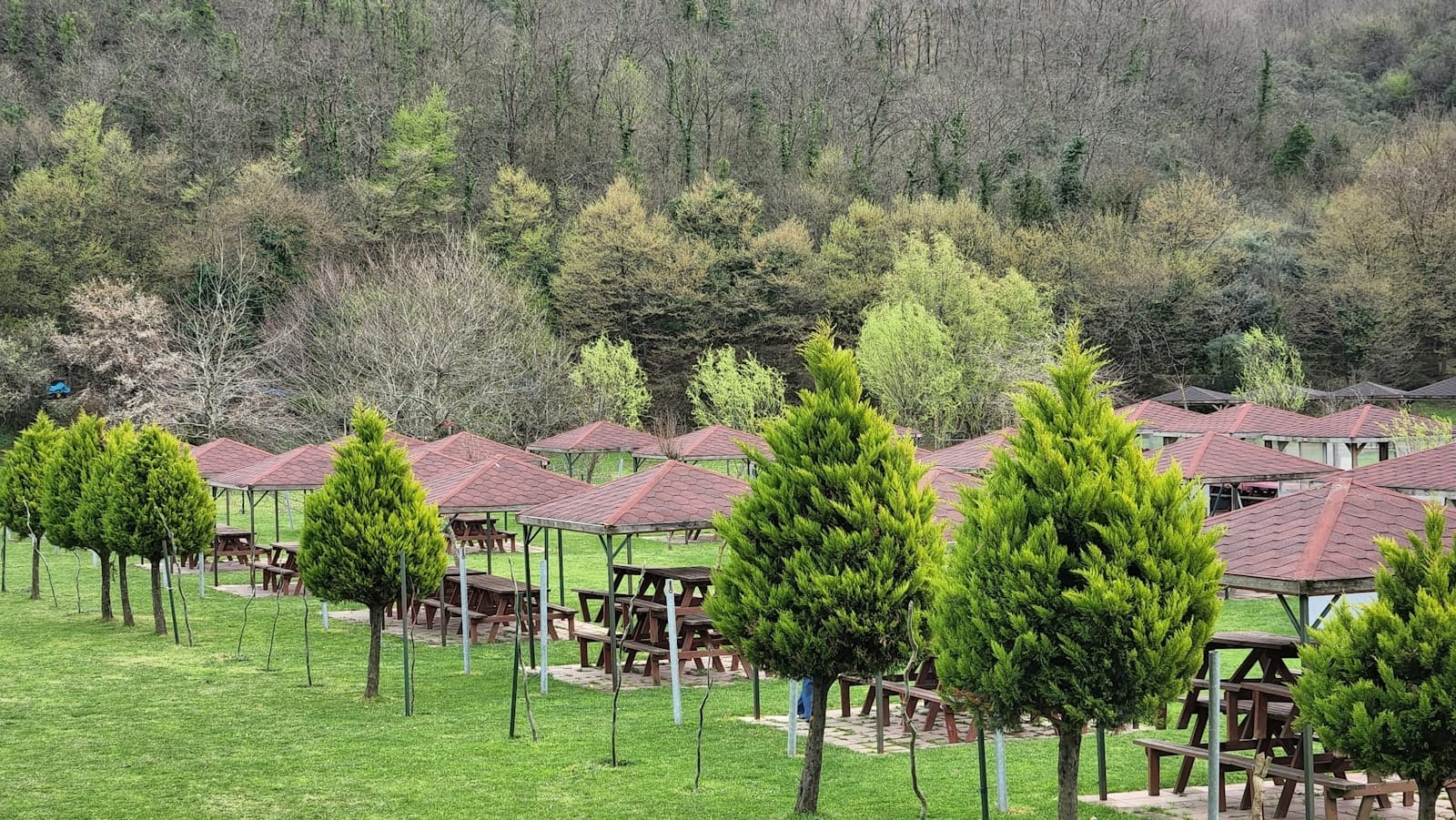
The terrain is hilly. Comfortable walking shoes or light hiking boots are advisable; some paths become slippery after rain, and the ground can be uneven in stretches. Many of the well-worn routes lead to open picnic clearings with wooden tables and stone grills. Families spread out early on weekend mornings, claiming the better-shaded spots by 9:00 or 10:00. If you arrive after 11:00 on a sunny Saturday or Sunday, expect the most popular picnic areas to be well-occupied.
The park has no dedicated trail map widely distributed at the entrance, so downloading offline maps or noting key waypoints before arrival is practical advice. Runners also use the forest regularly — it features in the Great Runs Istanbul route database as one of the few properly forested running routes accessible from the city. For a broader view of green escapes near Istanbul, the Belgrad Forest on the European side offers a comparable experience, though with a different character.
Tickets & tours
Hand-picked options from our booking partner. Prices are indicative; availability and final rates are confirmed when you complete your booking.
Bosphorus sunset cruise on luxury yacht with guide
From 55 €Free cancellationIstanbul and Bosphorus cruise on private boat - half day afternoon tour
From 40 €Instant confirmationFree cancellationWhirling Dervishes live show and exhibition
From 29 €Instant confirmationBasilica Cistern fast-track entry ticket and optional audio guide
From 34 €Instant confirmation
How the Experience Changes Through the Day
Early morning, roughly between 07:00 and 09:00, is when the park is at its most atmospheric. Mist sometimes sits between the trees on autumn and spring mornings, and the light through the canopy is low and directional. This is the hour for photography if the forest itself is your subject. Village life also begins quietly at this time: you may hear roosters from the farmhouses, and the smell of wood smoke drifts from chimneys in the cooler months.
Midday on weekends transforms the picnic areas into something closer to a large outdoor gathering. Istanbul families arrive in groups, charcoal grills are lit, and the sound of conversation fills the clearings. This is neither better nor worse — it is simply a different experience, more social and festive. If you find this appealing, join it. If you came for solitude, use midday to walk deeper into the forest where the crowds thin noticeably.
Late afternoon light, particularly in spring and autumn, filters through the upper canopy at a low angle that turns the forest floor amber. It is worth staying past 16:00 if you can manage the return journey, as this window is beautiful and the crowds have often begun to thin.
The Village: Polish Heritage in a Turkish Forest
Walking through Polonezköy village after a forest trail adds a layer to the visit that most casual day-trippers miss. The settlement is small, the streets are unhurried, and the architecture is distinctly different from any Ottoman-era neighborhood in the city. Wooden-framed farmhouses, some with vegetable gardens still in use, line the lanes. The Catholic church is the most visually striking point of difference: a small stone building that could be transposed to rural Poland without anyone noticing.
The village has several guesthouses and farm restaurants that serve generous, meat-heavy meals. Portions lean toward Turkish rural cooking rather than anything specifically Polish at this point, but the setting is the draw. Tables are often set in garden courtyards under fruit trees. If you plan to eat here, arrive early or reserve ahead for weekends, when Istanbul residents regularly drive out specifically for lunch.
The history of Polonezköy connects directly to a broader theme of Istanbul as a city of refuge and layered identities. For travelers already interested in that thread, exploring the Ecumenical Patriarchate in Fener or the Greek and Armenian architecture of Kuzguncuk on the same Asian-side day trip extends the theme usefully.
Getting There: Practical Logistics
Polonezköy is in Beykoz district on the Asian side, roughly 34 km from central Istanbul. There is no metro or tram connection. By car, the drive takes approximately 35 minutes under reasonable traffic, though Istanbul's variable congestion means this can extend considerably on weekend mornings. Driving is by far the most flexible option, giving you control over arrival time and the ability to carry a packed lunch or gear.
By public transport, the practical route involves taking IETT buses toward Beykoz or Kavacık on the Asian side, followed by a transfer to local services heading toward Polonezköy. Rome2Rio estimates total journey time at around 1 hour and 7 minutes with transfers, though actual times depend on connections and traffic. An Istanbulkart covers the bus portions. Taxi from Asian-side neighborhoods is approximately 35 minutes and avoids the transfer complexity.
💡 Local tip
If driving, aim to arrive by 09:30 on weekends. Parking near the main picnic entrances fills up quickly, and roadside parking along the approach road becomes congested from mid-morning.
This is a destination that fits naturally into a broader Asian-side Istanbul itinerary. Combining it with a morning in Beykoz or an afternoon stop in Anadolu Kavağı on the upper Bosphorus makes for a coherent day away from the historic peninsula.
When to Visit and What Weather Does to the Experience
Spring (April to early June) is the strongest season for Polonezköy. The forest is actively green, wildflowers appear at the trail edges, and temperatures are mild enough for sustained walking. Autumn (late September through November) is the second-best window, when the foliage turns and the forest takes on a different color register. The general spring bloom makes this a period when the park is at its most photogenic.
Summer visits are possible but come with heat, higher insect activity, and peak weekend crowding. The shade cover is significant and helps, but the picnic areas become very busy on clear weekends in July and August. Winter is quieter and the bare-canopy forest has a spare, graphic quality that some visitors find appealing, but muddy paths and shorter daylight hours are real constraints. Rain at any season makes the unpaved paths slippery and reduces visibility in the forest.
For a fuller picture of how Istanbul's seasons shape outdoor visits, the best time to visit Istanbul guide covers the tradeoffs in detail.
Accessibility and Who This Does Not Suit
The terrain is not accessible for visitors with significant mobility limitations. Trails are unpaved natural paths over hilly ground, and even the flatter picnic zones involve uneven surfaces. There are no dedicated accessible facilities marked on public-facing information. Visitors using wheelchairs or with reduced mobility will find the park difficult to navigate beyond the immediate road-access areas.
Travelers whose primary interest is Ottoman or Byzantine history, grand architecture, or urban cultural experiences will find Polonezköy low on those fronts. The village history is interesting, but it requires engagement with a quieter, more subtle story. If you are allocating limited days in Istanbul to major monuments, Polonezköy is not the priority. It earns its visit for travelers who actively want to step outside the city's monument circuit.
Insider Tips
- The village's farm restaurants fill up fast on weekends. If you want lunch with a garden table, either arrive before noon or call ahead the day before — many operate informally and can reserve a table by phone.
- Pack your own water and snacks regardless of plans. Facility availability within the forest itself is limited and inconsistent outside the main picnic areas near the entrance.
- Weekday visits — especially Tuesday through Thursday — offer a fundamentally different experience from weekends. The forest is quiet, the paths are uncrowded, and the village moves at its own slow pace. If you can manage a weekday, it is the better choice.
- The Polonezköy Zoo operates as a separate attraction within the broader village area. It is worth knowing about if you are visiting with young children, but it is distinct from the nature park itself.
- Bring a portable charger. Mobile signal in parts of the forest is patchy, and offline maps downloaded before arrival are more reliable than hoping for data coverage on the trails.
Who Is Polonezköy Nature Park For?
- Istanbul residents or long-stay visitors who want a genuine break from city density
- Families with children who want outdoor space, picnic areas, and room to move
- Hikers and trail runners looking for a forested route within the Istanbul metropolitan area
- Travelers with an interest in minority heritage and the non-Ottoman layers of Istanbul's history
- Photographers targeting forest landscapes, autumn color, or village architecture
Nearby Attractions
Combine your visit with:
- Ağva
Ağva is a small resort town in Istanbul's Şile district where the Göksu and Yeşilçay rivers converge at the Black Sea coast. About 115 km from the city center, it draws Istanbulites seeking calm water, forested riverbanks, and a pace of life that the megacity simply cannot offer. This guide covers how to get there, what to expect, and whether it suits your trip.
- Belgrad Forest
Belgrad Forest (Belgrad Ormanı) is a 5,442-hectare forested reserve on Istanbul's European side, about 20 km north of the city center. Once an Ottoman hunting ground and water source, it now serves as the city's primary green lung, offering walking trails, picnic areas, and centuries-old dams.
- Büyükada (Princes' Islands)
Büyükada is the biggest of Istanbul's Princes' Islands, sitting in the Sea of Marmara about 20 km from the city center. No private cars, no exhaust fumes, no urban noise. Just Victorian-era wooden mansions, pine-scented hills, Byzantine monastery ruins, and a ferry pier busy with Istanbulites escaping the city for the day.
- Heybeliada
Heybeliada, the second largest of the Princes' Islands in the Sea of Marmara, offers a rare counterpoint to Istanbul's intensity. With motor vehicles banned, the island moves at the pace of bicycle wheels and electric shuttles, framed by 19th-century wooden mansions and the scent of pine.