Malta National Aquarium: 52 Tanks, 250+ Species, and One Starfish Dome
The Malta National Aquarium in Qawra is the island's only large-scale public aquarium, housed in a striking white dome on the seafront. With 52 tanks spanning Mediterranean fish, jellyfish, reptiles, and invertebrates, it offers a solid half-day experience that works especially well for families and those curious about the marine life surrounding the Maltese archipelago.
Quick Facts
- Location
- Triq It-Trunciera, Qawra (San Pawl il-Baħar), northern Malta
- Getting There
- Accessible by Malta Public Transport bus; on-site multi-storey car park available
- Time Needed
- 1–2 hours
- Cost
- Paid entry; online tickets typically €1–2 cheaper than door price; valid for unlimited same-day re-entry
- Best for
- Families, rainy-day escapes, marine life enthusiasts, travellers combining with a north Malta day
- Official website
- www.aquarium.com.mt
What the Malta National Aquarium Actually Is
The Malta National Aquarium opened in October 2013 on Qawra Point in northern Malta, nearly two decades after the project was first conceived in 1993. Construction finally began in 2011, co-financed roughly 49% by the European Union and the rest through private partnership. The result is a purpose-built aquarium facility set right on the waterfront, unmistakable from the road thanks to its large white starfish-shaped dome that functions as the main entrance structure.
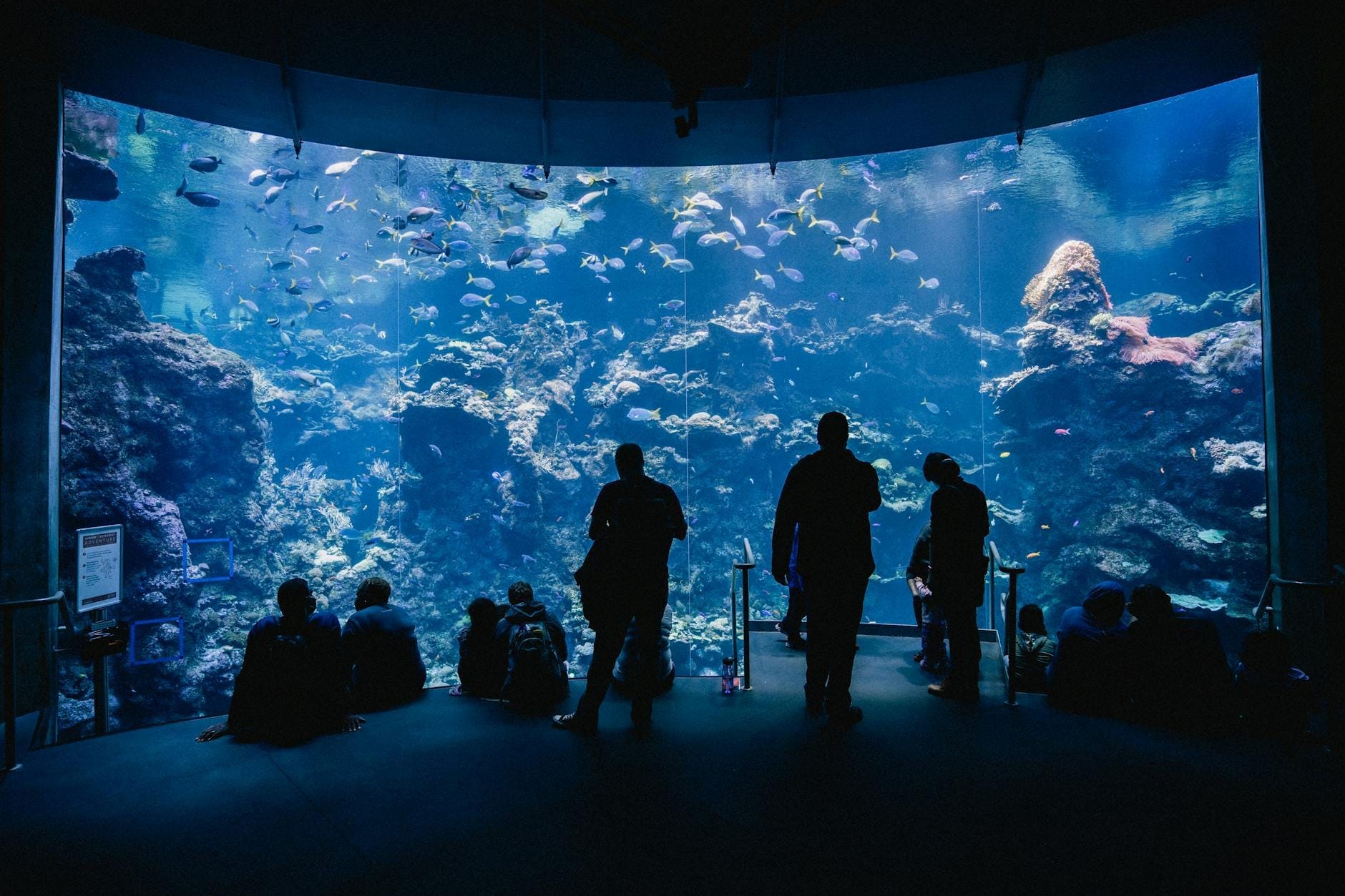
Inside, 52 tanks display more than 250 species across several themed zones. The collection is broad by design rather than deep: Mediterranean sea life forms the backbone, including groupers, sea breams, moray eels, and cat sharks, but the aquarium extends into freshwater habitats, jellyfish displays, and a terrestrial reptile and invertebrate section that surprises visitors who came expecting only fish. Expect to see octopuses, clown fish, snakes, iguanas, leopard lizards, and tarantulas alongside the more expected marine species.
💡 Local tip
Book tickets online at aquarium.com.mt before you arrive. Online tickets are approximately €1–2 cheaper per person than door prices and give you unlimited same-day re-entry, so you can leave for lunch and come back.
Moving Through the Building: What You See and How It Flows
The layout is intuitive. Visitors move through progressively deeper and larger tanks as they go further into the facility, a common aquarium design approach that builds anticipation. The shallower coastal Mediterranean displays come early, giving children immediate engagement with recognisable species like clown fish and sea horses before the darker, larger shark and ray tanks appear later in the circuit.
Lighting inside the tanks is calibrated to feel dim and blue in the marine sections, which creates a calm, immersive quality. The jellyfish display, backlit against dark tanks, tends to be a standout for visitors of all ages. Sound levels inside are moderate on quieter mornings and noticeably livelier on weekend afternoons when school groups and families with young children are at their peak.
The reptile and invertebrate section is housed separately from the main marine exhibits. Some visitors find this section a pleasant surprise; others who came specifically for fish content may find it feels like a different attraction grafted onto the aquarium. Whether you linger here depends heavily on your interests, but tarantulas and large iguanas sharing space with saltwater tanks does make for an unusual combination.
ℹ️ Good to know
The aquarium also operates behind-the-scenes facilities including a laboratory, quarantine rooms, and food preparation areas. These are not typically part of the standard visitor route but underline that this is a working scientific facility, not just a display venue.
Tickets & tours
Live prices and dates from our booking partner. If you book, we may earn a commission at no extra cost to you.
Best Time to Visit and How Crowds Behave
The aquarium is open daily from 10:00 AM to 8:00 PM, with last entry at 7:30 PM. Weekday mornings between 10:00 AM and 12:00 PM are consistently the quietest period. Weekend afternoons, particularly from around 1:00 PM to 4:00 PM, draw the largest crowds. If you have flexibility, a Thursday or Friday morning visit avoids the weekend family surge without sacrificing the experience.
Weather matters more here than at most indoor attractions because the aquarium sits beside a beach club and outdoor terrace area. On hot summer afternoons, visitors who might otherwise head to the coast divert inside, meaning July and August afternoons see higher foot traffic than the rest of the year. Conversely, the aquarium becomes a genuinely practical choice on rainy winter days when outdoor Malta options close off. For families travelling with young children, this is the single best rainy-day indoor option in the north of the island.
Malta's summer heat can make midday outdoor sightseeing uncomfortable. The aquarium's air-conditioned interior makes it a logical choice to pair with a morning visit to nearby Golden Bay or a morning swim at Mellieha Bay before retreating indoors during peak heat.
Getting There: Transport and Parking
Qawra is well connected to the rest of Malta by the Malta Public Transport bus network. Several routes serve the Qawra and Bugibba area from Valletta and other main centres. The journey from Valletta takes roughly 45–60 minutes by bus depending on the route and time of day. Check the Malta Public Transport app or website for live route numbers before travelling, as route changes do occur.
If you are driving, the aquarium has a multi-storey car park on site, which removes the usual stress of finding street parking in northern Malta's busy coastal strip. This is a genuine advantage compared to many other attractions on the island. Ride-hailing apps including Bolt and Uber operate in Malta and can drop you directly at the entrance.
Facilities, Food, and Practical Logistics
The aquarium includes a restaurant, a beach club, a children's play area, and a merchandise outlet. The restaurant and beach club are on the seafront side of the building, looking out over the water, and are open to visitors not paying aquarium admission. This means the site draws a separate crowd of diners and sunbathers, particularly in summer.
A tourist information kiosk operates within the complex, which can be useful if you are still planning the wider leg of your Malta trip. There is also a merchandise shop near the exit with the standard range of marine-themed souvenirs. The children's play area is positioned so parents can watch while children decompress after the indoor exhibits.
Accessibility at the Malta National Aquarium is generally reasonable for a purpose-built modern facility. The building was constructed to current standards, and public transport as well as private vehicle access are both viable. If you have specific mobility requirements, contact the aquarium directly at (+356) 2258 8100 or info@aquarium.com.mt before your visit to confirm current conditions.
⚠️ What to skip
Admission prices on the official website should always be checked before visiting, as they are not republished here to avoid outdating. Current prices, hours, and any seasonal changes are confirmed at aquarium.com.mt.
Honest Assessment: Is It Worth Your Time?
The Malta National Aquarium is a well-maintained, professionally run attraction that fulfils its purpose without overpromising. For families with children under 12, it is one of the strongest half-day options on the island, with enough variety in the tanks to keep different age groups engaged. For adult travellers with a specific interest in Mediterranean marine life, the breadth of species on display offers genuine educational value, especially given how many of these fish you may have already seen while snorkelling or diving in Maltese waters.
Keen divers or those planning to get underwater should note that the aquarium gives a useful overview of what they will encounter, but it does not replace the real thing. Malta's dive sites are world-class, and our Malta diving guide covers the best spots in detail. For a specific dramatic contrast, consider visiting the aquarium and then booking a boat trip to see the same species in their natural habitat.
Travellers who should reconsider: if you are visiting Malta on a short trip with limited days, spending two hours in an aquarium means trading off Valletta's baroque streets, Mdina's medieval lanes, or the coastline itself. The aquarium is not in the same category as Malta's genuinely singular attractions. It is a good aquarium, not a great one by international standards, and visitors arriving from cities with large world-class aquariums may find the scale modest. It is, however, priced and sized appropriately.
If you are building a full day in the north of Malta, the aquarium combines naturally with nearby Popeye Village or a swim at Paradise Bay. For a full itinerary framework covering the rest of the island, the 7-day Malta itinerary provides a practical day-by-day structure.
Insider Tips
- Purchase tickets online in advance. The saving of €1–2 per person is secondary to the unlimited same-day re-entry benefit, which lets you leave for a seafront lunch and return without paying again.
- Visit on a weekday morning to avoid the weekend school-group rush. By 10:30 AM on a Tuesday or Wednesday, the jellyfish and shark tanks are often quiet enough to stand and watch undisturbed for several minutes.
- The restaurant and beach club are accessible without paying aquarium admission. If you are travelling with adults who are less keen on fish tanks, they can eat or sit by the water while others complete the circuit inside.
- The reptile and invertebrate section often gets skipped by visitors who assume it is optional filler. The tarantula and iguana displays are genuinely unusual and worth 15 minutes even for adults.
- If you are combining the aquarium with a north Malta beach day, go to the beach first. The afternoon sun on Maltese beaches is intense in summer, and transitioning from sand to the cool, dim interior of the aquarium in the early afternoon is a natural rhythm that works well logistically and physically.
Who Is Malta National Aquarium For?
- Families with young children looking for a structured, shaded half-day activity
- Travellers visiting Malta during rain or off-season who want an indoor option with real content
- Snorkellers and divers wanting to identify species before getting in the water
- Visitors building a full-day itinerary in northern Malta combining beach and indoor attractions
- Anyone with a specific interest in Mediterranean marine ecosystems or aquatic biodiversity
Nearby Attractions
Combine your visit with:
- Blue Grotto
The Blue Grotto is a cluster of sea caves cut into Malta's southern limestone cliffs, accessible only by small traditional boats. The vivid phosphorescent blues inside are striking in morning light, but the experience depends heavily on sea conditions and timing.
- Dingli Cliffs
Standing at 253 metres above the Mediterranean, Dingli Cliffs form the most dramatic natural viewpoint in Malta. The clifftop road offers sweeping open-sea panoramas, a centuries-old limestone chapel at the edge, and a sunset that turns the rock face deep amber. No admission, no crowds (if you time it right), and no guide required.
- Għajn Tuffieħa Bay
Għajn Tuffieħa Bay sits on Malta's northwest coast, separated from the road by more than 200 steep steps — a deliberate filter that keeps it quieter than most Maltese beaches. The reward is a wedge of reddish-orange sand framed by green clay cliffs, a 17th-century watchtower on the headland, and water that shifts from pale aquamarine to deep cobalt by midday.
- Għar Dalam
Għar Dalam is a 144-metre cave in Birżebbuġa that preserves the bones of dwarf elephants, hippos, and bears from Malta's prehistoric past. The attached museum adds scientific depth to the raw geology of the cave itself. It is a serious natural history site, not a polished tourist spectacle.
Planning a trip? Discover personalized activities with the Nomado app.