Îles-de-Boucherville National Park: Montreal's Island Escape
Parc national des Îles-de-Boucherville is a five-island nature reserve in the St. Lawrence River, reachable from Montreal in under an hour. Cyclists, kayakers, birdwatchers, and families find quiet trails, shoreline views, and genuine wilderness just minutes from the city's eastern suburbs.
Quick Facts
- Location
- 55 Île Sainte-Marguerite, Boucherville, QC — St. Lawrence River, east of Montreal Island
- Getting There
- By car to Boucherville access point, or by bicycle via regional paths; check Sépaq for current access routes and parking
- Time Needed
- 3–6 hours for a full day; half-day possible for cyclists covering the main loop
- Cost
- C$10.10/adult (18+), taxes included; free for visitors 17 and under (verify current fees at Sépaq)
- Best for
- Cyclists, paddlers, families, birdwatchers, and anyone needing a full nature reset near Montreal
- Official website
- www.sepaq.com/pq/bou/index.dot?language_id=1
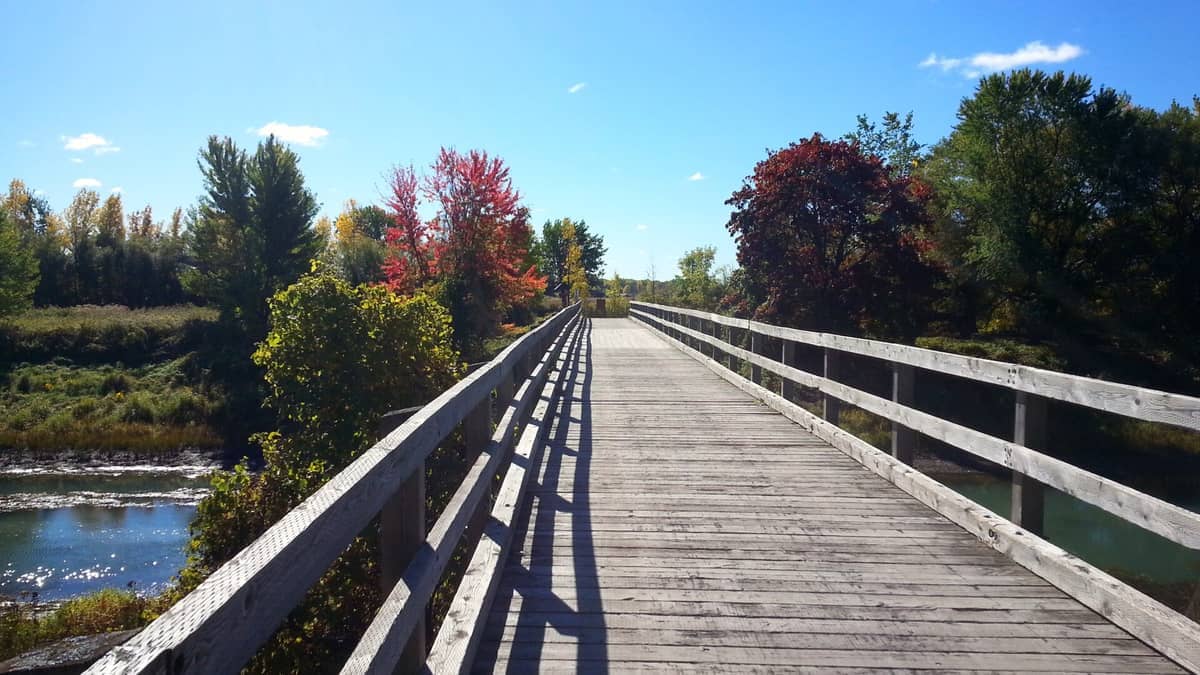
What Is Îles-de-Boucherville National Park?
Parc national des Îles-de-Boucherville is a Sépaq-managed provincial national park spread across a cluster of five islands in the St. Lawrence River, directly east of Montreal Island. The park's address puts it in the city of Boucherville, but the experience feels several worlds removed from either place. Marsh edges, mixed forest, open meadows, and wide river channels define the landscape, and the skyline that occasionally appears through the trees is the only real reminder you're within range of a major city.
The park is open year-round, though the range of activities and services shifts dramatically with the seasons. In summer, it operates as a cycling, kayaking, and picnicking destination. In winter, the same trails become cross-country ski and snowshoe routes. The core infrastructure — parking, reception, basic trail access — remains available regardless of season, but some services like food concessions only run from Saint-Jean-Baptiste Day to Labour Day.
💡 Local tip
Book your access online before arriving. Sépaq can restrict entry when parking or sector capacity is reached, particularly on summer weekends. Showing up without a reservation risks being turned away at the gate.
The Landscape and What You'll Actually See
The five islands — Sainte-Marguerite, De la Commune, Grosbois, Saint-Jean, and aux Rats — each have a distinct character. Île Sainte-Marguerite is the main access island and the most developed, with the reception building, equipment rentals, and the widest trail network. Île Grosbois is the largest and rewards slower exploration on foot or by bike. The smaller islands feel quieter and more remote, reachable by water where access is authorized.
The terrain is low and flat, with trails threading through floodplain forest where silver maples and cottonwoods dominate. In spring, sections of trail near the riverbanks may still show flooding, and the soft ground holds an earthy smell of wet leaves and riverbed silt. By midsummer the same paths dry out and the forest canopy closes overhead, filtering the light into something closer to green shade than direct sun. Bring insect repellent from late May through August; mosquitoes and blackflies are active near the marsh edges.
Birdwatching is quietly excellent here. The islands sit on a significant migratory corridor, and the mix of open water, marsh, and forested interior attracts an unusually broad range of species. Herons are reliable year-round presences along the shore. During spring and fall migration, warblers move through the forest in numbers that reward an early morning visit with binoculars.
Tickets & tours
Hand-picked options from our booking partner. Prices are indicative; availability and final rates are confirmed when you complete your booking.
Montreal evening cruise on the St. Lawrence River
From 54 €Instant confirmationFree cancellation3-hour e-bike guided tour in Montreal
From 68 €Instant confirmationFree cancellationWalking tour of Old Montreal
From 20 €Instant confirmationFree cancellationMontreal helicopter tour
From 156 €Instant confirmationFree cancellation
Cycling: The Primary Draw
Cycling is the activity most visitors come for, and the park is well set up for it. A network of multi-use paths links the main islands, flat enough for casual riders and long enough to fill a half-day without repeating ground. Bikes, electric bikes, and trailers for children are available for rent at the reception building during the main season, so you don't need to bring your own. If you're arriving by bike from the Montreal side, check the Montreal cycling guide for route options connecting to the regional path network that leads toward the park.
Île Grosbois is the destination most cyclists aim for: it's the largest island, requires crossing a channel connection, and offers the sense of having traveled somewhere rather than simply looping a parking area. Riding early in the morning on a weekday gives you stretches of path where the only sounds are tires on gravel and birds in the canopy above. On peak summer weekends, the main loop on Île Sainte-Marguerite becomes noticeably crowded by midday.
ℹ️ Good to know
Île Grosbois and the main trails on Île Sainte-Marguerite and Île-de-la-Commune are identified by Sépaq as accessible for people with reduced mobility, including large-wheel strollers. Sépaq also offers adapted equipment free of charge — contact them in advance to arrange.
Kayaking and Water Access
The water channels between the islands are calm enough for beginner paddlers and offer a perspective on the park that trail users never get. Kayaks and canoes can be rented at the park during the main season. Paddling the channels between the islands in the early morning, when the surface is flat and mist sits above the water, is one of those experiences that justify the trip on its own.
More experienced paddlers can extend their routes along the edge of the St. Lawrence, though conditions on the main river are more exposed and require appropriate judgment. Check with park staff about water levels and channel conditions, which change seasonally and can be affected by upstream precipitation.
How the Experience Changes Through the Day
Arriving within an hour of the park opening on a summer morning is a different experience from arriving at 11am. The first hour or two, the trails carry light traffic and the light is still angled and soft. The smell of dew on the forest floor, the sound of the river through gaps in the trees, and the absence of background noise make it feel genuinely remote. By mid-morning on a weekend, families with rental bikes fill the main paths and the reception area takes on the comfortable chaos of a popular park.
Late afternoon brings a gradual quieting again, though the last hour before closing tends to concentrate departing visitors near the exit. If you're planning to stay deep into the afternoon, check closing times for your season carefully; they shift with daylight hours and the Sépaq seasonal calendar.
Fall is arguably the most visually rewarding season for a first visit. The floodplain forest turns in October, and the combination of maple and cottonwood color against the grey St. Lawrence is striking. Crowds thin significantly compared to the summer peak. For broader context on the best Montreal-area outdoor seasons, the best time to visit Montreal guide covers seasonal tradeoffs in detail.
Winter at the Park
The park doesn't close when temperatures drop. In winter, the trail network converts to groomed cross-country ski and snowshoe routes, and the flat terrain that makes it ideal for beginner cyclists translates equally well to beginner skiers. The St. Lawrence provides a genuine windbreak effect on some paths, though exposed sections near the shore can be cold when temperatures fall below -15°C, which happens regularly from January through February.
Snowshoe and ski equipment rental is available during the winter season; check Sépaq's seasonal service schedule before visiting because not all facilities operate during winter periods. If winter outdoor activities in the Montreal region interest you more broadly, the Montreal in winter guide covers options across the city and surroundings.
Practical Information: Getting There and What to Bring
The park is accessed from Boucherville, on the south shore of the St. Lawrence east of Montreal. By car from downtown Montreal, the drive takes roughly 30 to 40 minutes depending on traffic, particularly on the Champlain and Jacques-Cartier bridge approaches. Parking is available at the main reception area on Île Sainte-Marguerite, but as noted, capacity limits apply and advance reservation via Sépaq is strongly recommended for summer weekends.
Visitors without a car should verify current access details directly with Sépaq before their visit, as routes and entry points can change.
Pack water and food regardless of season. The food concession operates only during summer weekends between Saint-Jean-Baptiste Day and Labour Day, so outside those windows the park has no food service on site. Sunscreen matters more than you'd expect on an open river day; the water reflects significant UV even when the air feels cool. Waterproof shoes or trail boots are worth bringing for spring visits when trail sections near the river can still be soft and wet.
⚠️ What to skip
Insect repellent is not optional from late May through August. The marsh areas support heavy mosquito and blackfly populations, particularly in the first half of the summer season and near standing water.
Who This Park Is For — and Who Might Not Love It
This is an excellent destination for families with children, cyclists of all levels, birdwatchers, and anyone looking for a nature day that doesn't require a car journey of several hours. It pairs well with a broader Montreal outdoor itinerary, and visitors spending multiple days in the city will find it a useful counterbalance to the urban density of Old Montreal or the Plateau.
That said, experienced hikers looking for elevation, dramatic terrain, or backcountry challenge will find the park underwhelming. The landscape is flat and gentle by design, and the network is compact enough that you can cover most of it in a single day. If you're after mountain scenery or serious wilderness, this isn't the right match. Similarly, visitors who need reliable food access throughout the day should plan carefully, especially outside peak season.
Insider Tips
- Book your entry reservation through the Sépaq website as early as possible for any summer weekend visit. The park enforces capacity limits and turns vehicles away when full — arriving unannounced is a real gamble from June through August.
- The channels between the islands are calmest and most atmospheric in the first two hours after opening. Paddlers and early cyclists who arrive at opening time get a noticeably different, quieter experience than those who arrive at 10am.
- Birdwatching is best during the spring (late April to late May) and fall (September to October) migration windows. The floodplain forest draws warblers, thrushes, and raptors in volumes that exceed what you'd expect from a park this accessible.
- Sépaq offers adapted equipment free of charge for visitors with reduced mobility — but this must be arranged in advance. Contact the park before your visit rather than hoping for availability on the day.
- Outside the food concession's operating window (Saint-Jean-Baptiste Day to Labour Day, weekends only), the park has no food service at all. Pack a proper lunch and more water than you think you'll need.
Who Is Îles-de-Boucherville National Park For?
- Families with young children who need flat, safe cycling and walking terrain
- Cyclists wanting a half-day or full-day loop without vehicle traffic
- Birdwatchers during spring and fall migration periods
- Visitors seeking a full nature day without driving far from Montreal
- Winter outdoor enthusiasts looking for cross-country skiing or snowshoeing close to the city
Nearby Attractions
Combine your visit with:
- Eastern Townships
The Eastern Townships (Cantons-de-l'Est) stretch across the rolling hills south of Montreal, reaching the U.S. border. With lavender fields, gorge walks, vineyards, and covered bridges, this is one of the most rewarding escapes from the city, especially in autumn when the hills turn amber and rust.
- Maison Saint-Gabriel
Maison Saint-Gabriel is one of the oldest intact structures on the Island of Montreal. Originally a working farm connected to Marguerite Bourgeoys and the Filles du roi, it is now a museum and National Historic Site where guided tours walk visitors through three centuries of Quebec's colonial and religious history.
- Marché Maisonneuve
Marché Maisonneuve is one of Montreal's official public markets and one of its least crowded. Free to enter, open seven days a week, and genuinely rooted in its neighborhood, it rewards travelers who venture beyond the tourist circuit.
- Mont-Saint-Bruno National Park
Covering 8.9 km² of forested hills, five lakes, and apple orchards on the Montérégie plain, Mont-Saint-Bruno National Park is the closest true wilderness to Montreal's urban core. Whether you come for autumn colour, winter snowshoeing, or a quiet midweek trail run, the park rewards visitors who understand its rhythms.