Goat Island Marine Reserve: New Zealand's First and Still Its Best
Cape Rodney–Ōkakari Point Marine Reserve, known as Te Hāwere-a-Maki / Goat Island, is New Zealand's oldest marine reserve and one of the most accessible underwater wilderness experiences in the country. Free to enter, easy to reach by car, and remarkably rewarding for snorkellers, divers, and curious walkers alike.
Quick Facts
- Location
- Goat Island Road, Leigh 0985, Auckland — approx. 90 min drive north of Auckland CBD via SH1 and Warkworth
- Getting There
- Self-drive only — no direct public transport. Take SH1 north to Warkworth, then follow signs to Leigh and Goat Island Marine Reserve
- Time Needed
- Half day minimum; full day recommended if snorkelling, diving, or walking the coastal tracks
- Cost
- Free entry to the reserve and beach. Equipment hire and guided dive/snorkel tours are available at additional cost from local operators
- Best for
- Snorkellers, beginner divers, families, nature lovers, and anyone curious about marine ecology
- Official website
- www.goatisland.co.nz
What Goat Island Actually Is
Cape Rodney–Ōkakari Point Marine Reserve, universally known as Goat Island or Te Hāwere-a-Maki in te reo Māori, holds a specific distinction that matters: it was New Zealand's first marine reserve, established in 1975 and officially opened in 1977. That nearly five-decade head start on protection shows. The reserve extends up to 800 metres offshore, creating a corridor of ocean where no fishing, no collecting, and no disturbance has been permitted for generations.
The result is an ecosystem that has effectively rewound itself. Species that were commercially fished to scarcity elsewhere, particularly snapper (tāmure) and blue maomao, now exist here in concentrations that genuinely surprise first-time visitors. These are not skittish fish retreating from wetsuits. At Goat Island, the snapper approach people. Some individuals are large enough to make experienced divers do a double-take.
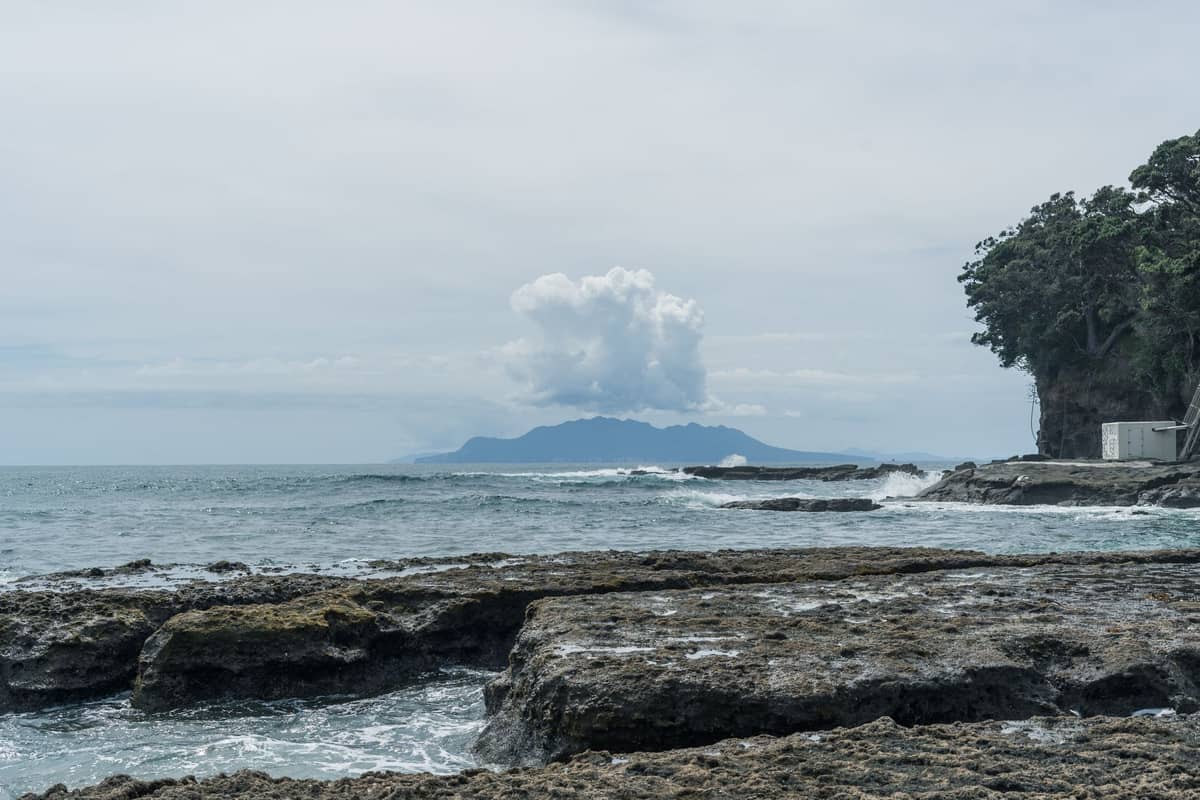
The island itself, a small rocky outcrop offshore, is visible from the beach and acts as an orientation point for swimmers. Around it, and along the kelp-forested seafloor between the island and the mainland shore, is where most of the marine life concentrates. For context on how this fits into Auckland's broader natural assets, the Hauraki Gulf islands guide covers the wider coastal ecosystem that Goat Island sits within.
💡 Local tip
Arrive early on weekends, particularly in summer. The small car park fills by mid-morning, and there is limited overflow parking nearby. Weekday visits between late morning and early afternoon offer noticeably shorter queues for equipment hire.
The Underwater Experience: What You'll Actually See
The water here is temperate, clear on calm days, and layered with life in a way that feels disproportionate to the effort required to access it. Snorkelling is the most popular activity, and for good reason: the bay is shallow enough in many areas for beginners, the current is generally mild, and the visibility on a settled day can reach 10–15 metres. You don't need a wetsuit, strictly speaking, but the water runs cold year-round, typically between 15°C in winter and around 20°C in summer. A wetsuit improves comfort significantly on anything longer than a short swim.
Snapper are the headline act, and they don't disappoint. Large individuals, some over 50 centimetres, move slowly and with obvious confidence around snorkellers. Blue maomao school in dense formations near the island, catching light in shifting silver and blue. Spotties (small wrasse) dart through the kelp fronds closer to shore. On calmer days, eagle rays and sting rays are occasionally visible on the sandy patches between reef formations. The rocky reef on the south side of Goat Island, reached by swimming around or through the channel, offers denser kelp and more shelter.
Certified scuba divers have access to deeper sections of the reserve, where crayfish (rock lobster) can be found sheltering in crevices — a rare sight at accessible coastal sites around New Zealand where spearfishing pressure is lower. Local dive operators run guided dives and equipment hire from the beach access road. Booking ahead on weekends is advisable.
⚠️ What to skip
Feeding the fish is not permitted within the marine reserve. Despite the temptation (and some online videos showing it), feeding disrupts natural behaviour and is harmful to the ecosystem. The fish approach anyway — no food required.
Tickets & tours
Live prices and dates from our booking partner. If you book, we may earn a commission at no extra cost to you.
Luggage Storage in Auckland
From 5 €Instant confirmationFree cancellationNew Zealand West Coast discovery tour
From 100 €Instant confirmationFree cancellation13,000ft skydiving experience in Auckland
From 195 €Instant confirmationFree cancellationDiscover Auckland City Tour
From 88 €Instant confirmationFree cancellation
How the Experience Changes by Time of Day and Season
Morning visits, arriving before 9am, offer the reserve at its quietest. The light is lower and more directional, which creates excellent conditions for underwater photography — the angled rays catch suspended particles and kelp fronds in a way that flat midday light doesn't replicate. The car park is manageable, equipment hire queues are short, and the beach has space to lay out gear.
By midday on a summer weekend, the scene transforms. Families with children pack the shallows, equipment hire lines stretch, and the car park overflows. The water remains just as good underwater, but the surface experience is considerably more crowded. If you're visiting specifically for snorkelling quality rather than family logistics, target weekday mornings in November or March when school holidays don't overlap.
Winter visits are genuinely underrated. Crowds thin dramatically between June and August, the water clarity is often at its best due to reduced algal activity, and the reserve is no less alive. You will want a 5mm wetsuit or thicker, and wetsuits from hire operators are available accordingly. The coastal tracks are also more appealing in cooler months: less harsh sun, easier walking temperatures, and the surrounding pohutukawa trees in late winter begin preparing for their December flowering.
Beyond the Water: Coastal Walks and the Marine Discovery Centre
Goat Island is not purely a water activity. The headland on the east side of the bay provides a short walking track with views across the reserve, particularly good for watching snorkellers from above or spotting schools of fish in clear, shallow water. The perspective from the headland, looking back toward the beach and the island itself, is one of the cleaner coastal vistas in the Auckland region.
The Leigh Marine Laboratory, operated by the University of Auckland, sits immediately adjacent to the reserve and has played a central role in marine research here since before the reserve was formally gazetted. The university's connection to Goat Island is part of why the reserve was established where it was: researchers lobbied for protection of this specific stretch of coast in the early 1970s. The Marine Discovery Centre, near the reserve entrance, provides interpretive displays about the reserve's ecology and history.
The nearby village of Leigh is a short drive away and has cafés and a general store for supplies. If you're building a day trip around this, the day trips from Auckland guide includes Goat Island alongside other North Auckland destinations worth combining into a longer drive.
Getting There and Practical Logistics
There is no public transport to Goat Island. This is a self-drive destination, full stop. From central Auckland, the most direct route heads north on SH1 to Warkworth, then follows signs to Leigh and Goat Island Marine Reserve. The Department of Conservation estimates approximately 1.5 hours of driving from Auckland, though traffic on SH1 north of Albany on summer weekends can add extra time.
The car park at Goat Island Road is the primary access point. It is a short, flat walk from the car park to the beach. An accessible parking space is available at the Marine Discovery Centre, though the reserve's terrain and beach access have limitations for visitors with mobility requirements. The beach surface is mixed sand and gravel, and the entry to the water involves some rocky footing depending on the tide.
Snorkelling equipment, wetsuits, kayaks, and glass-bottom kayaks are available for hire from operators based at the reserve. Goat Island Dive and Snorkel is the main operator and is closest to the beach. Bringing your own gear eliminates hire queue time and is worth considering if you visit regularly or are travelling with snorkelling equipment already.
ℹ️ Good to know
Entry to the reserve and beach is free. Paid activities — equipment hire, guided dives, kayak rentals, glass-bottom kayak tours — are separately priced through local operators. Verify current hire rates directly with operators before your visit, as prices vary by season and equipment type.
Photography, Conditions, and Honest Caveats
Underwater photography at Goat Island can be genuinely excellent. A basic waterproof action camera captures the snapper encounters clearly on calm, bright days. The challenge is surge: if there's any swell running, even moderate chop at the surface creates turbidity near the rocky areas that reduces clarity significantly. Checking a local swell forecast before driving 90 minutes is strongly advised. Calm, settled days in late summer and autumn typically offer the best underwater visibility.
From the headland, standard telephoto lenses pick up schooling fish visible through the clear shallows, particularly in morning light. The pohutukawa-lined cliffs on the eastern headland photograph well in December when the trees are in crimson flower.
Weather at this stretch of coast is genuinely variable. Auckland's maritime climate means conditions can shift quickly. For guidance on planning around Auckland's seasonal patterns, the best time to visit Auckland guide covers month-by-month breakdowns that apply broadly to this region.
One honest caveat worth naming: if you arrive on a rough-water day, the surface experience is significantly diminished. The fish are still there, the reserve is still intact, but choppy conditions with poor visibility can feel like a long drive for limited reward. Goat Island rewards planning more than most Auckland day trips.
Who Should Skip This
Goat Island is not for every traveller. If you don't swim, have no interest in marine life, or are uncomfortable in open water, the reserve offers limited ground-level alternatives beyond a short headland walk and the interpretive displays at the Discovery Centre. The 90-minute drive each way is a real time cost for a one-hour visit. Travellers on a very tight city-focused itinerary will extract more value from Auckland's urban and harbour attractions.
For non-swimmers or those who want marine wildlife in a more structured setting, Kelly Tarlton's Sea Life Aquarium in central Auckland offers a similar species encounter without the logistics.
Insider Tips
- Check the Surf.co.nz or MetService swell forecast for the Leigh/Cape Rodney area before you leave Auckland. Even a 1-metre swell can cloud the water enough to significantly reduce snorkelling quality. Flat, settled days are what you're waiting for.
- Glass-bottom kayaks, offered by local hire operators, are underused and genuinely impressive for non-swimmers or those who want a dry view of the marine life below. On calm days you can see snapper, rays, and reef fish without entering the water.
- The south-facing rocky reef around the back of Goat Island (the actual island) holds larger fish and denser kelp than the more sheltered main bay. Swim the extra distance and you'll likely encounter noticeably fewer people and more wildlife.
- Parking overflow on busy summer weekends often fills the verge of Goat Island Road. If you arrive and the main car park is full, avoid blocking farm gates or private driveways. Some visitors walk 10–15 minutes from roadside spots, which is manageable.
- Combine with a stop in Leigh village for coffee and supplies. There's no café or food vendor at the reserve itself, so plan accordingly — especially if you're bringing children or planning a full-day visit.
Who Is Goat Island Marine Reserve For?
- Snorkellers of any experience level, including first-timers happy to hire gear on arrival
- Certified scuba divers wanting a high-density marine life experience within reach of Auckland
- Families with older children who are comfortable swimming in open water
- Nature and wildlife photographers with waterproof camera equipment
- Anyone interested in marine conservation who wants to see what protected ocean actually looks like after decades of recovery
Nearby Attractions
Combine your visit with:
- Auckland Botanic Gardens
Spread across 64 hectares in Manurewa, the Auckland Botanic Gardens offer free entry every day of the year, with themed garden collections, 10 hectares of native forest, and a visitor centre on site. It sits south of the city centre and rewards a longer visit than most people initially plan for.
- Auckland Zoo
Auckland Zoo has been part of the city's fabric since 1922, sitting in the Western Springs precinct with a collection that spans native New Zealand wildlife and international species. This guide covers everything from ticket prices and transit options to the best time of day to arrive and which exhibits deliver the most.
- Bastion Point (Takaparawhau)
Takaparawhau, known widely as Bastion Point, is a grassy headland in Ōrākei where Māori history, colonial conflict, and sweeping Waitematā Harbour views converge. It costs nothing to visit, carries centuries of significance, and rewards visitors who take time to understand what they are standing on.
- Bethells Beach (Te Henga)
Bethells Beach, officially Te Henga (Bethells Beach), is a raw, dramatic stretch of black-sand coastline about 45 minutes west of central Auckland. With rolling dunes, a freshwater lagoon, strong surf, and zero phone coverage, it delivers a genuine wilderness experience rare for a city of 1.6 million people.
Planning a trip? Discover personalized activities with the Nomado app.