Cologne Zoo (Kölner Zoo): What to Know Before You Visit
Founded in 1860, Cologne Zoo is the third-oldest zoo in Germany, set across 20 hectares in the Riehl district. Open every day of the year, it draws families, school groups, and animal lovers with a wide range of species and well-maintained grounds. Here is what to expect, when to go, and how to make the most of your time.
Quick Facts
- Location
- Riehler Straße 173, 50735 Cologne, Germany
- Getting There
- U-Bahn line 18 to Zoo/Flora; Bus 140 from Ebertplatz to Zoo/Flora
- Time Needed
- 3–5 hours
- Cost
- Adults from €23.00 (dynamic online pricing); children (4–12) from €11.00. Prices valid for the 2025–2026 season.
- Best for
- Families with children, animal enthusiasts, rainy-day visits
- Official website
- koelnerzoo.de/en
What Cologne Zoo Actually Is
The Kölner Zoo, formally the Zoologischer Garten Köln, opened in 1860, which makes it the third-oldest zoo in Germany. Spread across roughly 20 hectares (49 acres) in the Riehl district on the north side of the city, it sits just minutes from the Rhine and is directly accessible from Cologne's city centre via public transport. The zoo is operated by AG Zoologischer Garten Köln and remains open every single day of the year, including public holidays.
This is not a niche attraction aimed at a narrow audience. On any given weekday morning, you will find a cross-section of Cologne's residents: parents with toddlers in pushchairs, primary school groups moving in formation with clipboards, older couples doing slow circuits, and solo visitors who have come specifically for the aquarium. Weekends, particularly in spring and summer, bring noticeably heavier crowds, with families arriving from across the Rhine region.
💡 Local tip
Buy your tickets online in advance. Standard adult admission is €23.00, with dynamic online prices that can be lower than the highest on-site rates. That is a meaningful saving, and you skip the ticket queue at the entrance.
Getting There: Simple by Public Transit
The most convenient way to reach the zoo from the city centre is underground line 18, which stops directly at Zoo/Flora. From Cologne Central Station, the journey takes about 15 minutes. Alternatively, bus line 140 connects Ebertplatz to the same Zoo/Flora stop. For those exploring the public transport network in Cologne, a standard KVB day ticket covers this trip and can be used across the city for the rest of the day.
If you are driving, the address is Riehler Straße 173, 50735 Cologne. Parking in the immediate area is limited, especially on weekends, so the U-Bahn is the more reliable option. The zoo is not far from Cologne's Stadtwald or the Rhine riverbank, which makes it easy to combine with a short walk along the water before or after your visit.
Tickets & tours
Live prices and dates from our booking partner. If you book, we may earn a commission at no extra cost to you.
Opening Hours and When to Visit
The zoo operates on a seasonal timetable. From 1 March to 31 October (summer season), gates open at 09:00 and close at 18:00. From 1 November to the end of February, the zoo closes at 17:00. Animal houses, including the aquarium, generally close shortly before the zoo’s closing time; for exact last-entry times and holiday hours, check the official website.
For the most relaxed experience, arrive when the gates open at 09:00. The paths are quiet, the animal enclosures have fewer people pressing against the barriers, and the morning light is better for photography. By midday in summer, particularly on weekends, the zoo can feel crowded around the popular enclosures. Many families with young children leave after lunch, so late afternoon tends to calm down again if you are flexible.
⚠️ What to skip
Weather affects the experience significantly. On very hot summer days, many large mammals rest out of sight during peak afternoon hours. Cold, grey winter days mean shorter queues but fewer animals visible outdoors. Spring and early autumn often offer the best balance of animal activity and comfortable temperatures.
What You Will Actually See: The Grounds
The 20-hectare site has a genuine sense of scale. Paths wind through landscaped sections that shift from open African-style savanna exhibits to dense tropical house environments. Signage is available in German and English throughout, which is practical for international visitors.
The aquarium building is among the most visited sections and justifies its own unhurried hour. The transition from outdoor noise to the low-lit corridors of the aquarium is abrupt and pleasant: the temperature drops, the crowd thins slightly, and the tanks range from small freshwater species to larger marine displays. Note that animal houses, including the aquarium, close 30 minutes before the zoo's general closing time, so do not leave this section for last.
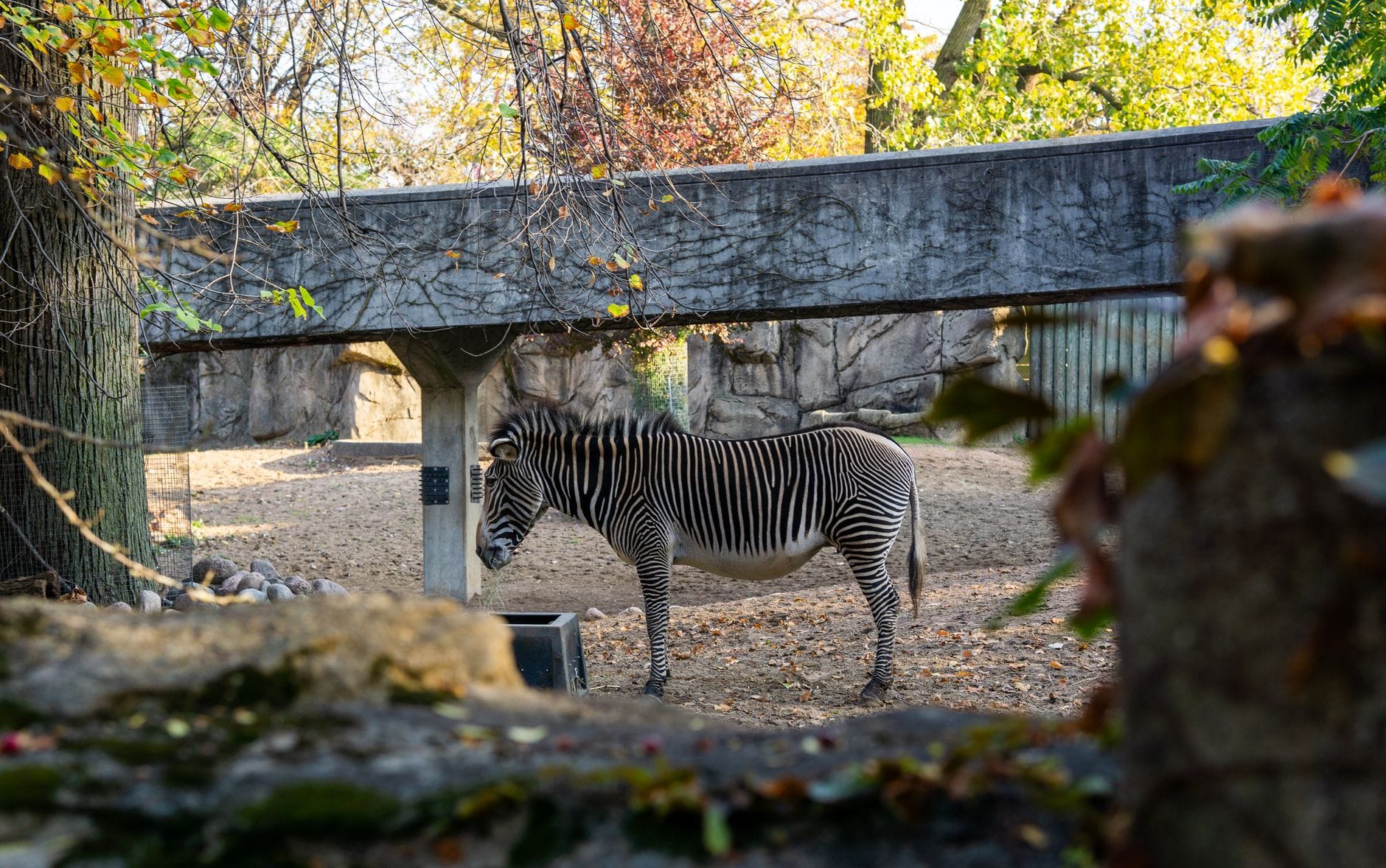
The zoo also includes an insectarium, a hippodrome area, and various primate enclosures. For visitors with young children, the zoo's layout means there is almost always something moving or reacting nearby, which keeps attention sustained in a way that not all zoos manage. Pushchairs navigate most paths without difficulty, and the grounds are generally accessible for wheelchair users.
ℹ️ Good to know
Accessibility: Zoo paths and animal houses are designed to accommodate wheelchairs and pushchairs. For specific queries, contact the zoo directly at info@koelnerzoo.de or call +49 (0)221 77 85 100.
The Zoo in Historical Context
Opening in 1860, the Kölner Zoo predates Germany as a unified country and has operated through several major periods of European history. The fact that the zoo survived into its current form across more than 160 years, including the significant destruction Cologne sustained during the Second World War, makes its longevity quietly remarkable.
The zoo sits within the broader Riehl district, north of central Cologne. The area also contains the Rheinpark, a large public green space along the Rhine riverbank, making the northern edge of the city a practical destination for a full day out. Cologne's parks and outdoor spaces reward those who explore beyond the immediate city centre, and the zoo fits naturally into a family-focused day in Cologne.
Practical Walkthrough: Making the Most of Your Visit
A thorough visit covering the major enclosures, the aquarium, and the insectarium takes around three to five hours depending on pace and group size. Visitors with young children should budget for rest stops and the slower pace that comes with small legs. The zoo has food and drink facilities on site, including kiosks and a restaurant, though bringing your own snacks and a refillable water bottle is sensible for longer summer visits.
Photography is unrestricted for personal use throughout the grounds. The indoor animal houses present obvious challenges: low light and glass reflections in the aquarium. A phone camera in auto mode will struggle in the darker reptile and aquarium sections; if image quality matters to you, be aware that flash photography is generally discouraged around sensitive species.
If you are building a longer itinerary, the zoo works well as an anchor activity on a day that also includes the Rheinpark immediately adjacent to the north, particularly in summer when both can be combined in a single afternoon. For those comparing Cologne's family-friendly options, the Chocolate Museum on the Rheinauhafen and the zoo make for a full day with children, though they are on opposite ends of the city.
Who Should Reconsider
The Cologne Zoo is a well-run, mainstream city zoo. It is not a wildlife sanctuary or a conservation-focused reserve in the mode of some modern institutions. Visitors with strong ethical objections to zoos in general will not find this one different from the category.
Travellers on a very tight itinerary who are primarily interested in Cologne's architectural and cultural highlights may find the time-to-reward ratio does not work in the zoo's favour. Cologne's cathedral quarter, its cluster of Romanesque churches, and its museum district represent a very different but arguably more city-specific experience. The zoo is excellent for what it is, but it is not the reason most short-break visitors come to Cologne.
Insider Tips
- Arrive at 09:00 on a weekday. The zoo opens immediately and the first hour before school groups arrive is noticeably calmer across the entire site.
- The aquarium and insectarium sections close 30 minutes before the general zoo closing time. Build your visit so you reach these indoor sections before that cut-off, not at the end of the day.
- Online tickets use dynamic pricing with standard adult admission at €23.00 and higher prices on peak days (up to around €29.50). Buying in advance can save money and lets you walk past the entrance queue.
- On hot summer days, large mammals are often less visible from midday onward as they rest in shaded or indoor areas. Early morning visits in summer show noticeably more animal activity.
- The Zoo/Flora U-Bahn stop (line 18) is about 15 minutes from the Cologne Cathedral area and the stop deposits you almost directly at the zoo's main entrance, making this one of the easier major attractions in the city to reach by public transport.
Who Is Cologne Zoo (Kölner Zoo) For?
- Families with children aged 3–12, for whom the zoo's scale and variety of animal encounters sustains attention across a half-day visit
- Animal enthusiasts who want to spend time in a well-maintained aquarium alongside outdoor enclosures
- Visitors with a full day who want to combine the zoo with the adjacent Rheinpark for an outdoor itinerary
- Rainy-day visitors: the aquarium, insectarium, and covered animal houses provide substantial indoor content
- Travellers combining a city break with a child-friendly anchor activity
Nearby Attractions
Combine your visit with:
- Aachener Weiher
A 4-hectare artificial pond created in 1920, Aachener Weiher is where Cologne residents go to decompress. Surrounded by lawns, cycle paths, and a long-running beer garden, it offers a genuine slice of local life without an entrance fee or a tourist queue in sight.
- Flora Botanical Garden (Flora und Botanischer Garten)
Opened in 1864 to a design by Peter Joseph Lenné, the Flora und Botanischer Garten is Cologne's most refined public garden. Eleven and a half hectares of landscaped parkland, tropical greenhouses, and more than 10,000 plant species await — and admission is free every day of the year.
- Kölsche Riviera (Cologne Rhine Beaches)
The Kölsche Riviera is Cologne's answer to summer beach culture: a stretch of sandy riverbank bays along the Rhine in the southern Rodenkirchen district, free to access and beloved by locals looking to sunbathe, picnic, and watch the river traffic roll by. No sea, no surf, but a genuinely relaxed atmosphere that reveals a quieter, less touristy side of the city.
- RheinEnergieStadion (FC Köln)
Home to 1. FC Köln and one of Germany's most storied football venues, the RheinEnergieStadion seats up to 50,000 fans and hosted both the 2006 FIFA World Cup and UEFA Euro 2024. Whether you're catching a Bundesliga match or joining a stadium tour, this is where Cologne's football identity comes into sharp focus.
Planning a trip? Discover personalized activities with the Nomado app.