Pratunam sits at the commercial heart of central Bangkok, famous for its sprawling garment markets, street food lanes, and mid-range hotels. It lacks the polish of Siam or the history of Rattanakosin, but for travelers who want to shop cheaply and eat well while staying within easy reach of everything, it delivers.
Pratunam is Bangkok's wholesale fashion district, a dense grid of market stalls, budget hotels, and street food carts wedged between Ratchaprarop and Phetchaburi roads. It moves at a different pace from the tourist trail: vendors are here to sell, shoppers are here to buy, and the streets run loud and hot from dawn to midnight.
Orientation
Pratunam occupies a roughly rectangular patch of central Bangkok, bounded to the south by Phetchaburi Road, to the east by Ratchaprarop Road, to the north by Phrayya Road, and to the west by Ratchadamri Road. The name means 'water gate' in Thai, a reference to the old floodgates that once controlled canal flows through this part of the city. The canals are mostly gone now, but the name has stuck to both the area and the major intersection at the heart of it.
Geographically, Pratunam is a bridge between several of Bangkok's better-known zones. The Siam shopping district begins about a 15-minute walk to the southwest. Sukhumvit's northern end (around Nana and Asok) is accessible via the BTS Skytrain with one change. The older commercial strip of Phahon Yothin lies to the north. This central position makes Pratunam genuinely convenient as a base, even if the neighborhood itself is more functional than scenic.
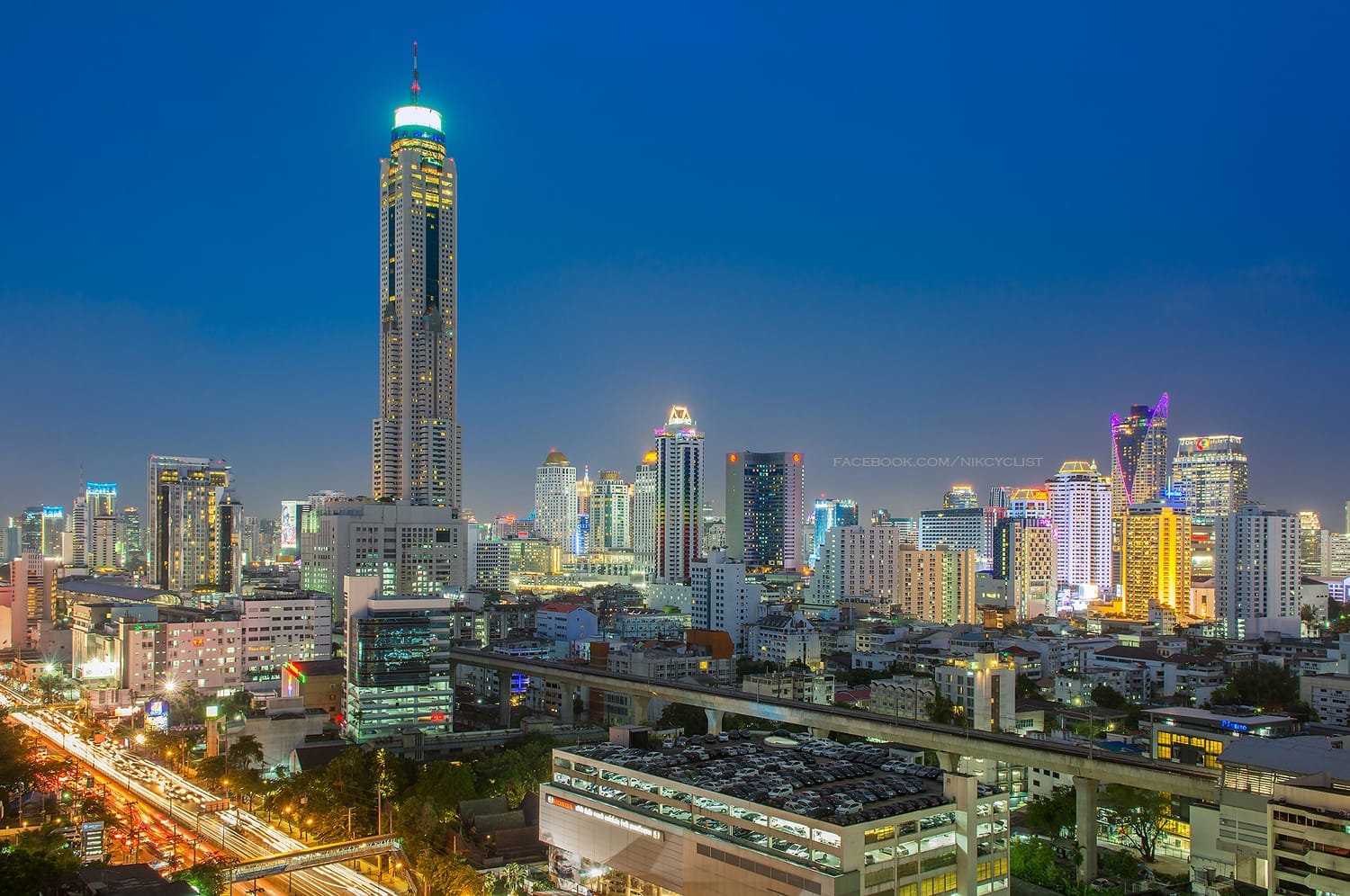
The key reference points for navigating Pratunam are the Pratunam intersection itself, where Phetchaburi Road and Ratchaprarop Road cross; the Pratunam Market complex stretching north from that junction; and the Baiyoke Tower II, the tall pink building visible from most of the district that serves as a permanent landmark above the low-rise sprawl.
Character & Atmosphere
Pratunam wakes up early. By 6am, garment vendors are arranging racks of wholesale clothing along the lanes behind Ratchaprarop Road, and the first steam trays of rice porridge and noodle soup are already in position. The light at this hour is soft and grey, and the streets smell of charcoal, laundry sizing from the fabric stalls, and fried dough from the Chinese-style breakfast carts. It is one of those Bangkok moments that feels entirely unperformed.
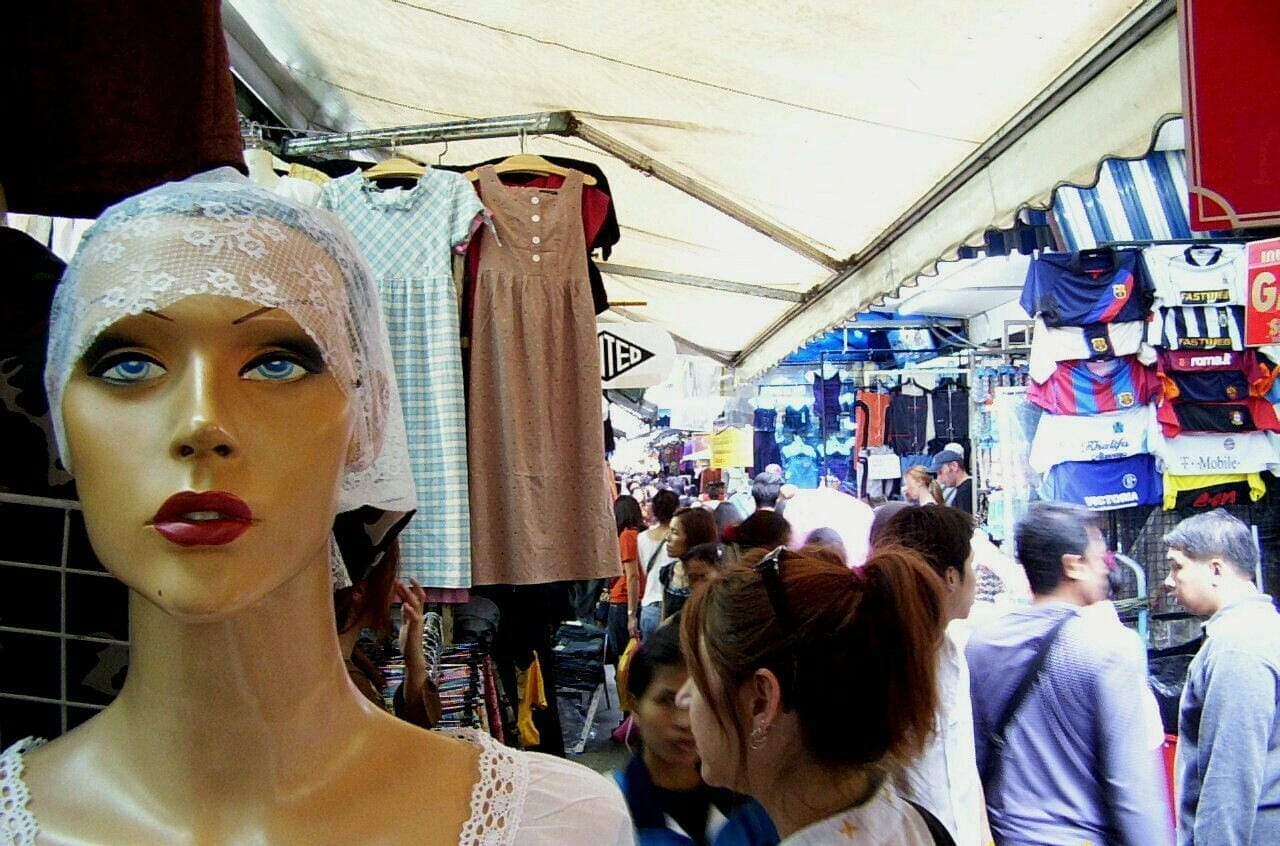
By mid-morning, Pratunam is operating at full commercial intensity. The pavements around the market buildings are narrow and claimed by stalls on both sides, leaving a corridor barely wide enough for two people to pass. In the afternoon heat, the covered market lanes offer shade but trap humidity, and the air conditioning of the larger wholesale buildings becomes a genuine attraction. Weekend afternoons draw Thai shoppers from across the city alongside regional buyers from Myanmar, Cambodia, and southern China, creating a genuinely polyglot crowd that has nothing to do with international tourism.
After dark, the character shifts again. The wholesale buyers leave, the clothing stalls close, and the street food scene takes over. The lanes around the market fill with plastic tables and the smell of grilling pork and fermented seafood paste. The main roads stay loud: Ratchaprarop is one of Bangkok's busier arterial streets, and the sound of tuk-tuks and motorbike taxis does not stop until well past midnight. Travelers who need quiet will struggle here regardless of which floor they are on.
⚠️ What to skip
Noise is a real issue in Pratunam. Hotels on the Ratchaprarop Road side of any building will face significant street noise into the early hours. If you are a light sleeper, request a room on a higher floor or facing an interior courtyard, and confirm the hotel has double-glazed windows before booking.
What to See & Do
The main draw is the Pratunam Market itself, a multi-block complex of wholesale and retail stalls selling clothing, fabrics, accessories, and household goods at prices well below what you would find in the shopping malls to the south. The market is technically open most days but reaches peak activity from Thursday to Sunday, when buyers from across Southeast Asia come to stock up. It is worth walking the full perimeter to understand the layout before plunging in, as the internal lanes can feel disorienting.
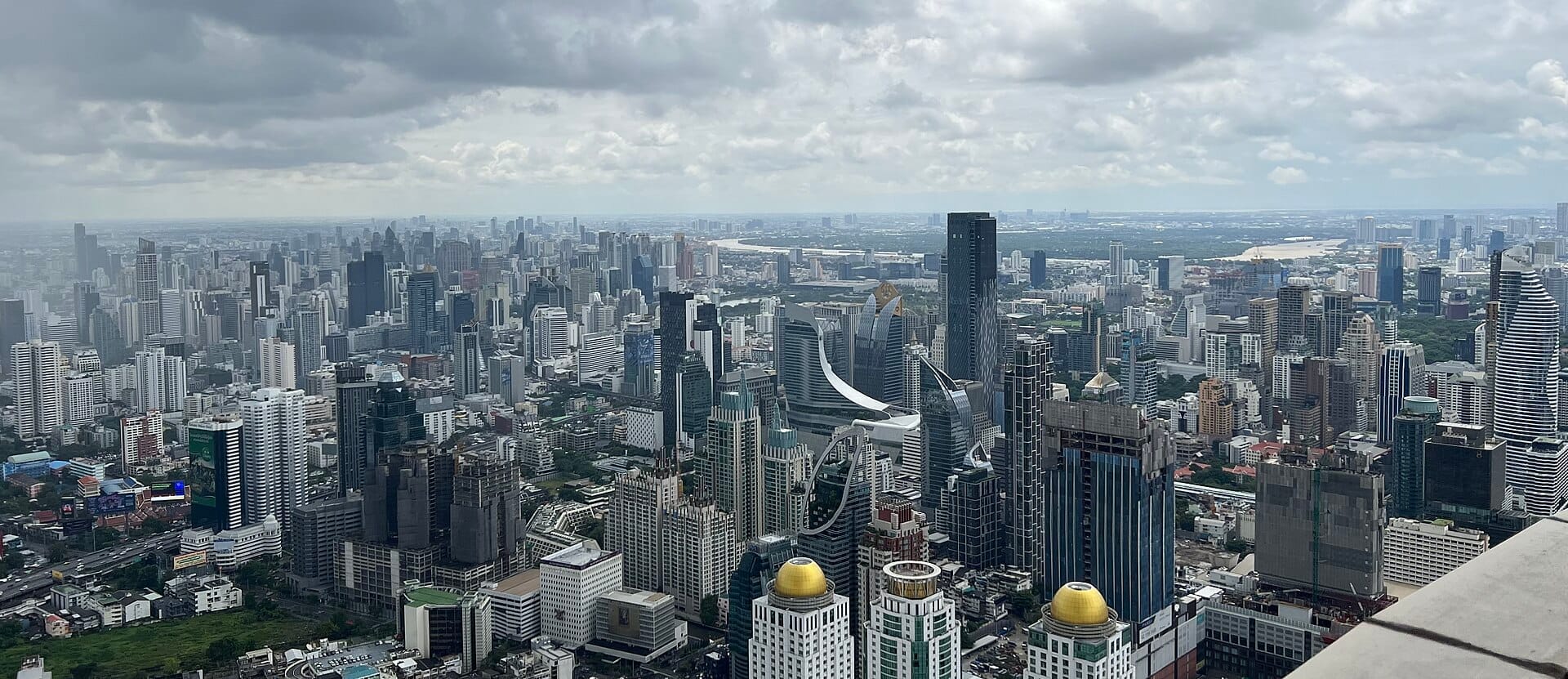
Baiyoke Tower II, the 88-floor pink skyscraper on Ratchaprarop Road, houses an observation deck on the upper floors with a rotating platform offering 360-degree views across Bangkok. The Baiyoke Observation Deck is not the most sophisticated viewing experience in the city, but the height is genuine and the view north toward Chatuchak and east toward the expressway loops gives a useful spatial sense of how Bangkok is actually laid out.
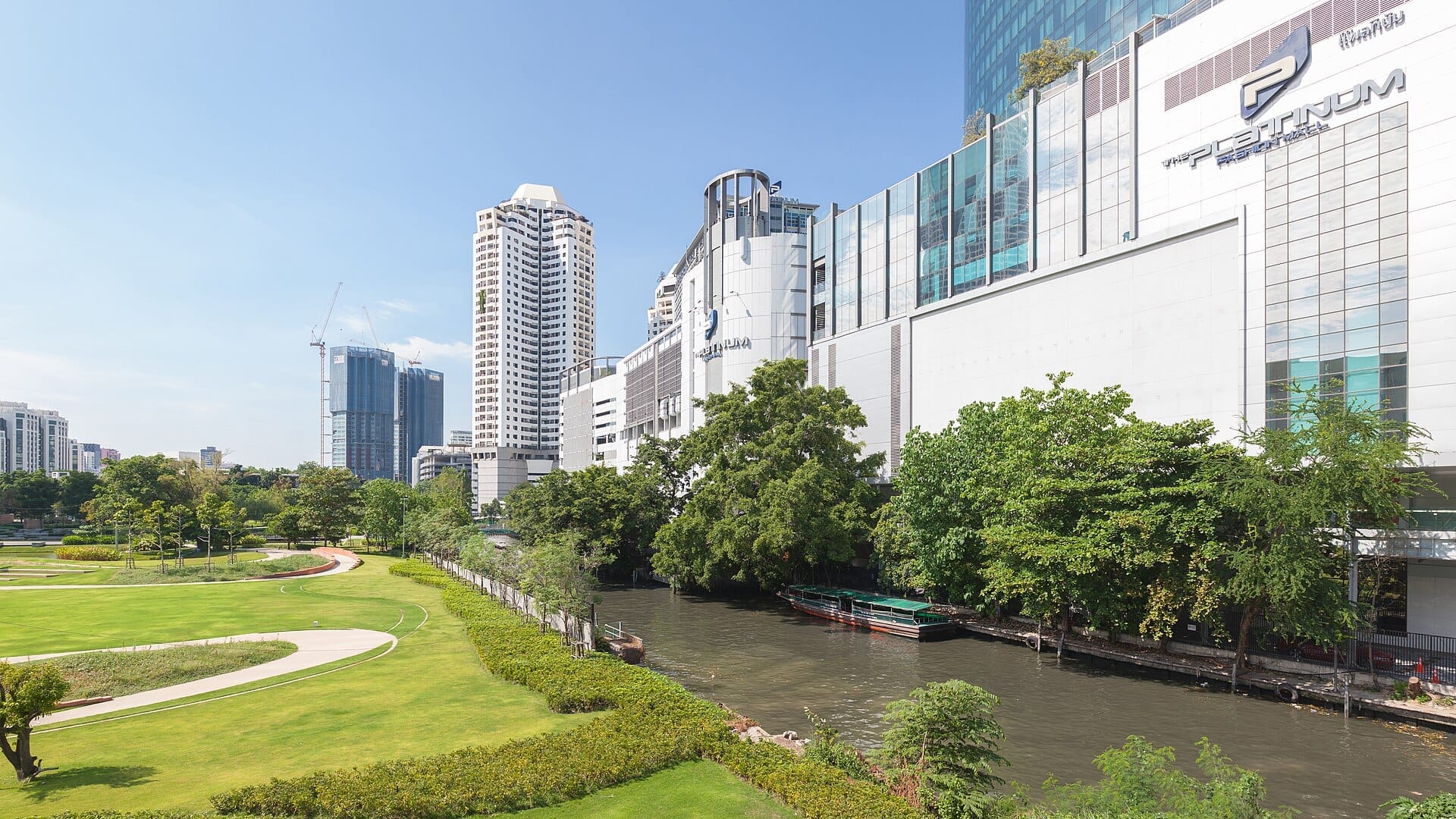
A short walk southwest on Phetchaburi Road brings you to the Platinum Fashion Mall, a massive air-conditioned complex of small fashion stalls that represents a more formal and navigable version of what the street market offers. Platinum caters to both wholesale buyers and individual shoppers, with prices still well below mall retail. It is particularly strong for women's clothing, shoes, and accessories.
The Erawan Shrine sits at the Ratchaprasong intersection, roughly a 15-minute walk south along Ratchadamri Road. It is one of the most actively visited spirit shrines in Bangkok, a place where Thai residents come to make offerings and where classical dance performances happen at irregular intervals throughout the day. The contrast with the commercial chaos of Pratunam, just a few blocks north, is striking.
Pratunam Market: wholesale and retail fashion, best Thursday to Sunday
Platinum Fashion Mall: air-conditioned fashion complex, open daily
Baiyoke Observation Deck: panoramic city views from 88 floors
Erawan Shrine: 15-minute walk south on Ratchadamri Road
Ratchaprarop Road canal-side walk: remnants of the old khlong network
Eating & Drinking
Pratunam punches well above its weight on street food. The lanes running north from the main Pratunam intersection toward the market buildings are lined with carts and small shophouses serving the kind of food that Bangkok residents actually eat: boat noodles, pad kra pao, grilled pork skewers, mango sticky rice, and Chinese-Thai dishes like braised duck over rice. If you are looking for an introduction to the broader Bangkok street food culture, Bangkok's street food scene is well represented here without the tourist markup of areas like Khao San Road.
The area around the Baiyoke Tower has a cluster of local restaurants and a food court in the tower's lower floors that serves a wide range of Thai dishes at prices aimed at the hotel guests staying nearby. The quality is reliable without being exceptional. For better cooking, walk one block east of the main market lanes into the residential streets behind, where small family-run restaurants serve daily specials that change based on what arrived at the wholesale food market that morning.
Pratunam is not a neighborhood for serious bar culture. There are hotel bars, and a few open-air drinking spots that serve beer alongside grilled food, but nightlife is not the draw here. Travelers who want cocktail bars and rooftop scenes should head to Silom or Sukhumvit for the evening and return to Pratunam to sleep.
💡 Local tip
The best street food timing in Pratunam is between 7am and 9am for breakfast noodles and Chinese-style fried dough, and between 6pm and 9pm for grilled meats and rice dishes. The mid-afternoon lull means fewer stalls are operating and quality drops accordingly. Bring cash in small denominations: most street vendors cannot break 500-baht notes.
Getting There & Around
Pratunam does not have a BTS Skytrain station directly inside its boundaries, which is the main practical inconvenience for visitors. The closest BTS station is Chit Lom on the Sukhumvit Line, at the southern end of Ratchadamri Road, approximately a 10 to 15-minute walk from the main Pratunam market area depending on your starting point. The walk south along Ratchadamri is straightforward: wide pavements, clear sightlines, and the Erawan Shrine as a midpoint landmark.
An alternative is the Airport Rail Link, which has a station at Ratchaprarop, directly on the western edge of Pratunam. This line connects to Suvarnabhumi Airport in approximately 25 minutes and runs through Makkasan (connecting to the MRT Blue Line at Phetchaburi station) before heading east. For travelers arriving from the airport, the Ratchaprarop ARL station makes Pratunam hotels genuinely easy to reach without navigating highway traffic.
Within the neighborhood, motorbike taxis are the fastest way to move short distances. Drivers cluster at the entrances to the market buildings and near the major hotel driveways, and fares for hops of two to three kilometers are typically 20 to 40 baht. Tuk-tuks operate here but are less common than in the tourist-heavy zones further south. The area is walkable for most errands, though the afternoon heat and pavement congestion mean that anyone walking more than 10 minutes should plan for it.
ℹ️ Good to know
The Ratchaprarop Airport Rail Link station is a practical but often overlooked entry point for visitors arriving from Suvarnabhumi. The walk from the station to most Pratunam hotels is under 10 minutes, and at 45 baht for a downtown ARL ticket, it is the cheapest and most predictable way to arrive. During rush hours, it is also faster than any road-based option.
Where to Stay
Pratunam has a dense concentration of mid-range hotels, many of them catering to the business travelers and wholesale buyers who visit the garment district. Room rates are generally lower than in Siam or Sukhumvit for comparable quality, and the central location means you are within 20 minutes of most of Bangkok's main attractions. For a broader picture of how Pratunam fits into Bangkok's accommodation landscape, the Bangkok neighborhood guide for accommodation covers the trade-offs across all major areas.
The most practical part of the neighborhood for staying is the strip running north from the Pratunam intersection along Ratchaprarop Road toward the Baiyoke Tower. Hotels here are walking distance from both the market and the ARL station. The trade-off is street noise. Hotels set slightly east, on the smaller streets running parallel to Ratchadamri Road, tend to be quieter and are still within easy walking distance of Chit Lom BTS.
Pratunam suits a specific traveler well: someone who wants a central location, is doing significant shopping, values price over atmosphere, and does not need their hotel to be an experience in itself. It is not the right choice for travelers prioritizing calm, greenery, or a neighborhood with strong local character beyond commerce. Families with young children may find the pavement congestion and traffic around the market buildings tiring.
Nearby Neighborhoods
Pratunam borders or connects to several of Bangkok's most important districts. Immediately to the south, Siam offers the city's main concentration of large shopping malls, the Bangkok Art and Culture Centre, and the central BTS interchange station. To the southeast, Silom is Bangkok's financial district and home to the Patpong night market and Lumphini Park.
North of Pratunam, the district of Dindaeng transitions toward the Chatuchak area, home to the famous weekend market and Chatuchak Park. The Or Tor Kor fresh market, one of the best food markets in the city, sits at the northern edge of this corridor. To the west, across the expressway, the older neighborhoods of the inner city begin to blend into Dusit, Bangkok's royal and administrative district.
TL;DR
Pratunam is Bangkok's wholesale garment district: dense, commercial, and loud, with limited tourist infrastructure but genuine local energy.
Best suited to shoppers, budget-conscious travelers, and anyone who wants a central location without paying Siam or Sukhumvit prices.
The Ratchaprarop Airport Rail Link station makes arrival from Suvarnabhumi Airport unusually straightforward.
Street food quality is high, particularly in the early morning and early evening; bar and nightlife culture is minimal.
Not recommended for travelers who prioritize quiet, green space, or a neighborhood with strong cultural identity beyond commerce.
From the riverside spectacle of ICONSIAM to the bargain floors of MBK, this guide covers Bangkok's 10 best shopping malls by district with straightforward takes on what each one actually does best.
Bangkok's street food scene is one of the most rewarding in Southeast Asia, but knowing where to go and what to order separates a great meal from a mediocre one. This guide breaks down the best dishes, neighborhoods, and markets so you can eat confidently and affordably.
From the 15,000-stall maze of Chatuchak to the sizzling woks of Yaowarat after dark, this guide covers Bangkok's best markets with candid reviews, practical tips, and the best times to visit each one.
From the dazzling Grand Palace complex to quiet neighborhood temples with barely a tourist in sight, this guide covers Bangkok's 10 most rewarding temples with frank reviews and practical visiting tips.
Bangkok's tropical climate means timing your visit matters more than most cities. This guide breaks down every season, key festivals, crowd levels, and price shifts so you can pick the right window for your trip.
Songkran is Thailand's New Year and the world's largest water fight, and Bangkok does it on a scale unlike anywhere else. This guide covers the best spots to celebrate, practical logistics, cultural context, and practical advice on what to skip.
From glittering temple complexes and chaotic night markets to rooftop observation decks and hidden neighborhoods, this guide covers 20 of the best things to do in Bangkok with candid reviews and practical advice.
Bangkok spreads across a vast urban grid, and where you stay shapes your entire trip. This guide breaks down the city's top neighborhoods by location, vibe, transport access, and price range, so you can book with confidence.