East Pattaya, locally nicknamed the Darkside, sits beyond Sukhumvit Road and offers a completely different side of the city: low-rise housing estates, golf courses, international schools, and a genuine expat community. It lacks the beaches and neon lights of central Pattaya, but that is precisely the point for the people who choose it.
East Pattaya is the part of the city most visitors never see and many long-term residents specifically seek out. Separated from the tourist core by Sukhumvit Road, it trades ocean views and nightlife strips for tree-lined lanes, golf fairways, and the kind of ordinary daily life that the beachfront areas rarely offer.
Orientation: Where East Pattaya Sits
East Pattaya begins where Sukhumvit Road runs, the busy highway that cuts north to south through the city and effectively acts as the spine dividing coastal Pattaya from its inland suburbs. Everything to the east of that road, stretching outward toward Bang Lamung district and the broader Chonburi province hinterland, falls under the informal umbrella of East Pattaya. Locals and long-term expats often call this area the Darkside, a nickname that dates back to when these inland roads had minimal street lighting compared to the neon-lit beach zones. The name has stuck even as the area has developed significantly.
Sukhumvit Road itself is the key reference point. Several numbered roads and sois (side streets) branch eastward from it, forming a loose grid of residential lanes, commercial strips, and larger development plots. The area does not have sharp formal boundaries on its eastern or northern edges; it gradually transitions into more rural Bang Lamung territory. To the south, East Pattaya blurs into the hinterland behind Jomtien. To the north, it connects loosely with the areas behind North Pattaya and the road toward Rayong.
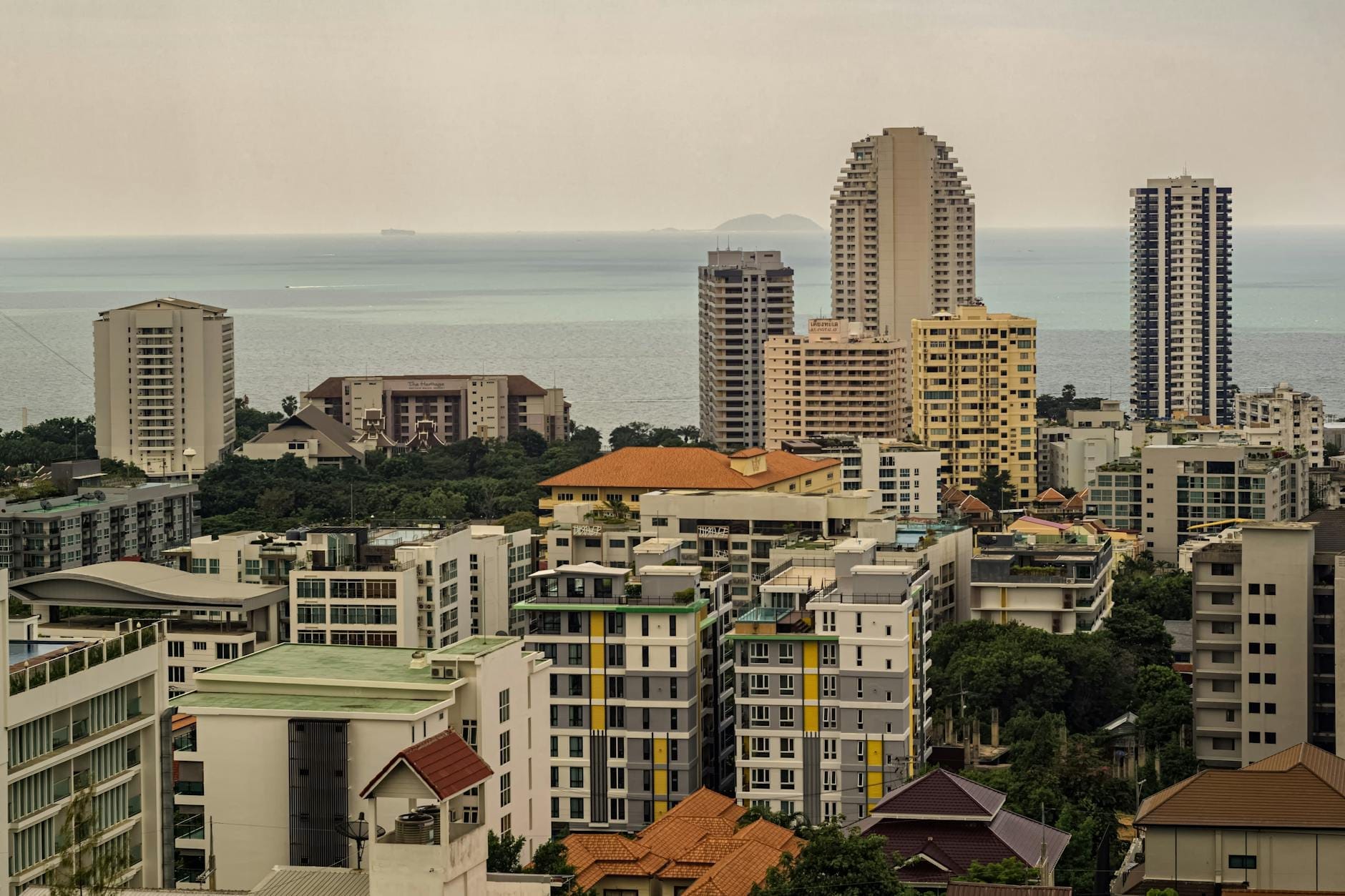
For travelers building a mental map of the city, think of it this way: the beachfront areas of Pattaya Beach and Jomtien face west onto the Gulf of Thailand. Cross Sukhumvit Road heading east, and the ocean disappears behind you. The land flattens, the buildings drop in height, and the density thins out. That shift happens within a few hundred meters, and it is immediately noticeable.
Character and Atmosphere
East Pattaya operates on a different clock from the rest of the city. In the early morning, the roads near the fresh markets fill with Thai residents on motorbikes picking up ingredients for the day. The sounds here are not the thump of nightclub bass but the ordinary noise of a working neighborhood: dogs, food vendors, schoolchildren, and the occasional rooster. Street-level stalls sell rice porridge and iced coffee to commuters heading toward the main road.
By mid-morning the residential lanes are quiet. The light in this part of Pattaya feels different from the beach zones: softer greens from garden walls and roadside trees replace the hard reflections off hotel facades and tarmac. Gated housing estates sit behind walls topped with flowering bougainvillea. Golf carts cross small intersections. The pace is genuinely slow in a way that the beachfront never quite manages.
After dark, East Pattaya reveals another layer. Certain streets, particularly those running off the main sois between Sukhumvit and the eastern developments, have a bar scene that caters almost entirely to expat residents rather than short-stay tourists. These are neighbourhood locals bars: pool tables, draft beer, and regulars who know each other by name. The atmosphere is low-key and, depending on the street, can feel completely detached from the Walking Street energy happening just a few kilometres to the west.
ℹ️ Good to know
The nickname 'Darkside' is a historical reference to the area's former lack of street lighting, not a comment on safety. East Pattaya is today a well-established residential area with a stable, predominantly family and expat population.
What to See and Do
East Pattaya is not a sightseeing district in the conventional sense. There are no major temples lining the roads and no beachfront promenades. What it does offer is a specific type of activity: outdoor recreation, animal experiences, and the kind of low-pressure exploration that rewards people who enjoy wandering without a fixed itinerary.
Golf dominates the leisure landscape here more than anywhere else in Pattaya. Several international-standard golf courses are located in and around the East Pattaya area, drawing golfers from across Asia and beyond. Courses are well-maintained, competitively priced by regional standards, and accessible to visitors who book in advance. Tee times in the early morning, before the heat builds, are particularly popular.
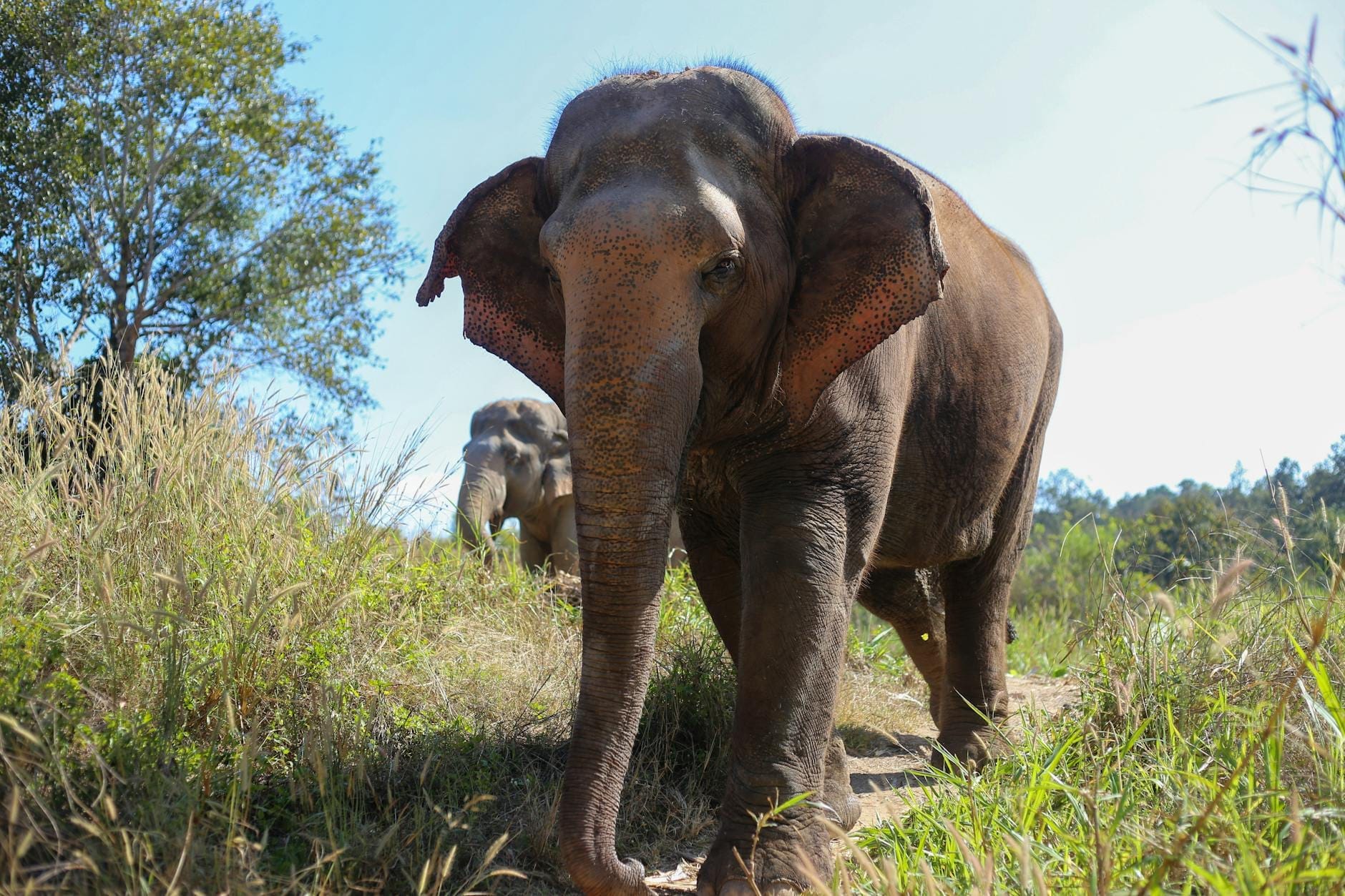
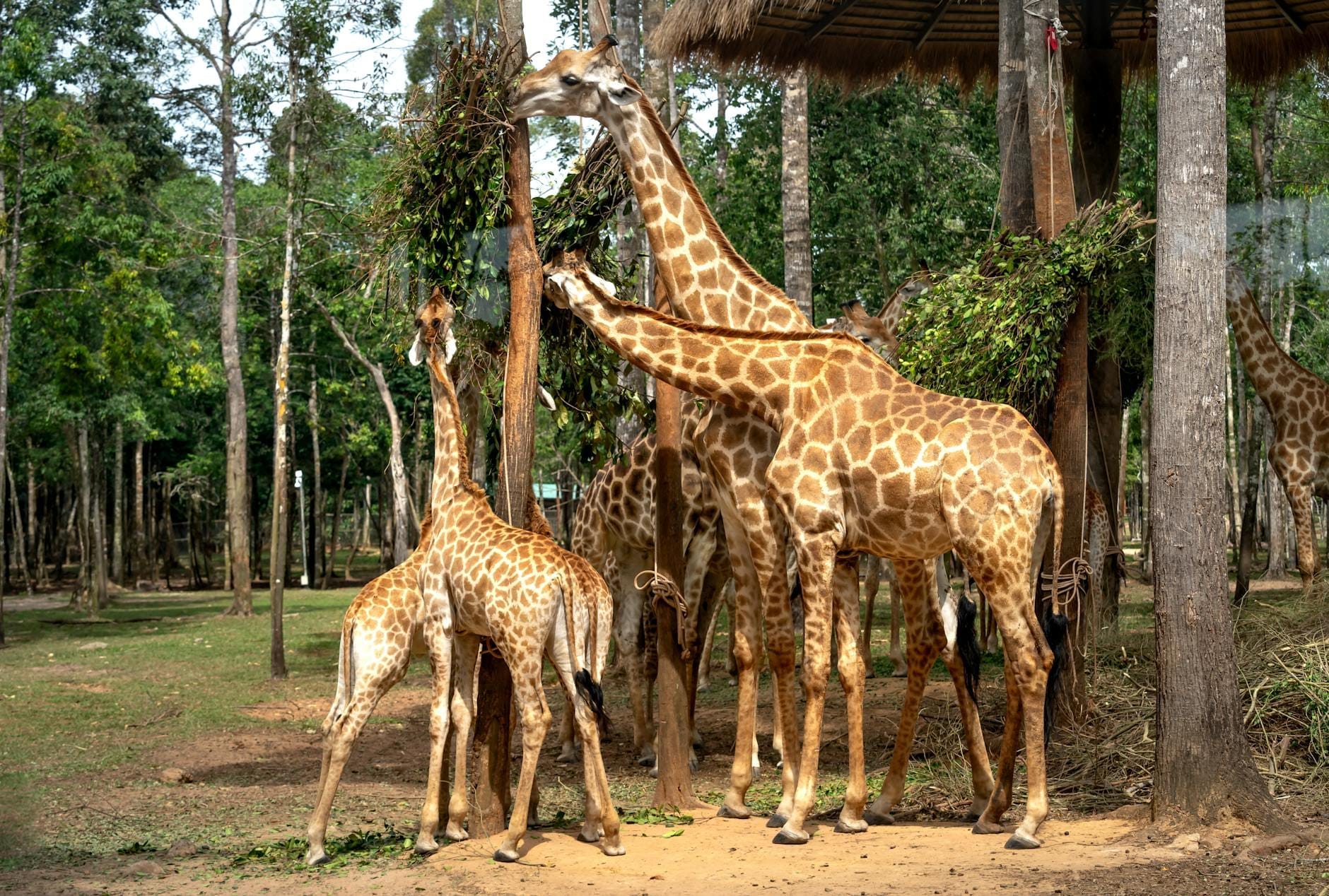
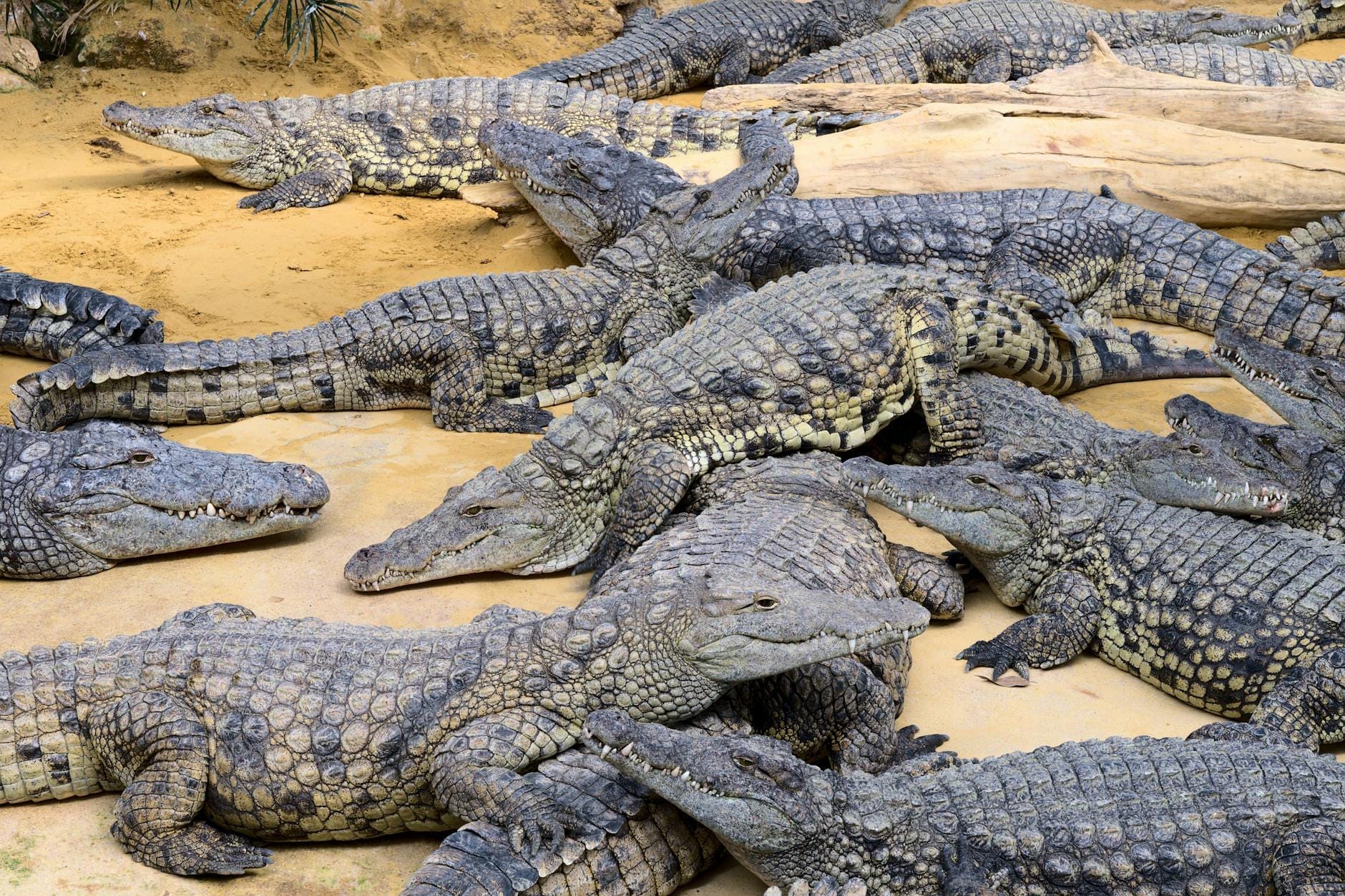
Elephant Village, one of the area's longer-standing animal attractions, sits within the East Pattaya zone. The Pattaya Crocodile Farm is also found in this part of the city, drawing families and curious visitors. Animal welfare standards at these types of attractions vary widely across Thailand, so it is worth researching current conditions before visiting.
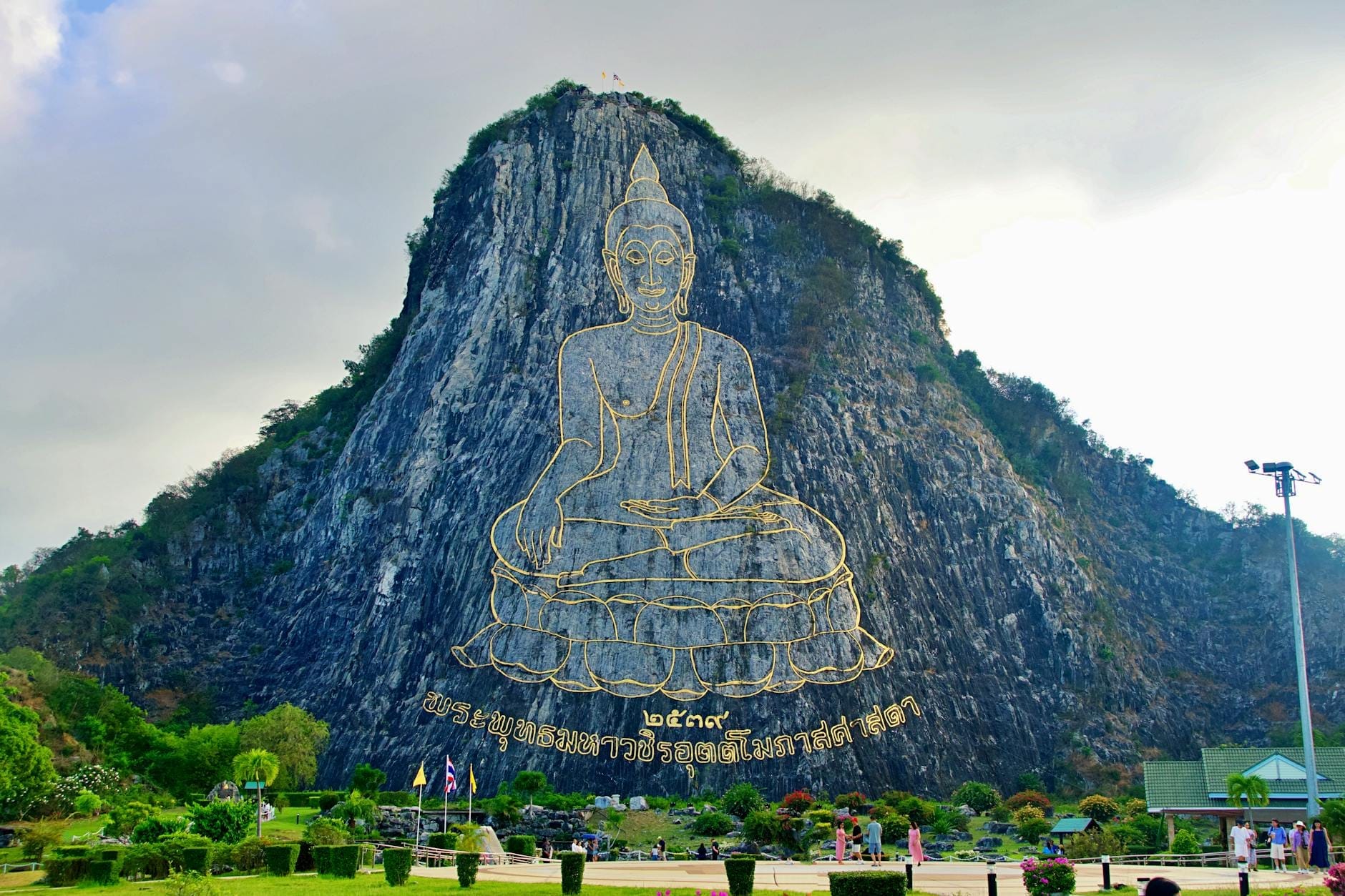
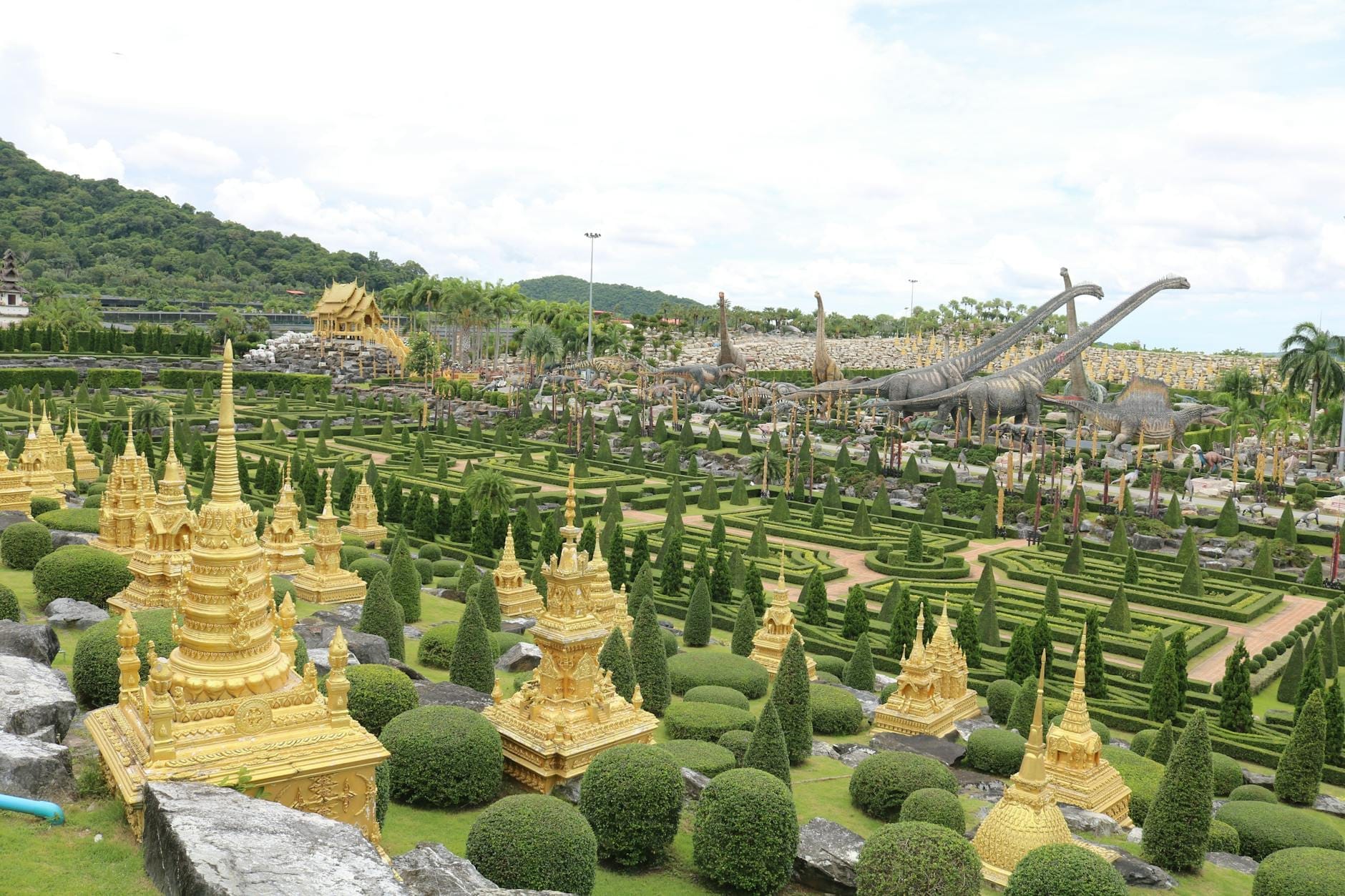
For travelers who want more substantial day-trip options from this side of Pattaya, the east side is well-positioned for excursions inland. Nong Nooch Tropical Garden is easily reached by heading south along Sukhumvit, and the Million Years Stone Park sits in the same general corridor. Both are practical options for a half-day out of the central tourist areas.
Golf courses: multiple 18-hole international courses within or adjacent to the area
Elephant Village: elephant shows and interactions, east of central Pattaya
Pattaya Crocodile Farm: a long-standing local attraction popular with families
Local markets: fresh morning markets scattered through residential zones
Expat bars and pool halls: low-key drinking spots catering to resident communities
💡 Local tip
If golf is your primary reason for visiting Pattaya, staying on the east side puts you closer to the courses and away from the noise of the beachfront. Most golf packages include transport from Sukhumvit-area hotels.
Eating and Drinking
The food scene in East Pattaya is split between two very different audiences: the Thai residents who live here year-round, and the expat community that has built up over decades. For the Thai-facing side, the morning markets and roadside stalls offer some of the most straightforward and affordable eating in the Pattaya area. Portions are generous, prices are low, and you are unlikely to share a table with another tourist.
The expat-facing food scene has its own well-worn logic. Certain streets are lined with Western-style restaurants, English-language menus, and the kind of comfort food that appeals to long-term residents: full English breakfasts, pub lunches, European bar food. Quality varies considerably. The better spots have been running for years and built their reputation on consistency rather than novelty.
For a broader picture of eating options across the city, the where to eat in Pattaya guide covers the full range from street-food clusters to upmarket dining rooms. East Pattaya represents the more everyday, local end of that spectrum.
Drinking culture in East Pattaya is genuinely different from the central and south areas. The bars here are neighbourhood institutions: small, often owner-operated, with a loyal regular base. Opening hours tend to be more civilised, with many places winding down before midnight rather than running until dawn. If you are looking for a quiet beer and a conversation without navigating the tourist strip, this is where to find it.
Getting There and Around
East Pattaya has no metro or rail connection. Pattaya as a whole operates without a fixed rail transit system, relying instead on songthaews (covered pick-up trucks that run fixed routes) and motorbike taxis for local movement. From the beach areas, songthaews run along Sukhumvit Road and can drop passengers at various points along the main highway, from which the residential side streets are accessible on foot or by motorbike taxi.
The practical reality is that East Pattaya is much easier to navigate with personal transport. Motorbike rental is widely available across Pattaya and is the most flexible option for exploring the area's side streets. Grab, the regional ride-hailing app, operates in Pattaya and is a reliable alternative to flagging down motorbike taxis if you are unfamiliar with the local fare norms.
Travelers arriving from Bangkok by bus will typically be dropped near the bus terminal in South Pattaya or along Sukhumvit Road, which puts them on the edge of the East Pattaya zone already. From Suvarnabhumi Airport (BKK), buses and minivans run directly to Pattaya. The full guide on getting around Pattaya covers transport options in detail, including songthaew routes and taxi negotiation.
⚠️ What to skip
Songthaews on Sukhumvit Road primarily run north-south along the highway. Reaching specific side streets in East Pattaya usually requires a motorbike taxi from the main road or a Grab booking. Do not expect convenient public transport into the residential interior.
Where to Stay
Accommodation in East Pattaya skews heavily toward long-term stays: condominiums, serviced apartments, and housing estate rentals that cater to expats on monthly or annual contracts. Short-stay hotel options exist but are fewer and less varied than on the beachfront. The trade-off is space: for the same price as a small hotel room on Beach Road, visitors can often rent a considerably larger apartment on the east side.
This part of Pattaya suits specific types of traveler well: golfers who want easy course access, families looking for a quieter base away from the nightlife zones, and longer-stay visitors who want to live more like a resident than a tourist. It is a poor fit for travelers whose priority is beach access, as even the nearest beaches require a songthaew or vehicle to reach.
For travelers weighing up the full range of accommodation zones in the city, the where to stay in Pattaya guide provides a direct comparison across all neighborhoods, from the beachfront hotel strips to quieter residential options like East Pattaya and Pratumnak Hill.
Honest Assessment: Who East Pattaya Is For
East Pattaya does not pretend to be something it is not. It is a suburb, and a fairly comfortable one, with all the ordinary rhythms of residential life that implies. The people who love it tend to be those who already know Pattaya well enough to understand what they are choosing: distance from the noise, a slower pace, and a more local character than the beachfront can offer.
First-time visitors to Pattaya will likely find little reason to base themselves here. The key attractions, the beach, the nightlife, the big entertainment complexes, all sit on the other side of Sukhumvit Road. Day-trippers from the beach areas can dip in for a golf round or an animal attraction visit and return comfortably within a few hours.
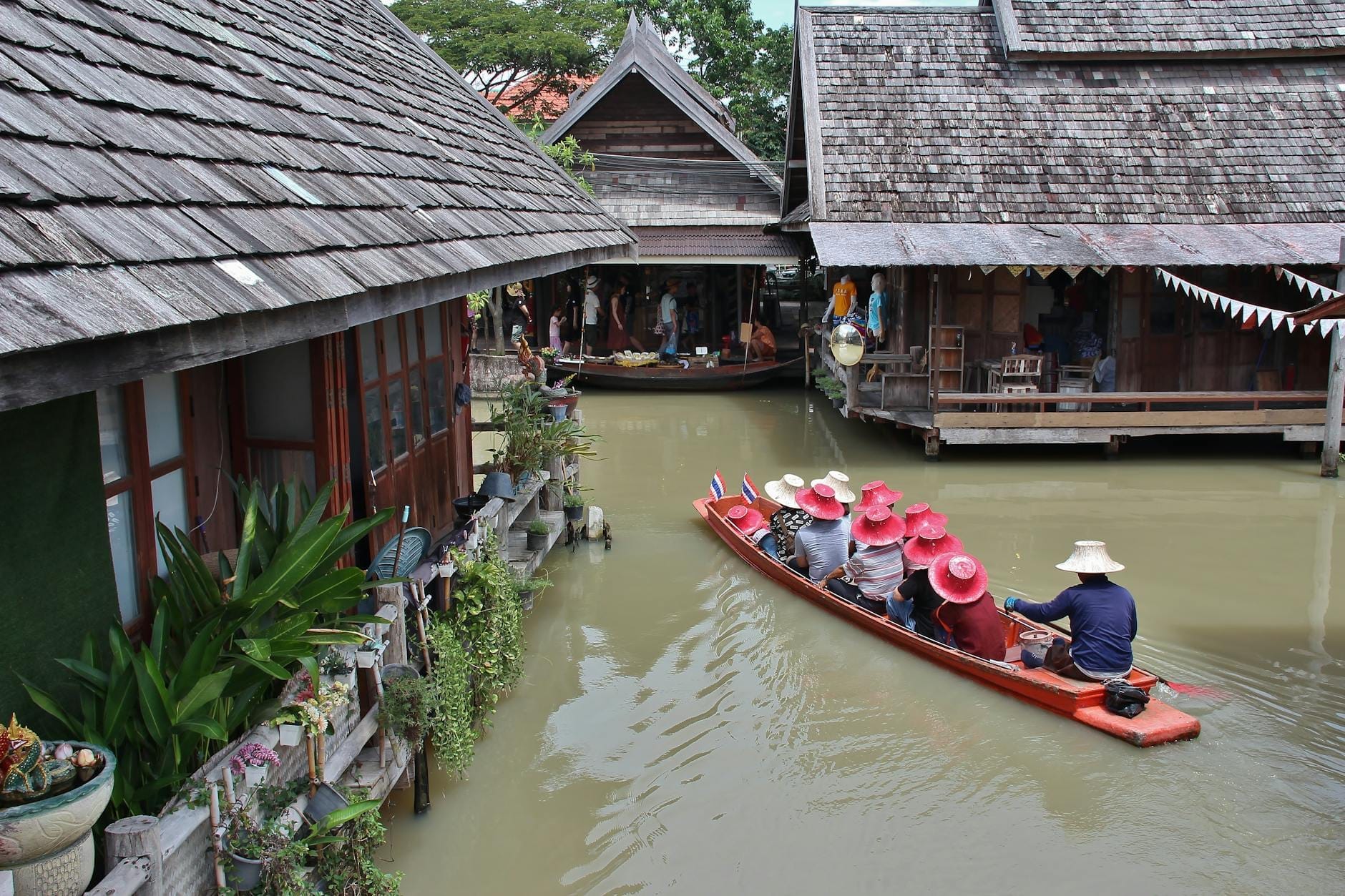
Longer-stay travelers or those returning for a second or third trip who want to see a different side of the city will find East Pattaya genuinely interesting. Paired with a day trip to Nong Nooch Tropical Garden or a morning at the Pattaya Floating Market, which sits close to the Sukhumvit corridor, the east side forms a coherent alternative Pattaya itinerary for those willing to look beyond the beach.
TL;DR
East Pattaya (the Darkside) is a residential and suburban zone east of Sukhumvit Road, defined by golf courses, gated housing estates, international schools, and a well-established expat community.
Best suited for golfers, longer-stay visitors, expats, and families seeking quiet and space rather than beach access or nightlife.
Getting around requires personal transport or motorbike taxis; songthaews run along Sukhumvit Road but do not reach the interior side streets.
The food and bar scene is split between local Thai markets and expat-facing restaurants and neighbourhood pubs, both notably cheaper and more relaxed than the beachfront equivalent.
Not recommended as a base for first-time visitors to Pattaya whose priorities are the beach, major attractions, or nightlife, all of which sit on the opposite side of the city.
Pattaya's weather divides into three distinct seasons, each with genuine trade-offs. This guide breaks down what to expect month by month, which festivals are worth planning around, and when to avoid peak-season prices without sacrificing your trip.
From 10-baht songthaew rides to Grab cars and scooter rentals, navigating Pattaya is easier than most first-timers expect. This guide covers every transport option, with honest fare breakdowns, route logic, and warnings about common tourist traps.
Pattaya sits at the center of one of Thailand's most varied regions. Within a short drive or boat ride, you can reach jungle islands, open-air zoos, ornate wooden temples, and vast botanical gardens. This guide covers the top day trips from Pattaya with real logistics, honest assessments, and everything you need to plan a great excursion.
Pattaya's reputation as a party city undersells it dramatically for families. From Southeast Asia's largest water park to an open zoo with 8,000 animals, the city offers a serious lineup of kid-friendly experiences. This guide covers where to go, what to skip, and how to make it work with children in tow.
Three days is enough time to see the best of Pattaya — from laser-etched Buddhas and ethical elephant sanctuaries to island-hopping off Koh Larn and the electric chaos of Walking Street. This day-by-day itinerary cuts the filler and tells you exactly where to go, when, and why.
Pattaya's nightlife runs far deeper than its reputation suggests. This guide covers every major scene, from the neon-lit clubs of Walking Street to the laid-back beer bars of Soi Buakhao and the city's best rooftop spots, with practical pricing, timing tips, and honest warnings about what to skip.
Pattaya packs more variety into one coastal city than most destinations manage across an entire country. This guide covers the top 25 things to do, from architectural wonders and ethical wildlife encounters to island escapes and world-class cabaret shows.
Pattaya's dining scene is far broader than most visitors expect. This guide cuts through the noise to show you exactly where to eat in Pattaya, whether you're after a 60-baht bowl of noodles from a songthaew stop or a candlelit beachfront table with grilled tiger prawns. Organized by neighborhood, budget, and cuisine type, with honest assessments of what's worth your time.
Choosing where to stay in Pattaya shapes your entire trip. This guide covers every major area, from the lively central beachfront to the quieter family-friendly streets of Jomtien, with honest assessments of who each neighborhood suits, realistic price ranges, and the hotels worth booking.