Million Years Stone Park & Crocodile Farm: Pattaya's Prehistoric Garden
Opened in 1992 on a 70-acre site in East Pattaya, the Million Years Stone Park & Pattaya Crocodile Farm combines petrified wood over 100 million years old with one of Thailand's largest saltwater crocodile populations. It's a genuinely unusual attraction, part geological curiosity, part wildlife park, and part living tree museum.
Quick Facts
- Location
- 22/1 Moo 1, Nong Pla Lai, Banglamung, Chonburi 20150
- Getting There
- ~9 km from central Pattaya; 15-min drive by taxi, Grab, or songthaew toward Sukhumvit Road
- Time Needed
- 2 to 3 hours for the full site including shows
- Cost
- Adult tickets from ฿500 THB; verify current rates directly or via booking platforms
- Best for
- Families with children, geology enthusiasts, nature lovers, first-time Pattaya visitors
- Official website
- www.thaistonepark.org/en/
What Is the Million Years Stone Park?
The Million Years Stone Park & Pattaya Crocodile Farm is one of East Pattaya's most distinctive attractions: a 70-acre outdoor park where ancient geological specimens, centuries-old trees, ornamental gardens, and a large crocodile facility occupy the same grounds. The park opened on February 1, 1992, and has grown into a sprawling compound that rewards slow exploration.
The centerpiece of the stone section is a collection of petrified wood specimens estimated to be over 100 million years old. These are not replicas. The silica-replaced tree trunks sit in open garden beds, their bark texture still visible but now hard as flint. Some are enormous, cross-sections the width of a dining table. Alongside them, the park maintains a curated collection of Thai-style ornamental trees, some over 200 years old, shaped through bonsai-adjacent techniques into gnarled, dramatic forms.
💡 Local tip
Arrive before 10:00 AM to walk the stone and garden sections in cooler temperatures before the crocodile shows draw crowds and the midday heat sets in.
The Stone Gardens: What You'll Actually See
Walking into the stone garden feels slightly surreal. The path winds between specimens arranged like an open-air museum without walls. Petrified logs rest on low platforms or directly in the soil, with small plaques providing context. The texture under your fingertips, if you touch the stones, is cool and unexpectedly smooth in places, rough and bark-like in others. The color palette ranges from gray and cream to deep reddish-brown, depending on the mineral composition of each piece.
The ornamental tree collection is displayed nearby and deserves more attention than most visitors give it. These are living sculptures, trees trained over decades or centuries into sweeping canopies and exposed root systems. In the morning light, the low sun catches the texture of the bark and the moss that clings to older specimens. It is quiet here, birdsong carrying over from the surrounding scrub.
The gardens also feature decorative rock formations, small ponds with fish, and seasonal flowering plants. The overall layout is not slick or perfectly manicured. Some sections feel a little rough around the edges, which is worth knowing in advance if you're expecting the polish of a botanical garden. What it lacks in grooming it compensates with genuine variety.
Tickets & tours
Hand-picked options from our booking partner. Prices are indicative; availability and final rates are confirmed when you complete your booking.
Tuktuk Tour in Koh Sichang Island from Pattaya
From 106 €Instant confirmationFree cancellationIntroductory Group Muay Thai Boxing Lesson for Beginners in Pattaya
From 26 €Instant confirmationFree cancellationKoh Samet Island Self-Guided Tour from Pattaya
From 95 €Instant confirmationFree cancellationIntroductory private Muay Thai boxing lesson for beginners in Pattaya
From 79 €Instant confirmationFree cancellation
The Crocodile Farm: Scale and Shows
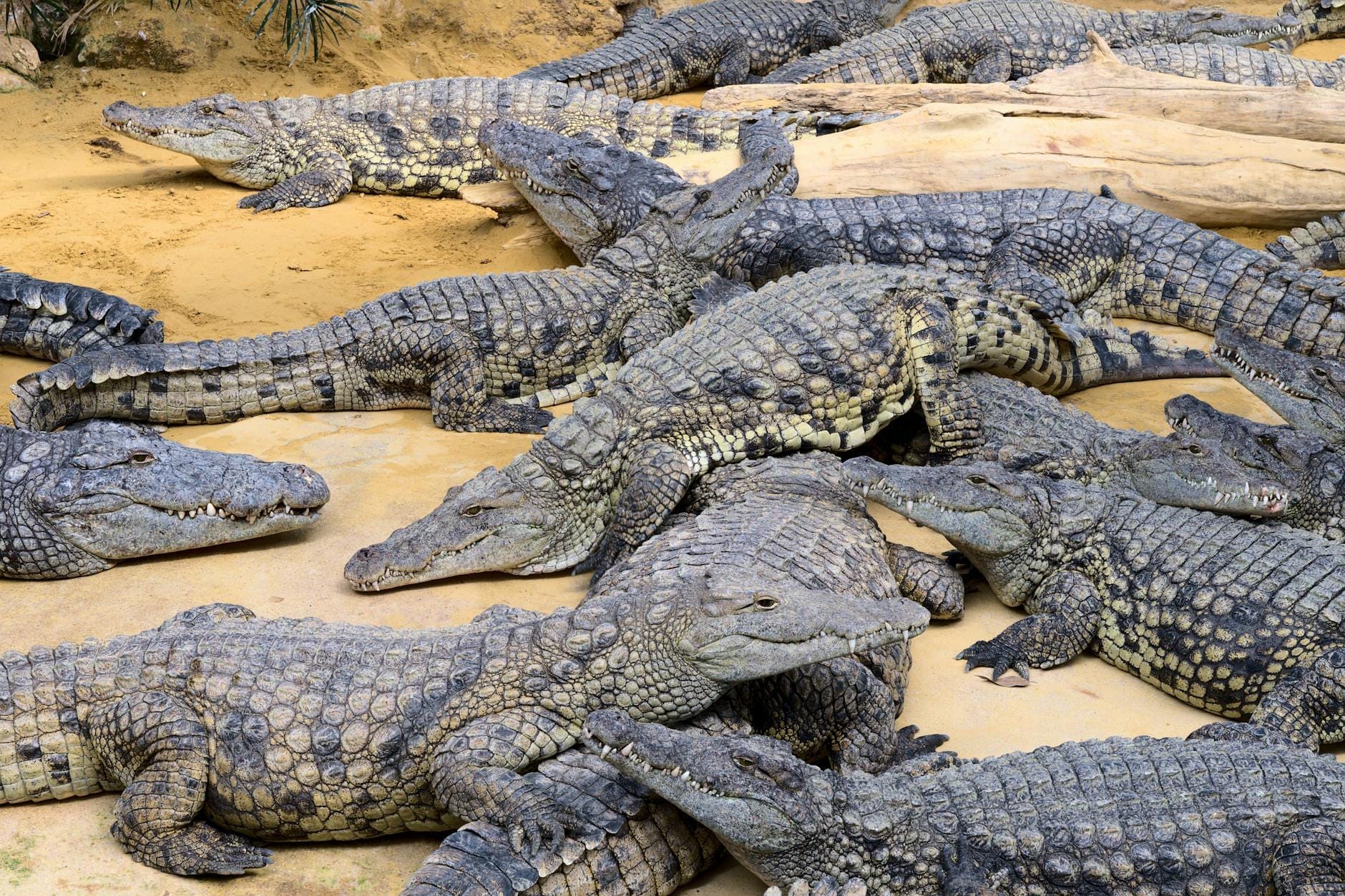
The crocodile section of the park holds one of Thailand's largest populations of saltwater crocodiles (Crocodylus porosus), the largest living reptile species on Earth. The sheer number of animals is striking. Large enclosures hold dozens of crocodiles, some clearly old and massive, basking in shallow water or piled on sandy banks. The smell near the enclosures is earthy and sharp, a mix of standing water and reptile habitat that becomes more noticeable as you approach.
Crocodile shows are staged at scheduled intervals throughout the day, typically involving handlers performing close-contact routines with the animals. These shows are common at wildlife attractions across Southeast Asia. Whether you find them impressive or uncomfortable depends on your personal ethics around animal entertainment. The park's broader conservation role is not clearly documented in publicly available materials, so travelers with strong concerns about animal welfare should factor this in before visiting.
⚠️ What to skip
If animal welfare is a priority for you, research the park's current practices before booking. The crocodile shows involve handler-animal contact that some visitors find distressing.
Beyond crocodiles, the wildlife section includes other animals in enclosures, the specific mix of which can vary. The park is large enough that you can spend substantial time in the garden areas without engaging with the animal shows at all, which is a reasonable approach for some visitors.
How the Experience Changes Through the Day
Early morning, between 8:00 AM and 10:00 AM, is the best window for the stone gardens and tree collections. The light is softer, the temperature is manageable, and the site is relatively uncrowded. Thai visitors and local families tend to arrive later in the morning, and tour groups from central Pattaya typically show up closer to mid-morning.
By noon, the open garden sections can be punishing under the tropical sun. Bring a hat, sunscreen, and water. The park is largely outdoors with limited shade in the stone exhibition areas. The crocodile enclosures have more overhead cover, which makes that section more tolerable in the heat of the day.
Late afternoon visits are cooler but give you less buffer before the 5:00 PM closing time. If you plan to see a crocodile show and walk both the stone and animal sections, arriving by 2:00 PM at the latest gives you comfortable time without rushing.
Getting There and Practical Logistics
The park sits at 22/1 Moo 1, Nong Pla Lai, roughly 9 km from central Pattaya and about 15 minutes by car under normal traffic conditions. The most reliable way to reach it is by taxi or Grab, both of which can drop you directly at the entrance. Songthaews, the shared pickup trucks that operate Pattaya's informal transit network, do not run a direct route to the park, so you would need to arrange a return pickup or negotiate a waiting fare. For more on getting around the city, see the complete guide to getting around Pattaya.
Opening hours are 8:00 AM to 5:00 PM daily. Admission for adults starts from approximately ฿350 THB, though prices can vary depending on whether you book directly at the gate or through third-party platforms. Always confirm current rates at the official website or on the day of your visit, as attraction prices in Pattaya change periodically.
The site covers over 70 acres (roughly 175 rai), so wear comfortable, closed-toe shoes. The paths between exhibits are mostly flat but can be uneven in older sections of the park. Wheelchair access is not officially detailed, and the terrain in some garden sections would present challenges. Visitors with limited mobility should contact the park in advance.
ℹ️ Good to know
There is no public transit directly to the park. Book a Grab in advance for the return trip, especially if visiting on weekdays when taxi availability near the park can be sparse.
How It Fits Into a Pattaya Itinerary
The Million Years Stone Park pairs well with other East Pattaya attractions for a full day out of the city center. Nong Nooch Tropical Garden is a more manicured botanical and cultural park in the same general direction, and together they make a logical half-day combination if you have transport. Khao Kheow Open Zoo, one of Thailand's better open-air zoos, is also within reasonable driving distance for families who want more wildlife after the stone park.
If you're building a broader itinerary around Pattaya, the full guide to things to do in Pattaya covers how attractions like this one fit into different trip styles, from family holidays to solo cultural visits.
The stone park is not a high-energy, all-day destination. Two to three hours is the right allocation for most visitors. If you have children who are drawn to the crocodile shows or enjoy open outdoor spaces, lean toward three hours. Solo travelers focused on the geological specimens can move through efficiently in under two.
Who Should Reconsider Visiting
Visitors whose primary interest is urban Pattaya, nightlife, beaches, or contemporary shopping will likely find the stone park a detour that doesn't pay off. The location requires deliberate transport, the site is entirely outdoor, and the attractions on offer are niche enough that casual visitors may find themselves underwhelmed once the initial novelty of the stone specimens wears off.
Travelers with significant concerns about captive animal welfare may also find the crocodile farm section difficult to engage with on its own terms. There are other Pattaya experiences that raise fewer of those questions, including the Elephant Jungle Sanctuary, which operates under a different model.
This is also not the attraction to visit on a rainy day. The site has limited indoor cover, and the garden paths become slippery and muddy in heavy rain. Check the forecast before you go, particularly if visiting during the May to October wet season.
Insider Tips
- The petrified wood specimens near the back of the garden section are often larger and better preserved than those near the entrance. Most visitors turn back before reaching them.
- Ask at the gate for the day's crocodile show schedule. Times shift slightly depending on staffing, and showing up without knowing the schedule means you may miss it or wait longer than expected.
- The ornamental tree collection is often overlooked by visitors rushing toward the crocodile enclosures. Budget ten to fifteen minutes here specifically. Some of these trees are genuinely centuries old and are the quiet highlight of the park for many repeat visitors.
- Grab quotes for the return trip before you enter the park. In low-traffic periods, the pickup wait from this part of East Pattaya can run fifteen to twenty minutes longer than in central Pattaya.
- Bring cash. While the park accepts payment at the gate, some secondary services inside may be cash-only, and ATM access near the park is limited.
Who Is Million Years Stone Park & Crocodile Farm For?
- Families with children aged 5 to 14 who will enjoy the crocodile shows and open outdoor space
- Geology and natural history enthusiasts interested in genuine petrified wood specimens
- Visitors spending multiple days in Pattaya who have already covered the beach and central attractions
- Travelers combining a day in East Pattaya with Nong Nooch or Khao Kheow
- Anyone who finds standard beach-resort itineraries repetitive and wants a less conventional afternoon
Nearby Attractions
Other things to see while in East Pattaya & Surroundings:
- Buddha Mountain (Khao Chi Chan)
Khao Chi Chan, known informally as Buddha Mountain, is one of Thailand's most striking religious landmarks: a massive Buddha image laser-carved into a natural limestone cliff and inlaid with 999 kilograms of gold leaf. Located about 20 kilometers south of central Pattaya, it sits within a beautifully maintained garden complex that feels worlds away from the city's noise. Entry is free.
- Columbia Pictures Aquaverse
Columbia Pictures Aquaverse is Southeast Asia's first major Hollywood studio-branded water and theme park, opened in 2022 on the Gulf of Thailand coastline south of Pattaya. Spanning 14 acres, it blends film IP attractions with water rides and live shows, making it one of the more ambitious family entertainment projects in the region.
- Elephant Jungle Sanctuary Pattaya
Elephant Jungle Sanctuary Pattaya offers half-day small-group tours deep in the jungle near Sattahip, where rescued elephants roam freely and visitors interact through feeding, mud baths, and guided observation. It is one of the few elephant experiences near Pattaya that operates on a no-riding, no-performance philosophy.
- Gems Gallery Pattaya
Gems Gallery Pattaya is a sprawling 3.8-acre jewelry showroom and retail complex offering free entry, multi-language staff, and a dedicated Dark Ride experience. Whether you're a serious buyer or just curious, here's an honest look at what the attraction actually delivers.