Best Time to Visit Pattaya: A Month-by-Month Breakdown
Pattaya's weather divides into three distinct seasons, each with genuine trade-offs. This guide breaks down what to expect month by month, which festivals are worth planning around, and when to avoid peak-season prices without sacrificing your trip.

Plan and book this trip
Tools from our partner Travelpayouts help you compare flights and hotels. If you book through them, we may earn a commission at no extra cost to you.
Flights
Hotels map
TL;DR
- The best time to visit Pattaya is November to February: dry, cooler (23–30°C), and ideal for beaches and outdoor sightseeing.
- March to May is hot and increasingly humid, but Songkran in April is one of Thailand's biggest festivals.
- June to October brings daily rain but far fewer tourists, lower hotel rates, and a surprisingly lush coastline.
- Water temperatures stay swimmable year-round at 28–30°C, making Koh Larn and Pattaya Beach accessible in any season.
- Book accommodation at least 6–8 weeks ahead for November through February, especially around Christmas and New Year.
Pattaya's Three Seasons: What You Actually Get
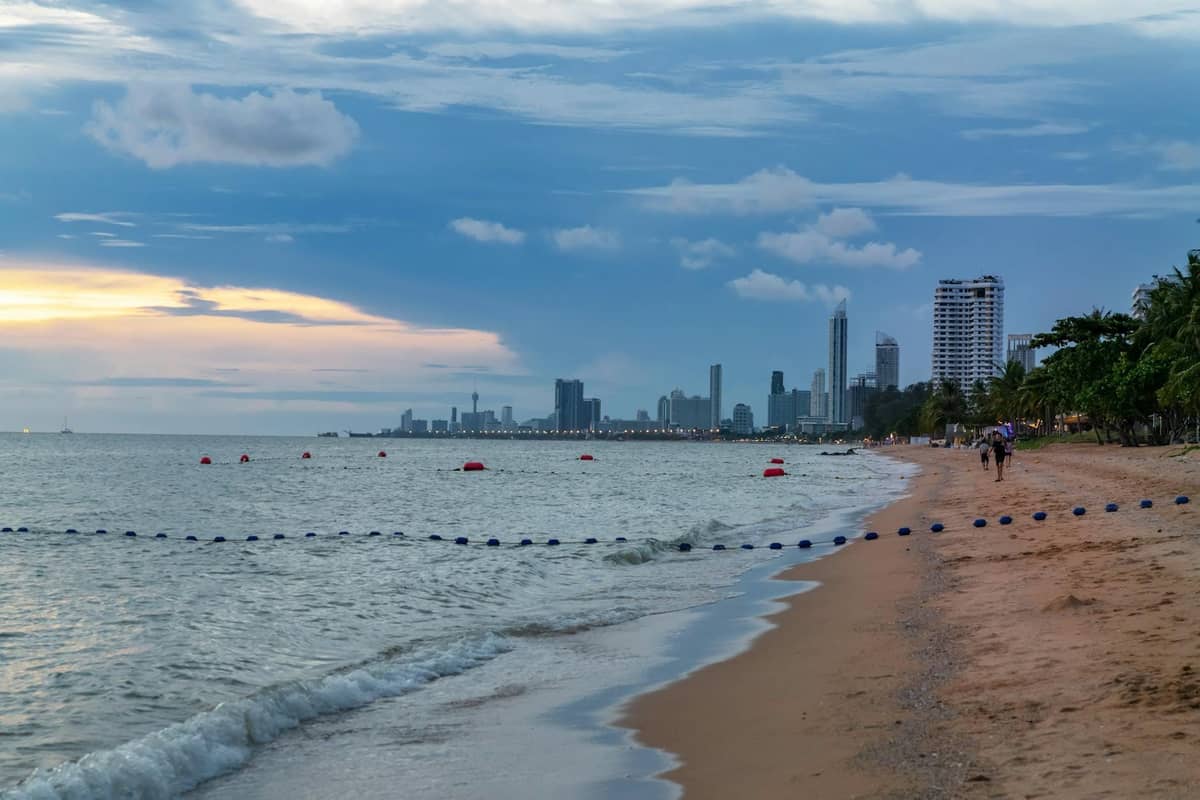
Pattaya sits on the eastern coast of the Gulf of Thailand in Chonburi Province, and its climate follows a tropical pattern shaped by two monsoon systems. Unlike Thailand's Andaman coast, Pattaya's gulf-facing position means the rainy season is somewhat less severe, and the skies often clear by mid-morning even at the height of the wet months. Still, the differences between seasons are significant enough to change the character of a trip entirely.
There are three distinct phases: a cool dry season from November to February, a hot pre-monsoon stretch from March to May, and a rainy season from June to October. Each attracts a different type of traveler, and none is objectively 'wrong' unless your plans are specifically weather-dependent.
November to February: Peak Season and the Best Weather
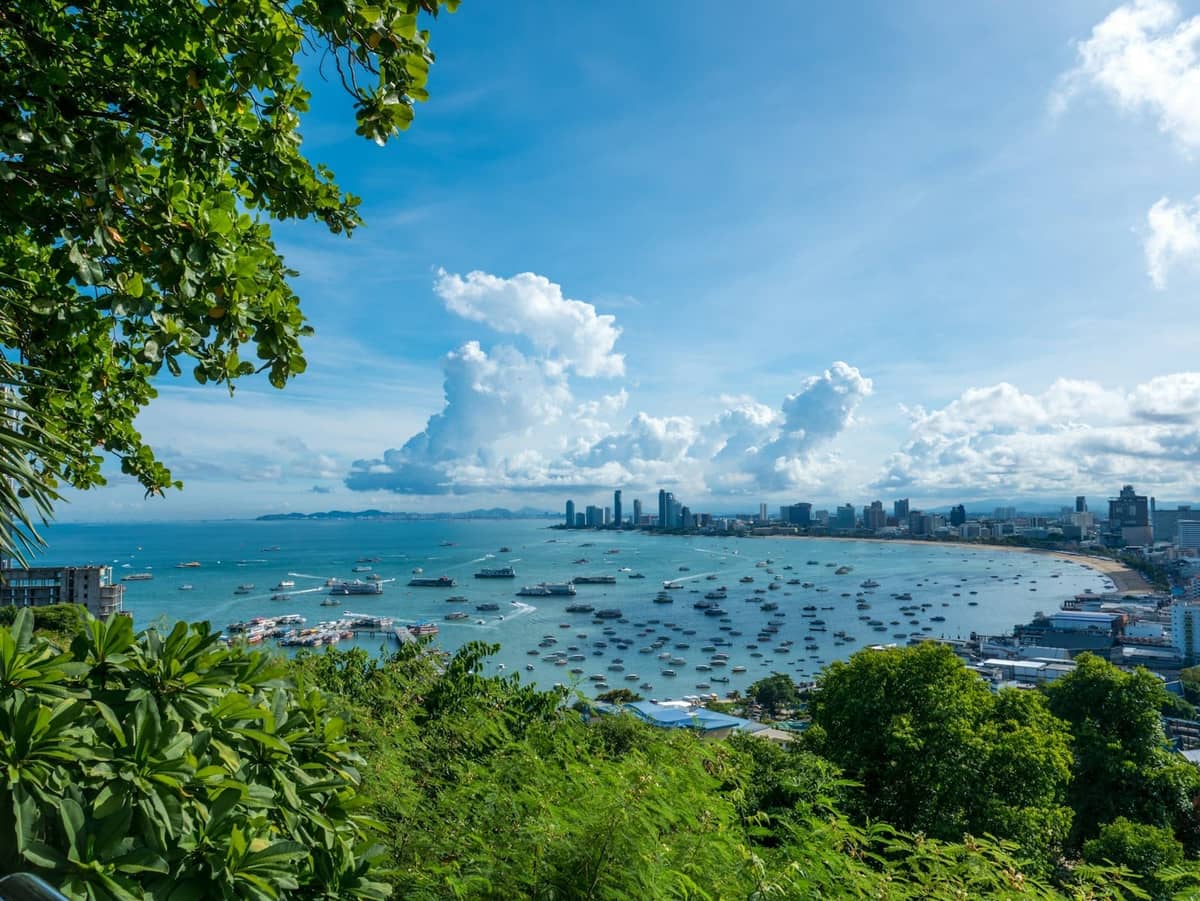
This is when Pattaya performs at its best. Temperatures sit comfortably between 23°C and 30°C, rainfall drops to around 20mm per month, and the skies stay clear enough to make full use of the beach. Pattaya's main beach is at its cleanest and most photogenic in December and January, and boat trips out to Koh Larn's beaches are reliable daily experiences rather than weather-dependent gambles.
December and January are the busiest months, coinciding with European winter escapes and the holiday season. Expect higher hotel rates, fuller beaches, and limited availability at popular spots if you haven't booked ahead. February is a sweet spot: the weather remains excellent, but crowds thin out noticeably compared to the December peak. If you're choosing a single month to visit, February tends to offer the best balance of good conditions and manageable tourist density.
💡 Local tip
Book accommodation 6–8 weeks in advance for December and January. New Year's Eve on Walking Street draws massive crowds, and mid-range hotels fill up fast. February requires less lead time but still benefits from early booking.
The cool-season months are ideal for visiting outdoor and architectural attractions that would feel punishing in the heat. The Sanctuary of Truth in North Pattaya, the sprawling grounds of Nong Nooch Tropical Garden, and the hilltop trek to the Big Buddha Temple are all significantly more enjoyable when temperatures stay below 30°C.
March to May: Hot, Humid, and Songkran

Temperatures climb sharply from March onward, regularly hitting 33–35°C by April and May with rising humidity. Rainfall increases too, from around 69mm in March to 161mm in May, though showers remain sporadic rather than sustained. The heat makes extended outdoor sightseeing uncomfortable in the middle of the day, and UV levels are intense. Sea temperatures peak at around 30°C, which is excellent for swimming and water sports if you can handle the air temperature.
The defining event of this period is Songkran, Thailand's traditional New Year festival, held mid-April. In Pattaya, Songkran lasts several days and turns the entire beachfront area into an extended water fight. It's genuinely fun if you embrace it, but if you're visiting specifically to sightsee, the chaos can make getting around frustrating. Protect electronics, expect streets to be blocked, and dress for getting completely soaked. Some travelers deliberately time their trip around Songkran; others specifically avoid it.
⚠️ What to skip
During Songkran (usually mid-April, though Pattaya often extends festivities), waterproof bags are essential for cameras, phones, and documents. Tuk-tuks and songthaews may be rerouted or unavailable near the beach. Plan extra travel time for any journeys across the city.
June to October: Rainy Season Realities and Rewards
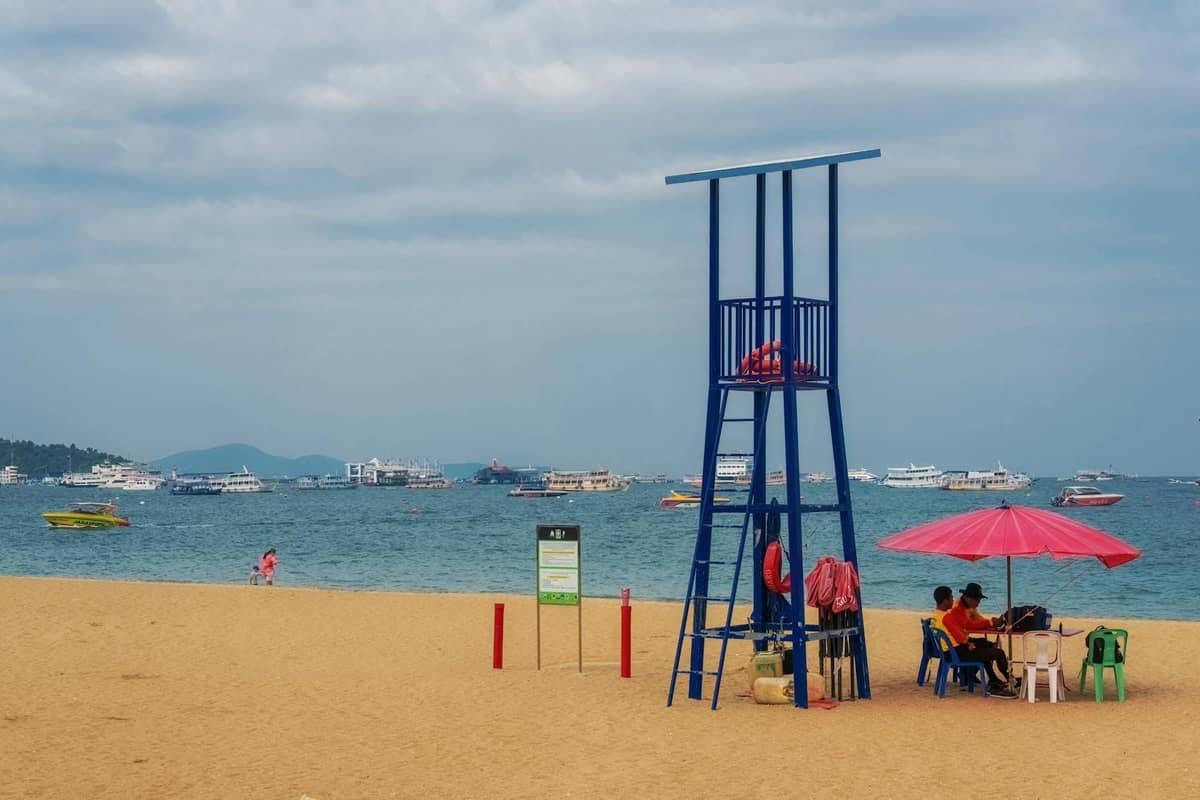
The rainy season gets an unfairly bad reputation. Yes, monthly rainfall between June and October ranges from around 150mm to 216mm, and afternoon thunderstorms are a regular occurrence. But the pattern is usually predictable: mornings are often sunny, showers arrive in the afternoon or evening, and the sky clears again by nightfall. The rain rarely lasts all day.
The practical upside is real. Hotel rates drop by 20–40% compared to peak season, Pattaya Beach is noticeably less crowded, and attractions like Ramayana Water Park and Khao Kheow Open Zoo can be experienced without the queues that build up in December and January.
Sea conditions during the rainy season are generally still swimmable at Pattaya Beach, though boat trips to Koh Larn can be cancelled on particularly rough days. September and October see the most consistent rainfall, and it's worth having a contingency plan for indoor activities during those months. Water temperatures remain around 28–29°C throughout the wet season, so the ocean itself isn't the problem.
- Pattaya Marathon Held in July, it draws international runners and fills mid-range hotels, so book ahead if visiting that weekend.
- Vegetarian Festival Observed in October (dates vary by lunar calendar), with street food stalls offering meat-free Thai dishes throughout the city.
- Loy Krathong Falls in November (sometimes late October), when Thais float decorated baskets on water. Pattaya's beach and Jomtien see beautiful evening ceremonies.
✨ Pro tip
Low season (June–October) is when Pattaya's indoor nightlife, cabaret shows, and shopping scenes shine brightest relative to the outdoor alternatives. Tiffany's Show and the Alcazar cabaret run year-round regardless of weather, making them solid rainy-afternoon or evening anchors to any low-season itinerary.
Month-by-Month Quick Reference
- November Dry season begins, temperatures ease to 25–30°C, Loy Krathong festival. Crowds building but not yet peak. Good value still available.
- December Peak month. Cool (23–28°C), low rain, Christmas and New Year events. Highest hotel rates and crowds of the year.
- January Still peak season, excellent weather. Post-New Year crowds thin slightly mid-month. Book early.
- February Best balance of the year: great weather, fewer tourists, reasonable prices. Recommended for first-time visitors.
- March Getting hot (up to 33°C). Rain starting to appear. Beach still enjoyable mornings and evenings.
- April Hottest month. Songkran festival mid-April. Good for water sports; uncomfortable for extended outdoor sightseeing.
- May Transition month: hot and increasingly wet (160mm+). Fewer tourists, moderate prices.
- June–August Rainy season. Afternoon showers daily but mornings often clear. Good deals. Water temp stays 28–29°C.
- September–October Wettest months (up to 246mm in October). Significant discounts on accommodation. Vegetarian Festival in October.
Practical Considerations: Crowds, Prices, and Planning
Pattaya's accommodation market is large and varied, ranging from budget guesthouses near Jomtien to luxury hotels along Pratumnak Hill. During peak season, mid-range beachfront hotels can be 30–50% more expensive than their rainy-season equivalents. The price gap is large enough that budget-conscious travelers who are flexible with dates often save significantly by targeting May or late October, when weather is transitional but tourist numbers are still low.
If you're planning a day trip from Pattaya or using it as a base for exploring the region, Pattaya's day trip options include Ko Samet, the Khao Yai wine region, and Bangkok itself. These are largely weather-independent, making them useful backup plans during a rainy-season visit. The drive to Suvarnabhumi Airport (BKK), approximately 110km, takes 90 minutes to 2 hours depending on traffic — a relevant factor if you're planning a multi-city Thailand trip.
Families should note that November through February aligns best with calm sea conditions ideal for children. Family-friendly Pattaya works best in the cool dry months when outdoor parks, zoo visits, and beach days are all viable without heat exhaustion concerns.
ℹ️ Good to know
Pattaya is served by two airports: U-Tapao International (UTP), roughly 45km south of the city center, and Suvarnabhumi (BKK) in Bangkok, about 110km away. U-Tapao has expanded its international routes significantly but remains less connected than BKK. If flying into Bangkok, buses and minivans depart regularly for Pattaya from both the airport and the Eastern Bus Terminal (Ekkamai) in central Bangkok.
FAQ
What is the best month to visit Pattaya?
February is the single best month for most visitors: the cool dry season is fully established, temperatures stay between 23–28°C, rainfall is minimal, and tourist crowds are lower than December or January. If you want the absolute peak of the cool season without the holiday price surge, February is the answer.
Is Pattaya worth visiting during the rainy season?
Yes, with the right expectations. Showers are typically short afternoon events, not all-day downpours. Hotels can be 20–40% cheaper than peak season, beaches are far less crowded, and indoor attractions like the Alcazar show, Terminal 21 shopping mall, and water parks run normally. September and October are the wettest months and require the most contingency planning.
How hot does Pattaya get in April?
April is Pattaya's hottest month, with daytime highs regularly reaching 33–35°C and high humidity making it feel warmer. It also coincides with Songkran (Thai New Year, usually April 13–15), when the city hosts large-scale water festival celebrations. If you plan outdoor sightseeing, limit midday activity and stay near the coast where sea breezes help.
Can you swim at Pattaya Beach year-round?
Water temperatures stay between 28–30°C throughout the year, so the sea itself is always warm. During the rainy season (June–October), occasional rough conditions can affect beach quality and boat services to Koh Larn, but Pattaya Beach remains swimmable on most days. The beach is at its cleanest and calmest from November through February.
When should I avoid visiting Pattaya?
There's no month that's completely off-limits, but September and October have the highest rainfall and can feel relentlessly gray for stretches of several days. For first-time visitors who want reliable beach weather without planning around festivals or weather apps, those two months are the lowest-priority options. Budget travelers, however, find them worthwhile for the price savings alone.