Zanzibar Markets: Where to Shop for Spices, Crafts & Street Food
From the fish stalls of Darajani to the grill smoke of Forodhani Gardens at night, Zanzibar's markets are among the most rewarding experiences on the island. This guide covers every major market, what to buy, what to skip, and how to navigate it all without overpaying.
Tickets & tours
Live prices and dates from our booking partner. If you book, we may earn a commission at no extra cost to you.
TL;DR
- Darajani Market in Stone Town is Zanzibar's main working market for produce, fish, meat, and spices — arrive before 9:00 a.m. for the best atmosphere and freshest goods.
- Spice tours and spice farms are not the same as Darajani Market — they are separate experiences, typically costing around US$18–25 per person through a tour operator.
- Forodhani Gardens is the go-to spot for street food after dark, but quality varies stall to stall — pick busy stalls, prioritize grilled seafood, and eat early before the tourist rush.
- For crafts, Stone Town's curio shops are predictable but convenient; for genuinely local goods, look to village markets in Jambiani and Nungwi along the coast.
- Bargaining is expected in most market contexts but not at fixed-price stalls — read the room, stay good-humored, and never start a negotiation you are not prepared to complete.
Darajani Market: The Beating Heart of Stone Town
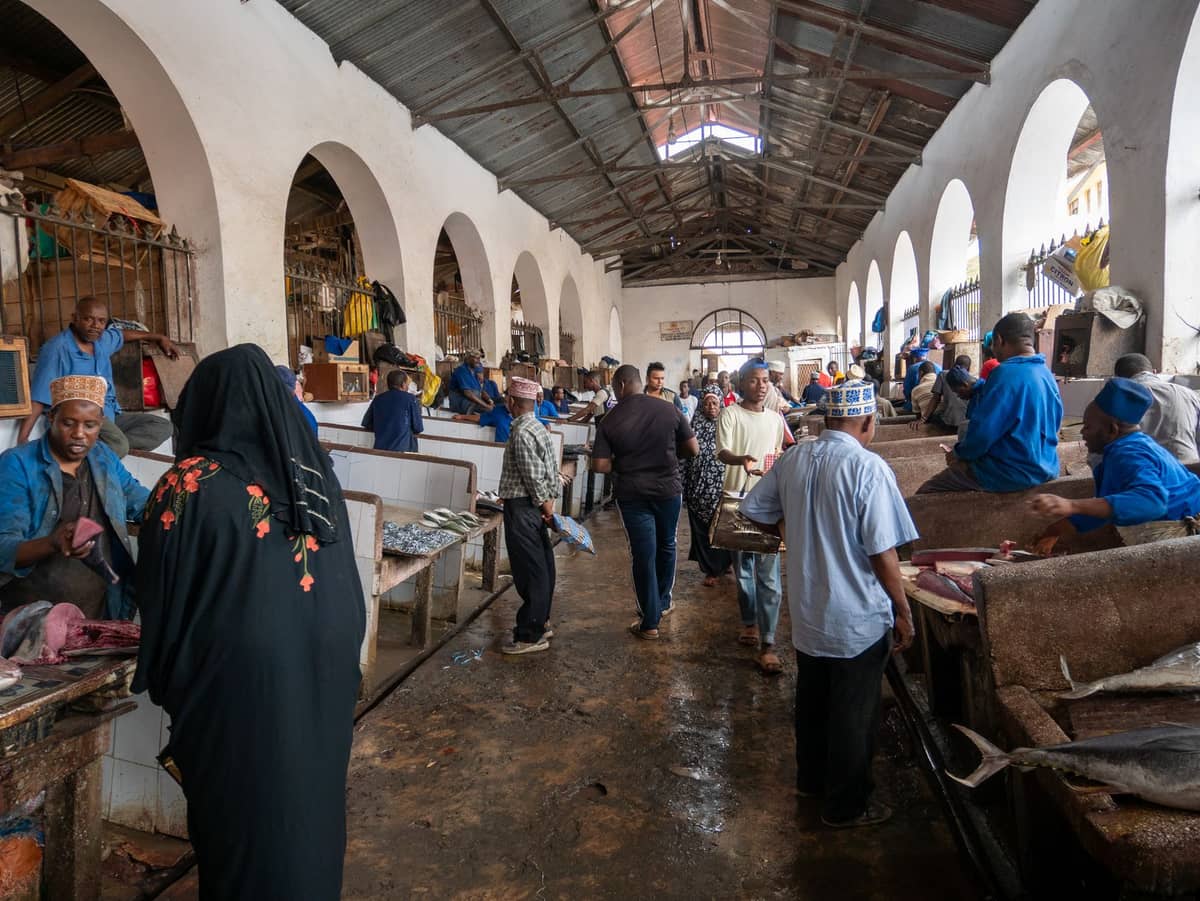
Darajani Market is not a curated tourist attraction — it is where Stone Town actually shops. Located at the eastern edge of the historic quarter, this covered market handles the daily trade of fish, meat, tropical produce, dried spices, and household goods. Traders begin setting up before sunrise, and the market is at its most active between roughly 6:30 a.m. and 11:00 a.m. By early afternoon, many produce stalls have sold out and the energy drops significantly. If you arrive at noon expecting a full market, you will be disappointed. Come early, come on a weekday, and bring cash in Tanzanian shillings (TZS). Vendors dealing with tourists may quote prices in US dollars, but paying in local currency at fair rates is straightforward. For context on how this fits into a broader Stone Town itinerary, see our Stone Town walking guide.
The market is divided informally by category. The fish section at the back is the most visceral and most interesting: whole tuna, octopus, reef fish, and sea creatures that are difficult to name laid out on concrete slabs, negotiated over in rapid Swahili. The spice section, closer to Creek Road, is where you will find cloves, cardamom, cinnamon bark, dried chili, black pepper, and vanilla pods. These are genuinely good quality and meaningfully cheaper here than in Stone Town's curio shops. A 100g bag of whole cloves, for example, typically runs around TZS 3,000–5,000 at the source, versus the inflated prices in souvenir packaging elsewhere.
⚠️ What to skip
Darajani Market tours listed on booking platforms (typically starting around 6:00 p.m.) are evening street food walks that begin at the market as a landmark, not visits to the daytime working market. The two experiences are completely different — confirm what you are actually booking before you pay.
Spice Tours and Spice Farms: What You Are Actually Getting
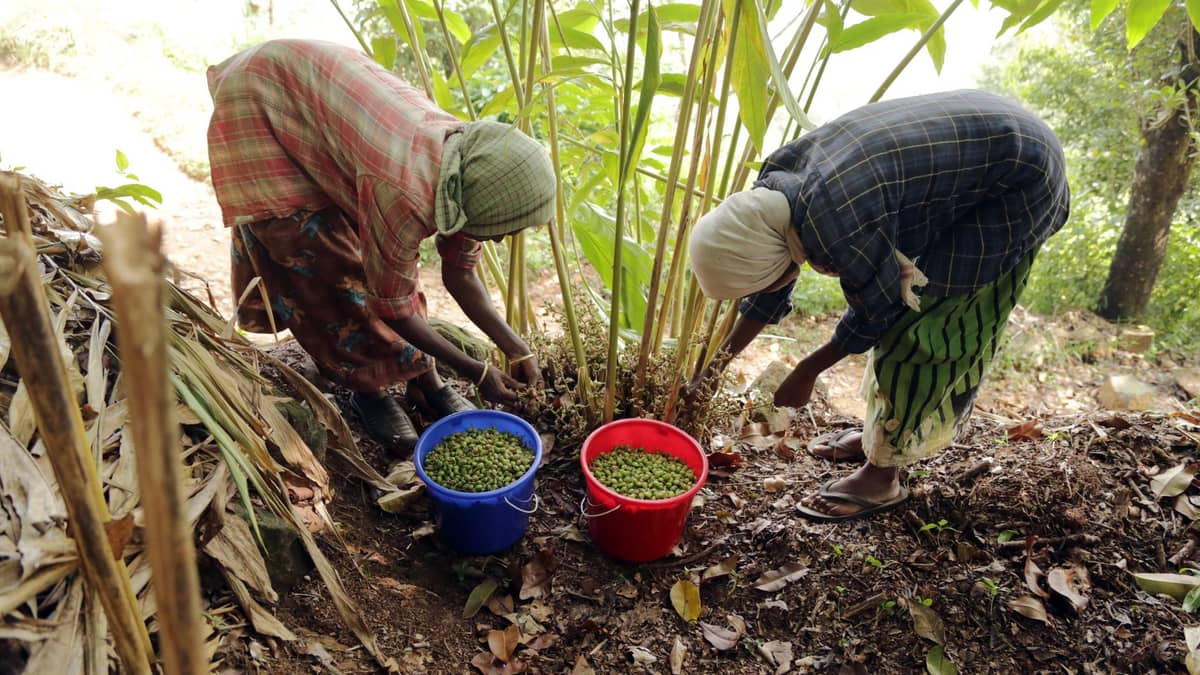
Zanzibar's reputation as the Spice Island is well-earned. Cloves, nutmeg, vanilla, lemongrass, turmeric, and black pepper have been cultivated here for centuries, and visiting a working spice farm remains one of the island's more genuinely educational experiences. What confuses many visitors is the labeling: a 'spice market tour' sold by a tour operator may include both Darajani Market and a farm visit, or it may mean only the farm. Always check the itinerary.
Kidichi Spice Farm, in the island's central region, is one of the most established options. Knowledgeable guides walk visitors through living plants, explaining the cultivation and trade history with genuine depth. Prices for organized tours from Stone Town run roughly US$18–25 per person through operators, which typically includes transport and a guide. Independent visits to farms are cheaper but require your own transport. For the full picture on what a spice experience involves, our Zanzibar spice tour guide covers the best farms, what questions to ask, and how to avoid overcrowded coach-tour versions of the experience.
✨ Pro tip
Buy spices at the farm or at Darajani Market, not at curio shops near the waterfront. The same cloves packaged in tourist-branded tins near Forodhani Gardens can cost three to five times the market price, with no quality advantage.
Forodhani Gardens: Zanzibar's Night Street Food Scene
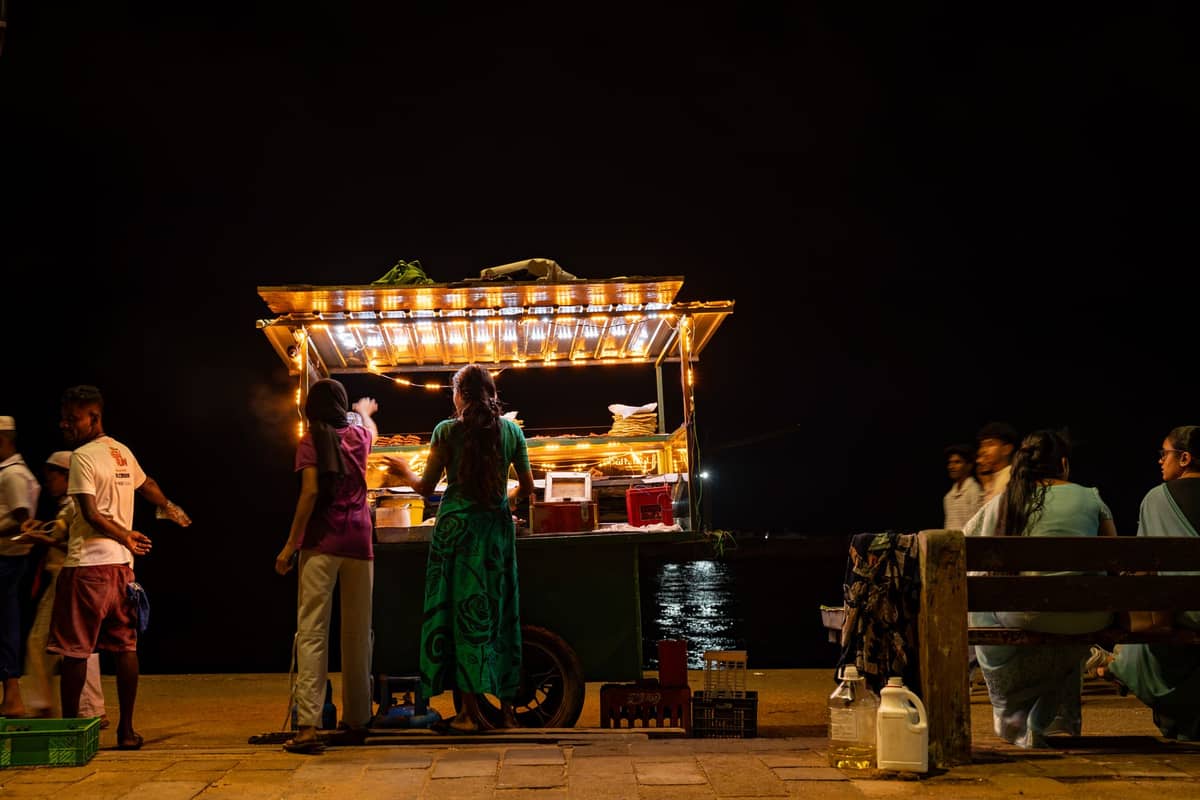
Every evening from around sunset, the waterfront gardens in Stone Town transform into an outdoor grill market. Forodhani Gardens has been a street food destination for decades and is genuinely popular with both tourists and locals, though the ratio shifts depending on season. Grilled lobster, Zanzibar pizza (a local street food — a thin egg-and-filling pancake, not an Italian-style pizza), mishkaki (skewered meat), octopus, and sugarcane juice are the staples. Prices for grilled seafood range widely: a half lobster might go for around US$5–10 depending on size and negotiation, while Zanzibar pizza is typically TZS 3,000–6,000. Read more about the food scene in our complete Zanzibar food guide.
The honest assessment: Forodhani is worth visiting at least once, but it has become noticeably more tourist-facing over recent years. Prices are quoted in dollars at many stalls, and aggressive touting can make a relaxed browse feel exhausting. The quality also varies significantly from stall to stall. A practical rule: choose stalls with visible grilling action, high turnover of food, and a mix of local and foreign customers. Avoid stalls where seafood has been sitting out unrefrigerated. Arrive between 6:30 and 7:30 p.m. before the evening coach-tour groups arrive, and the experience is markedly more enjoyable.
Shopping for Crafts: What to Buy and Where
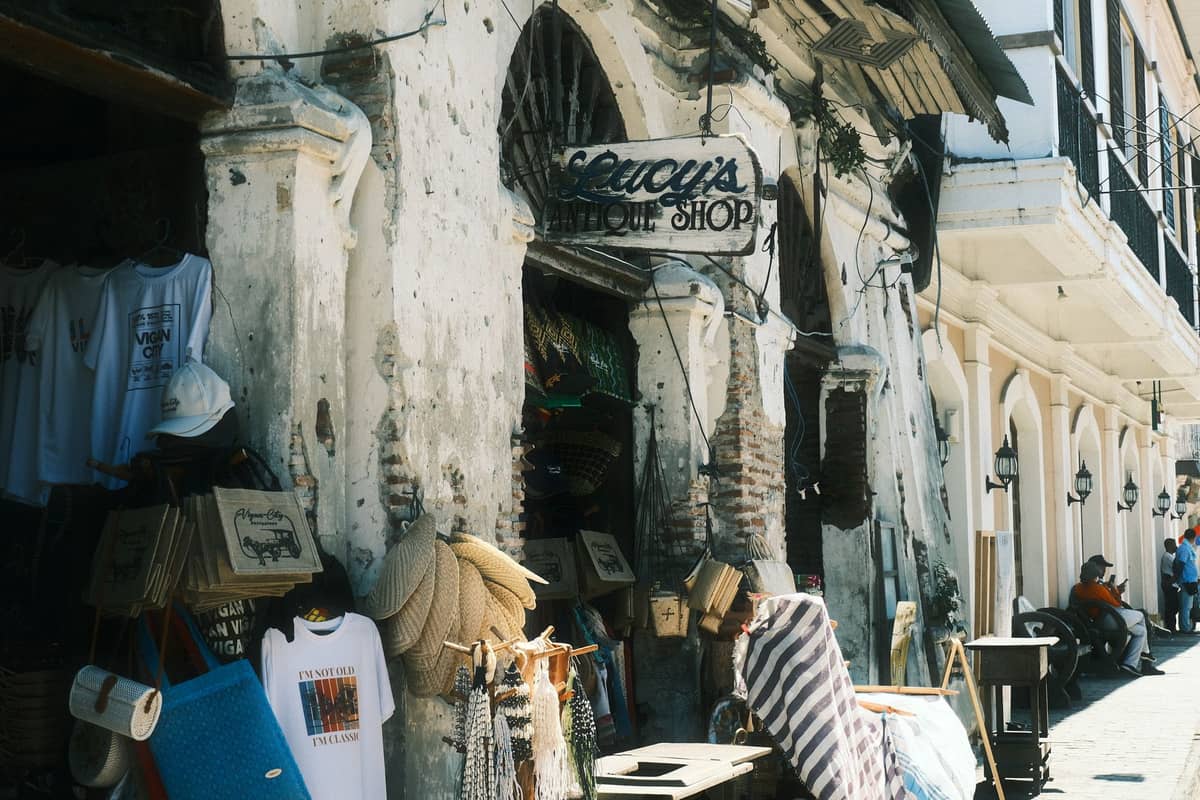
Stone Town is lined with craft and souvenir shops, particularly along Gizenga Street and in the alleys between the Old Fort and Forodhani. The inventory across most shops is similar: carved wooden items, Tingatinga paintings, kikoi fabric, kangas, beaded jewelry, and brass-inlaid chests in the Zanzibari style. Quality varies enormously. Mass-produced items made off the island sit alongside genuine handmade goods with no obvious distinction. The key is to slow down and ask questions — where was this made, who made it, what wood is it? A vendor who can answer specifically is selling something more likely to be authentic.
- Kikoi and Kanga fabrics Zanzibar's printed cotton fabrics are practical, lightweight, and genuinely local. Kanga cloth comes in pairs with Swahili proverbs printed along the border. A good-quality kanga pair runs TZS 8,000–20,000 at Darajani Market, significantly less than tourist-facing shops.
- Carved wooden items Zanzibar doors are one of the island's great architectural signatures, and small carved panels inspired by them make meaningful souvenirs. Confirm the wood is not a restricted species — ask specifically about the source.
- Spices and vanilla Buy at Darajani or from farm shop stalls. Genuine Zanzibar vanilla pods and whole cloves travel well and are among the best-value purchases on the island.
- Tingatinga paintings This distinctive East African painting style originates in Tanzania. Smaller works by local artists are available from around US$10–30; larger signed pieces from established artists are considerably more. Know who you are buying from.
- Brass-inlaid chests Authentic Zanzibari chests are expensive and heavy — factor in baggage logistics. Decorative miniatures are widely available as a lighter alternative.
Outside Stone Town, coastal village markets offer a different experience. In Jambiani, small roadside stalls sell locally made woven baskets and dried goods. In Nungwi, vendors near the dhow-building yards stock nautical items and wood crafts with more legitimate provenance than many Stone Town shops. These village interactions feel less transactional and often produce better prices for a better product.
💡 Local tip
Bargaining is normal and expected in most market and souvenir contexts, but not at restaurants, fixed-price shops, or government-run establishments. Start at around 50-60% of the opening price, be good-humored about it, and be prepared to walk away. Never name a price unless you intend to pay it if accepted.
Street Food Beyond Forodhani: Where Locals Actually Eat
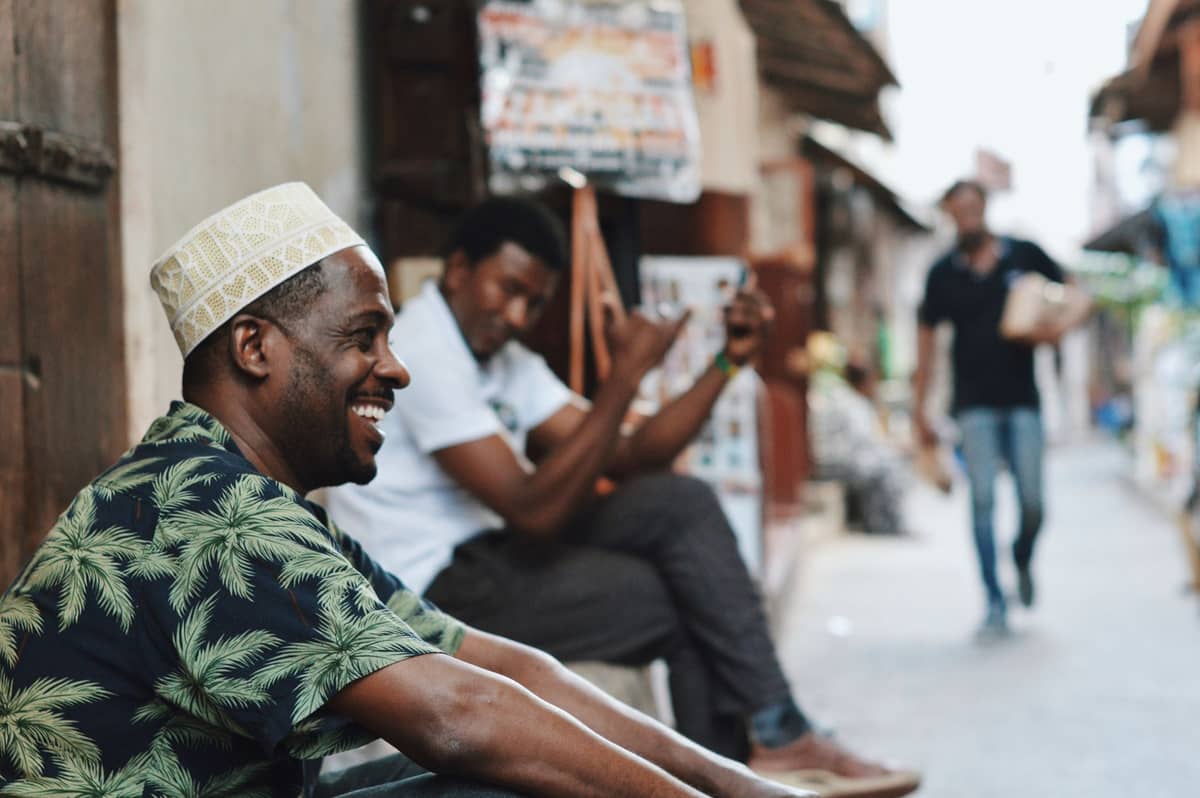
The most interesting street food in Zanzibar is not at Forodhani Gardens. Jaws Corner, a few blocks inland from the waterfront, is where Stone Town's residents gather for kahawa (strong spiced coffee served in tiny cups), mandazi (fried dough), and conversation. It is not a market in the conventional sense, but it functions as a neighborhood social hub that happens to have food and drink. Showing up here, ordering coffee for TZS 200–500, and sitting on a plastic chair for 20 minutes gives more insight into Stone Town daily life than most organized tours.
Darajani Market itself has a small cooked-food section where you can get rice, beans, and fried fish at genuinely local prices — around TZS 2,000–4,000 for a full plate. These stalls serve workers and traders, not tourists. Along Creek Road near the market, vendors selling mkate wa ufuta (sesame bread) and vitumbua (rice cakes) set up during morning hours. These are the kinds of finds that do not feature on tour itineraries. For the full picture of what and where to eat across the island, see our Zanzibar food guide.
Practical Market Information: Logistics, Timing, and Avoiding Traps
Most markets in Zanzibar operate Monday through Saturday, with Sunday activity reduced significantly. During Ramadan, trading hours shift toward the evening, and some daytime food stalls close until after iftar. Eid holidays can shut markets entirely for one to three days. It is worth checking the Islamic calendar dates for your travel window if market visits are a priority.
- Arrive at Darajani before 9:00 a.m. for the best selection of fish, produce, and genuine market atmosphere.
- Bring small-denomination TZS for market purchases — US$100 bills are difficult to change and invite overquoting.
- Keep bags zipped and wear a daypack on your front in crowded market areas; petty theft exists, though Stone Town is not unusually dangerous.
- If you are taking a guided street food tour, confirm the departure time and starting point explicitly — evening tours typically start between 5:30 and 6:30 p.m.
- Avoid buying wildlife products, turtle-shell items, or coral-based souvenirs — these are illegal to export and harmful to the reef ecosystem.
- Photography in markets: ask before pointing a camera at vendors or customers. Most will agree, some will not, and the courtesy matters.
Getting to the markets from coastal resorts requires planning. Stone Town is accessible by dala-dala (shared minibus) from most parts of the island, though journey times from the north or southeast coast can run 60–90 minutes. Organized day tours from beach resorts to Stone Town and Darajani Market are widely available from around US$25–40 per person including transport. If you are planning a full day in the city, our guide to getting around Zanzibar has detailed transport options. Budget travelers visiting on their own schedule will also find our Zanzibar budget guide useful for managing costs across a full trip.
ℹ️ Good to know
The 'spice market' is a term that gets applied loosely in Zanzibar. Some tour operators use it to describe the spice section of Darajani Market; others use it to mean a dedicated spice farm visit. Confirm which you are being sold before booking, as the experiences, locations, and time requirements are completely different.
FAQ
What is the best market to visit in Zanzibar?
Darajani Market in Stone Town is the most authentic and practical market on the island. It covers produce, fish, meat, and spices, and operates primarily in the morning. For street food at night, Forodhani Gardens is the most accessible option, though it caters significantly to tourists. The two experiences are complementary, not alternatives.
Where can I buy genuine Zanzibar spices?
The spice section of Darajani Market offers the best prices for cloves, cardamom, cinnamon, and dried chili. Spice farms, particularly Kidichi, allow you to see the plants growing and buy directly from the source. Avoid packaged spices in tourist shops near Forodhani — the same product costs significantly more in curio packaging.
Is bargaining expected in Zanzibar markets?
Yes, in most market and souvenir contexts bargaining is normal. Start around 50% of the opening quote and negotiate from there. Fixed-price shops, restaurants, and tour operators with printed price lists are exceptions. Always be good-humored about the process and do not quote a price you are unwilling to pay.
What time does Darajani Market open and close?
Darajani Market typically begins before sunrise, with most activity between 6:30 a.m. and 11:00 a.m. By early afternoon, many stalls have sold out. There is no single fixed closing time — it tapers out rather than shutting. Visit in the morning for the best experience.
Is Forodhani Gardens street food safe to eat?
Generally yes, with common-sense precautions. Choose stalls with high food turnover and visible, active grilling rather than pre-cooked items sitting out. Arrive earlier in the evening (before 7:30 p.m.) when food is freshest. Octopus, fish, and Zanzibar pizza from busy stalls are reliably popular choices. Avoid anything that looks like it has been sitting unrefrigerated for an extended period.
Tickets & tours
Live prices and dates from our booking partner. If you book, we may earn a commission at no extra cost to you.
Planning a trip? Discover personalized activities with the Nomado app.